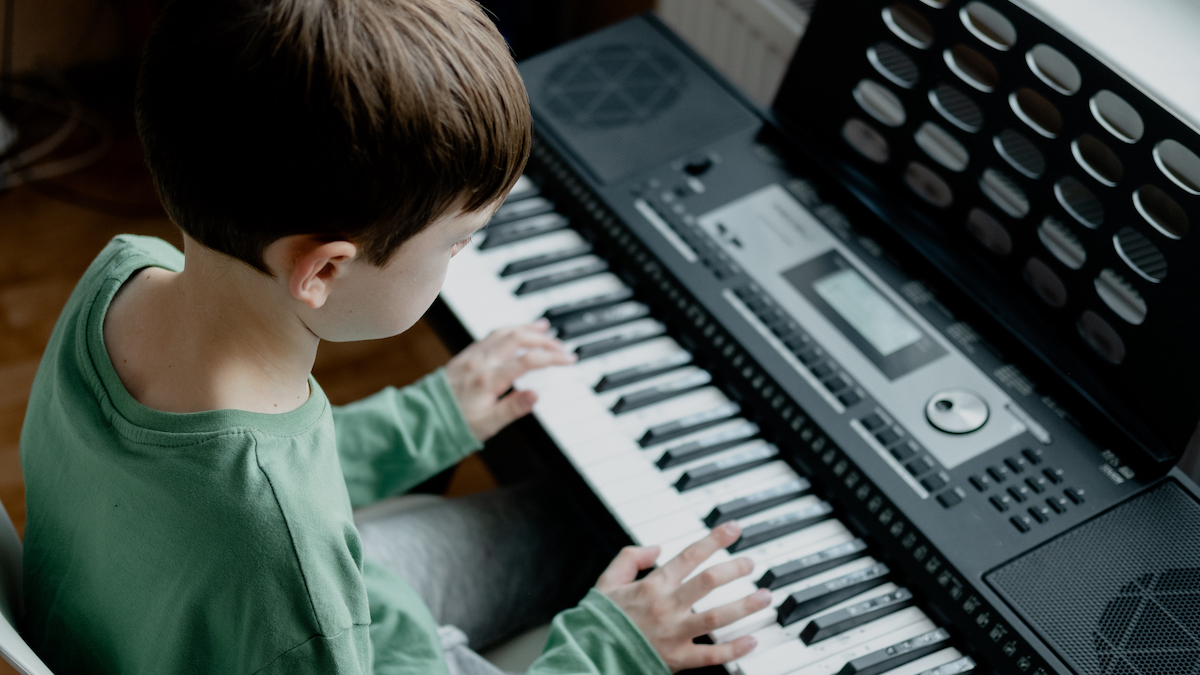
The transition from single-handed melody playing to full, two-handed piano performance represents the most significant pedagogical hurdle for beginning keyboardists. This developmental milestone requires the neuro-muscular decoupling of the left and right hands, a process that relies heavily on consistent, structured practice rather than innate talent. Music educators consistently emphasize that the ability to play independent parts with each hand is not merely a technical skill but a foundational requirement for musical literacy and the execution of complex compositions.
Historical and Pedagogical Context of Keyboard Coordination
Historically, the keyboard has evolved from the early mechanical constraints of the harpsichord and clavichord to the modern grand piano, which allows for immense dynamic range and polyphonic complexity. During the Baroque era, composers like J.S. Bach revolutionized the concept of keyboard independence with works such as the Two-Part Inventions. These pieces were specifically designed as pedagogical tools to force the student to treat the left and right hands as distinct voices, effectively acting as autonomous performers within the same composition.
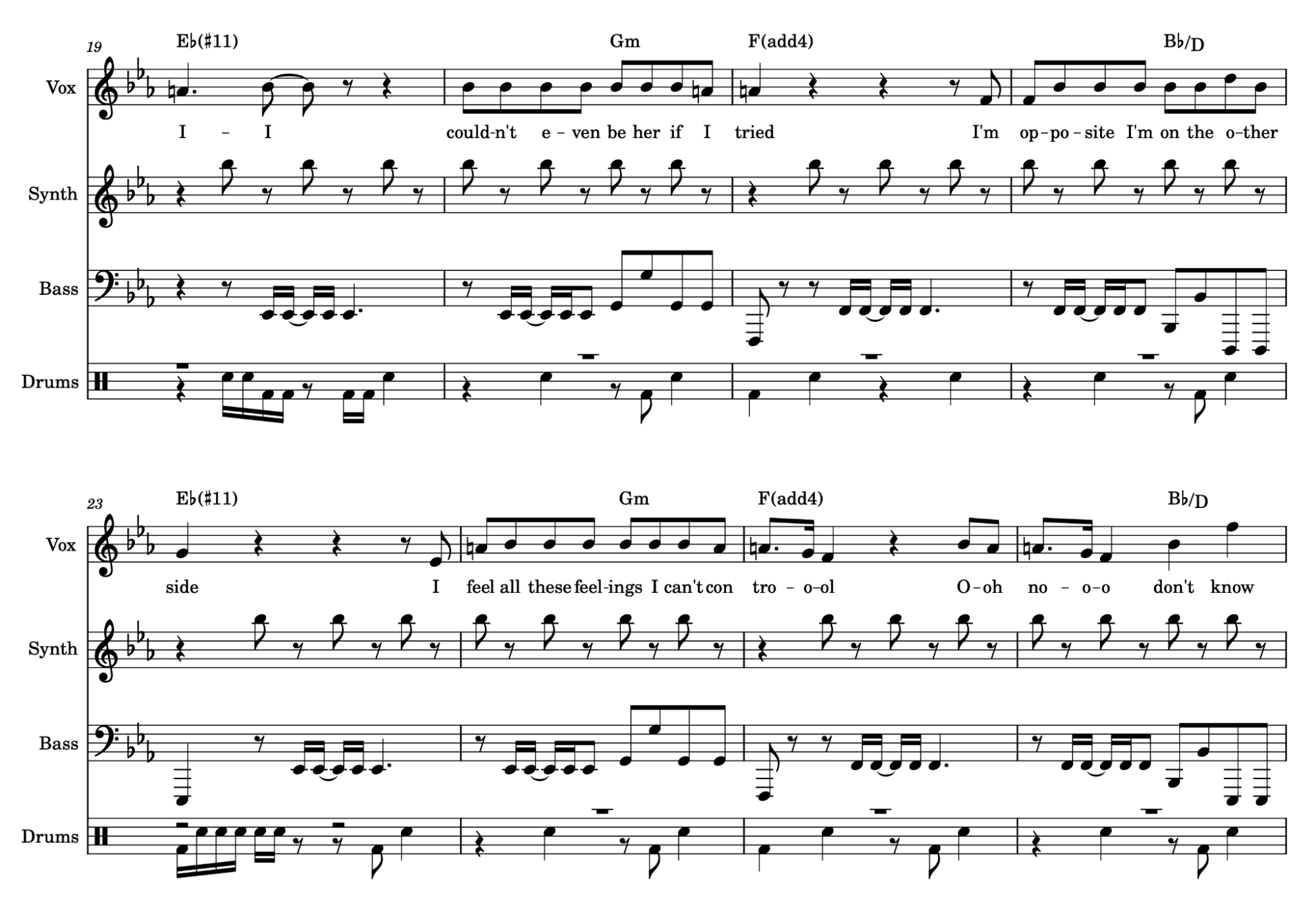
In the modern era, this tradition continues in both classical and contemporary music. Whether performing a complex jazz arrangement or a standard pop ballad, the pianist is expected to navigate the "treble clef" with the right hand—typically responsible for melody—and the "bass clef" with the left hand, which provides the harmonic foundation and rhythmic drive. This division is codified in the standard grand staff notation, where the two staves are joined by a brace, representing the physical connection required between the two hands.
Establishing Fundamental Mechanics
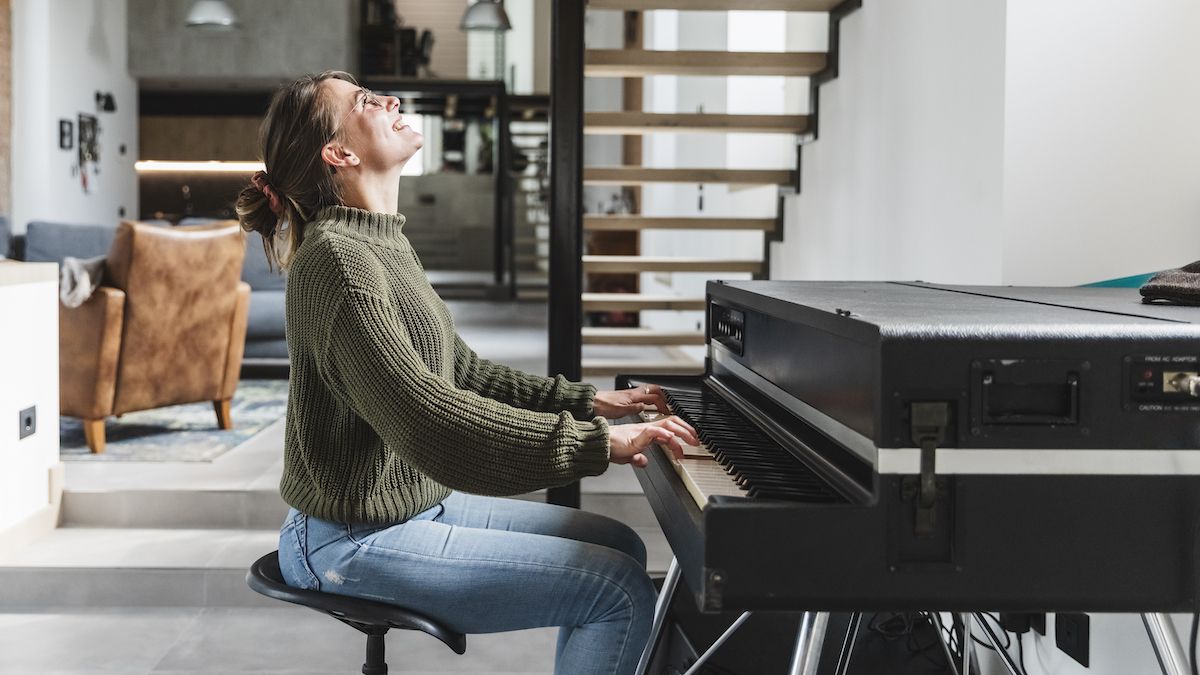
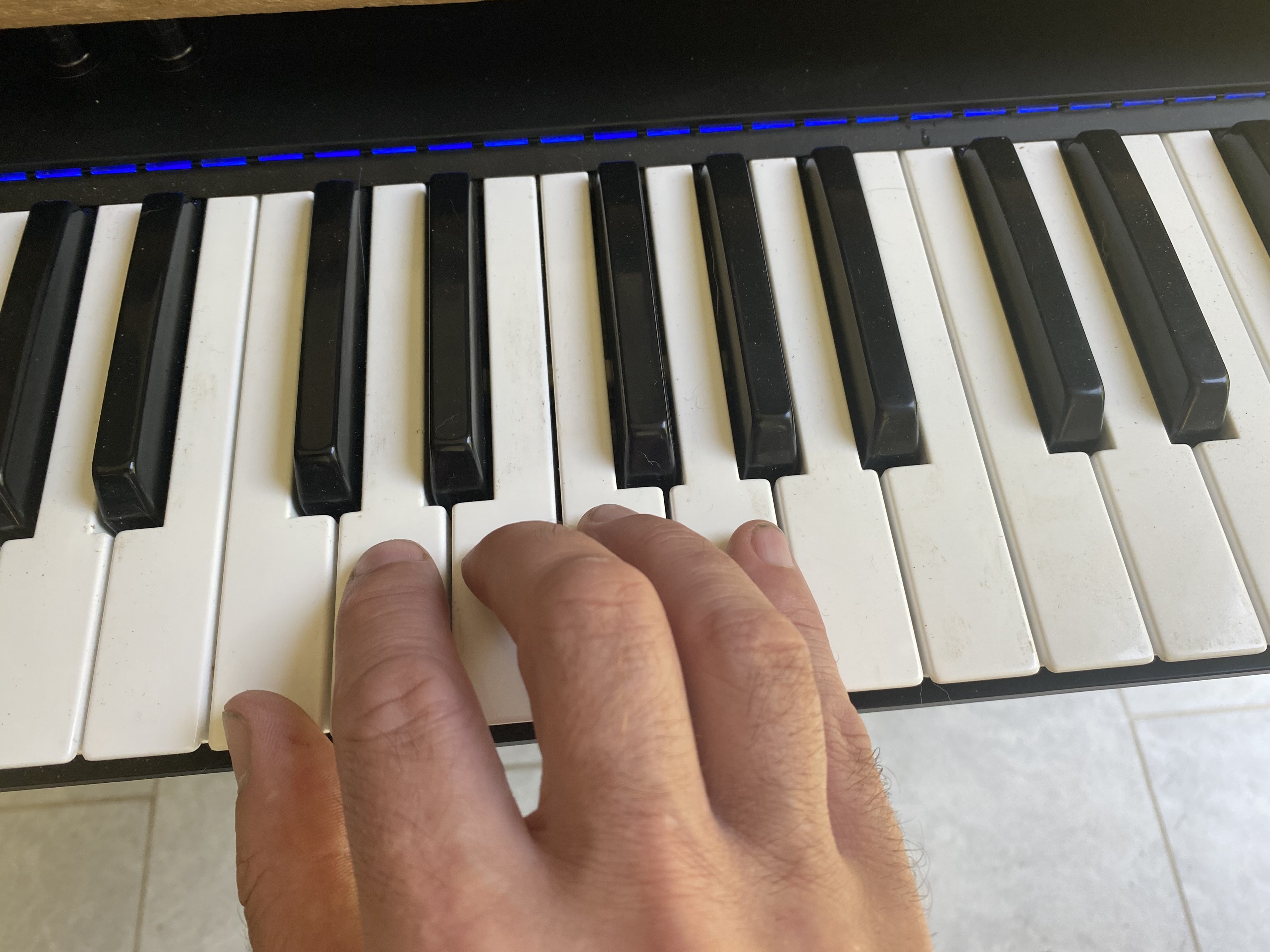
The journey toward hand independence begins with achieving ergonomic comfort. Proper posture and hand position are the primary variables that dictate long-term progress. When a student sits at a piano, they should ideally be positioned centrally, with the little finger of the left hand placed on C3, one octave below middle C. This positioning ensures that the remaining fingers fall naturally across the keys, facilitating a balanced five-finger pattern: C, D, E, F, and G.
Research in motor skill acquisition suggests that "blocked" practice—repeating a specific movement sequence—is essential for building muscle memory. By practicing a five-note scale, the student trains the brain to map the distance between keys, eventually eliminating the need to look at the hands. This is a critical stage; visual reliance on the keys hinders the player’s ability to read sheet music and inhibits the development of proprioception, the body’s ability to sense its position in space.
The Role of the Left Hand: Harmony and Rhythm
While the right hand often carries the melodic weight, the left hand serves as the engine of the performance. A common mistake among novices is treating the left hand as secondary. To build proficiency, students should focus on three primary techniques:
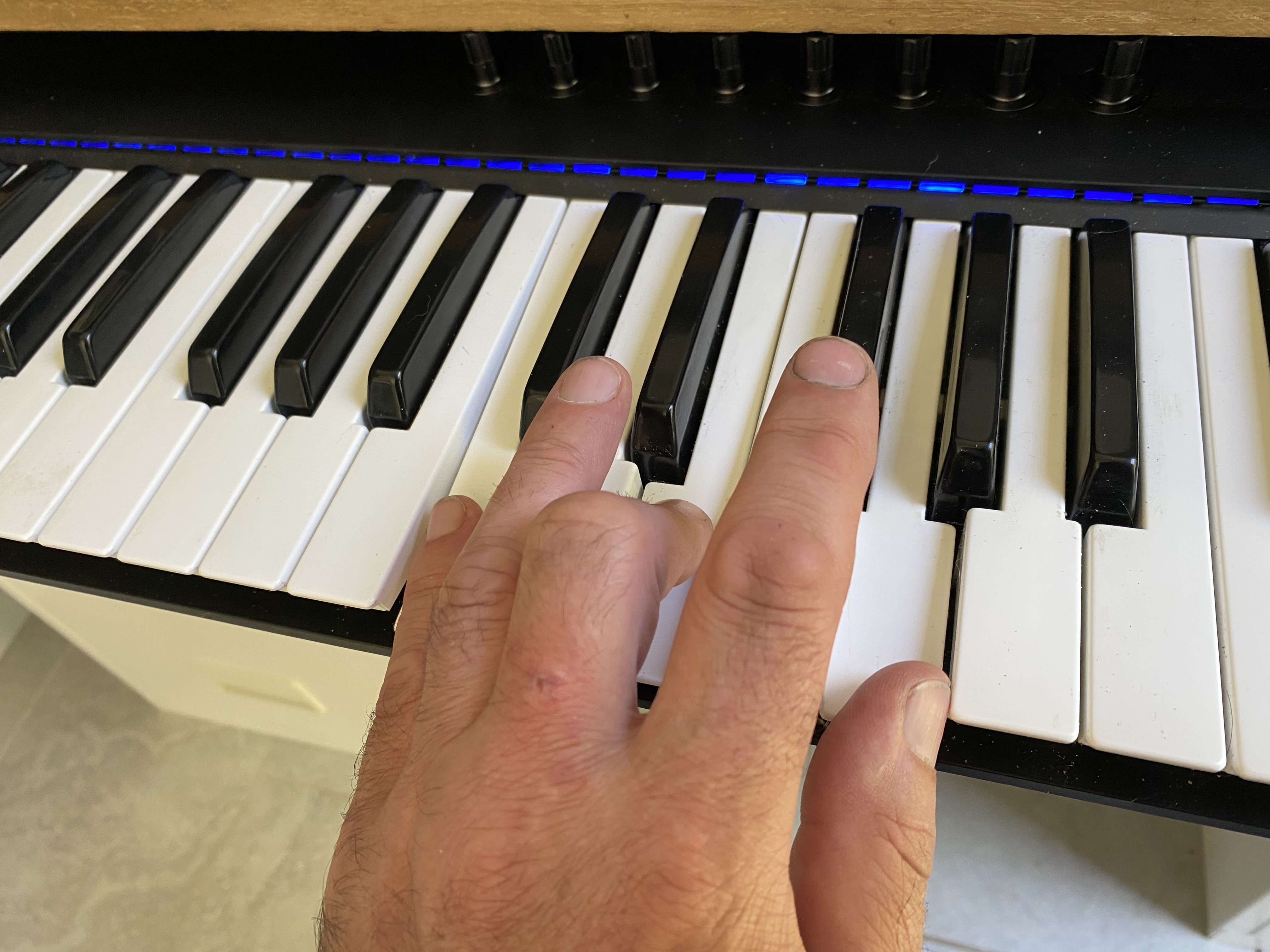
- Block Chords (Triads): These are the building blocks of western music. By placing the fingers on C, E, and G, a student forms a C Major triad. Practicing these in succession across different octaves builds finger strength and spatial awareness.
- Arpeggios: By breaking the chord into individual notes played sequentially, the student develops fluidity. Arpeggios are foundational to genres ranging from classical etudes to modern synth-pop.
- Octave Bass Techniques: A staple of 1980s pop and modern dance music, the octave bass—playing a low note followed by its octave counterpart—provides a percussive, rhythmic pulse. Mastering this technique requires a lateral rocking motion of the wrist, which must be executed without tension to prevent repetitive strain injuries.
The Importance of Rhythmic Independence
The difficulty of two-handed playing is not just about moving different fingers; it is about managing different rhythms simultaneously. This is where many students experience a plateau. The introduction of a metronome is not an optional accessory but an essential diagnostic tool. A metronome provides an objective, external pulse, allowing the student to identify exactly where their timing falters.
Statistical evidence in music education shows that students who practice with a metronome for at least 15 minutes a day develop a "solid internal clock" significantly faster than those who practice without one. The objective is to reach a point where the hands can perform disparate rhythmic tasks—such as a steady, quarter-note bassline in the left hand against a syncopated, eighth-note melody in the right hand—without conscious effort. This state of "automaticity" is the hallmark of a proficient pianist.
Strategic Practice: The "Little and Often" Methodology
Cognitive psychology underscores the "spacing effect," which dictates that information is better encoded into long-term memory when practice is distributed over time rather than concentrated in one long session. For the aspiring pianist, a 20-minute daily practice routine is objectively more effective than a three-hour marathon session once a week.
This approach prevents cognitive fatigue and physical strain. When a student practices for too long, the quality of their movement degrades, leading to the reinforcement of poor technique. By keeping sessions short, the student maintains high levels of focus, allowing for the precise calibration of neural pathways necessary for hand independence.
Practical Application: Starting with Repertoire
To bridge the gap between technical exercise and performance, educators recommend starting with simplified arrangements of well-known compositions. John Lennon’s "Imagine," for instance, is a quintessential study in block chord structures. Its steady, predictable harmonic progression allows the beginner to focus on the synchronization of the hands without the distraction of overly complex melodic lines.

When attempting a song, the recommended workflow is as follows:
- Segmental Learning: Learn the left-hand part until it can be played with minimal concentration.
- Melodic Isolation: Learn the right-hand melody until it is fluid and expressive.
- Integration: Combine the hands at a significantly reduced tempo (often 50% of the target speed).
- Dynamic Scaling: Once the synchronization is clean, gradually increase the tempo while maintaining the intended dynamics.
Broader Implications and Long-Term Development
The development of two-handed coordination is a process of neuroplasticity. As the brain creates new connections between the motor cortex and the fingers, the pianist gains the ability to "de-link" the hands, allowing them to operate as independent entities. This skill has implications far beyond the keyboard; the cognitive discipline required to manage dual-stream information is often associated with improved executive function and better multi-tasking abilities in other areas of life.
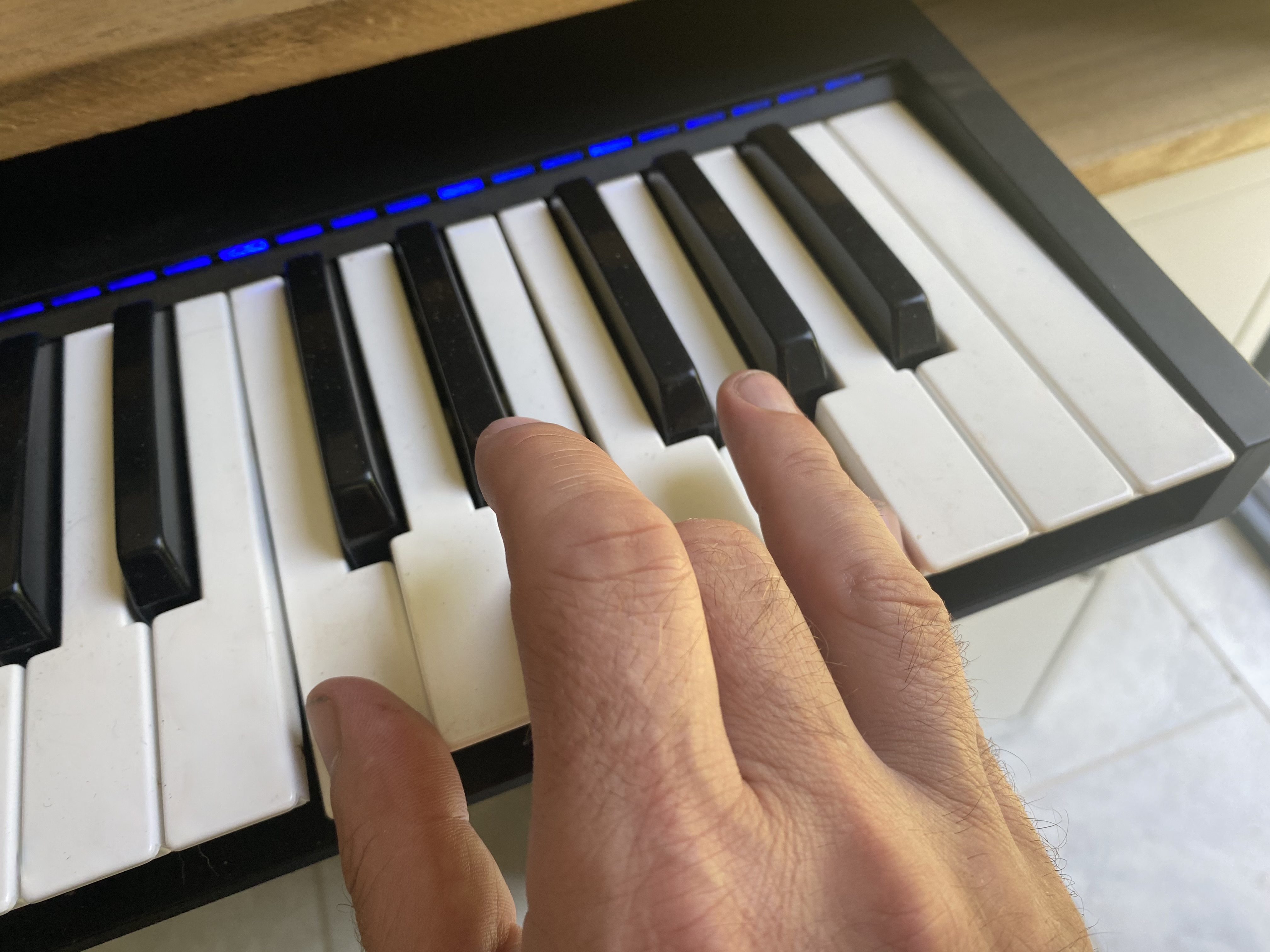
Ultimately, the frustration felt during the initial stages of two-handed coordination is a universal experience. Even world-class concert pianists once struggled with the very same basic C-major triads. The difference between the novice and the professional is not the presence of a "natural gift," but the persistence to overcome the mechanical friction of the early stages through disciplined, iterative practice. By focusing on the fundamentals, maintaining a consistent schedule, and utilizing the metronome to ensure rhythmic integrity, any dedicated student can move beyond the "first hurdle" and begin the lifelong journey of musical expression. As the initial discomfort subsides, the keyboard ceases to be a series of obstacles and transforms into a canvas for complex, polyphonic creativity.