While the modern recording studio is often defined by its vast array of digital plugins and sophisticated software, a foundational understanding of analog techniques and creative limitations can still yield exceptional results. In an era where digital processing offers seemingly limitless possibilities, revisiting "old school" methods for recording audio provides a valuable pathway to more intentional, impactful, and often more efficient music creation. This approach emphasizes capturing the essence of a performance and the inherent character of the sound source before diving into the complexities of in-the-box mixing.
The digital audio workstation (DAW) has become the central hub for most music production, offering an unparalleled suite of tools for editing, processing, and manipulating audio. However, the ease with which virtually any sonic imperfection can be corrected post-recording has, for some, led to a dilution of the initial recording process. The temptation to "fix it in the mix" can bypass critical decisions made at the source, potentially sacrificing the raw emotion and sonic integrity of a performance. By embracing techniques that prioritize capturing the best possible sound from the outset, producers and engineers can build a stronger foundation for their projects, often leading to more compelling and less time-consuming final mixes.
This article explores several key areas where analog-inspired, plugin-free techniques remain not only relevant but essential for achieving superior audio recordings. These include meticulous microphone selection and placement, the strategic commitment to chosen sounds during the recording phase, the art of capturing a performance over mere technical perfection, intelligent acoustic problem-solving, and the powerful application of creative limitations.
Mastering the Fundamentals: Microphone Choice and Placement
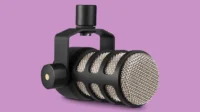
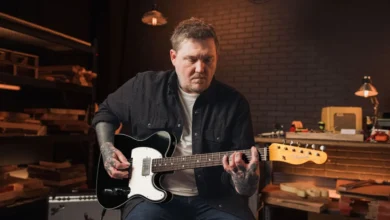
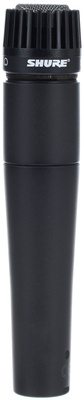
The cornerstone of any quality recording lies in the interaction between the sound source, the acoustic environment, and the microphone. While the digital realm offers endless sonic sculpting capabilities, the initial capture is paramount. Understanding the inherent characteristics of different microphone types – dynamic, condenser, ribbon – and their ideal applications is crucial. Dynamic microphones, such as the industry-standard Shure SM57 and the broadcast-legend SM7B, are renowned for their robustness and ability to handle high sound pressure levels, making them excellent choices for loud sources like electric guitars and drums when placed up close. Their forgiving nature and focused pickup patterns can help isolate instruments and minimize bleed from the surrounding environment.
Condenser microphones, particularly those with omnidirectional polar patterns, excel at capturing a broader spectrum of sound and the natural ambiance of a room. While sensitive tube condensers can be incredibly revealing, their heightened sensitivity also means they can inadvertently capture unwanted room noise and acoustic imperfections. Therefore, careful consideration of the recording space is essential. Strategic microphone placement is an art form in itself. Subtle adjustments in distance, angle, and position can dramatically alter the tone and character of a recording. For instance, tilting a microphone slightly off-axis can tame harsh high frequencies, while repositioning it to avoid the direct center of a speaker or vocal source can mitigate unwanted resonances. The proximity effect, a phenomenon where bass frequencies are boosted when a directional microphone is placed very close to a sound source, can be a desirable tool for adding warmth and fullness, but it can also lead to excessive boominess if not managed. Experimentation is key; what sounds best often comes down to subjective taste and the specific sonic goals for the track.
Committing to the Sound: The Power of Pre-Production Decisions
In the analog era, effects like compression and EQ were often applied during the recording process, as there was no easy way to undo them later. This necessitated a more deliberate approach, forcing musicians and engineers to make critical sonic decisions before hitting the record button. This philosophy of "committing to the sound" can be incredibly beneficial even in today’s digital landscape. When an instrument’s tone is sculpted using outboard gear or carefully chosen amplifiers and effects pedals, the recording captures a specific sonic identity. Attempting to recreate these tones with plugins in post-production can be a time-consuming and sometimes futile endeavor, often lacking the organic character of the original.

Recording with compression on the way in, for example, can help control dynamic range and shape the transient response of an instrument. This is particularly valuable for instruments that will be layered, such as vocals or guitars. Consistent transient behavior ensures that bus compression and mix bus processing can be applied effectively, providing cohesion and "glue" to the overall mix. A peak limiter applied at the input stage can tame unpredictable peaks, allowing for easier layering of takes without the risk of over-compressing the master bus or group channels. By striving to create the most complete and well-defined sound possible during the initial recording, producers can significantly streamline the mixing process and build greater confidence in the sonic direction of their project. This proactive approach minimizes decision fatigue and allows for more focused creative energy during later stages.
Capturing the Performance: Emotion Over Technical Perfection
The distinction between writing, performing, and producing is often blurred in modern music production. However, the raw energy and unpredictability of a live ensemble performance possess a unique magic that can be difficult to replicate through meticulous editing and overdubs. When musicians play together in a room, their interplay, subtle nuances, and shared momentum create a sonic tapestry that is more than the sum of its parts. Focusing on capturing the emotional impact and cohesive energy of a performance, rather than striving for absolute technical perfection on every individual note, can imbue a recording with a timeless quality.
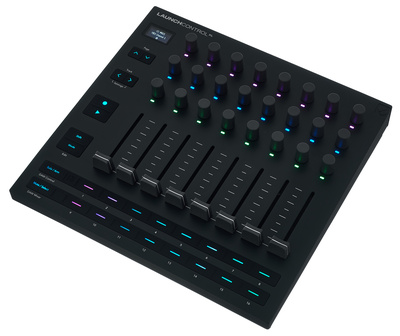
In contrast, the piecemeal approach of assembling a track from countless tiny edited slices, while capable of achieving a certain level of polish, can inadvertently strip away the vital human element. This is particularly relevant in an era where artificial intelligence is increasingly discussed in creative fields. Embracing the imperfections and spontaneity of human performance can serve as a powerful differentiator, making music feel more authentic and relatable. Even within electronic music genres, moving away from purely linear arrangement and incorporating live performance elements can unlock new avenues for sonic exploration and creative expression, leading to results that are less accessible through purely computer-based workflows.
Acoustic Problem-Solving: Ingenuity in the Recording Space
The adage "fix it in the mix" has become a pervasive mantra, but historically, engineers and producers relied on ingenious acoustic solutions to address recording challenges. These analog-era techniques often involved creative microphone setups and signal routing to overcome the limitations of imperfect recording spaces. A classic example is Tony Visconti’s innovative multi-microphone technique for recording David Bowie’s vocals on "Heroes." Faced with the constraint of a single vocal track, Visconti strategically placed microphones at close, medium, and distant positions. By employing gates on the latter two microphones, which would only open at certain signal levels, he was able to preserve the intimacy of Bowie’s softer vocal passages while allowing the natural room ambience to augment the louder, more powerful sections. This allowed for a dynamic vocal presence that felt both immediate and expansive.

While DAWs offer an abundance of tracks, negating the need for such complex physical setups, the underlying principle of working with limitations remains valuable. By intentionally introducing constraints into the recording workflow, producers can foster creative problem-solving and discover unique sonic characteristics. Another compelling example is Eric Valentine’s meticulous approach to recording drums for Queens of the Stone Age’s "Songs For The Deaf." Valentine’s painstaking process of overdubbing individual cymbal elements, rather than capturing them as part of a full kit performance, resulted in the album’s signature dry, upfront, and powerful drum sound. These historical methods highlight how creative limitations can be a catalyst for sonic innovation, leading to distinctive and memorable recordings.
Creative Limitations: The Unforeseen Benefits of Constraints
The intentional application of creative limitations can be a profound catalyst for innovation in music production. By setting boundaries on the gear, plugins, or sonic palette, artists can be forced to think more deeply about their choices and discover novel ways to achieve their desired sounds. Kevin Parker’s use of BOSS BR Series digital multitrack recorders for Tame Impala’s "Innerspeaker" album, rather than a traditional DAW, is a prime example. The inherent limitations of the hardware, including its built-in COSM amp simulations, effects, and limiter, became integral elements that shaped the album’s distinctive sonic identity.
The power of limiting oneself to a specific set of tools lies in its ability to prevent decision paralysis and encourage deeper exploration of each chosen element. For aspiring producers, a simple yet effective approach is to select a small, fixed number of pieces of gear or plugins for an entire project, such as an EP or album, and adhere to this selection rigorously. This discipline can lead to a more cohesive sonic aesthetic and foster a deeper understanding of the chosen tools. Furthermore, incorporating unusual instruments or even standard presets in unexpected ways can yield surprising and unique results. The iconic opening riff of Gorillaz’ "Clint Eastwood," for instance, famously utilized a stock rhythm preset, demonstrating that innovation can arise from seemingly ordinary starting points. Stepping away from the computer, even partially, for hardware-based recording can also be liberating, offering a focused creative environment free from digital distractions like email and internet browsing. This return to a more tactile and intentional recording process can unlock new creative pathways and lead to music that feels both inspired and deeply personal.
Conclusion
In an increasingly digital music production landscape, the enduring relevance of "old school" recording techniques cannot be overstated. By prioritizing meticulous microphone selection and placement, committing to sounds during the recording phase, focusing on the emotional resonance of performances, employing intelligent acoustic problem-solving, and embracing creative limitations, musicians and producers can elevate their audio recordings beyond mere technical proficiency. These methods not only foster a more intentional and efficient creative process but also help to imbue music with a depth, character, and humanity that can truly set it apart. The wisdom of the analog era, when applied thoughtfully in the modern studio, continues to offer a powerful pathway to creating timeless and impactful music.