Brand attack on Frankfurt Tanzhaus West highlights growing threats against queer spaces in Germany

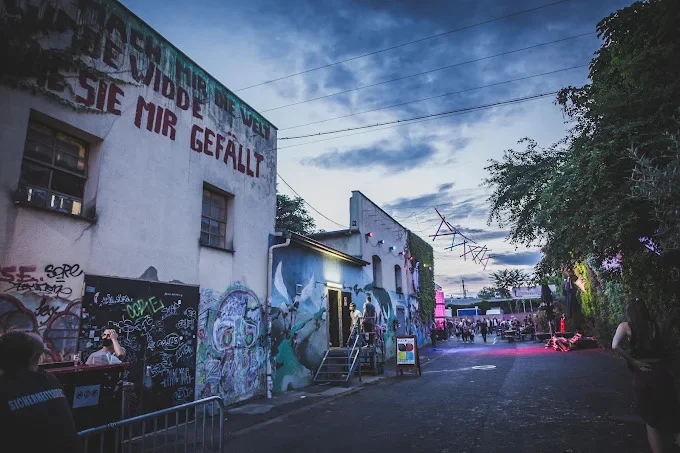
In the early hours of September 5, a targeted act of arson at the Tanzhaus West in Frankfurt am Main sent shockwaves through the local nightlife and LGBTQ+ communities. A 33-year-old male suspect ignited decorations associated with the Christopher Street Day (CSD) celebrations within the club’s cloakroom area. While the swift intervention of alert guests prevented a potential catastrophe, the incident has been classified by authorities as a deliberate attack on a protected cultural space, prompting the involvement of the state security apparatus, the Staatsschutz.
The event, which occurred during a high-profile techno session featuring headliner Kaufmann, was not a CSD-related event, yet the arsonist specifically targeted symbolic items representing queer rights. This act of violence, while contained, serves as a stark reminder of the escalating hostility faced by marginalized communities in public and semi-public spaces across the Federal Republic of Germany.
Chronology of the Incident
The events of September 5 unfolded rapidly, beginning around 2:30 a.m. As the dance floor was packed for the night’s performance, a man—later identified as an individual with no prior connection to the club’s management, staff, or the performing artists—gained access to the cloakroom area. Witnesses reported seeing the man deliberately set fire to a decorative display, which included a "CSD-Justitia" figure—a symbolic statue featuring a scale made of disco balls and a rainbow-colored sword.
The immediate reaction from those present was critical to preventing mass casualties. Guests near the cloakroom identified the fire in its incipient stage and utilized available beverages to douse the flames before they could spread to the building’s infrastructure or the densely populated dance floor. Security personnel were alerted, and the suspect was apprehended on-site before he could escape. Local police arrived shortly thereafter, taking the 33-year-old into custody. No injuries were reported, though the psychological impact on the attendees and the club staff has been significant.
Analysis of the Target: Symbolic Violence
The choice of target—a piece of art representing justice, diversity, and queer pride—strongly suggests that the motive was ideologically driven rather than a random act of vandalism. The "CSD-Justitia" statue is more than mere ornamentation; it serves as an emblem for the "Mitte der Gesellschaft" association, the "Hard Bock Drauf" and CAKE crews, and the broader Frankfurt queer movement. By attacking this symbol, the perpetrator struck at the heart of the club’s ethos, which explicitly positions itself as a "Safer Space" for the LGBTQ+ community.
The club management, in an official statement, underscored the gravity of the incident. "Our CSD-Justitia stands symbolically for our core values: diversity, acceptance, and respect," the statement read. "Anyone who sets fire to this is specifically attacking a protected space and a safe harbor for the queer community. That such an arson attempt is also life-threatening goes without saying."
Official Responses and the Role of State Security
Following the initial investigation by Frankfurt police, the case was transferred to the Staatsschutz, the division of the German police responsible for investigating politically motivated crimes. This transition confirms that authorities are treating the event as a targeted act of intolerance or hate-motivated violence.
The swiftness of the response from the club’s management was equally decisive. In the wake of the fire, the team behind Tanzhaus West and the Milchsackfabrik reiterated their commitment to maintaining the club as a sanctuary for queer individuals. Despite the "uneasy feeling" the incident has understandably caused among staff and patrons, the organization has vowed not to retreat from its political stance. "To hostility and headwinds, we respond with cohesion," the collective stated, reinforcing their role as an essential pillar of Frankfurt’s cultural and social landscape.
Broader Implications for Queer Safety in Germany
The arson at Tanzhaus West is not an isolated event; it is part of a disturbing, statistically documented rise in hate crimes directed at the LGBTQ+ community in Germany. According to reports from the Federal Ministry of the Interior and various civil society monitoring groups, there has been a marked increase in the number of recorded incidents involving harassment, assault, and property damage targeting queer individuals and community centers over the past 36 months.
This incident follows a series of high-profile attacks that have left the community on edge. Only weeks prior, the Berlin CSD was marred by a tragic incident that was later identified as a potential terror-related attack, resulting in loss of life and intense national debate regarding the security of public gatherings. These events collectively paint a picture of a shrinking "safe space" for queer expression.
Data from the Federal Office for the Protection of the Constitution (BfV) indicates that while traditional extremist groups remain a primary concern, there is an evolving threat profile involving "lone wolf" actors who are radicalized by online discourse. These individuals, often acting without formal membership in extremist organizations, mirror the profile of the suspect in the Frankfurt incident—someone acting on their own, yet motivated by a broader, pervasive intolerance.
Sociological Context: The Vulnerability of Nightlife
Nightlife venues have historically functioned as the bedrock of queer culture, providing a space where individuals can exist without fear of discrimination. However, the open-door nature of these clubs, combined with their status as symbols of liberal urban values, makes them frequent targets for those who perceive such venues as threats to traditionalist or exclusionary societal norms.
Sociologists note that when such attacks occur, the goal is often to create a climate of fear, discouraging community members from congregating. The challenge for venue owners, therefore, is two-fold: they must increase physical security measures—such as enhanced surveillance and more rigorous access controls—without sacrificing the welcoming, inclusive atmosphere that defines their business model.
The Path Forward
As the legal proceedings against the 33-year-old suspect progress, the focus in Frankfurt has shifted toward community solidarity. The incident has prompted a broader discussion among municipal leaders and cultural associations about the necessity of protecting nightlife infrastructure. There are calls for increased municipal support for security training for club staff and a more robust presence of community outreach programs that emphasize tolerance and de-escalation.
The Tanzhaus West management has signaled that they will continue their programming, viewing the continuation of their events as the most effective form of resistance against those who seek to silence them. By refusing to close their doors or diminish their visibility, they are signaling that the values of diversity and respect, which the CSD-Justitia statue represented, remain non-negotiable.
Conclusion
The arson attempt at Tanzhaus West is a symptom of a larger, systemic struggle over the character of public and cultural life in Germany. While the material damage was limited and no lives were lost, the symbolic damage remains a point of deep concern for civil rights advocates. As the Staatsschutz continues its investigation, the focus remains on the resilience of the queer community. The incident serves as a critical juncture for policymakers, law enforcement, and cultural institutions to re-evaluate how to best safeguard the fundamental right to exist and celebrate in safety.
For now, the message from the Frankfurt club scene is one of defiance. In the face of increasing political polarization and isolated acts of violence, the commitment to maintaining "Safer Spaces" is being framed as an act of political necessity. Whether this incident will serve as a catalyst for a more comprehensive security strategy or simply remain a grim reminder of the threats facing the LGBTQ+ community, only time will tell. However, the resolve of the community remains unshaken: they will not be intimidated into the shadows. The rainbow-colored sword of the CSD-Justitia may have been charred, but the values it defends remain firmly at the forefront of the cultural conversation.