The Humble Compact Disc Stages a Remarkable Comeback, Outpacing Vinyl Growth in Mid-2026.

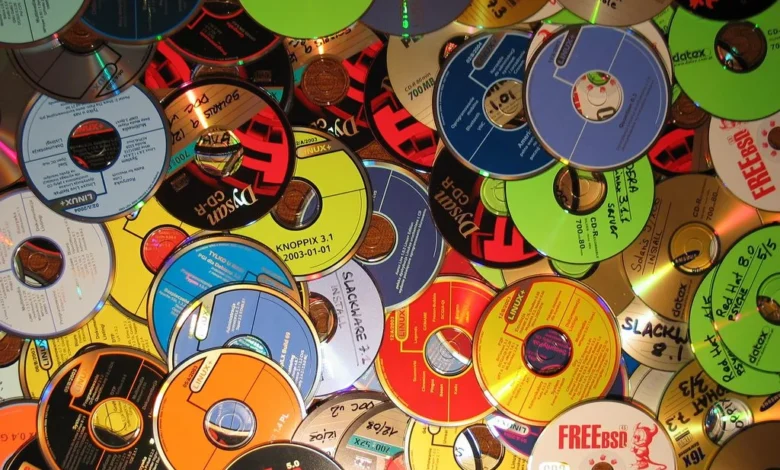
For years, the narrative surrounding physical music has been overwhelmingly dominated by vinyl records, celebrating their nostalgic charm and audiophile appeal as a beacon in an increasingly digital world. However, a significant shift is underway, as revealed by Luminate’s comprehensive 2026 Midyear Report, which spotlights the quiet yet impressive resurgence of the compact disc (CD). This detailed analysis, spanning the first half of 2026, presents compelling evidence that CDs are not only holding their own but are dramatically accelerating their market presence, signalling a nuanced evolution in how consumers engage with and collect music.
During the initial six months of 2026, the United States witnessed a substantial uplift in CD sales, registering an impressive 16% increase year-over-year, culminating in 16.3 million units sold. In contrast, vinyl sales, while still growing, did so at a more modest rate of 2.4% during the identical period. While vinyl retains its position as the overall best-selling physical music format by total units, the Luminate report underscores a pivotal moment: CDs significantly outpaced vinyl’s growth rate, marking one of the format’s most robust periods of expansion in more than a decade. This data indicates that the growth rate of CD sales was nearly seven times that of vinyl in the first half of the year, underscoring a reinvigorated consumer interest in tangible music ownership that extends beyond the much-heralded vinyl revival. This trend points to CDs carving out a distinct new identity within the contemporary music landscape, appealing to a broad spectrum of consumers from dedicated collectors and superfans to a new generation of younger listeners.
The Long Play: A Brief History of Physical Music Formats
To fully appreciate the current resurgence of the compact disc, it is essential to contextualize its journey within the broader history of recorded music formats. Introduced commercially in 1982, the CD rapidly revolutionized the music industry. It offered superior sound quality, durability, and convenience compared to its predecessors, the vinyl record and the cassette tape. By the late 1980s and throughout the 1990s, the CD became the dominant music format, peaking in sales in the early 2000s, with annual unit sales in the U.S. comfortably exceeding 700 million. It was the primary vehicle for music consumption, shaping how an entire generation experienced albums.
However, the dawn of the 21st century brought seismic shifts. The proliferation of digital file sharing, epitomized by platforms like Napster, coupled with the subsequent rise of digital downloads via services such as iTunes, initiated a steep and prolonged decline for physical media. CDs, once symbols of technological advancement, quickly became perceived as cumbersome and outdated in an era prioritizing portability and instant access. The subsequent explosion of streaming services—Spotify, Apple Music, and others—further cemented the digital paradigm, transforming music from a owned commodity to an accessible, on-demand service.
Paradoxically, as CDs waned, vinyl records began an unexpected comeback in the late 2000s, driven by audiophiles, collectors, and a yearning for the tactile experience and aesthetic appeal that digital formats couldn’t replicate. This vinyl resurgence has continued to flourish, demonstrating that a significant segment of the market still values physical ownership. For years, it seemed CDs would be relegated to the dustbin of history, a relic remembered by diminishing enthusiasts. Yet, the Luminate 2026 Midyear Report challenges this assumption, revealing a compelling narrative of adaptation and renewed relevance for the compact disc.
Unpacking the Revival: Collectability and Fandom at the Forefront
The driving force behind this impressive CD comeback is not, as some might assume, a widespread rediscovery of CD players or a sudden preference for the format’s audio fidelity over streaming. Instead, Luminate’s analysis pinpoints the burgeoning popularity of collectible physical releases as the primary catalyst. This phenomenon transcends the traditional utility of a CD as a listening device, repositioning it as a tangible artifact of fandom.
Modern CD releases are increasingly packaged as elaborate collectible items. Deluxe editions often include exclusive artwork, comprehensive photobooks, limited-edition trading cards, signed copies, and merchandise bundles. These additions transform a standard music album into an affordable piece of memorabilia, enabling fans to express profound support for their favorite artists while owning a unique, tangible segment of an album’s release cycle. This trend caters to a deep-seated human desire for physical connection in an increasingly virtual world, offering fans a more intimate and lasting bond with the music and artists they cherish.
A significant contributor to this collectibility-driven trend, though not the sole factor, continues to be the global phenomenon of K-pop. Korean pop music acts have long utilized intricate album packaging, randomized photocards, and multiple album versions to encourage fan engagement and repeat purchases. This strategy has proven immensely successful in driving physical sales worldwide. However, the Luminate report provides crucial evidence that the CD revival extends far beyond the confines of a single genre. Even after meticulously excluding K-pop releases from the data, U.S. CD sales during the first half of 2026 would still have demonstrated robust growth of 6.7%. This statistic emphatically demonstrates a broader consumer demand for the compact disc format across diverse musical tastes and demographics, suggesting that the industry as a whole is successfully adopting these fan-centric marketing strategies.
A New Generation of Collectors: CDs Without Players
Perhaps one of the most astonishing revelations from Luminate’s report concerns the demographic profile of the new CD consumer. The data indicates that approximately half of Gen Z and Millennial consumers who purchase CDs do not, in fact, own a CD player. This finding radically redefines the purpose of the CD for a significant portion of its burgeoning audience. For these younger demographics, the CD is not primarily a format for listening to music in the traditional sense; rather, it has evolved into a collectible keepsake.
This shift underscores a fundamental change in the concept of music ownership. In an era where vast libraries of music are instantly accessible via streaming services, physical formats like the CD are no longer solely about utility. Instead, they function as extensions of fandom, providing listeners with a tangible object in a world dominated by ephemeral digital experiences. For Gen Z and Millennials, who have grown up with streaming as the default mode of music consumption, the act of purchasing a physical CD is less about playback and more about participation, demonstrating loyalty, and curating a personal collection that reflects their musical identity. It’s a physical manifestation of their digital passion, a counterpoint to the intangible nature of their everyday media consumption.
This development also highlights the CD’s inherent advantages as a collectible. Generally, CDs are more affordable than new vinyl releases, making them an accessible entry point for younger fans or those with tighter budgets to support their favorite artists directly. The smaller physical footprint also makes them easier to collect and display, catering to the aesthetic sensibilities of a generation that values curated personal spaces.
The Broader Physical Music Market: Coexistence, Not Competition
Despite the CD’s impressive growth trajectory, vinyl records continue to lead the physical music market in terms of total units sold. Luminate reports that 21.8 million vinyl records were sold in the United States during the first half of 2026, comfortably surpassing the 16.3 million CDs sold. This indicates that the physical music market is not a zero-sum game where one format’s gain necessarily means another’s loss. Instead, it suggests a healthy, diversifying ecosystem where different physical formats cater to distinct consumer preferences and purposes.
Overall, total physical music sales—encompassing vinyl, CDs, and even niche formats like cassettes—increased by a robust 7.8% year-over-year. This sustained growth confirms that demand for physical media remains strong and healthy, even amidst the continued, overwhelming dominance of streaming as the primary mode of music consumption globally. Rather than threatening vinyl’s established position, the data suggests that CDs are successfully carving out a revitalized niche within today’s complex music landscape. Their affordability, innovative collectible packaging, and artist-exclusive releases have collectively transformed the format, allowing it to appeal to both seasoned collectors seeking variety and a new generation of fans eager for tangible connections.
Industry Reactions and Implications
The insights from Luminate’s 2026 Midyear Report are generating considerable discussion across the music industry. Record label executives, who have long focused on adapting to the streaming economy, are now recognizing the renewed potential in physical formats. "We are seeing an exciting evolution in fan engagement," remarked an executive from a major record label, speaking on background. "Physical formats, particularly the revitalized CD, offer a crucial avenue for artists to connect directly with their audience and generate additional revenue streams that complement streaming income. The creativity in packaging and exclusive content is truly pushing boundaries."
Retailers, both independent record stores and larger chains, are also noting the shift. "There’s been a noticeable increase in foot traffic specifically for physical media, especially around new album releases," commented the owner of a popular independent music store. "CDs are becoming impulse buys for fans looking for that tangible piece of their favorite artists, often alongside vinyl purchases. It’s a fantastic development that broadens our customer base."
Artists and their management teams are embracing this trend as an opportunity to deepen fan relationships. "It’s incredible to see fans wanting a physical piece of our work, especially when they might primarily stream our music," shared a representative for a rising indie artist. "The elaborate packaging and collectibles allow us to offer more value to our most dedicated supporters, creating a deeper, more personal connection."
Music analysts are quick to contextualize this revival. "This isn’t a simple return to the past; it’s an evolution," explains a leading industry analyst. "Physical media now serves a different purpose, driven primarily by fandom and collectibility rather than being the sole source of listening. The market is segmenting: streaming for convenience and discovery, and physical for connection, collection, and deeper artistic engagement. CDs, with their lower price point and versatility in packaging, are perfectly positioned to capture this ‘fandom’ market."
The implications of this trend are multifaceted. For artists, it offers a diversified revenue stream in an era where streaming royalties can be challenging. For record labels, it presents an opportunity to innovate in product design and marketing, creating more engaging physical releases. For retailers, it can drive foot traffic and provide unique selling propositions. Critically, it reinforces the notion that in an increasingly digital world, the desire for tangible objects, for physical representations of passion and identity, remains profoundly human.
The Future is Tangible (and Digital)
As streaming continues its undeniable reign as the dominant method for music consumption globally, Luminate’s findings provide a crucial counter-narrative: physical music isn’t disappearing; it’s simply evolving. The compact disc, once thought to be obsolete, has demonstrated remarkable resilience and adaptability. By embracing its new role as a collectible artifact and a powerful tool for fan engagement, rather than solely a listening device, the CD has found a vibrant new identity. It caters to a fundamental human desire for tangible connection, offering fans an accessible and meaningful way to support their beloved artists and curate their personal passions. The physical music market of 2026 is a dynamic ecosystem where vinyl, CDs, and even cassettes coexist, each serving a distinct purpose and contributing to a rich, diverse landscape of music ownership. This ongoing evolution ensures that the future of music remains both profoundly digital and beautifully tangible.
VIEW AND DOWNLOAD THE FULL REPORT