Remembering Philipp Jung: Co-Founder of M.A.N.D.Y. and Get Physical Music Leaves a Lasting Legacy in Electronic Music

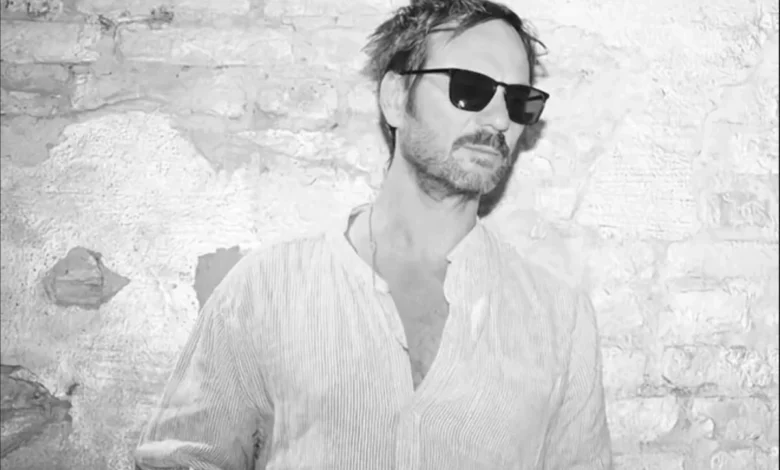
The global electronic music community is mourning the loss of Philipp Jung, a visionary DJ, producer, record label executive, and co-founder of the legendary house and techno outfit M.A.N.D.Y. Jung passed away at the age of 55, leaving behind an indelible mark on club culture, underground dance music production, and independent label management. As one-half of M.A.N.D.Y. alongside childhood friend Patrick Bodmer, Jung helped define the sound of European minimal house and tech-house during the late 1990s and 2000s. Beyond his output in the studio and behind the decks, his entrepreneurial spirit shaped the landscape of modern dance music through the establishment and stewardship of the influential Berlin-based imprint Get Physical Music, as well as its sister labels Kindisch and METAPHYSICAL.
News of his passing has prompted an outpouring of grief, tributes, and retrospectives from across the international music community, with peers, collaborators, and cultural institutions remembering him not only as a trailblazing artist, but as a warm, collaborative, and fiercely dedicated pillar of the electronic music ecosystem.
Main Facts and Career Overview
Philipp Jung’s impact on dance music spanned nearly three decades, characterized by an intuitive grasp of rhythm, melody, and community-building. Emerging during a transitional era for European club culture—as techno and house music evolved from underground warehouse phenomena into globally recognized art forms—Jung positioned himself at the vanguard of a warmer, more hypnotic aesthetic.
As a core member of M.A.N.D.Y., Jung helped pioneer a distinctive sonic identity that blended the precision of German minimal techno with the emotional warmth of classic Detroit house and organic percussion. The duo’s output resonated deeply with clubgoers from Berlin to Ibiza, Detroit, and Tokyo. Their trademark sound was defined by slinky basslines, infectious grooves, and an uncanny ability to read and manipulate the energy of late-night and early-morning dancefloors.
In addition to his artistic output as a producer and international touring DJ, Jung was a master curator and label executive. In 2002, he joined forces with Patrick Bodmer, DJ T. (Thomas Koch), and the members of Booka Shade (Walter Merziger and Arno Kammermeier) to launch Get Physical Music. Under Jung’s guidance, the label grew into a global powerhouse, serving as a launchpad for major international careers and releasing timeless club anthems that continue to shape the contemporary house and techno landscape.
Chronology and Evolution of an Artistic Journey
To understand Philipp Jung’s influence, it is essential to examine the trajectory of his career, which mirrored the commercial and artistic maturation of European electronic music over the last thirty years.
Formative Years and the Rise of M.A.N.D.Y.
Long before establishing themselves on the global stage, Jung and Patrick Bodmer grew up immersed in the burgeoning European club culture of the 1990s. The duo formed M.A.N.D.Y. (an acronym derived loosely from their names and mutual creative ethos) with a vision to inject more soul, groove, and narrative structure into the often sterile minimal techno landscape of the era.
Their early releases established their reputation as meticulous producers who favored emotional resonance over aggressive sonic onslaughts. However, it was their mid-2000s output that catapulted them into global superstardom. Tracks like "Tonite" became ubiquitous anthems in underground clubs worldwide, praised for their understated elegance and driving momentum.
The Creation of "Body Language" and Global Breakthrough
In 2005, M.A.N.D.Y. collaborated with fellow Get Physical co-founders Booka Shade to produce "Body Language." The track became a cultural phenomenon within electronic music. Featuring an instantly recognizable, infectious bassline and a sultry vocal hook, "Body Language" transcended the underground club circuit, capturing mainstream crossover appeal while retaining absolute credibility among elite DJs. The track dominated charts, soundtracked countless fashion shows and late-night afterparties, and cemented both M.A.N.D.Y. and Get Physical as heavyweights in the global dance music hierarchy.
Founding Get Physical Music (2002)
Recognizing the need for an independent platform that could champion their distinct artistic vision without corporate interference, Jung and his partners founded Get Physical Music in Berlin in 2002. The label quickly became synonymous with quality, serving as a bridge between the classic sounds of house and techno and the emerging European micro-house and minimal movements.
Get Physical cultivated a distinct visual and sonic identity, characterized by striking artwork, curated compilation series (such as the famed Body Language mix compilation franchise), and a roster that balanced established veterans with raw, unheralded talent.
Expanding the Musical Horizon: Kindisch and METAPHYSICAL
As Get Physical matured, Jung’s creative curiosities expanded. Recognizing that the main-stage club sound required a counterweight, he helped steer the creative direction of sister label Kindisch. Kindisch provided a home for deeper, more organic, hypnotic, and experimental sounds, catering to sunrise sets, intimate nomadic gatherings, and adventurous listeners.
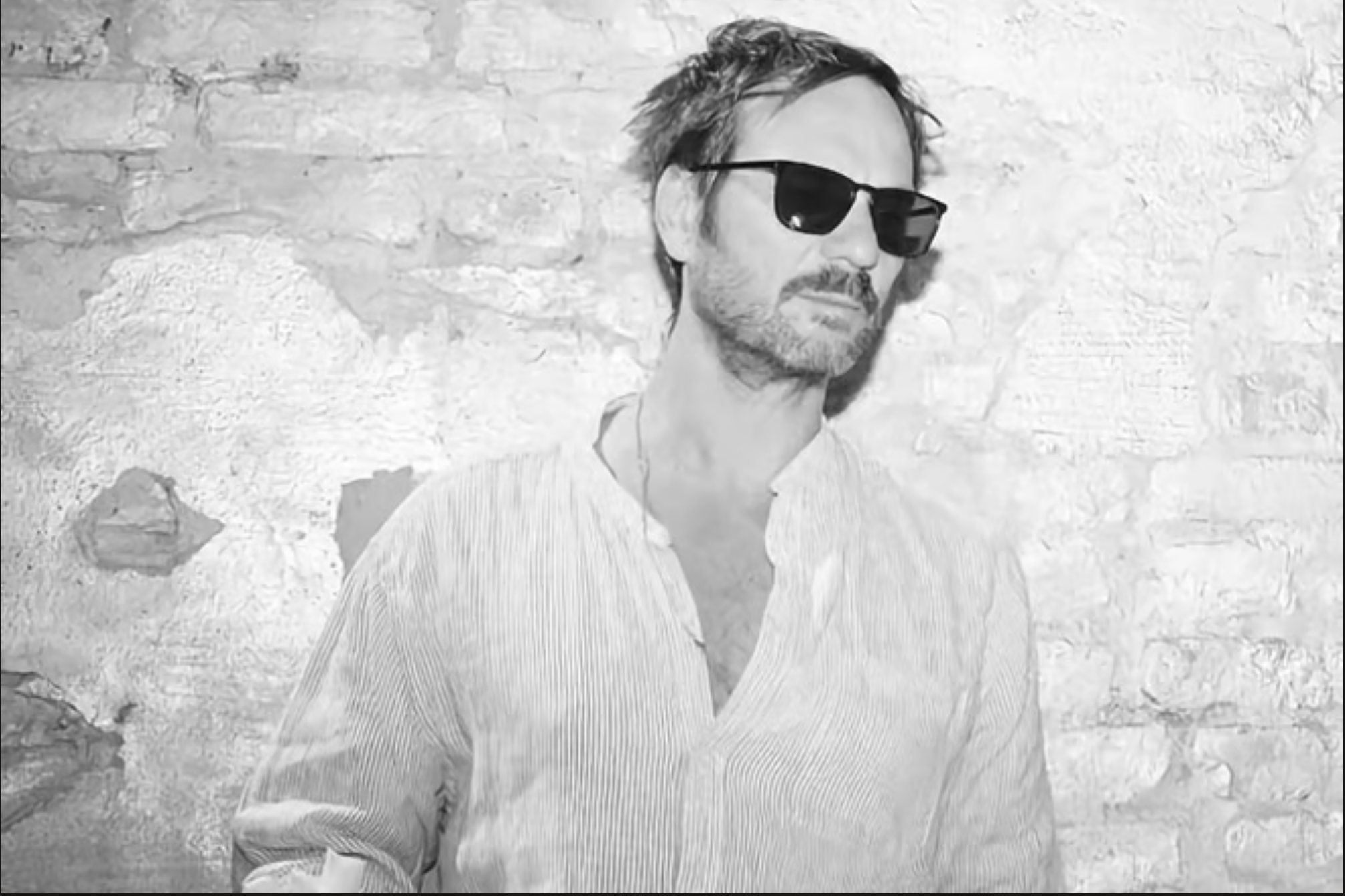
Years later, as his own lifestyle and artistic perspectives evolved, Jung launched METAPHYSICAL, an LP-focused imprint designed to explore territories outside the traditional four-to-the-floor club template. METAPHYSICAL allowed Jung and invited artists to experiment with indie-dance, lush ambient soundscapes, downtempo compositions, and expansive listening formats, proving his versatility as a curator beyond peak-time club utility.
Stepping Back from the Road and Later Chapters
By the late 2010s, the punishing physical and mental tolls of continuous international touring caught up with many artists of Jung’s generation. Around 2018, Jung made the conscious decision to step back from relentless touring with M.A.N.D.Y. to prioritize his health, focus on his family, and dedicate more energy to label management and archival catalog curation.
In recent years, Jung divided his time primarily between Berlin—the creative epicenter of his professional life—and Costa Rica, embracing a more grounded lifestyle. During this period, he spearheaded archival and retrospective projects, including the "Rewind Forward Vol. 1" catalog retrospective, ensuring that younger generations of listeners could trace the historical roots of the minimal and tech-house movements. He also maintained an active mentorship role, continuously championing emerging producers and helping them navigate the complexities of the modern music industry.
Industry Impact, Data, and Cultural Legacy
Philipp Jung’s legacy is written into the foundational fabric of modern European electronic music. While statistics and sales figures can quantify commercial success—such as millions of streams across platforms like Spotify and Beatport, and numerous charting releases on Resident Advisor and Billboard—his true data of influence lies in the enduring health of the institutions he built.
Get Physical Music has released hundreds of records over more than two decades, launching or elevating the careers of artists such as DJ Tennis, Heidi, Niconé, and numerous others, while providing a stable home for established acts. The label’s longevity in a notoriously volatile independent music market stands as a testament to Jung’s business acumen, aesthetic rigor, and steadfast commitment to artistic integrity.
Furthermore, M.A.N.D.Y.’s extensive touring history—spanning thousands of performances across legendary venues such as Panorama Bar (Berlin), DC-10 (Ibiza), Fabric (London), and major international festivals—helped shape the global festival and club circuit of the 2000s and 2010s. Jung was widely regarded by promoters and venue owners as a consummate professional who treated DJing not merely as an ego-driven performance, but as a shared communal journey with the audience.
Official Responses and Tributes from the Electronic Music Community
Following the announcement of his passing, the global electronic music community united in grief and remembrance. Social media feeds and music news outlets were quickly populated by heartfelt tributes from peers who worked alongside Jung.
Longtime collaborators, industry peers, and music publications—including Resident Advisor, which compiled an extensive archive of artist tributes—highlighted Jung’s warmth, generosity, and sharp wit. Staff and family members at XLR8R, who shared a close relationship with Jung throughout his career, expressed profound heartbreak, noting his unwavering support for independent music journalism and his collaborative spirit.
Co-founders from Get Physical and allied labels remembered Jung as the emotional anchor and creative compass of their collective endeavors. Colleagues noted that his infectious laughter, critical ear, and diplomatic approach were vital in holding together a partnership of strong-willed creative minds for over twenty years. Prominent DJs and producers echoed these sentiments, pointing out that Jung was exceptionally generous with his time, often spending hours listening to demo tracks from unknown producers and offering constructive, encouraging feedback.
Broader Implications and Future Outlook
The loss of Philipp Jung marks another poignant milestone for a generation of artists who built the modern independent electronic music infrastructure of the late 20th and early 21st centuries. As electronic music faces hyper-commercialization, algorithmic curation, and the rapid digitization of club culture, the passing of figures like Jung serves as a stark reminder of the human, community-driven roots upon which the global dance music scene was founded.
Jung’s work demonstrates the value of patience, artistic evolution, and community building over fleeting commercial trends. By transitioning from peak-time club destroyer to thoughtful curator, archivist, and mentor, he provided a blueprint for how underground artists can gracefully mature within a youth-obsessed culture without losing their edge.
While Philipp Jung is no longer with us, his sonic footprint remains permanently embedded in the DNA of contemporary house and techno. Through the timeless catalog of Get Physical Music, the ongoing legacy of M.A.N.D.Y., and the countless artists he mentored, inspired, and championed throughout his remarkable life, Jung’s spirit will continue to resonate across dancefloors and sound systems around the world for generations to come.