Social Distortion Kill It with Descendents and The Chats in Brooklyn: Review, Photos, Video + Setlist

A combined 95 years of California punk rock history converged on the Brooklyn Paramount this past Saturday, September 12th, as Social Distortion, the Descendents, and The Chats delivered a definitive showcase of the genre’s evolution. The event marked the second of a two-night residency in New York, drawing a diverse crowd that spanned multiple generations of punk enthusiasts, from the original hardcore pioneers of the early 1980s to the modern wave of Australian skate-punk listeners.
A Chronology of the Evening
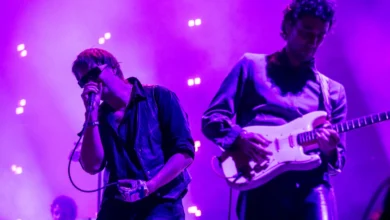
The night’s festivities began promptly at 7:00 p.m. with an explosive set from The Chats. The Australian outfit, known for their rapid-fire, high-octane brand of pub-punk, wasted no time engaging the audience. Drawing heavily from their two primary studio efforts—2020’s High Risk Behaviour and 2022’s Get Fucked—the band established a frantic pace that set the tone for the remainder of the evening. Their inclusion on the bill serves as a testament to the enduring influence of the headliners, demonstrating how the "fast and loud" ethos of the 1980s remains a primary influence for contemporary acts.
At 8:00 p.m., the Descendents took the stage, effectively transitioning the audience into the melodic hardcore era. Frontman Milo Aukerman, a figurehead of the genre, led the band through a tight, surgical set. In less than 50 minutes, the group executed approximately 25 songs, focusing on their seminal 1982 debut, Milo Goes to College, and their 1996 comeback record, Everything Sucks. The performance served as a career retrospective, highlighting the band’s ability to maintain technical precision while delivering the emotional resonance that defined the South Bay punk scene.
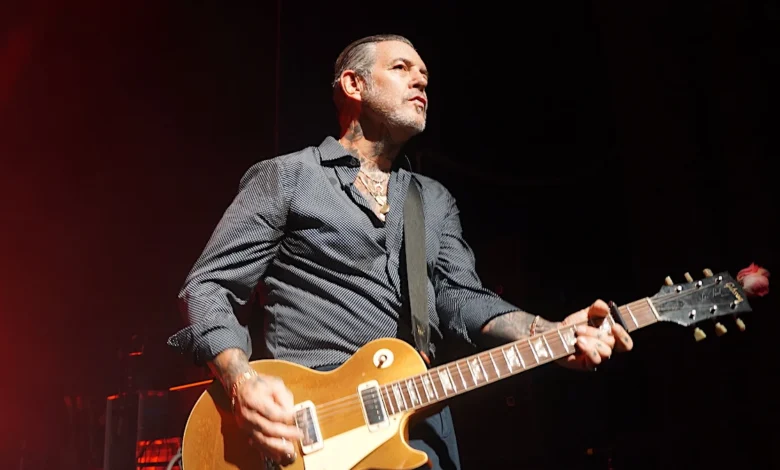
The final act, Social Distortion, ascended to the stage at 9:15 p.m. Led by Mike Ness, the band’s appearance carried significant weight. Ness, who has been vocal about his successful recovery following a 2023 tonsil cancer diagnosis, commanded the stage with a renewed intensity that resonated throughout the Brooklyn Paramount.
The Evolution of Social Distortion’s Sound
Social Distortion’s setlist provided a comprehensive look at the band’s 45-year tenure. Opening with "Born to Kill," the title track from their first studio album in 15 years, the band signaled that while they honor their history, they remain a creative, forward-moving entity. The inclusion of their iconic cover of Johnny Cash’s "Ring of Fire" underscored the band’s long-standing commitment to American roots music—a stylistic departure that initially alienated some hardcore purists in the mid-1980s but eventually cemented their status as pioneers of the cowpunk and punk-rockabilly fusion.
A notable feature of the current tour is the integration of a dynamic video backdrop. This visual element functions as a multimedia archive, projecting historical footage and thematic imagery that corresponds to specific tracks. By framing their performance with this visual narrative, the band provided a tangible history of their evolution, effectively bridging the gap between their early, aggressive work and their later, more melodic compositions.
Historical Context and Artistic Philosophy
During a pivotal moment in the performance, Mike Ness took the time to address the audience regarding the band’s mid-career pivot. Reflecting on the writing process for their gold-certified 1990 self-titled album, Ness articulated the struggle of finding a distinct identity within a rigid subculture.
"Punk had changed by the mid-80s, and there was a lot of us who didn’t know where we fit, so we had to make the hard left, and carve out our own sound," Ness noted. He emphasized the friction he experienced when attempting to merge American roots music with the energy of punk. At the time, he admitted, he was uncertain if the material would find an audience, as it lacked the stereotypical markers of hardcore or heavy metal. His comments reflect a broader industry realization: the longevity of a band often relies on the ability to disregard genre constraints and prioritize an authentic, hybridized sound.
Statistical Significance of the Tour
The current tour, which concludes on October 3rd in San Diego, is statistically significant for several reasons. First, it marks the return of Mike Ness to the road after a period of health-related inactivity, signaling the stabilization of the band’s long-term touring schedule. Second, the pairing of Social Distortion with the Descendents—two titans of the California scene—represents a high-value concert package that maximizes the reach of both fanbases.
The Descendents’ set, which averaged roughly two minutes per song, serves as a masterclass in efficiency, a hallmark of their early 80s hardcore roots. By contrast, Social Distortion’s set demonstrated the structural complexity that characterizes their later work, incorporating more mid-tempo, blues-influenced arrangements.
Impact and Legacy
The two-night stand at the Brooklyn Paramount illustrates the continued commercial viability of classic punk acts. Despite the passage of decades, the fan base for these artists remains robust. The demographic at the Brooklyn show was noticeably broad, suggesting that the influence of bands like Social Distortion has successfully permeated younger generations.
Furthermore, the band’s decision to perform "Prison Bound"—a 1988 track that had not been featured in their setlist earlier this year—indicates a desire to reward long-term fans while maintaining the freshness of the current tour. This strategy, combined with the integration of new material, suggests that Social Distortion is currently in a state of creative revitalization.
Broader Implications for the Genre
The success of this tour raises questions regarding the future of the classic punk circuit. As the original architects of the movement reach their mid-60s, the focus has shifted toward institutional preservation and the curation of a "legacy" sound. The use of high-definition video backdrops and the deliberate curation of setlists that span four decades are indicative of a professionalization of the punk concert experience.
While some critics of the genre might argue that such production elements soften the "raw" aesthetic of punk, the audience reaction in Brooklyn suggests otherwise. The crowd’s engagement with both the classic material and the newer compositions suggests that the audience values the band’s evolution. By refusing to be "put in a box," as Ness phrased it, Social Distortion has secured a rare longevity that allows them to sell out historic venues like the Brooklyn Paramount while still attracting new listeners.
Concluding Remarks on the Setlist
The encore, consisting of "Reach for the Sky," "Bad Luck," and the definitive closer "Don’t Drag Me Down," served as the final exclamation point on an evening that defined the current state of California punk. It was a performance that acknowledged the past—through the inclusion of "The Creeps" and "Mommy’s Little Monster"—while affirming the band’s ongoing relevance in the current musical landscape.
As the tour moves toward its conclusion in Southern California, the residency at the Brooklyn Paramount will likely be remembered as a high-water mark for the band’s return to form. The integration of legacy hits with a willingness to experiment with visual storytelling has provided a blueprint for how legacy acts can navigate the modern touring environment while maintaining the integrity of their roots. For the fans in attendance, the night was a confirmation that the spirit of the 1980s underground remains alive, evolving alongside its creators.