Platten der Woche: A Comprehensive Overview of Current Electronic Music Releases and Trends

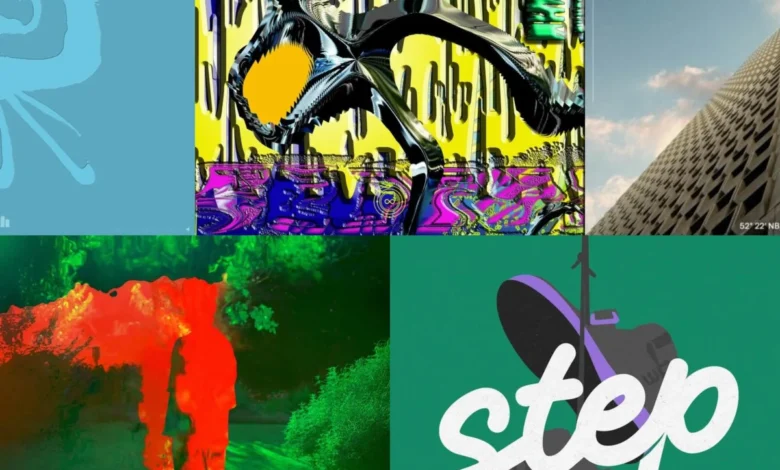
The current landscape of electronic music continues to exhibit a profound synthesis of regional heritage and global experimentation. As producers move beyond the constraints of genre-specific silos, the latest slate of releases—featuring contributions from DJ Godfather, Main Phase, Musuama, Nachtbraker, and Nathan Fake—underscores a shift toward hybridity. This report analyzes these five significant releases, contextualizing their production styles within the broader evolution of dance music, from Detroit’s rhythmic aggression to the experimental frontiers of South American and European electronic scenes.
DJ Godfather: Defying the Disruption of Modern Minimalism
Detroit’s own DJ Godfather has returned with his latest EP, Step, released via the Databass label. In an era where electronic music discourse is frequently bogged down by over-intellectualization and the homogenization of club aesthetics—often critiqued as the "laptop cafe" aesthetic—Godfather offers a recalibration of intensity.
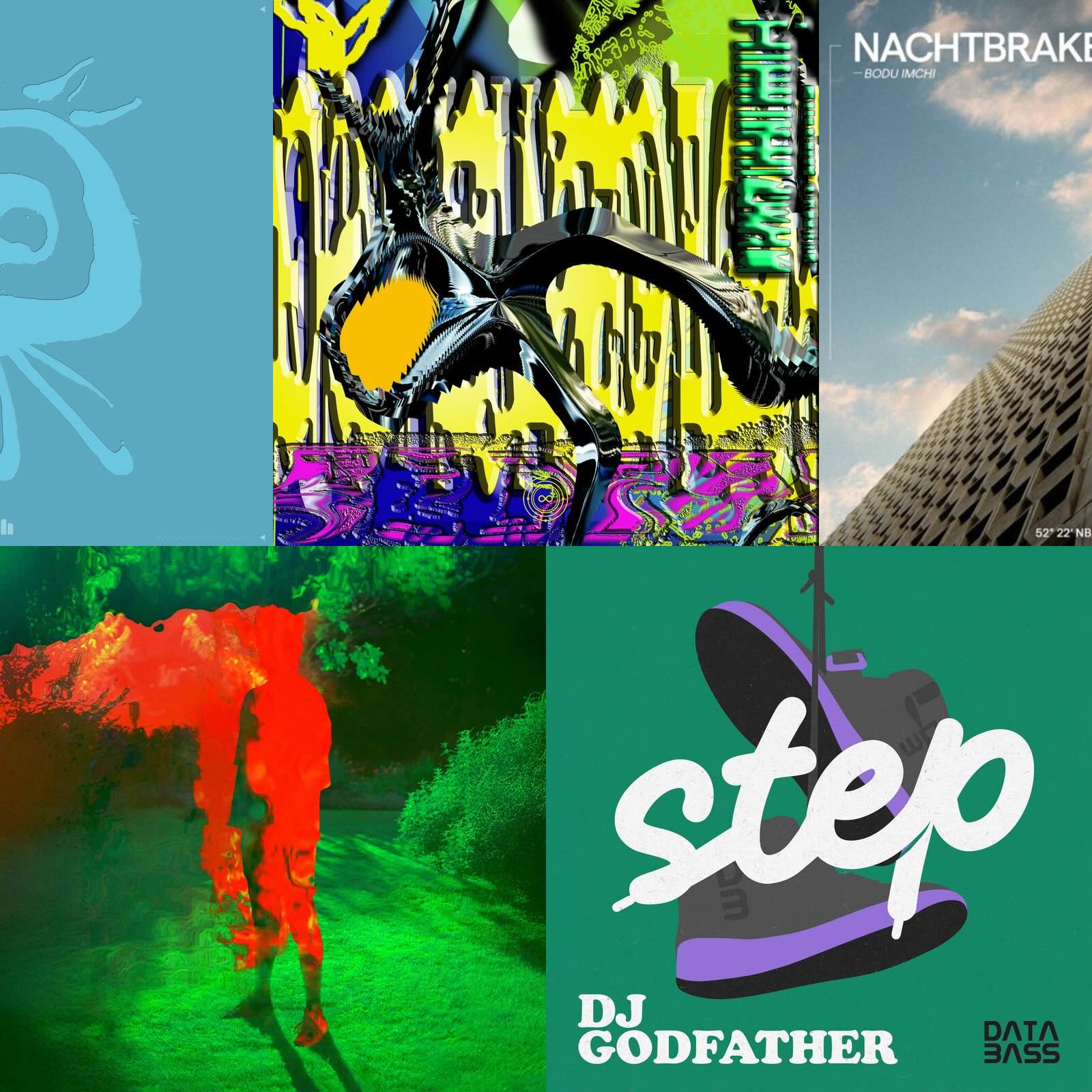
Step serves as a deliberate homage to the "Motor City Hustle," drawing heavily from the foundational aesthetics of Detroit ghetto tech and Chicago booty bass. By utilizing sharp snare rolls and aggressive, stripped-back percussion, Godfather eschews the polished, sanitized soundscapes common in contemporary commercial techno. Industry analysts suggest that this return to raw, high-BPM functionality is a reaction to the stagnation of mid-tempo, atmospheric club tracks. By maintaining a focus on kinetic energy, the EP provides a necessary antithesis to the hyper-conceptualized, low-impact music currently dominating certain metropolitan scenes.
Main Phase: The Convergence of UK Garage and Global Rhythms
The Copenhagen-based producer Main Phase continues his trajectory as a pivotal figure in the cross-pollination of UK Garage (UKG), House, and Techno. With the release of his Chosen One EP on the London-based imprint Nervous Horizon, Main Phase explores the fluidity between disparate dance music lineages.
The EP’s structure is indicative of a broader trend: the integration of traditional UKG rhythmic swing with the percussive complexity of Amapiano and the deep, dub-infused sensibilities of Caribbean sound system culture.

Key Tracks and Stylistic Evolution
- "Creep into my Mind": This track functions as a synthesis of classic UKG vocal samples and high-energy, house-oriented percussion. Its reliance on crisp claps and bongo-driven rhythms highlights the producer’s mastery of the "swing" aesthetic.
- "Chosen One" (Title Track): A departure into atmospheric territory, the track utilizes heavy dub basslines, demonstrating a willingness to prioritize sonic depth over purely functional dancefloor mechanics.
- "Take Time": Featuring London MC Logan, this track serves as a case study in modern collaboration. By merging Jungle-inspired breakbeats with the melodic warmth of Amapiano, the track captures the current industry appetite for globalized electronic sounds.
Musuama: Redefining the Brazilian Electronic Narrative
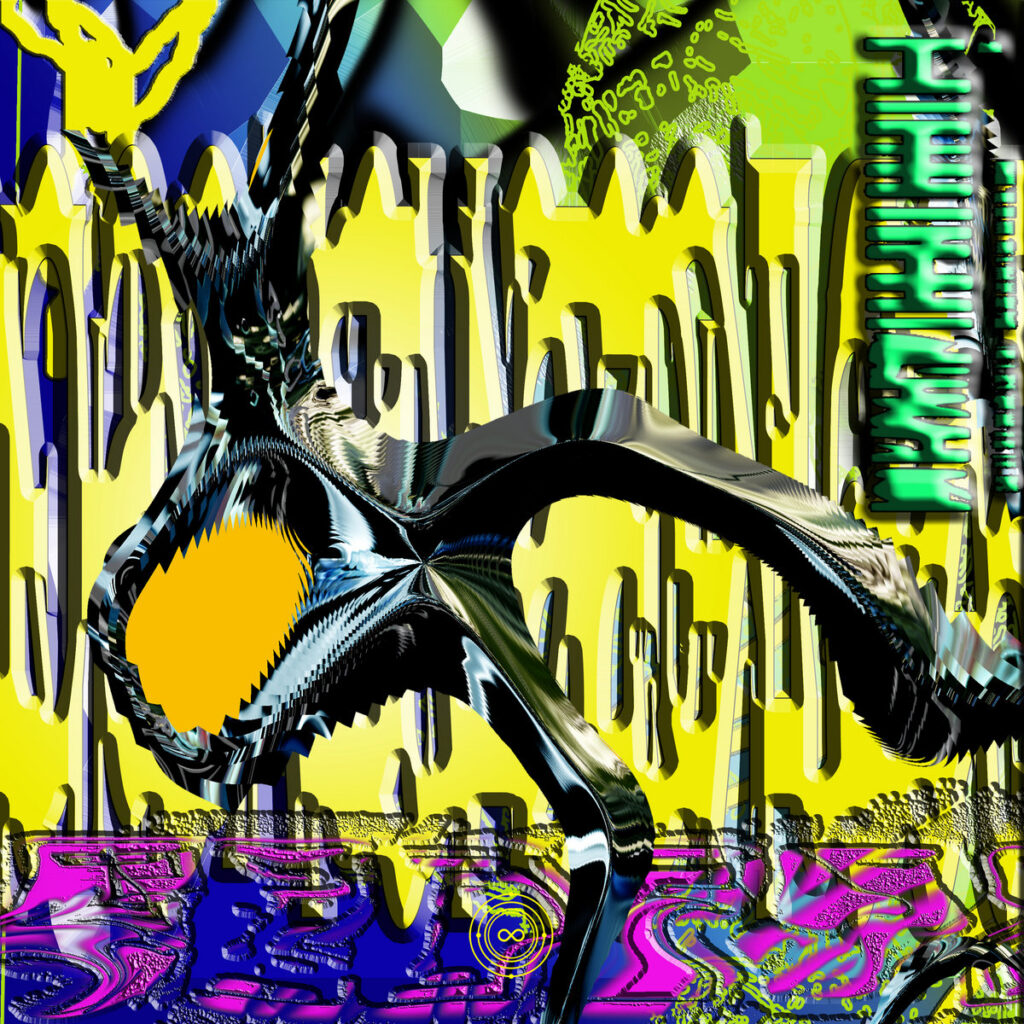
The release of Sambaqui by Musuama on Infinite Machine marks a significant moment for the South American electronic scene. While international markets have recently seen an influx of interest in classic Brazilian jazz, Bossa Nova, and MPB (Música Popular Brasileira), Musuama consciously moves away from these "exoticized" tropes.
Instead, the EP centers on the intersection of traditional Yoruba drumming and contemporary, bass-heavy production. By incorporating broken beats that mirror the intensity of London’s underground scene, Musuama challenges the perception that Brazilian electronic music must adhere to a "pleasing" or "tropical" aesthetic.
From a musicological perspective, the Sambaqui EP represents a "de-colonial" approach to electronic production, where the artist utilizes regional rhythmic heritage as a foundation for aggressive, experimental sound design rather than as a decorative element. This marks a maturing of the Brazilian export market, suggesting a future where regional identity is expressed through structural complexity rather than superficial cultural signifiers.

Nachtbraker: The Resilience of Peaktime House
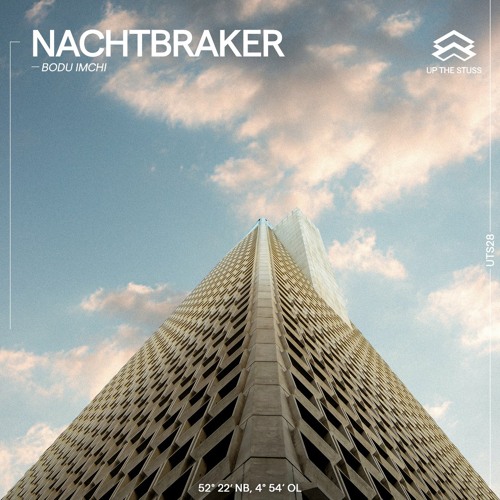
Maurits Verwoerd, known professionally as Nachtbraker, returns with the Bodu Imchi EP, released on the label Up The Stuss. As an artist who has cultivated a distinct identity across labels such as Peach Discs and Heist Recordings, Verwoerd’s latest work provides a snapshot of the current state of House music production.
The EP is notable for its refusal to lean into the minimalism that has characterized the post-pandemic club era. Instead, Nachtbraker opts for "peaktime" energy, utilizing complex, syncopated melodies that challenge the dancer’s focus. The tracks "Ompo" and "Bathing" serve as structural bookends, with the latter accelerating in tempo to meet the demands of a high-intensity club environment. The success of this EP serves as empirical evidence that, despite the proliferation of sub-genres, the traditional House music framework remains a highly adaptable vehicle for innovation.
Nathan Fake: Abstract Melodics and Sound Aesthetics
British producer Nathan Fake has long been recognized for his defiance of standard genre definitions. Since his 2004 breakout track "The Sky Was Pink," Fake has navigated the space between Electronica and Techno. His new EP, Caldera, released via the Infiné label, further refines this approach.
Production Analysis of Caldera
The EP presents a juxtaposition of two distinct sonic philosophies:
- Rhythmic Unpredictability: Tracks like the title track, "Caldera," and "Gonggong" utilize jagged, irregular percussion and metallic textures to create a sense of unease. This reflects a post-industrial aesthetic that has regained traction in European electronic circles.
- Meditative Minimalism: In contrast, "Palau" offers a departure from the rhythmic assault, focusing on piano-driven melodic loops. This duality is characteristic of Fake’s discography and underscores his role in bridging the gap between "home-listening" IDM (Intelligent Dance Music) and club-ready Techno.
The implication of this release is clear: the market for "complex" electronic music is expanding. As listeners move away from the predictability of loop-based music, producers like Nathan Fake are finding new audiences by reintroducing emotional and structural complexity into the electronic fold.
Industry Implications and Future Outlook
The collective trajectory of these five releases suggests a significant shift in the electronic music industry. We are observing a departure from the homogenized "playlist-friendly" sounds that dominated the late 2010s in favor of more regional, abrasive, and structurally intricate compositions.
Data-Driven Trends:
- Genre-Bending: The integration of UKG, Jungle, and Amapiano (as seen in Main Phase’s work) is now the industry standard for innovation.
- Regional Autonomy: Artists from Brazil and elsewhere are increasingly comfortable rejecting international expectations of their national sound, as evidenced by Musuama’s rejection of Bossa Nova tropes.
- Rhythmic Complexity: The return to irregular, broken, and high-tempo percussion (Godfather, Fake) signals a shift in club culture toward more demanding, physical performance spaces.
As these artists continue to influence the broader scene, the coming year is likely to see an increase in labels prioritizing "niche-global" sounds—productions that are deeply rooted in local rhythmic traditions but engineered for the globalized, digital dancefloor. For stakeholders in the music industry, these developments represent a move away from the "disruptive" but ultimately shallow trends of recent years, favoring a return to technical proficiency and artistic authenticity.
The success of these EPs in both critical and club settings serves as a bellwether for the industry. Whether through the relentless pace of Detroit techno or the nuanced, meditative textures of British electronica, the message is consistent: electronic music is currently in a phase of robust, polycentric growth, where the only prevailing trend is the refusal to remain stagnant.