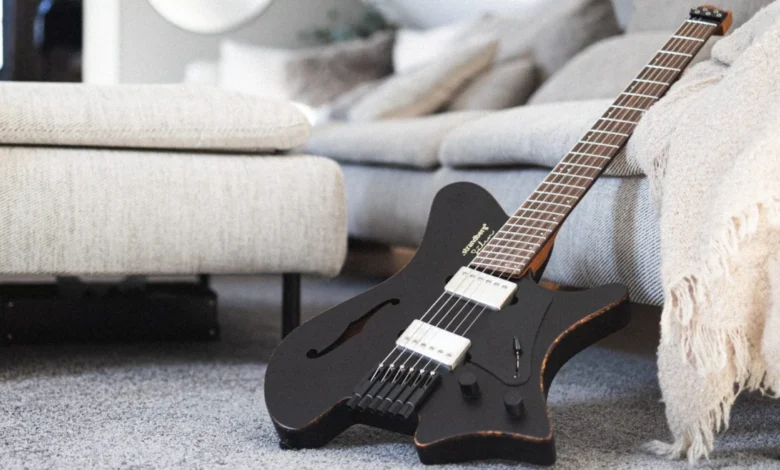
Headless electric guitars, once viewed as radical novelties of the 1980s avant-garde, have firmly transitioned into the mainstream consciousness of modern musicians. Though their stark, truncated silhouettes continue to invite debate regarding their unconventional aesthetics, the functional engineering driving these instruments offers undeniable ergonomic and acoustic advantages. By eliminating the traditional headstock, manufacturers have fundamentally altered weight distribution, resolved longstanding neck-dive issues, and achieved unprecedented levels of tuning stability. As progressive rock, fusion, and modern metal players demand greater agility and comfort from their instruments, the market has responded with an array of models catering to every budget and playing style.

An Evolution in Functional Design and Ergonomics
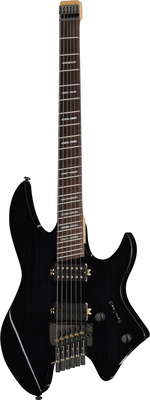
The defining characteristic of any headless electric guitar is the complete absence of a headstock. This seemingly simple structural omission yields profound physical consequences for the player. Traditional electric guitars frequently suffer from neck-dive, a phenomenon where the heavier headstock pulls the instrument downward, forcing the player’s fretting hand to expend unnecessary energy supporting the neck. By removing this mass, headless designs achieve a neutral, balanced center of gravity. This dramatic reduction in top-end weight significantly diminishes physical strain on the shoulder and cervical spine, making long recording sessions and high-energy live performances far more sustainable.

Furthermore, the compact footprint of a headless guitar alters the physical relationship between the musician and the fretboard. Without a protruding headstock, players can navigate the higher registers with absolute freedom, a benefit particularly valued in complex, technically demanding genres such as progressive rock, technical death metal, and modern jazz fusion. Innovations like Ola Strandberg’s patented EndurNeck profile further optimize this ergonomic efficiency. By utilizing a multi-sided, trapezoidal shape rather than a traditional round profile, these ergonomic necks encourage a natural, relaxed wrist posture, effectively mitigating the risk of repetitive strain injuries during extended periods of rigorous practice.
Engineering the Bridge: Relocating the Tuning Mechanism
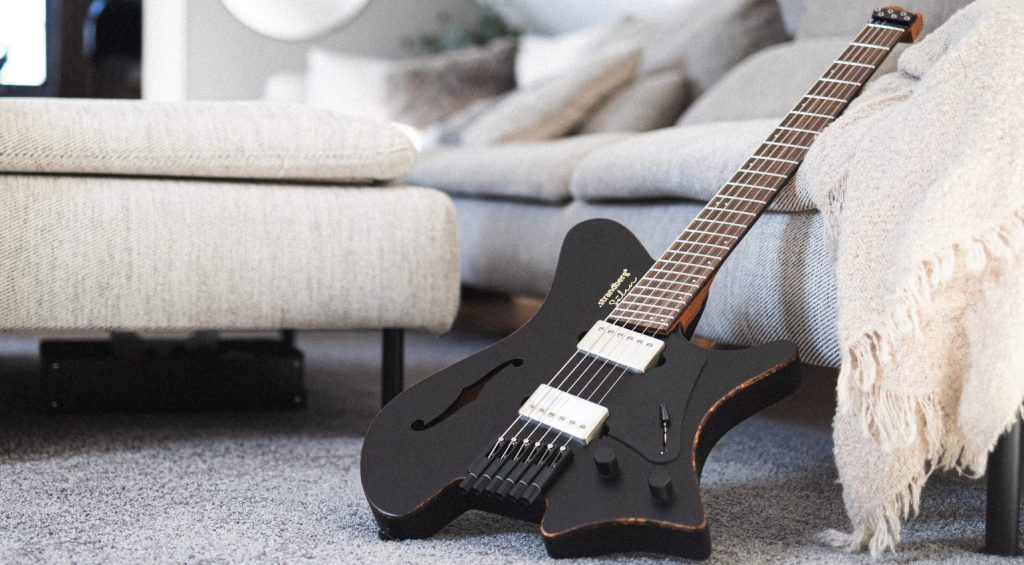
Moving the tuning apparatus away from the headstock presented early designers with a formidable engineering challenge. In modern headless guitars, tuning pegs and string-locking mechanisms are integrated directly into the bridge assembly. This centralized relocation requires precision manufacturing to ensure that string tension can be adjusted smoothly and accurately.
Contemporary hardware systems developed by pioneering brands provide exceptional structural integrity. Because the string length is confined entirely between the locking nut and the bridge saddle, variables such as friction at a traditional nut are virtually eliminated. Consequently, these instruments exhibit superior tuning stability, maintaining their pitch through aggressive string bending, heavy tremolo use, and significant fluctuations in ambient temperature and humidity.

Navigating the Market: The Best Headless Guitars Available Today
Evaluating the current landscape of headless guitars reveals a diverse spectrum of options, ranging from ultra-portable travel companions to sophisticated, multi-scale professional workhorses.
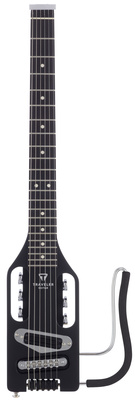
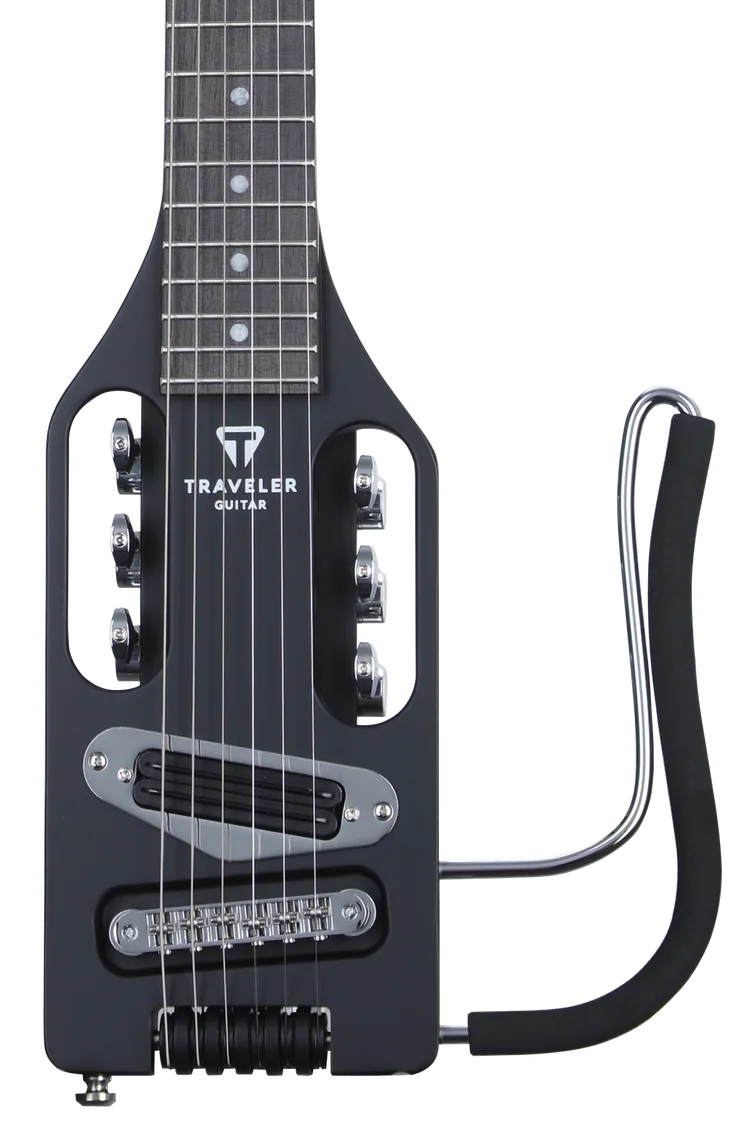
Traveler Guitar Electric Ultra Light Black: Best Entry-Level Headless Guitar
For musicians requiring absolute portability without sacrificing the core utility of a headless design, the Traveler Guitar Electric Ultra Light Black stands out as an accessible entry point. Weighing in at a fraction of a standard solid-body electric and featuring a compact 24.7-inch scale length, this instrument strips away extraneous material to prioritize mobility. While purists may debate whether its minimalist frame constitutes a true headless guitar in the classical sense, its lack of a headstock and budget-friendly price point make it an ideal practice tool for touring professionals and frequent flyers.
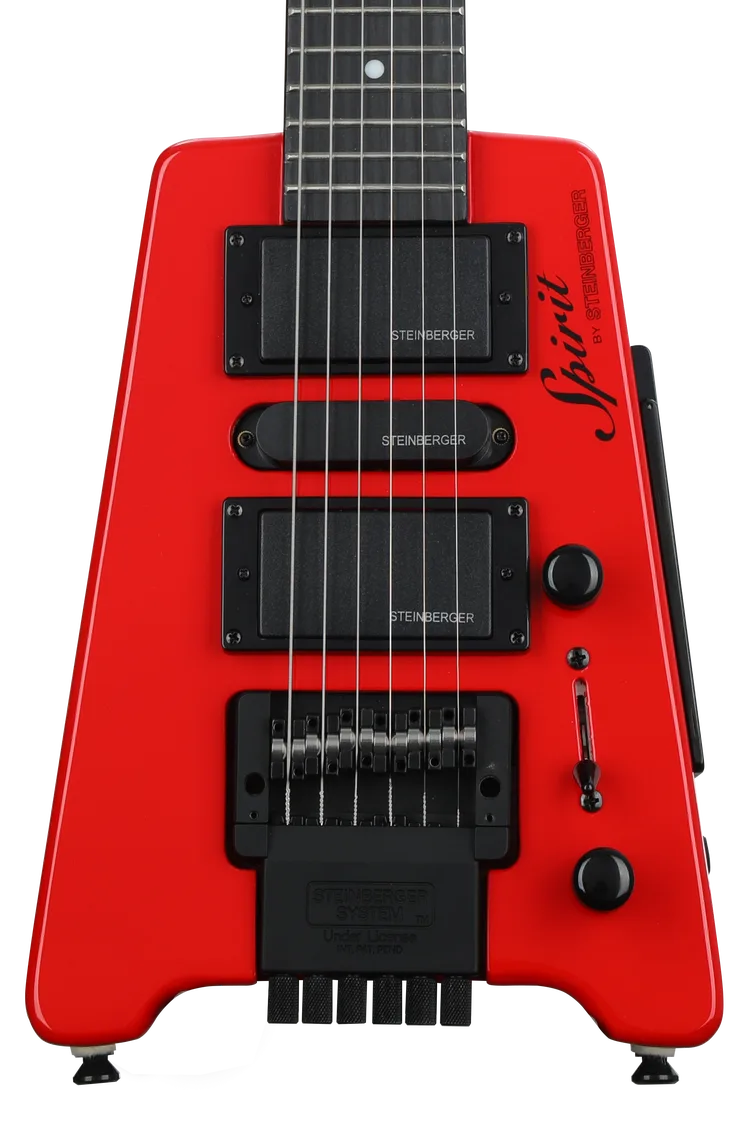
Steinberger Spirit GT-Pro Deluxe Black: Best Vintage Headless Guitar
No discussion of headless instruments is complete without acknowledging Ned Steinberger’s revolutionary contributions to guitar design. The Steinberger Spirit GT-Pro Deluxe embodies the classic 1980s aesthetic that first popularized the concept. Featuring a distinctive paddle-style body and proprietary hardware, the GT-Pro offers an authentic vintage experience. While its unconventional geometry requires a brief adjustment period for players accustomed to traditional single-cutaway or double-cutaway bodies, its compact scale and robust construction reward the user with relentless tuning stability and a focused, punchy tone.

Mooer GTRS Wing 900: Best Modern Headless Guitar
Merging traditional lutherie with cutting-edge digital technology, the Mooer GTRS Wing 900 represents the vanguard of smart guitar integration. Designed for the technologically inclined musician, this modern instrument features the proprietary GTRS Intelligent Process System. Built directly into the guitar’s architecture, this system provides comprehensive tone-modeling capabilities, selectable presets, wireless app control, and a dedicated headphone output. With access to numerous instrument simulations and onboard digital effects, the Wing 900 functions as a self-contained recording and practice rig.
Larry Carlton X6 Headless 6: Best Value Headless Guitar
Sire’s collaborative ventures have consistently disrupted the mid-range instrument market by offering professional-grade specifications at competitive price points, and the Larry Carlton X6 Headless 6 is no exception. Developed in partnership with the legendary fusion guitarist, this model delivers exceptional value. Equipped with dual humbuckers, a versatile five-way switching system featuring coil-splitting capabilities, and a robust tremolo bridge, the X6 bridges the gap between traditional tonal warmth and modern ergonomic design, leaving few mid-range competitors in its wake.
Strandberg Boden Essential 6: Best Midrange Headless Guitar
While Strandberg occupies the upper echelons of the custom and high-end production market, the Boden Essential 6 series successfully democratizes the brand’s signature design philosophy. By retaining core ergonomic features such as the aforementioned EndurNeck profile and lightweight chambered body construction, the Boden Essential 6 offers the distinct feel and sonic clarity of a premium Strandberg instrument at a significantly more accessible price point for intermediate and professional players alike.

Ibanez Q54 BKF: Most Versatile Headless Guitar
Industry giant Ibanez brings its decades of manufacturing expertise to the headless market with the Q54 BKF. Weighing just over two kilograms, this featherlight instrument is tailored for speed and versatility. Outfitted with 24 jumbo stainless-steel frets and a slick Wizard C-profile neck, the Q54 accommodates a wide spectrum of playing techniques. Its sonic flexibility and effortless playability make it an equally attractive option for contemporary rock rhythm players, shredders, and fusion soloists.
Strandberg Sälen Jazz NX Natural: Best Premium Headless Guitar
At the apex of the market sits the Strandberg Sälen Jazz NX Natural, an instrument that exemplifies uncompromising craftsmanship. Featuring custom-wound Häussel Jazz pickups, this model produces a warm, articulate, and nuanced tone that effortlessly navigates complex chord voicings and single-note passages alike. The inclusion of multi-scale, fan-fret stainless-steel hardware ensures immaculate intonation across the entire fingerboard. Its feather-light weight and peerless acoustic balance make it the ultimate choice for professional performers and studio musicians requiring maximum endurance during exhaustive sessions.

Frequently Asked Questions Regarding Headless Guitars
Do headless guitars require special strings?
The vast majority of modern headless guitars utilize standard single-ball guitar strings. Instead of anchoring the ball-end at a traditional headstock, the string is pulled through the bridge, locked at the nut or zero-fret, and cut to length at the tuning mechanism. A small subset of vintage instruments, specifically older Steinberger models, do require double-ball-end strings, though modern conversion kits and bridges have largely rendered this requirement optional.
Are headless guitars suitable for beginners?
From an ergonomic standpoint, headless guitars are exceptionally well-suited for beginners. Their reduced weight and balanced distribution prevent fatigue, while shorter overall lengths make them easier to handle for younger or smaller players. Furthermore, the bridge-mounted tuning systems often simplify the string-changing process. However, beginners should consider resale liquidity; traditional body shapes remain significantly easier to liquidate on the secondhand market should a student decide to discontinue playing.
Is a multi-scale headless guitar worth the investment?
Multi-scale or fanned-fret systems are engineered to optimize string tension across the instrument. For musicians utilizing drop tunings, extended-range seven-string, or eight-string configurations, a multi-scale design provides vastly superior intonation and string tension consistency. For standard tuning on a traditional six-string instrument, the functional benefits of a fanned fretboard are largely marginal, making it primarily a matter of personal preference regarding wrist angles and fretting hand ergonomics.