Ukrainian DJ Nastia boycotts United States performances in protest of shifting geopolitical policies regarding the war in Ukraine

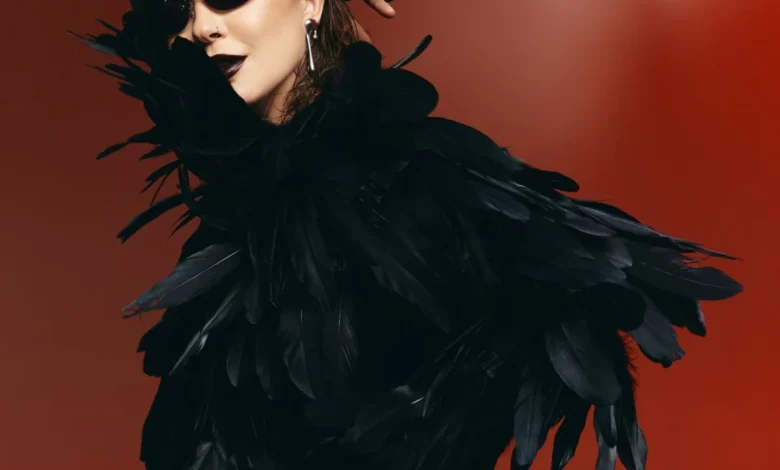
The renowned Ukrainian techno artist Nastia, a prominent figure in the global electronic music scene, has officially announced her decision to cancel all upcoming performances in the United States. This move, communicated via her social media channels, serves as a protest against the evolving foreign policy of the incoming U.S. administration. Nastia has declared that she will not accept any new bookings within the country until a fundamental shift in the American approach to the ongoing Russo-Ukrainian War occurs. Her decision marks a significant intersection of international diplomacy and the global arts community, highlighting the increasing pressure on public figures to take political stances in the face of sustained military aggression.
The Rationale Behind the Boycott
Nastia’s decision is rooted in deep concerns regarding recent signals from the Trump administration concerning the economic and military support provided to Kyiv. In her public statement, the artist explicitly cited the potential for a relaxation of economic sanctions against the Russian Federation. She argued that such a policy shift could facilitate energy deals that directly benefit the Russian state, effectively providing the financial resources necessary to sustain its ongoing military campaign.
Furthermore, the artist expressed alarm over reports that the U.S. might limit the transfer of critical military technology to Ukraine. For Nastia, these developments are not merely abstract political maneuvers but existential threats to her homeland. "My country is fighting for its existence. Ukrainian people are being killed, our cities are being destroyed, and our future is threatened every single day," she wrote in her statement. "I cannot simply go on with business as usual while political decisions are being made that weaken Ukraine’s ability to defend itself."
Crucially, Nastia clarified that her boycott is not directed at the American public, festival organizers, or the broader U.S. electronic music community. She expressed deep gratitude for the support she has received from American fans throughout her career. However, she emphasized that in an environment where she feels compelled to act, she must exercise agency over where she lends her presence and labor.
A History of Political Activism in Electronic Music
Nastia’s decision to pull out of the U.S. market is consistent with her track record of vocal activism since the full-scale invasion of Ukraine began in February 2022. The artist has been a tireless advocate for her country, frequently utilizing her platform to raise awareness and funds. Notably, in 2022, she pledged 50 percent of her tour earnings to various Ukrainian humanitarian organizations, a move that set a precedent for other artists in the techno scene to follow.
This is not the first time the DJ has taken a stand that disrupted her own professional trajectory. In June 2022, she made headlines when she withdrew from a scheduled appearance at the prestigious Awakenings Festival in the Netherlands. Her reason was the festival’s decision to book her alongside the Russian DJ Nina Kraviz. At the time, Nastia argued that the continued inclusion of Russian artists who failed to explicitly distance themselves from the Kremlin’s actions normalized the ongoing violence.
The case of Nina Kraviz became a flashpoint in the electronic music world. While many artists faced pressure to denounce the war, Kraviz’s response—a brief social media post stating she was "praying for peace"—was widely criticized by Ukrainian artists and activists as insufficient. The ensuing controversy led to several cancellations for Kraviz, sparking a fierce debate about whether musicians should be held accountable for the geopolitical actions of their home nations.
The Broader Context: Politics and the Dance Floor
The electronic music industry has found itself at the epicenter of cultural tensions since the escalation of the conflict. The dance floor, often viewed as a space of escapism and unity, has become a site of intense political scrutiny. This trend is further evidenced by recent events at major industry gatherings. For instance, at the 2024 Amsterdam Dance Event (ADE), the Russian DJ Alexander Komarov was removed from the program following allegations that he had threatened a Ukrainian colleague. Such incidents underscore the friction between the industry’s ideal of "music above politics" and the harsh reality of a war that has polarized the international community.
The economic implications of these boycotts are significant. For international touring artists, the U.S. market represents a substantial portion of their income and professional visibility. By voluntarily removing herself from this market, Nastia is incurring a direct financial loss. However, her stance reflects a growing trend among Ukrainian artists who view their international appearances as opportunities to hold the global community accountable for the support—or lack thereof—provided to their country.
Analytical Implications of the Decision
Nastia’s boycott highlights a growing divide between artists who prioritize neutrality and those who view their public profile as a vehicle for political advocacy. From a geopolitical perspective, the U.S. policy towards Ukraine remains a pivot point for the stability of the entire region. The "America First" rhetoric often associated with the Trump administration’s foreign policy framework suggests a potential reduction in the financial and military aid that has been a lifeline for the Ukrainian Armed Forces.
If other prominent artists follow in Nastia’s footsteps, the international touring circuit could face a period of significant fragmentation. Promoters and venue owners in the U.S. may find themselves caught in the middle of these political disputes, forcing them to weigh the risks of booking artists who are vocal about their geopolitical stances against the risk of alienating their audiences.
Furthermore, the "Nastia precedent" challenges the notion that the music industry can remain insulated from the fallout of global conflict. Her statement suggests that the era of "apolitical" performance is ending for many artists, particularly those whose nations are in the midst of existential crises. As the war in Ukraine persists, the pressure on institutions and artists to take a definitive side is only likely to intensify.
Chronology of Events and Escalations
- February 2022: Full-scale invasion of Ukraine by the Russian Federation.
- May 2022: Nina Kraviz faces multiple show cancellations following criticism regarding her stance on the war.
- June 2022: Nastia cancels her performance at the Awakenings Festival, citing the booking of artists who did not distance themselves from the Kremlin.
- 2022–2023: Nastia channels 50 percent of her touring revenue toward humanitarian aid for Ukraine.
- October 2024: During the Amsterdam Dance Event, DJ Alexander Komarov is removed from the lineup following reports of threatening behavior toward a Ukrainian peer.
- November 2024: Nastia announces an indefinite boycott of performances in the United States, citing shifts in U.S. foreign policy regarding the war in Ukraine.
Future Outlook and Industry Responses
As of now, there has been no official statement from the primary U.S. booking agencies or major festival organizers regarding Nastia’s decision. However, the move has sparked intense discussion within electronic music circles. Supporters of the artist argue that her refusal to participate in the U.S. economy while the U.S. government potentially scales back support for her country is a principled and logical extension of her activism. Critics, conversely, worry that such boycotts could lead to a "cultural iron curtain," where the exchange of art and ideas between the U.S. and artists from conflict-affected regions becomes increasingly rare.
The impact of this boycott will likely be measured by how many other artists join the movement. If the trend gains momentum, it could place unprecedented pressure on international promoters to adopt clear ethical guidelines regarding the political affiliations and public statements of the artists they book.
Ultimately, Nastia’s decision serves as a stark reminder that for many, the global stage is not just a place to perform, but a platform to exert influence on the world’s most pressing political dilemmas. As she stated, the decision to withdraw is a way of "determining what I participate in." In a globalized world, where culture and politics are increasingly inseparable, the act of not showing up may prove to be just as loud as a performance itself. The international community, and specifically the music industry, will be watching closely to see if this boycott triggers a broader realignment of values in the global touring circuit.
Related posts: