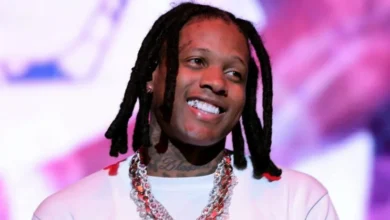
Federal Prosecutors Allege Celebrity Stunts and Paid Protests in Lil Durk’s High-Stakes Legal Battle Over Pretrial Release

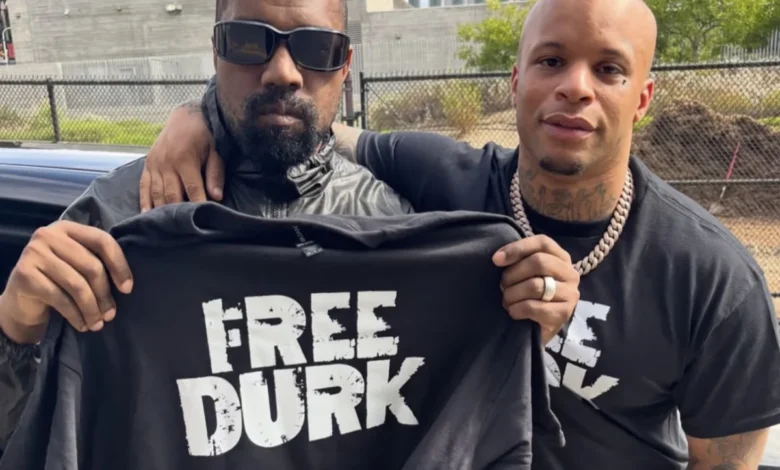
The legal battle surrounding Grammy Award-winning Chicago rapper Lil Durk took a contentious turn as federal prosecutors formally accused the artist of trying to manipulate public opinion through high-profile celebrity appearances and allegedly paid demonstrations outside the courthouse. The allegations, detailed in a prosecution filing submitted ahead of a crucial bond hearing before U.S. District Judge Michael W. Fitzgerald in Los Angeles, add significant friction to an already complex dispute over whether the multi-platinum artist should be granted pretrial release.
Durk, whose legal name is Durk Devontay Banks, faces federal charges involving allegations of violent crime in aid of racketeering, commonly known as VICAR. As he awaits a scheduled trial date in August 2027, his defense team has mounted an aggressive campaign to secure his release from federal custody. However, the government’s recent filings push back hard against the narrative of community support presented by the defense, injecting explosive claims about coordinated publicity stunts into the judicial record.
The Arguments Over Pretrial Detention and the Defense Bail Package
The core of the current legal battle revolves around whether Durk poses a flight risk or a danger to the community, and whether strict supervision coupled with robust financial guarantees can mitigate those concerns. During a recent two-hour hearing before Judge Fitzgerald, the defense presented a comprehensive and lucrative bail package designed to satisfy the court’s stringent requirements for pretrial release.
The proposed financial guarantees are deeply tied to the music industry. They include pledges derived from Durk’s extensive music royalties, publishing rights, name, image, and likeness (NIL) assets, and future touring income. Furthermore, the defense package reportedly features a $1 million appearance bond heavily backed by Sony Music Entertainment. To underscore his community ties and professional standing, Durk’s legal team submitted formal character letters from a roster of prominent figures in entertainment and business, including music moguls JAY-Z and J. Cole, alongside Fanatics CEO Michael Rubin.
Despite these heavyweight endorsements, federal prosecutors have consistently challenged their legal relevance to the court’s narrow statutory evaluation of pretrial release. The government argues that professional relationships and financial success do not override the gravity of the VICAR charges or the alleged risks associated with releasing the defendant into the community prior to trial.
Allegations of Coordinated Publicity and Paid Demonstrations
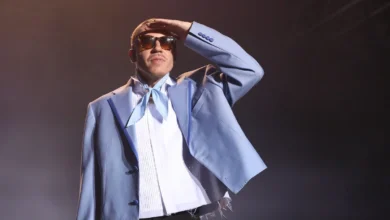
The prosecution’s recent filing escalated tensions by targeting the visible displays of support surrounding the court proceedings. Specifically, government attorneys raised sharp questions regarding an appearance by Kanye West—now legally known as Ye—at courthouse-related proceedings, suggesting the visit was part of a calculated strategy to generate favorable media coverage.
Beyond celebrity cameos, the filing alleges that outside demonstrators gathered near the courthouse were financially compensated to stage protests and show solidarity with the rapper. Prosecutors characterized these broader public relations efforts as an explicit attempt to "dazzle and distract members of the public with perceived community support — in spaces visible to then-sitting jurors."
Legal analysts note that while these assertions form a core component of the government’s argument against release, the claims remain unproven allegations at this stage. The filings do not definitively establish that Durk personally orchestrated Ye’s appearance or directly authorized payments to external demonstrators. Nevertheless, the introduction of these claims successfully complicates the defense’s presentation of grassroots and institutional backing.

Institutional Scrutiny and Detention Conditions
The controversy over public relations efforts compounds existing friction between federal authorities and the defense regarding Durk’s conduct while detained at the Metropolitan Detention Center (MDC) in Los Angeles. In earlier submissions, federal prosecutors raised alarms regarding potential contraband within the facility, as well as alleged confrontations between the rapper and detention staff.
These internal facility disputes have been leveraged by the government to argue that Durk’s behavior inside custody further demonstrates a disregard for rules and institutional order, reinforcing their position that he should remain behind bars. Conversely, defense attorneys have worked to counter these narratives, maintaining that the proposed conditions of release—which would likely involve rigorous electronic monitoring, travel restrictions, and home confinement—are more than sufficient to address any legitimate concerns held by the court.
Chronology of the Legal Proceedings
To understand the current procedural posture of the case, it is necessary to examine the timeline of events leading up to the November bond hearing:
- Initial Indictment and Arrest: Lil Durk is taken into federal custody in connection with an ongoing investigation into violent crime and racketeering-related offenses under VICAR statutes.
- Detention Phase: The artist is housed at the Metropolitan Detention Center in Los Angeles, where prosecutors later flag internal disciplinary concerns and alleged contraband issues.
- Defense Preparation of Bail Package: Over subsequent months, legal counsel compiles a multi-million-dollar bond proposal backed by Sony Music, royalty assignments, and high-profile character references from industry leaders.
- Late 2026 Filings: Federal prosecutors submit opposition papers highlighting concerns over alleged paid protests and high-profile celebrity appearances intended to sway public perception.
- November 4, 2026: Judge Michael W. Fitzgerald hears approximately two hours of oral arguments regarding the defense’s bond motion in a Los Angeles federal courtroom.
- Current Status: Judge Fitzgerald takes the matter under advisement, delaying an immediate decision while reviewing competing legal filings. No official date for the ruling has been announced.
- Trial Horizon: The substantive federal trial is currently slated to begin in August 2027.
Judicial Standards Versus Public Perception
The intersection of high-profile entertainment figures and federal criminal proceedings has turned Durk’s case into a high-visibility media event. However, legal experts emphasize that federal judges are strictly bound by the Bail Reform Act when determining whether a defendant should await trial outside of custody.
Under federal law, the court must evaluate factors including the nature and circumstances of the offense, the weight of the evidence, the history and characteristics of the defendant, and the nature and seriousness of the danger posed to any person or the community. While celebrity endorsements and public demonstrations generate significant discourse across digital platforms and within the broader Hip Hop community, they carry little formal weight in the analytical framework applied by a federal magistrate or district judge.
The core debate remains anchored to traditional legal questions: Can a combination of financial collateral and strict supervision reasonably guarantee that the defendant will return to court and not pose a danger to the community? The defense insists that the answer is affirmative, pointing to unprecedented industry backing. The prosecution maintains that the gravity of the charges, coupled with institutional friction and alleged publicity tactics, mandates continued incarceration.
Broader Implications for High-Profile Federal Cases
The prosecution’s focus on public relations tactics in Durk’s case highlights a growing trend in federal prosecutions involving public figures. As social media campaigns, celebrity visibility, and organized demonstrations increasingly overlap with high-stakes litigation, prosecutors are showing heightened sensitivity to extrajudicial narratives that could potentially influence prospective jurors or community sentiment.
For the music industry and Durk’s fanbase, the ongoing detention of one of Chicago’s most influential rap artists remains a focal point of discussion. Yet, regardless of the cultural weight attached to his career or the star-studded letters submitted on his behalf, the immediate trajectory of his life rests entirely on the forthcoming decision from Judge Fitzgerald. Until the court rules on the comprehensive bail package, Lil Durk remains at the Metropolitan Detention Center, facing a long road toward his scheduled August 2027 trial date.