The widespread nature of these connectivity problems has prompted intense discussion on enthusiast forums and social media, marking a challenging period for the electronics giant. While initial updates addressed specific visual shortcomings, the audio-centric flaws remained largely unresolved until the emergence of a new patch this week.
A Chronology of the Connectivity Crisis
The technical complications began shortly after a major software update was distributed to Sony’s 2024 Bravia range, including the high-end Bravia 8 II series, in mid-June. Almost immediately, reports surfaced detailing a variety of performance degradation issues. The primary symptoms identified by users included intermittent audio dropouts, persistent lip-sync discrepancies, and, in some instances, the failure of Dolby Vision content to initialize correctly.
The core of the problem appears to reside in how the television processes and passes through audio signals from external peripherals—such as high-end media players, gaming consoles like the PlayStation 5, or streaming devices like the Apple TV 4K—to external soundbars or AV receivers. By late July, a follow-up software patch successfully mitigated the Dolby Vision display failures. However, the audio processing errors remained, leading to a period of uncertainty as to whether the fault lay with the television’s hardware components or its internal signal processing software.
Technical Implications of eARC Failures
To understand the scope of the issue, it is necessary to examine the complexity of HDMI eARC. Unlike the standard ARC (Audio Return Channel), eARC is designed to support high-bitrate audio formats, including Dolby Atmos and DTS:X, by providing higher bandwidth and improved synchronization. When this link is compromised, the television fails to act as an effective bridge between the source device and the sound system.
For many users, the most disruptive symptom has been the gradual loss of audio-video synchronization. In a home cinema environment, even a discrepancy of a few milliseconds can significantly detract from the viewing experience. Furthermore, audio dropouts—where the sound cuts out entirely for several seconds—have rendered many external home cinema setups effectively unusable for critical viewing.
Official Acknowledgement and Regional Responses
Sony’s initial response to these reports was characterized by a period of relative silence, which drew criticism from the consumer base. The lack of clear communication regarding a fix led to speculation about the severity of the defect. However, the situation shifted significantly last week when Sony Japan issued a technical support advisory.
The translated advisory acknowledged that the "lip-sync discrepancy" was a known issue and explicitly confirmed that a fix was being engineered. While the company initially pointed toward a target window for a resolution, reports from the United States have accelerated this timeline. On Tuesday, a new firmware version, designated 114.603.100.1, began appearing on Sony Bravia units in North American markets. Early testing by users in these regions indicates that the update appears to resolve both the synchronization issues and the intermittent dropouts that have plagued the ecosystem for weeks.
Broader Market Impact and Consumer Trust
The incident highlights the growing complexity of modern home entertainment ecosystems. As televisions transition from simple display panels to central processing hubs for smart home and multimedia content, their reliance on sophisticated firmware increases exponentially. When such firmware fails, the impact is not merely a loss of picture quality, but a disruption of the entire multimedia chain.
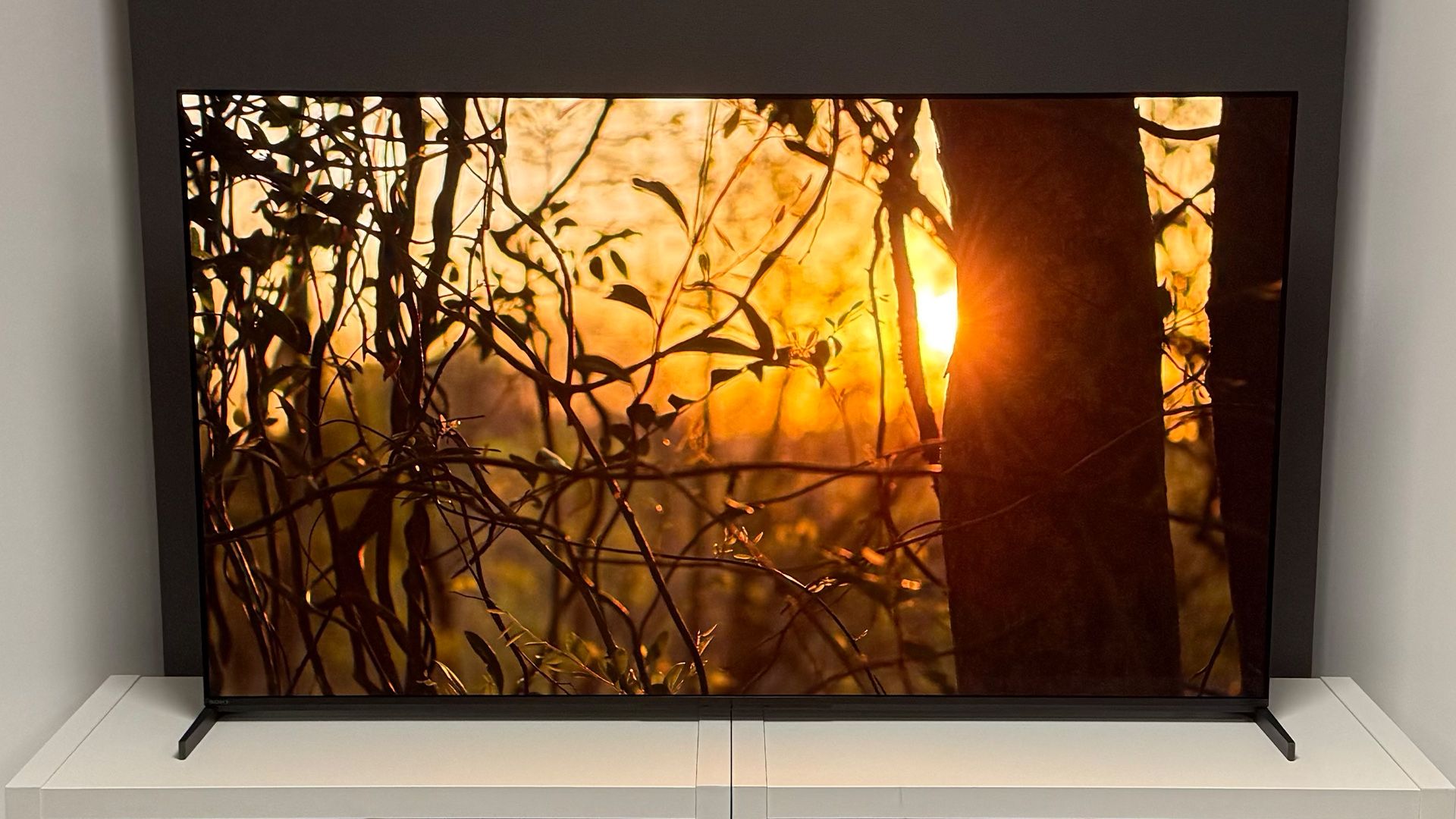
For Sony, maintaining its reputation for high-fidelity audio and video performance is paramount. The company has historically occupied a premium position in the TV market, often charging a premium for its processing capabilities. Consequently, technical issues that impair the fundamental utility of the device can have long-term effects on brand loyalty.
Industry analysts note that while software-driven fixes are becoming the standard in the consumer electronics industry, they also introduce a level of "post-purchase anxiety" for consumers. When a hardware manufacturer pushes an update that breaks existing features, the expectation for a rapid, transparent, and effective software reversal becomes the benchmark for customer support.
Evaluating the Current State of the Fix
As of the current reporting, the firmware update 114.603.100.1 is not yet globally distributed. While users in the United States are seeing positive results, owners in the United Kingdom, Europe, and other regions remain in a holding pattern.
The distinction between the "lip-sync" fix mentioned in the Japanese advisory and the broader "audio dropout" resolution remains a point of interest. It is possible that the current update bundle contains multiple underlying patches intended to address different aspects of the eARC communication protocol. Until the update is officially released in all major markets and subjected to widespread verification by the user base, it remains prudent to wait for formal confirmation from Sony’s regional support teams.
Looking Ahead: Improving Firmware Deployment
The situation serves as a cautionary tale for the industry regarding the deployment of firmware updates. The balance between adding new features—such as enhanced streaming app performance or new picture modes—and maintaining the stability of core functions like HDMI handshaking is delicate.
Moving forward, it is expected that manufacturers will need to implement more rigorous beta testing cycles for firmware updates, particularly for high-end models that support advanced protocols like eARC. Furthermore, the delay in communication regarding the specific nature of the bug fix underscores the need for more agile support channels that can provide localized updates to consumers as soon as a fix is validated.
For now, the focus for Sony Bravia owners remains on the pending rollout of the latest software. If the current positive reports from the US are any indication, the end of this period of instability is imminent. Those experiencing issues are advised to monitor their television’s "System Update" menu frequently, as the distribution of the firmware is often handled in phases to ensure network stability.
As the industry moves toward a more software-centric future, the ability to resolve such issues quickly will likely become a key differentiator between top-tier manufacturers. For the time being, the community remains in a state of cautious optimism, awaiting the wider availability of the update that promises to restore the seamless home cinema experience that these high-performance displays were designed to deliver.