Roger Taylor reflects on the evolution of Freddie Mercury and his own musical journey on BBC Radio 2

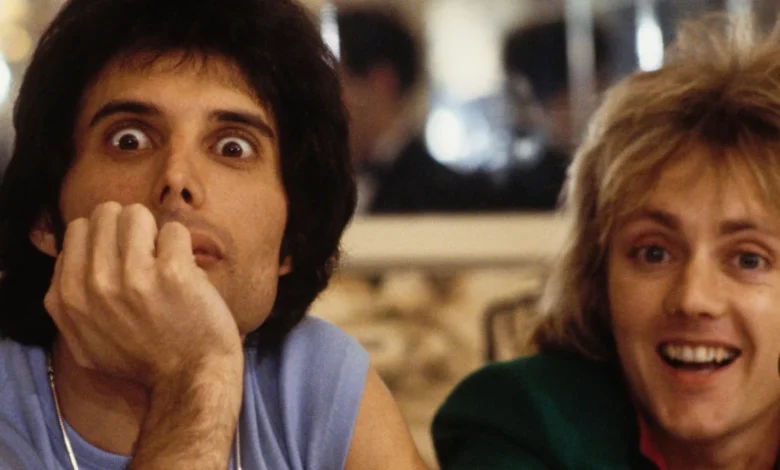
Legendary Queen drummer Roger Taylor recently appeared on the Vernon Kay show on BBC Radio 2 to promote his latest solo project, an opportunity that served as a reflective platform for the musician to discuss the enduring legacy of his former bandmate, Freddie Mercury. During the segment "Tracks Of My Years," Taylor offered a candid assessment of his first impressions of the late frontman, contrasting the humble, shy individual he met in the early 1970s with the global icon that Mercury eventually became. The conversation underscored the transformative power of artistic dedication, providing a rare, intimate look at the internal dynamics of one of the world’s most successful rock bands.
From Humble Beginnings to Global Stardom
When asked about his initial impressions of Mercury, who was born Farrokh Bulsara in Zanzibar, Taylor was unflinchingly honest. He recalled that the man who would eventually be regarded as one of the greatest vocalists in history did not possess a naturally refined sound when they first collaborated. "I thought, ‘God, he’ll never be a singer.’ He sounded like a strangled sheep," Taylor admitted.
This assessment, while blunt, serves as a testament to the immense work ethic Mercury applied to his craft. Taylor explained that Mercury effectively "invented himself," molding his natural musicality and innate charisma into a formidable stage presence. According to Taylor, Mercury was essentially a "lovely, shy guy" who possessed a hidden depth of strength and character. As the band progressed, Mercury’s voice underwent a profound evolution, becoming not just technically superior but remarkably powerful, loud, and resonant. This development was not accidental; it was the result of a persistent, lifelong commitment to performance and vocal conditioning.
The Ambition that Defined Queen
The trajectory of Queen—from a fledgling group playing in small London venues to stadium-filling legends—was fueled by a shared, single-minded ambition. Taylor noted that the music industry was, and remains, an unforgiving environment. To survive, the members of Queen had to be deeply focused on their long-term goals. Mercury, in particular, acted as a driving force. Taylor recalled that Mercury would often repeat the mantra, "Talent will out, my dear," a philosophy that kept the band moving forward during years when commercial success seemed elusive.
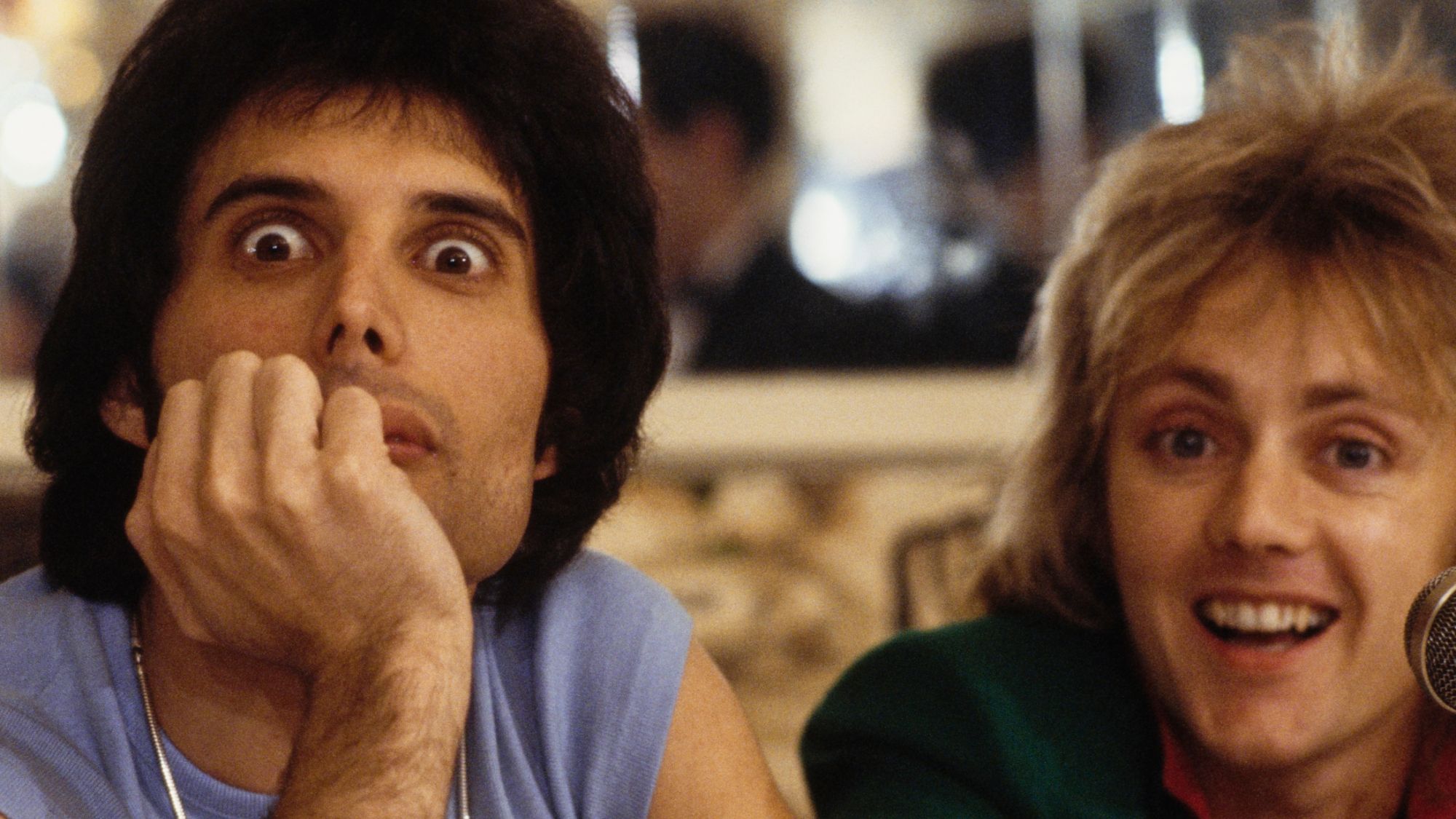
This ambition translated into a unique connection with their audience. Queen consciously cultivated the image of a "people’s band," intentionally designing their shows to prioritize fan engagement. The iconic rhythmic clapping of "We Will Rock You" and the call-and-response segments during live performances were not merely theatrical devices; they were strategic choices intended to dismantle the barrier between performer and spectator. Taylor credited Mercury’s singular ability to command large crowds as the primary factor that allowed these interactions to succeed, describing the late singer as an "incredible communicator."
Chronology of a Musical Partnership
The partnership between Taylor and Mercury began in the early 1970s, culminating in the formation of Queen alongside guitarist Brian May and bassist John Deacon. A brief timeline of their rise includes:
- 1970: Following the dissolution of the band Smile, Taylor and Brian May joined forces with Freddie Mercury to form Queen.
- 1973: The release of their self-titled debut album marked the beginning of a decade-long climb to international fame.
- 1975: The release of A Night at the Opera and the groundbreaking single "Bohemian Rhapsody" propelled the band to global superstardom.
- 1985: The band’s performance at Live Aid at Wembley Stadium is widely cited as the greatest live set in rock history, cementing Mercury’s status as a peerless frontman.
- 1991: The death of Freddie Mercury due to complications from AIDS ended his tenure with the band but solidified his status as a cultural icon.
Analytical Perspective: The "Self-Made" Icon
From a musicological standpoint, Taylor’s commentary on Mercury’s vocal development aligns with historical accounts of the band’s recording sessions. Mercury was known for his rigorous approach to multi-tracking and vocal layering, techniques that were pioneering at the time. The transformation Taylor describes—from a raw, unrefined sound to the operatic, multi-octave range heard on hits like "Somebody to Love"—suggests that Mercury treated his voice as an instrument that required constant calibration.
The implications of Taylor’s remarks are significant for those studying the history of rock music. By demystifying the "born genius" narrative often applied to rock stars, Taylor highlights the role of discipline and self-reinvention. This "strength of mind" allowed Mercury to navigate the pressures of fame while maintaining the authentic, albeit shy, personality he held in private. Taylor’s admission that he thinks of Mercury "every day" and that the two "never really had a cross word" speaks to the strength of their personal bond, which remained intact despite the immense stresses of their three-decade career.
Musical Influences and Legacy
As part of the "Tracks Of My Years" segment, Taylor curated a playlist that reflects the broad spectrum of his own influences. The list serves as a snapshot of the musical landscape that shaped the sound of Queen. Notable selections included:
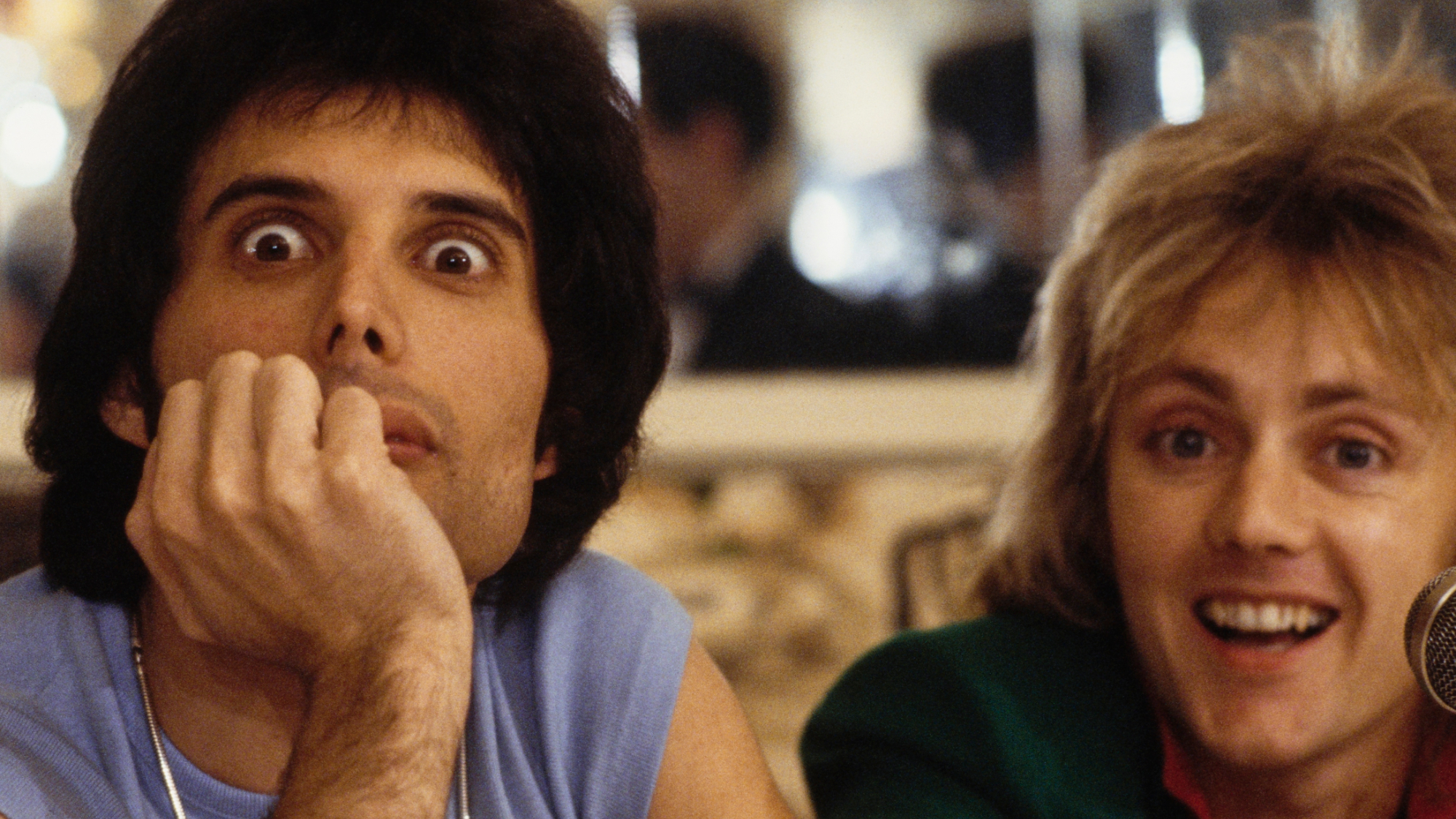
- The Kinks – "You Really Got Me": Representing the raw, aggressive energy of the British Invasion.
- The Who – "My Generation": A foundational track for rock drumming and rebellious spirit.
- David Bowie – "Space Oddity": Reflecting the era’s fascination with theatricality and avant-garde pop.
- Radiohead – "Creep": A modern inclusion that demonstrates Taylor’s continued engagement with contemporary alternative rock.
- Sigur Rós – "Hoppípolla": A choice that highlights his appreciation for atmospheric, emotionally resonant compositions.
These tracks, ranging from 1960s classic rock to 21st-century art rock, underscore a career defined by an eclectic musical palate.
Broader Impact and Industry Reception
The public reaction to Taylor’s interview has been overwhelmingly positive, with fans and critics alike appreciating the transparency regarding the band’s early struggles. In an industry that often prioritizes polished public relations, Taylor’s willingness to discuss the "strangled sheep" origins of his bandmate’s voice serves as a refreshing reminder of the human element behind the myth.
The enduring popularity of Queen is rarely matched in the modern era. According to industry data, Queen’s Greatest Hits album remains the best-selling album in UK chart history, having spent over 1,000 weeks on the charts. This sustained interest is largely attributed to the band’s ability to bridge generations through their unique sound and Mercury’s unparalleled showmanship.
Taylor’s appearance on BBC Radio 2 not only provided a promotional vehicle for his latest solo work but also served as a poignant tribute to a lost friend. By framing Mercury’s success as a triumph of character over circumstance, Taylor offers a compelling narrative for aspiring musicians. The message is clear: greatness is not an innate state, but a process of constant evolution, driven by ambition, resilience, and a profound respect for the audience. As Taylor continues to tour and record, the influence of those early, formative years with Mercury remains a constant, guiding light in his work. The full interview, including the complete selection of his formative tracks, is currently available via the BBC Sounds digital platform.