Cody Jinks Navigates Severe Weather Disruptions as Under The Big Sky Festival 2026 Kicks Off in Whitefish

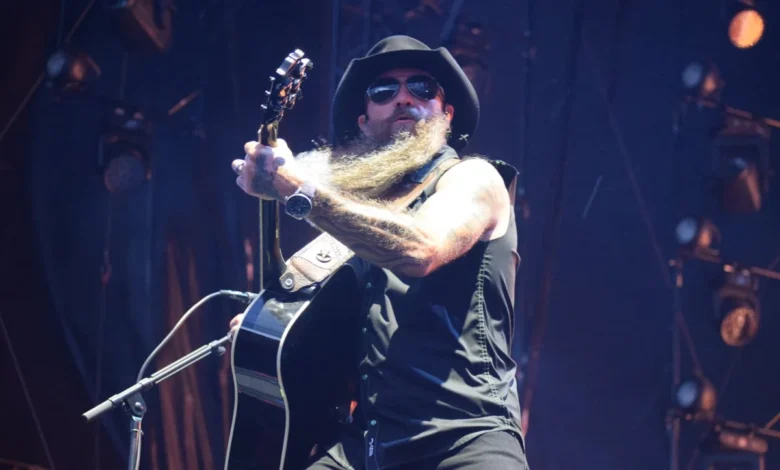
The 2026 edition of the Under The Big Sky Festival officially commenced on Friday, July 17, at Big Mountain Ranch in Whitefish, Montana, drawing thousands of fans to witness a premier showcase of country, Americana, and folk talent. While the day began under the characteristic high-altitude heat of the Treasure State, the evening was defined by a dramatic shift in meteorological conditions that forced a temporary suspension of the headlining set and highlighted the logistical complexities of managing large-scale outdoor events in the Rocky Mountain region. Despite the arrival of a severe thunderstorm, independent country icon Cody Jinks delivered a resilient performance, though not without significant interruptions and a frantic race against the elements.
Opening Day Overview and Artist Lineup
Under The Big Sky has established itself as one of the most significant festivals in the Pacific Northwest, blending mainstream appeal with a deep commitment to independent and "Outlaw" country traditions. The 2026 Friday lineup reflected this curation, featuring a diverse array of artists across two main stages: the Great Northern Stage and the Big Mountain Stage.
The early afternoon programming featured rising stars and established cult favorites, including the high-energy traditionalism of Kaitlin Butts and the raw, emotive songwriting of Benjamin Tod, formerly of Lost Dog Street Band. Rattlesnake Milk brought their distinct brand of "desert noir" to the Montana landscape, while the Old Crow Medicine Show provided their signature high-octane string band performance, a staple of the Americana circuit. As the sun began to dip toward the horizon, the Marcus King Band delivered a soulful, guitar-heavy set that bridged the gap between Southern rock and blues, followed by the atmospheric indie-folk of Iceland’s Of Monsters and Men, who provided a stylistic contrast to the predominantly country-leaning bill.
Meteorological Shifts and the Initial Interruption
For much of Friday, attendees faced searing heat and intense sun, typical of mid-July in the Flathead Valley. Weather patterns in the region are notoriously volatile, often influenced by the surrounding peaks of Glacier National Park. As the evening progressed, the sky began to transition from clear blue to a series of threatening, dark cloud formations. While occasional light rain provided temporary relief from the heat, the situation escalated rapidly during the transition to the night’s headliner.
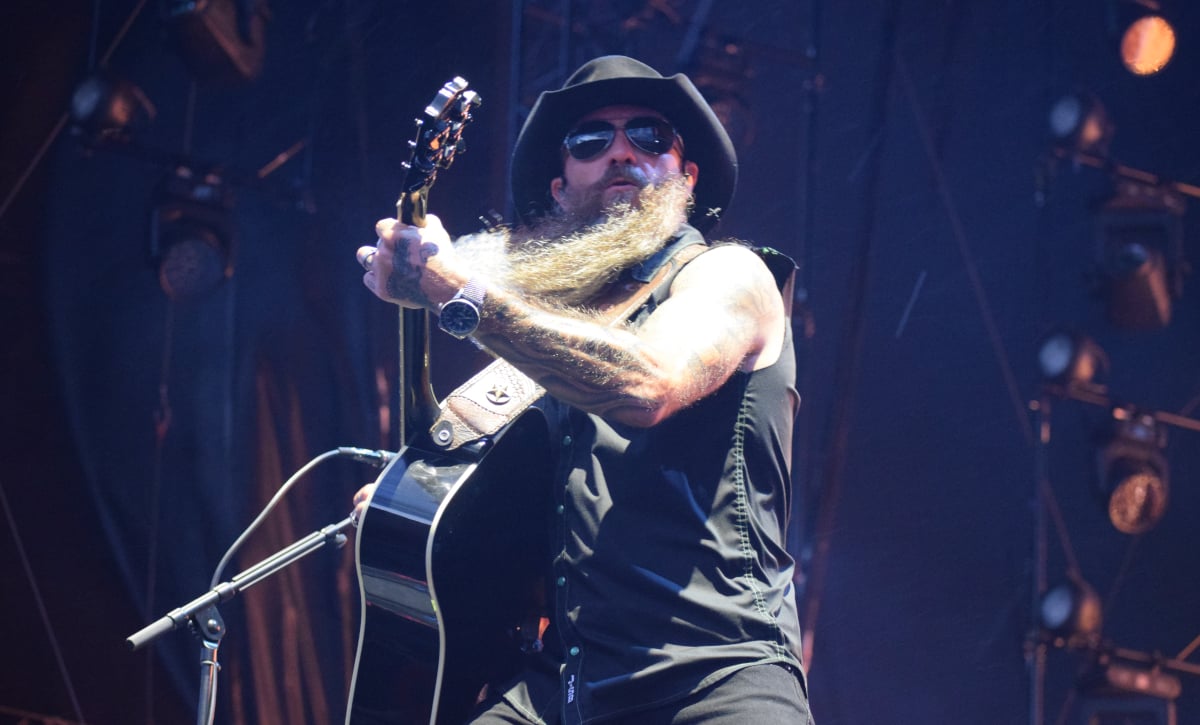
Cody Jinks, one of the most successful independent artists in the history of the genre, took the Great Northern Stage to a roar of approval from a capacity crowd. However, the momentum was short-lived. Just three songs into his set, festival officials and safety coordinators were forced to call for a temporary halt. The presence of lightning within a critical radius of the ranch necessitated an immediate stage evacuation for the band and crew.
In a move that caused visible confusion among the crowd, fans were not instructed to evacuate the festival grounds entirely or seek shelter in their vehicles—a standard protocol at many large-scale festivals. Instead, the announcement requested that the audience "hang tight," suggesting that organizers expected the cell to pass quickly.
The Tale of Two Stages: Safety Protocol Discrepancies
A point of contention and confusion arose during the weather delay on the Great Northern Stage. While Cody Jinks and his band had vacated the main stage due to lightning risks, Chance Peña continued his performance on the secondary Big Mountain Stage, located elsewhere on the ranch property. Peña’s set had begun approximately 30 minutes prior to the storm’s arrival.
As lightning streaked across the distant sky and rain began to fall with moderate intensity, the disparity between the two stages led to a wave of rumors. Many fans at the main stage, seeing the equipment covered and no sign of Jinks’ return, assumed the remainder of the evening had been canceled. This led to a significant portion of the audience departing for the parking lots and shuttle stations early.
The decision to keep one stage active while closing another is often based on the height of the stage structures (which act as lightning rods), the specific electrical requirements of the performance, and the direction of the storm’s travel. However, for the attendees on the ground, the lack of uniform communication created a fragmented experience.
Jinks’ Resilient Return and the Crowd-Voted Finale
Despite the thinning crowd and the persistent threat of rain, Cody Jinks eventually re-emerged on the Great Northern Stage. Addressing the audience, Jinks noted that he has been playing fewer live dates recently, making this appearance a rare opportunity for fans to see him in 2026. This scarcity seemed to fuel a particularly spirited performance from the Texas native, who leaned into his "flown-in" energy to reward those who had braved the elements.
Jinks performed a "rare form" set, navigating through his deep catalog of hits that have earned him multiple RIAA certifications without the backing of a major Nashville label. However, the battle with the weather was not over. At approximately 10:37 PM local time, with the lightning moving from the distance to nearly overhead, Jinks received word from festival organizers that the set had to conclude immediately to ensure public safety.
In a moment of spontaneity, Jinks asked the remaining crowd to choose the final song of the night. The response was a resounding demand for "Hippies and Cowboys," the 2016 anthem that remains Jinks’ most defining track. As the final notes of the song echoed across the ranch, the skies opened, and a heavy downpour began, signaling a definitive end to the day’s festivities. Jinks managed to complete roughly two-thirds to three-quarters of his scheduled set, which was originally slated to end at 11:00 PM.
Logistical Challenges and Post-Event Gridlock
The conclusion of the concert under heavy rain triggered a mass exodus that overwhelmed the festival’s infrastructure. Big Mountain Ranch, while a scenic venue, relies on a complex system of shuttles and dirt-road parking lots to manage the influx of over 20,000 daily attendees.
The combination of wet conditions and a sudden, unified rush to the exits resulted in what many described as a "logistical snafu." Reports from the site indicated that the "Blue Parking Lot"—one of the primary staging areas for vehicles—experienced total gridlock. Some attendees reported sitting in stationary lines for over an hour without movement as the mud and volume of traffic slowed the departure process to a crawl. The Saving Country Music Mobile Command Unit, stationed on-site, confirmed the standstill, highlighting a recurring challenge for rural festivals that must balance high-capacity crowds with limited local road networks.
Broader Impact and Industry Context
The events of Friday night at Under The Big Sky 2026 underscore a growing trend in the music industry: the rise of the "destination festival" and the inherent risks of outdoor production in the era of increasingly unpredictable weather patterns.
From a business perspective, the festival’s ability to resume the headlining set likely saved organizers from significant refund demands, which are often triggered when a headliner is unable to perform a substantial portion of their set. However, the confusion regarding the secondary stage highlights a need for more cohesive communication strategies. In the age of social media, real-time updates are expected by consumers, and gaps in information can lead to safety risks if fans begin to move erratically across a dark, muddy venue.
Furthermore, Cody Jinks’ performance reinforces his status as a titan of the independent scene. His ability to maintain a high-draw status while playing a limited schedule speaks to the loyalty of his fanbase, many of whom traveled from across the country to the remote Montana location.
Looking Ahead: Saturday and Sunday
The Under The Big Sky Festival is scheduled to continue through Sunday, July 19. Despite the Friday night disruptions, the outlook for the remainder of the weekend remains high, with two of the biggest names in modern country music set to headline.
On Saturday, the focus shifts to Zach Top, whose meteoric rise in 2024 and 2025 has positioned him as the new torchbearer for 90s-style traditional country. Sunday will feature a closing performance by Chris Stapleton, arguably the most respected vocalist in the genre today.
Organizers will likely be monitoring weather reports closely for the remainder of the weekend, as the Flathead Valley remains under a pattern of summer thunderstorms. For the thousands of fans remaining in Whitefish, the hope is for clear skies and a smoother exit strategy as the festival moves into its final two days. Further updates and a comprehensive festival recap are expected following the conclusion of Sunday’s performances.
Related posts: