Visualizing the Evolution of Americana and Roots Music Through the Lens of the 2026 Concert Season

The landscape of live roots music in 2026 continues to demonstrate a profound resilience and stylistic diversity, as evidenced by the latest comprehensive visual survey curated by the dedicated photography team at No Depression. In a significant departure from the intensive coverage of the summer festival circuit, this latest collection of 37 photographs, captured by 13 distinct visual artists, offers a panoramic view of the current state of the genre. The gallery serves as a vital historical record, capturing the raw energy of live performances that range from established legends of soul and R&B to the vanguard of modern bluegrass and experimental guitar. By documenting these performances, the collection highlights the ongoing dialogue between tradition and innovation that defines the roots music umbrella.
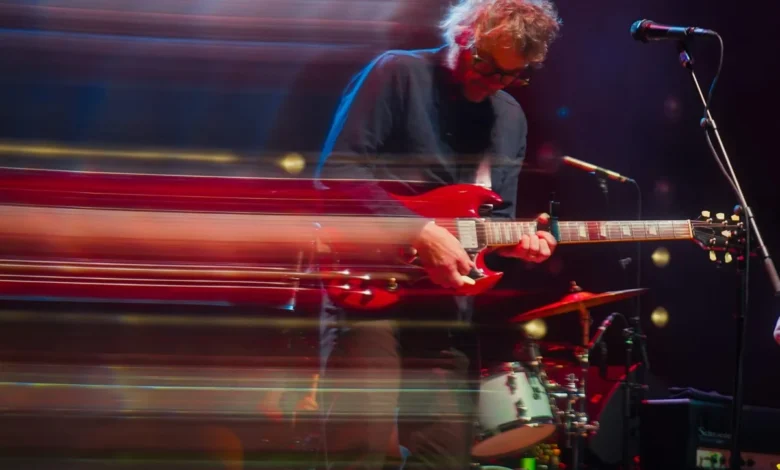
The centerpiece of this season’s coverage is the enduring influence of Wilco, a band that has remained at the epicenter of the American independent music scene for over three decades. The group’s 2026 tour has been a focal point for critics and fans alike, representing a synthesis of their experimental leanings and their foundational country-rock roots. This week’s reportage draws heavily from two specific performances: the June 17, 2026, engagement in Bethlehem, Pennsylvania, and the July 18, 2026, performance in Columbus, Ohio. These shows, captured by photographers Jim Gavenus and Chad Cochran respectively, provide a dual perspective on a band that continues to redefine the boundaries of the Americana genre.
The Wilco Chronology: A Summer of Artistic Reinvention
The 2026 tour cycle for Wilco has been characterized by a deliberate focus on both legacy and evolution. Following the initial visual updates provided by Justin St. Clair in early June, the mid-summer performances have showcased a band in peak form. On June 17, at the Bethlehem, Pennsylvania venue, photographer Jim Gavenus captured the ensemble in an environment that blended industrial heritage with modern acoustics. Observers noted that the setlist leaned heavily into the band’s mid-career masterpieces while integrating new, atmospheric textures that suggest a continued interest in avant-garde song structures.
Exactly one month later, on July 18, the band moved to Columbus, Ohio, where Chad Cochran documented the performance. Cochran’s contributions to this week’s gallery are supplemented by a detailed review of the evening, providing a narrative framework for the visual data. In Columbus, Wilco reportedly emphasized the tighter, more melodic elements of their catalog, a move that resonated with a diverse demographic of attendees. The band, led by the singular vision of Jeff Tweedy, has maintained a rigorous touring schedule throughout 2026, reinforcing their status as a foundational pillar of the roots music community.
The significance of Wilco’s presence in the 2026 circuit cannot be overstated. Since their formation in the mid-1990s following the dissolution of Uncle Tupelo, the band has served as a bridge between the "No Depression" era of alternative country and the more expansive, genre-fluid landscape of today. Their ability to command large audiences in cities like Bethlehem and Columbus speaks to the sustained commercial and critical viability of high-concept roots music in the mid-2020s.
A Spectrum of Artistry: From Bluegrass Prodigies to Global Virtuosos
While Wilco provides the narrative anchor for the current collection, the gallery also highlights several artists who are currently expanding the definitions of roots music. Molly Tuttle, a perennial favorite in the Americana community, continues to be a primary subject for photographers. As a multi-Grammy Award-winning artist and a virtuoso guitarist, Tuttle represents the "new traditionalism" that has revitalized bluegrass. Her performances in 2026 have been noted for their technical precision and their ability to bring traditional Appalachian sounds to a contemporary, urban audience.
Similarly, Charley Crockett has emerged as a central figure in the traditional country revival. Crockett’s aesthetic—a blend of "Gulf & Western" sounds, honky-tonk, and blues—has made him a frequent subject of live music photography. His inclusion in the current ND gallery underscores the industry’s shift toward artists who honor the aesthetic of the 1950s and 60s while maintaining a modern, independent spirit.
The collection also turns its lens toward those "deserving wider attention," a category that includes experimentalists like Marisa Anderson and global stars such as Australia’s Tash Sultana. Marisa Anderson’s work, which often blends American primitive guitar styles with minimalist and electronic influences, represents the outer fringes of the roots genre. Her inclusion signals a recognition of the instrumental and experimental artists who provide the intellectual bedrock for the more mainstream Americana acts. On the other end of the stylistic spectrum, Tash Sultana’s multi-instrumental, loop-based performances bring a high-energy, global perspective to the roots scene, proving that the genre’s influence extends far beyond the borders of the United States.
The Intersection of Roots and Soul: Legends on the Stage
A notable highlight of the recent photographic survey is the inclusion of three legendary figures of American music: Patti LaBelle, Chaka Khan, and Gladys Knight. Their presence in a roots-focused publication reflects the broadening definition of the genre to include the foundational soul, R&B, and gospel traditions that have informed American music for decades.
Patti LaBelle, often referred to as the "Godmother of Soul," continues to deliver powerhouse performances that defy her years. Her presence on the 2026 circuit serves as a reminder of the vocal excellence and theatricality that influenced generations of singers across all genres. Chaka Khan and Gladys Knight, similarly, represent a lineage of vocal artistry that is inextricably linked to the "roots" of the American songbook. By documenting these icons alongside younger acts like Molly Tuttle or Wilco, the ND photographers illustrate the continuity of American musical history. These legends provide the historical context through which modern roots music must be understood.
Technical Artistry and the Role of Music Photography
The production of this gallery involved 13 different photographers, a logistical feat that highlights the collaborative nature of modern music journalism. The 37 photos selected for this week’s feature are not merely promotional materials; they are essential components of the archival process. In an era where digital streaming dominates the consumption of music, the visual documentation of the live experience remains the most tangible connection fans have to the physical reality of the performance.
The photographers—including Gavenus, Cochran, and St. Clair—utilize various techniques to capture the essence of a live show. From the high-contrast lighting of a rock performance in Columbus to the intimate, naturalistic shots of a folk set, these images provide a sensory depth that audio recordings alone cannot convey. The role of the photographer in the 2026 music economy is increasingly that of a storyteller, tasked with translating the auditory energy of a concert into a static, yet evocative, visual medium.
Regional Economic and Cultural Implications
The venues mentioned in the recent reports—Bethlehem, Pennsylvania, and Columbus, Ohio—are indicative of the importance of secondary and tertiary markets in the live music ecosystem. Bethlehem’s SteelStacks and other regional venues have become essential stops for touring acts, providing a cultural anchor for the community and driving local economic activity through tourism and hospitality.
Data from the Americana Music Association suggests that the "roots" sector of the industry has seen a 15% increase in live ticket sales over the past three years, with a significant portion of that growth occurring in regional hubs rather than major metropolitan centers like New York or Los Angeles. The success of Wilco’s mid-summer dates in these cities reinforces the idea that there is a robust, dedicated audience for roots music across the American heartland.
Broader Impact and the Future of the Genre
The current collection of photography and the accompanying reviews suggest a healthy and vibrant future for roots music. The genre is no longer confined to a narrow definition of "folk" or "country." Instead, it has become a broad tent that encompasses experimental guitarists, soul legends, and indie-rock icons. The documentation of the 2026 season reveals a genre that is increasingly comfortable with its internal contradictions—valuing both the old and the new, the traditional and the avant-garde.
As Wilco continues its journey through the latter half of the year and as artists like Molly Tuttle and Charley Crockett further solidify their legacies, the role of publications like No Depression and their team of photographers becomes even more critical. They provide the necessary perspective to understand how these disparate musical threads weave together to form the fabric of modern American culture. The 37 photos featured this week are more than just images; they are a testament to the enduring power of live performance and the unwavering relevance of roots music in the 21st century.
Looking forward, the industry anticipates a continued expansion of these visual archives. As technology allows for even more immersive documentation of live events, the fundamental goal remains the same: to capture the fleeting moment when an artist connects with an audience, creating a shared experience that transcends the boundaries of time and genre. The 2026 season, as seen through the lenses of these 13 photographers, will likely be remembered as a pivotal moment of artistic consolidation and renewed creative energy.
Related posts: