The Game’s Unwavering Drake Allegiance and YG’s Dominant Victory Define Landmark West Coast Verzuz Battle

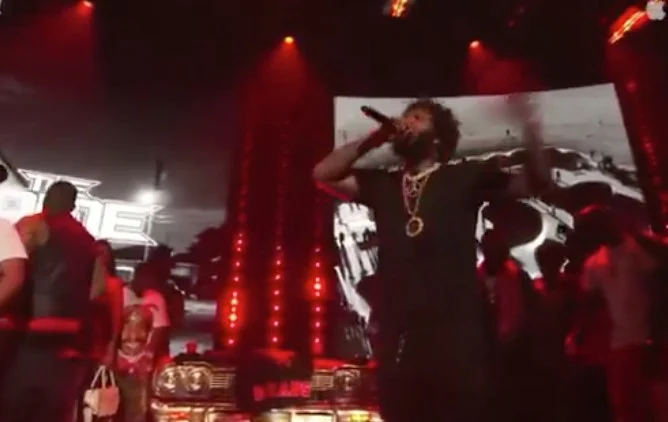
While the official scorecard undeniably favored YG, it was a profound declaration of loyalty from The Game that resonated deepest, sparking widespread discussion across the hip-hop landscape long before the final record dropped. During their highly anticipated Verzuz showdown on July 24, 2026, the Compton stalwart seized a pivotal moment to unequivocally affirm his respect and admiration for Drake, signaling that his allegiance remained unswayed by the prevailing currents of rap politics or the tempestuous waters of internet commentary. The event, a vibrant celebration of West Coast hip-hop, ultimately saw YG secure a decisive victory, but The Game’s powerful statement added an unforeseen layer of cultural significance, transcending the competitive spirit of the night.
The Unwavering Allegiance: The Game’s Drake Declaration
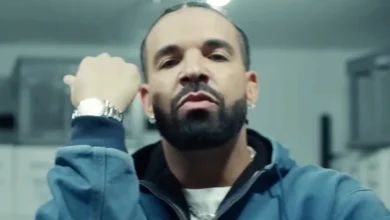
As the opening chords of "100," their acclaimed 2015 collaboration, began to reverberate through the venue, The Game paused the proceedings to address the rapt audience, delivering a message that instantly ignited a firestorm of conversation across all major social media platforms. With an unyielding gaze, he declared, "Shout out to the boy, I don’t give a f**k how a n***a feel about it." The statement, delivered with characteristic defiance, was met with a mix of cheers and immediate online reaction, underscoring its provocative nature. Moments later, he reiterated his stance with even greater emphasis, adding, "Shoutout to my big brother, my inspiration, Drake." This double affirmation left no room for ambiguity regarding his position.
A Calculated Stand in a Charged Atmosphere
The Game’s comments were strategically timed, landing squarely in the midst of an event that many fans had speculated could be overshadowed by the lingering tensions from Drake’s recent, high-profile lyrical rivalry with Kendrick Lamar. The rap world had been sharply divided by the acrimonious back-and-forth between two of its biggest titans, creating an environment where artists were often perceived as needing to "choose a side." The Game’s public endorsement of Drake, therefore, was not merely a shout-out but a calculated act of defiance against this prevailing narrative. It underscored his personal code of loyalty and his refusal to allow external feuds to dictate his professional or personal relationships within the industry.
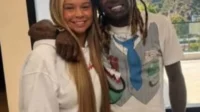
Crucially, his fellow Compton native, YG, stood beside him on stage, dancing and embracing the moment without a hint of discord. This visual unity was powerful, effectively keeping the spotlight firmly centered on the rich tapestry of Los Angeles hip-hop and preventing any external narratives from hijacking the evening’s celebratory atmosphere. This onstage camaraderie echoed The Game’s consistent stance over the preceding months, during which he had repeatedly affirmed his belief that Drake ranks among the greatest artists of all time, vowing never to alter that opinion based on another artist’s conflict. His actions at Verzuz served as a live, undeniable testament to that conviction.
Verzuz: A Platform for Legacy and Rivalry
To fully appreciate the weight of The Game’s statement and the broader context of the battle, one must understand the unique cultural phenomenon that is Verzuz. Launched in March 2020 by producers Swizz Beatz and Timbaland during the initial stages of the global pandemic, Verzuz quickly evolved from a series of Instagram Live battles between legendary producers and artists into a highly curated, mainstream event series. Its premise is simple yet revolutionary: two artists face off, playing 20 of their most iconic tracks in a head-to-head format, celebrating their respective catalogs and engaging in friendly competition.
The Genesis of Verzuz and Its Cultural Impact
Verzuz tapped into a collective longing for nostalgia and connection during unprecedented times, offering millions a shared experience from the comfort of their homes. It provided a stage for artists to showcase the breadth and depth of their discographies, often leading to significant upticks in streaming numbers for their back catalogs. Beyond entertainment, Verzuz became a powerful cultural touchstone, celebrating Black music, fostering unity, and allowing fans to revisit classic eras of hip-hop, R&B, and beyond. Battles featuring industry giants like Erykah Badu vs. Jill Scott, Gucci Mane vs. Jeezy, and Earth, Wind & Fire vs. The Isley Brothers garnered massive viewership, solidifying Verzuz’s place as a premier platform for musical celebration and competitive entertainment.
The West Coast Showdown: YG vs. The Game
The selection of YG and The Game for a Verzuz battle was a deliberate nod to the enduring power and influence of West Coast hip-hop. Both artists are emblematic figures from Compton, California, a city synonymous with gangsta rap and a rich musical legacy.
The Game (Jayceon Terrell Taylor): Bursting onto the scene in the early 2000s under the tutelage of Dr. Dre and 50 Cent, The Game quickly established himself as a formidable lyricist with a deep connection to West Coast tradition. His debut album, "The Documentary" (2005), is widely regarded as a classic, blending raw street narratives with polished production and features from hip-hop’s elite. Known for his distinctive voice, storytelling prowess, and loyalty to his roots, The Game has consistently championed West Coast sound throughout his career, releasing numerous critically acclaimed albums and maintaining a significant presence in the rap game for over two decades. His collaborations with artists across generations speak to his versatility and respect within the industry.
YG (Keenon Dequan Ray Jackson): Emerging in the late 2000s and solidifying his presence in the 2010s, YG became a leading voice for a new generation of West Coast street rap. His distinct sound, characterized by minimalist, G-funk-infused beats and gritty, authentic lyrics, quickly garnered a massive following. Albums like "My Krazy Life" (2014) and "Still Brazy" (2016) were commercial and critical successes, establishing him as a torchbearer for Compton’s musical heritage. YG’s music often explores themes of street life, loyalty, and social commentary, making him a relatable and influential figure in contemporary hip-hop. His numerous hits have dominated radio waves and clubs, proving his catalog’s undeniable impact.
The battle between these two artists was not just a competition but a testament to the ongoing vitality of Compton’s contribution to global music, showcasing their individual journeys while collectively reinforcing the strength of their shared origins.
The Battle Unfolds: A Chronology of Hits
The atmosphere leading up to the Verzuz was electric, fueled by the anticipation of a clash between two West Coast heavyweights and the added layer of intrigue surrounding The Game’s known affiliation with Drake. Fans speculated intensely on social media, debating potential setlists, standout tracks, and whether The Game would address the recent rap beefs. The stage was set for more than just a musical showcase; it was poised to be a cultural moment.
Pre-Battle Buzz and Expectations
Online polls and fan discussions prior to the event were split, reflecting the deep respect for both artists’ catalogs. While The Game’s early 2000s dominance and classic albums like "The Documentary" gave him a perceived edge in terms of historical impact, YG’s consistent string of club anthems and modern hits from the 2010s suggested he would be a formidable opponent. The potential for The Game to play tracks featuring Drake, like "100" or even "Good Girls Go Bad" (from The Documentary), was a hot topic, adding to the pre-battle hype and setting the stage for his eventual declaration.
Round-by-Round Breakdown: YG’s Dominance Emerges
Once the music commenced, the battle quickly took shape. YG, known for his energetic stage presence and infectious beats, established an early lead that he never truly relinquished. His catalog proved remarkably difficult to match, characterized by high-energy bangers and undeniable crowd-movers.
Key tracks that contributed to YG’s early and sustained momentum included:
- "BPT": A quintessential YG track, celebrating his roots and setting a defiant tone.
- "Twist My Fingaz": Its iconic beat and YG’s laid-back delivery made it an instant crowd favorite.
- "Who Do You Love?" (feat. Drake): A significant play, showcasing his ability to craft mainstream hits while maintaining street credibility.
- "FDT (Fk Donald Trump)" (feat. Nipsey Hussle): A politically charged anthem that resonated deeply and showcased YG’s willingness to use his platform for social commentary, backed by its immense cultural impact.
- "Big Bank" (feat. 2 Chainz, Big Sean, Nicki Minaj): A star-studded collaboration that demonstrated his commercial reach and ability to create massive club hits.
- "Toot It And Boot It" (feat. Ty Dolla $ign): His breakout hit, which instantly transported the audience back to his beginnings and showcased his early influence.
While YG built a commanding lead, The Game answered with classics of his own, demonstrating the depth of his discography and securing key moments of triumph. His ability to tell compelling stories through his music and his raw, authentic delivery kept the audience engaged.
- "Westside Story" (feat. 50 Cent): A powerful narrative track that edged out YG’s "My N****" in one of the night’s most anticipated matchups, highlighting The Game’s lyrical prowess.
- "Dreams": A critically acclaimed, introspective track that triumphed over YG’s "Gang Bang," showcasing a different facet of The Game’s artistry.
- Perhaps the most fitting matchup of the evening came in Round 20, where The Game’s iconic "Hate It Or Love It" (feat. 50 Cent) faced off against YG’s hard-hitting "Still Brazy." This round culminated in a perfect 50-50 deadlock in live polling, a testament to the enduring power and resonance of both tracks within their respective eras and a moment of true competitive parity.
Fan voting ultimately awarded YG 17 of the night’s 22 rounds, a seemingly dominant margin. However, live polling conducted during the event painted a much tighter race, with YG holding a slim 51 percent to 49 percent edge before the final tally, indicating the subjective nature of the competition and the passionate advocacy of both fanbases. This discrepancy highlights the dynamic interplay between real-time audience engagement and the eventual official outcome, a common feature in Verzuz battles.
Beyond the Scorecard: Cultural Significance and Fan Engagement
The Verzuz battle between YG and The Game transcended a mere musical competition; it evolved into precisely what many hoped it would be: a profound celebration of two artists whose collective catalogs have been instrumental in shaping the contours of modern West Coast rap. The stage, far from being a battleground, transformed into a vibrant reunion space, constantly filled with friends, collaborators, and staunch supporters, underscoring the deep sense of community within the West Coast hip-hop scene.
The Live Experience and Social Media Frenzy
The energy inside the venue was palpable, radiating through screens worldwide. As each track dropped, the immediate reactions on social media platforms like X (formerly Twitter) were instantaneous and voluminous. Hashtags related to the battle trended globally, with fans passionately debating each round, sharing their favorite lyrics, and reacting to every twist and turn, including The Game’s Drake declaration. The real-time polling, although ultimately less decisive than the final vote, fueled this engagement, turning viewers into active participants in the unfolding narrative. Industry figures, fellow artists, and cultural commentators weighed in, further amplifying the conversation and solidifying the event’s status as a major cultural moment.
A Celebration of Compton and West Coast Identity
Beyond the individual performances, the Verzuz served as a powerful homage to Compton, California, and the broader West Coast identity. Both YG and The Game, deeply rooted in the city’s legacy, used the platform to celebrate their heritage, their struggles, and their triumphs. The presence of numerous friends and collaborators on stage, ranging from seasoned veterans to rising stars, created an atmosphere of camaraderie and mutual respect. This visual representation of unity reinforced the idea that despite the competitive format, the underlying purpose was to uplift and celebrate the collective contribution of West Coast artists to global hip-hop. It was a testament to the enduring influence of a region that has consistently pushed boundaries and defined eras in music.
Broader Implications for Hip-Hop
The Verzuz battle between YG and The Game, particularly The Game’s outspoken support for Drake, carries several significant implications for the wider hip-hop landscape.
Redefining Loyalty in Rap
In an era frequently characterized by highly publicized beefs and the intense pressure to align with one side or another, The Game’s unwavering declaration of loyalty to Drake offered a compelling counter-narrative. It suggested a maturity and a personal code that prioritizes genuine relationships over fleeting rap politics or the demands of fan-driven rivalries. This act could potentially encourage other artists to resist the "choose a side" mentality, fostering a more nuanced approach to industry relationships and personal allegiances. It challenged the notion that artistic competition must translate into personal animosity, reminding the culture that respect can coexist even amidst intense rivalry.
The Enduring Power of the West Coast Sound
The battle itself, regardless of the scorecard, underscored the enduring vitality and commercial viability of the West Coast sound. Both YG and The Game demonstrated the depth and breadth of their catalogs, showcasing how their music has not only defined specific eras but continues to resonate with contemporary audiences. YG’s victory, in particular, highlighted the powerful impact of his specific brand of G-funk-influenced street rap on modern hip-hop, reaffirming its place as a dominant force. The event served as a powerful reminder that the West Coast continues to be a fertile ground for innovation and authenticity in rap music.
Verzuz’s Continued Relevance
This particular Verzuz battle further cemented the platform’s relevance and importance in hip-hop culture. By successfully navigating potential tensions and delivering a compelling showcase of two significant artists, Verzuz proved its ability to adapt and continue providing meaningful cultural moments. Its capacity to blend competitive entertainment with celebratory nostalgia ensures its continued appeal as a crucial arena for artists to honor their legacies and engage directly with their fanbases. The event’s robust viewership and social media engagement underscore that the format remains a powerful vehicle for cultural commentary and musical appreciation.
The Unforgettable Moments
Beyond the lyrical sparring and strategic track selections, the Verzuz was punctuated by several unforgettable moments that added to its legendary status. The Game, ever the showman, provided another viral moment by chugging nearly an entire bottle of tequila on stage. This spontaneous act of bravado, caught on camera and immediately shared across social media, became one more indelible image from a battle that delivered a potent blend of nostalgia, hometown pride, and plenty of conversation long after the final round ended. From the palpable anticipation to the final declarations, the YG vs. The Game Verzuz battle solidified its place as a landmark event in West Coast hip-hop history, celebrated for its music, its unity, and its unexpected declarations of unwavering loyalty.