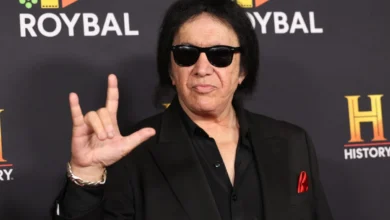
Timbaland Sues Former Manager and Business Manager for $15 Million Alleging Widespread Financial Misconduct


Legendary music producer Timbaland, born Timothy Zachery Mosley, has initiated a high-stakes legal battle against his longtime manager, Gary Marella, and his business manager, Bruce Seckendorf. The lawsuit, filed on Friday, October 30, in a Los Angeles court, seeks damages of at least $15 million, accusing the duo of orchestrating a systematic scheme of financial exploitation that spanned nearly a decade. The legal filing paints a picture of a producer who, while generating tens of millions of dollars in revenue through iconic hits and high-profile business ventures, was allegedly treated as a personal piggy bank by those he trusted to safeguard his wealth.
The Allegations: A Pattern of Financial Malfeasance
The 15-page complaint filed by Mosley’s legal team details a series of alleged breaches of fiduciary duty, fraud, and professional negligence. The core of the accusation centers on the claim that Marella and Seckendorf engaged in a coordinated effort to siphon funds under the guise of management fees and administrative expenses.
According to the lawsuit, Gary Marella, a veteran figure at Mono Music Group who began representing the producer in 2017, allegedly falsified financial records to conceal the unauthorized transfer of funds. The complaint alleges that Marella frequently charged personal expenses to an American Express account linked to the producer, while simultaneously extracting excessive commissions from major career milestones. These include the 2019 sale of his music catalog to the Hipgnosis Songs Fund and the lucrative sale of the Verzuz platform—the battle rap series that became a cultural touchstone during the global pandemic.
Simultaneously, the lawsuit targets Bruce Seckendorf, who has been recognized by industry publications as a leading business manager. Seckendorf, who had served as the producer’s accountant since 1998 before taking over broader business management duties in 2016, is accused of professional negligence. The complaint alleges that Seckendorf failed to remit federal taxes, leading to significant penalties, and reportedly brought the producer’s personal residence to the brink of foreclosure, all while continuing to draw millions in management fees.

A Chronology of the Professional Relationship
The relationship between Mosley and his management team has been characterized by high-profile professional success masking growing internal friction. When Marella began managing the producer in 2017, the industry viewed the partnership as a stabilizing force for an artist whose career had already seen decades of transformation.
However, the legal documents suggest that the discord reached a breaking point long before the current lawsuit. In August of this year, the tension became public during a separate wrongful termination lawsuit filed against Mosley by DJ E Feezy in Florida. Within those proceedings, Mosley introduced allegations of financial impropriety against Marella, indicating that he had already severed ties with the manager more than a year prior to the filing.
The current lawsuit serves as a formal expansion of those claims, specifically highlighting the mismanagement of "Beatclub," an online marketplace co-founded by the pair in 2021. Designed to assist producers and creators in monetizing their work, Beatclub was allegedly a site of significant financial depletion. The complaint asserts that Marella disregarded board restrictions, failed to compensate employees and creators, and misrepresented the company’s fiscal health to both the producer and outside investors.
Official Responses and Defense Strategies
In a statement provided to the media on Monday, November 2, Gary Marella categorically denied the allegations of theft and financial deception. Marella’s defense centers on the premise that he inherited a difficult financial situation and worked to stabilize the producer’s portfolio.
"When I began managing Tim in 2017, long after he had produced his biggest hits, he was already in a bad financial place," Marella stated. He further noted that during his nine-year tenure, the team generated roughly $75 million in business, arguing that any financial setbacks experienced by ventures like Beatclub were the result of standard startup risks rather than malicious intent. Marella specifically pointed to the hiring of a chief technology officer who failed to deliver on product development, leading to the capital expenditures that the lawsuit now characterizes as misappropriation.

As of the time of reporting, Bruce Seckendorf has not provided a public response to the specific charges of professional negligence and the failure to meet tax obligations.
The Broader Impact and Industry Implications
This lawsuit underscores the perennial vulnerability of high-earning artists who rely on third-party managers for the stewardship of their assets. The case against Marella and Seckendorf raises critical questions about transparency and oversight within the music business. Industry analysts suggest that the outcome of this litigation could set a significant precedent for how fiduciary duties are litigated in the entertainment sector, particularly regarding the intersection of artistic management and venture capital-style business development.
The accusations of "fraudulent concealment" and "civil theft" are serious legal charges that suggest a deep breakdown in the contractual and personal trust between an artist and their advisors. By seeking $15 million, the producer is signaling the severity of the alleged losses and his intent to hold his former representatives accountable for the depletion of his net worth.
For the music industry, this case serves as a stark reminder of the risks inherent in delegating total financial control. While top-tier managers and accountants are essential for navigating the complex tax and legal landscapes of global touring and catalog management, the "piggy bank" narrative presented in this lawsuit highlights the necessity for independent audits and rigid institutional controls.
Technical Legal Claims and Expected Trajectory
The legal filing breaks down the accusations into distinct charges for each defendant. Marella faces counts of fraud, breach of contract, and the misappropriation of the producer’s likeness, in addition to the overarching claim of breach of fiduciary duty. Seckendorf faces allegations of professional negligence and aiding and abetting a breach of fiduciary duty.

The path forward for this litigation is expected to be protracted. Given the complexity of the financial records involved—spanning multiple corporate entities, catalog sales, and tech startup investments—the discovery process will likely require a comprehensive forensic accounting of the last decade of the producer’s career. The defendants will likely seek to categorize the financial issues as subjective business disagreements rather than illegal actions, while the plaintiff’s legal team will strive to demonstrate a pattern of documented intent to deceive.
As the case moves through the Los Angeles court system, the music industry will be watching closely. The reputation of the defendants, particularly Seckendorf’s standing as an acclaimed business manager, adds a layer of high-stakes scrutiny to the proceedings. For Timbaland, a producer who defined the sound of early 2000s R&B and hip-hop through collaborations with the likes of Jay-Z, Justin Timberlake, and Aaliyah, the outcome of this case is not merely about financial recovery; it is a bid to reclaim control over a legacy that he claims was compromised by those he trusted to build it.