Shane One and Shiny Objects release long-awaited collaboration Spooky Dookie via Om Records

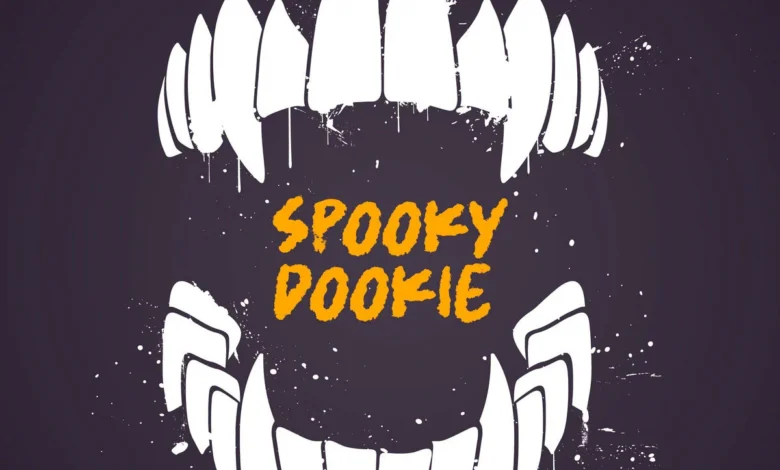
The landscape of electronic music is often shaped by tracks that linger in the shadows, tracks that exist solely within the private collections of DJs and producers, functioning as secret weapons during the deepest hours of the night. Such is the case with Spooky Dookie, a collaborative effort between Shane One and Shiny Objects, which has finally emerged from the archives to see an official release via Om Records. The track, which spent eleven years in a state of suspended animation following a 2015 studio session, offers a fascinating case study in how spontaneity, long-term artistic relationships, and the serendipity of live performance can converge to bring a long-forgotten project to light.
The Genesis of a Studio Experiment
In 2015, the electronic music scene was navigating a period of transition, moving away from the peak-time maximalism of the early 2010s toward a more nuanced, rhythm-focused minimal house aesthetic. It was during this creative window that Chris Smith—the founder of the influential Om Records who records under the alias Shiny Objects—entered the studio with Shane Duryea, professionally known as Shane One. Duryea, a producer whose pedigree includes significant contributions to the PillowTalk sound, brought a technical precision that complemented Smith’s foundational understanding of the house music ethos.
The recording session was intended as a low-stakes experiment, an exploration of sound design rather than a pursuit of a commercial single. The resulting track utilized a distinctive combination of a rubbery, liquid-like synthesizer bassline paired with ethereal, marimba-inspired chimes. This melodic structure was anchored by a crisp, stripped-back minimal house percussion loop. The inclusion of a vocal introduction by the legendary horror icon Vincent Price added an unmistakable, if unintended, thematic layer to the production. At the time of its inception, the artists had no specific intent to align the work with the Halloween season; rather, the "spooky" moniker and atmosphere were natural byproducts of the sounds they had selected during the creative process.
A Chronology of Silence and Resurgence
For over a decade, Spooky Dookie remained a piece of "lost media," known only to a tight circle of industry peers and collaborators. Despite the track never seeing a digital or physical release, it became a staple in the personal record bags of both Smith and Duryea. It was frequently deployed as an after-hours track, typically finding its place in the setlists during the twilight hours of underground events, when the dance floor required something atmospheric, hypnotic, and slightly unconventional.
The trajectory of the track changed in August 2026, during a private engagement. The two producers were booked to perform a back-to-back set at a friend’s wedding reception. As the clock approached 4:00 AM, the atmosphere of the event transitioned from formal celebration to a more intimate, late-night dance floor environment. It was here, in the early hours of the morning, that the duo revisited the track. The reception it received from the attendees served as the final validation for the producers. Following the event, Smith and Duryea made the collective decision to return to the studio to finalize the production, adding the finishing touches to the vocal elements and preparing the master for its 2026 release through Om Records.
Production Dynamics and Technical Composition
The collaboration between Shane One and Shiny Objects represents a synthesis of two distinct but complementary approaches to electronic music. Chris Smith’s role as the architect of Om Records—a label that has been instrumental in shaping the West Coast house sound since the mid-1990s—brings a structural consistency to the track. His production under the Shiny Objects moniker often emphasizes groove and spatial awareness, which is clearly evident in the way the bassline in Spooky Dookie functions as the primary rhythmic driver.
Shane One, meanwhile, brings the texture. His history with PillowTalk—a group celebrated for their organic, melodic approach to dance music—is reflected in the marimba-like synth patches. The choice of these particular sounds provides a sharp contrast to the darker, more industrial-leaning bassline. This juxtaposition is the defining characteristic of the track. By weaving together high-frequency, bell-like tones with a low-frequency, synthetic pulse, the producers created a sonic environment that feels both retro-futuristic and timeless.
The inclusion of the Vincent Price sample is an interesting analytical point in the track’s composition. In electronic music, vocal sampling is frequently used to provide a "hook" or a narrative anchor. By incorporating a figure as synonymous with horror as Price, the producers inadvertently leaned into a niche aesthetic that has historically been underrepresented in the house music mainstream. This decision highlights a growing trend in modern production: the reclamation and repurposing of cinematic tropes to enhance the atmospheric quality of dance music.

Industry Implications and the "Long-Tail" Release
The release of Spooky Dookie raises significant questions regarding the lifecycle of electronic music production in the digital age. In an industry that is increasingly driven by the constant churn of new content and the algorithmic demand for high-frequency releases, the fact that a track can sit dormant for eleven years and still resonate with modern audiences is noteworthy.
The success of such a release suggests that there is an enduring appetite for "curated nostalgia" within the house music community. For independent labels like Om Records, which have historically relied on building long-term relationships with artists, the release serves as a reminder that the value of a recording is not always tied to its immediate release window. By waiting for the right cultural or personal moment, artists can transform a studio experiment into a legacy piece that carries a narrative weight far greater than a standard promotional release.
Furthermore, the "wedding reception" anecdote provides a glimpse into the informal, community-based network that still governs much of the underground electronic scene. While major labels often rely on expensive PR campaigns and data-driven marketing, the decision-making process for this track was entirely organic, stemming from the direct feedback of the dance floor. This bottom-up approach to music distribution is a cornerstone of the house music movement, ensuring that the tracks which survive the test of time are those that have been "road-tested" in the most authentic settings possible.
Analyzing the Halloween Connection
While the artists have been clear that the track was not explicitly composed for a holiday-themed market, the timing of the release—coinciding with the lead-up to Halloween—is a strategic alignment that likely benefits the track’s discoverability. The "spooky" aesthetic is a recurring motif in electronic music, particularly in the sub-genres of dark house and acid, where the inclusion of dissonant chords or ominous vocal samples is a common tool for building tension.
Spooky Dookie does not lean into the kitsch often associated with Halloween music; instead, it uses the atmospheric qualities of its components to evoke a sense of unease and curiosity. This is a subtle approach that allows the track to be played in a variety of settings outside of the month of October. It functions as a sophisticated example of how thematic elements can be integrated into dance music without compromising the rhythmic integrity required for a club environment.
A Legacy of Collaboration
The partnership between Shane One and Shiny Objects serves as a blueprint for artistic longevity. By maintaining their creative dialogue over a decade, both artists have ensured that their output remains relevant, even when it is not in the public eye. For listeners, the release of Spooky Dookie is an opportunity to engage with a piece of music that has been refined through years of live performance and careful consideration.
As the track enters the public domain, its influence will likely be measured by its longevity in DJ sets and its ability to bridge the gap between different eras of the house music movement. It is a testament to the idea that a good track—much like the late-night sessions that birthed it—does not have an expiration date. Through the commitment of the artists and the support of a label like Om Records, what began as a 2015 studio experiment has matured into a fully realized, professional-grade production that stands as a definitive moment in the collaborative history of these two producers.
As of October 2026, the track is available across all major digital streaming and download platforms. Its arrival marks not just the conclusion of an eleven-year wait, but the beginning of a new chapter for both artists as they continue to explore the boundaries of their sound, proving that the most compelling stories in music are often the ones that take the longest to tell.
Related posts: