Metropolitan Opera 2026-27 Season Revival of Cosi fan tutte Brings 1950s Coney Island Aesthetic to Mozart Classic

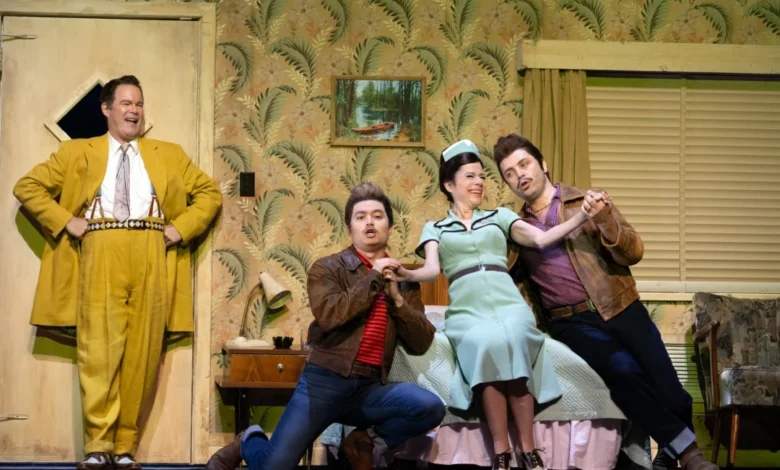
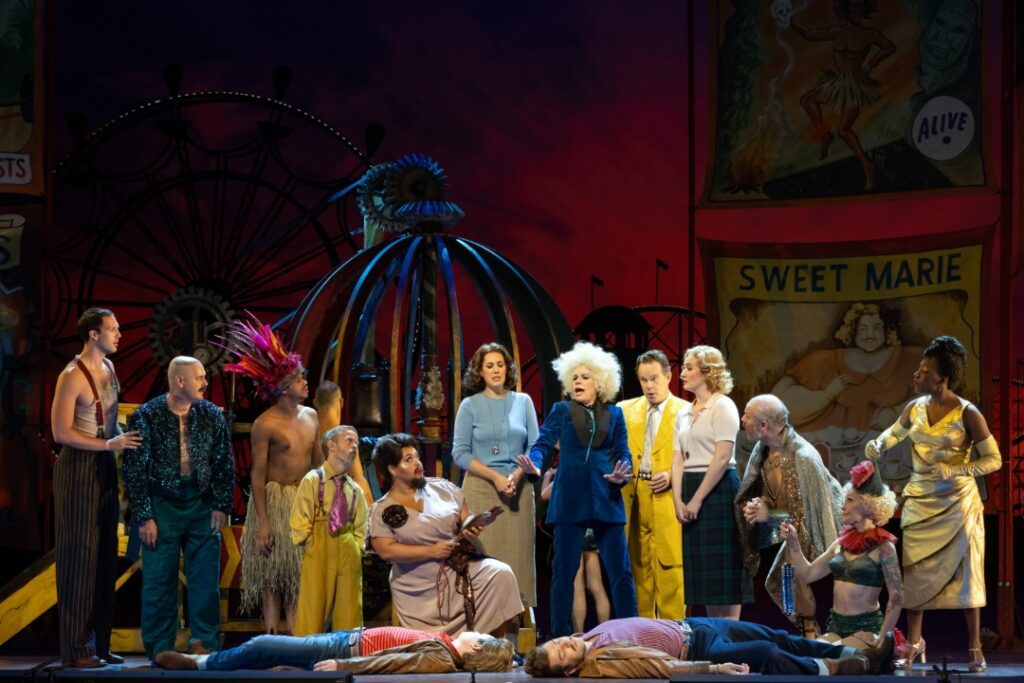
The Metropolitan Opera has officially launched its highly anticipated 2026-27 theatrical season with a vibrant, visually striking revival of Wolfgang Amadeus Mozart’s classic comic opera, Così fan tutte. Originally premiered by the company in 2020 under the creative direction of Phelim McDermott, the production returned to the Lincoln Center stage to critical acclaim, shifting the narrative framework of Lorenzo Da Ponte’s libretto from its traditional 18th-century European setting to the sun-bleached, neon-lit boardwalk of 1950s Coney Island. Beneath the playful surface of mid-century American nostalgia, the staging continues to interrogate the timeless psychological vulnerabilities, shifting loyalties, and fragile egoisms governing human romantic entanglements.
Background Context and Historical Reception of the Opera
Commissioned by Emperor Joseph II following the resounding success of Le nozze di Figaro and Don Giovanni, Così fan tutte ossia La scuola degli amanti (Thus Do They All, or The School for Lovers) debuted at the Burgtheater in Vienna on January 26, 1790. Despite Mozart’s sparkling, mathematically precise score, the opera’s cynical exploration of fidelity, disguise, and emotional manipulation proved jarring for subsequent generations. During the 19th and early 20th centuries, the work faced severe moralistic backlash. Prominent cultural figures, including Johann Wolfgang von Goethe, expressed deep personal distaste for its premise—which features two young officers wagering on the absolute constancy of their fiancées, only to swap partners in an elaborate psychological experiment orchestrated by the cynical philosopher Don Alfonso. Ludwig van Beethoven reportedly harbored similar reservations, compositions like Fidelio serving as his thematic antithesis to Da Ponte’s playful amorality.
Over time, however, musicologists and modern directors have come to appreciate the work not as a frivolous farce, but as a razor-sharp human comedy that exposes the underlying absurdities of romantic idealism. Mozart’s composition operates as an unforgiving sonic mirror; its deceptively simple musical gestures and memorable motifs leave performers nowhere to hide, demanding absolute vocal precision, stylistic discipline, and seamless collaborative synergy from the ensemble.
Chronology and Performance Highlights of the 2026-27 Revival
The evening’s musical execution was masterfully steered by conductor Nimrod David Pfeffer, whose rigorous attention to orchestral detail anchored the fast-paced dramatic shifts. Eschewing a comprehensive structural re-evaluation of a production already documented during its 2020 run, critics and audiences alike directed their focus toward the stellar vocal performances delivered by a globally renowned cast.
The vocal architecture of the evening rested heavily upon the dynamic pairing of soprano Federica Lombardi as Fiordiligi and mezzo-soprano Samantha Hankey as Dorabella. Lombardi delivered a masterclass in vocal control and expressive depth. Her performance of the iconic Act one aria "Come scoglio" showcased a breathtaking range, seamlessly plummeting into rich chest resonances before soaring effortlessly into pristine, crystalline high registers. Critics noted that her sumptuous phrasing provided a profound emotional anchor for the production.
Complementing Lombardi, Hankey infused Dorabella with a complex, grounding warmth. Her execution of "Smanie implacabili" bypassed conventional melodrama, rendering Dorabella’s emotional turbulence as a vital, driving catalyst for the plot’s descent into chaos. Together, Lombardi and Hankey’s opening duet, "Ah! guarda sorella," established an exceptionally high standard of tonal harmony and stylistic elegance for the remainder of the evening.
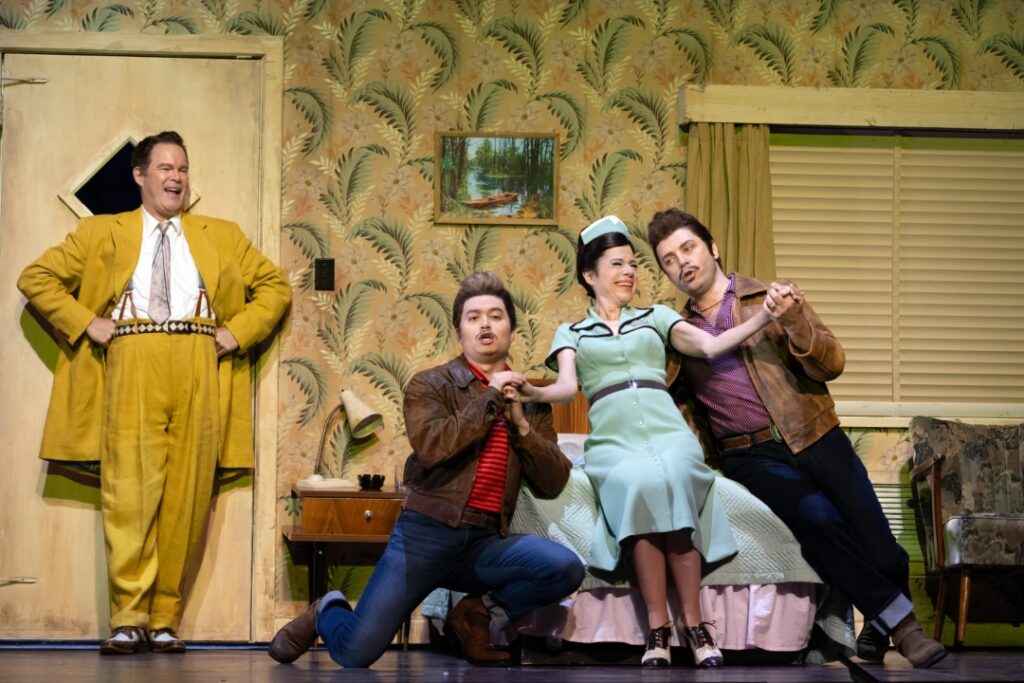
The comedic yet cynical male triumvirate featured tenor Duke Kim as Ferrando, baritone Andrey Zhilikhovsky as Guglielmo, and veteran bass-baritone Gerald Finley as the manipulative mastermind, Don Alfonso. Kim’s youthful naivety and shimmering tenor timbre—particularly evident in his sensitive delivery of "Un’aura amorosa"—stood in stark contrast to Zhilikhovsky’s swaggering arrogance and sleazy theatricality.
Finley’s portrayal of Don Alfonso served as an intellectual backbone for the production. Stripping the character of one-dimensional chauvinism, Finley weaponized dark comedic timing to expose the absurdity of male narcissism. His effortless integration into the vocal textures of the trio "Soave sia il vento," alongside Lombardi and Hankey, offered one of the most sublime and understated musical highlights of the evening.
Rounding out the principal cast, soprano Ana María Martínez tackled the role of the pragmatic maid, Despina. Martínez commanded the stage with razor-sharp agility, her sparkling vibrato and vibrant physical comedy driving the pacing of her Act two showcase, "Una donna a quindici anni," to rapturous applause from the Met audience.
The Production Design: 1950s Coney Island Mechanics
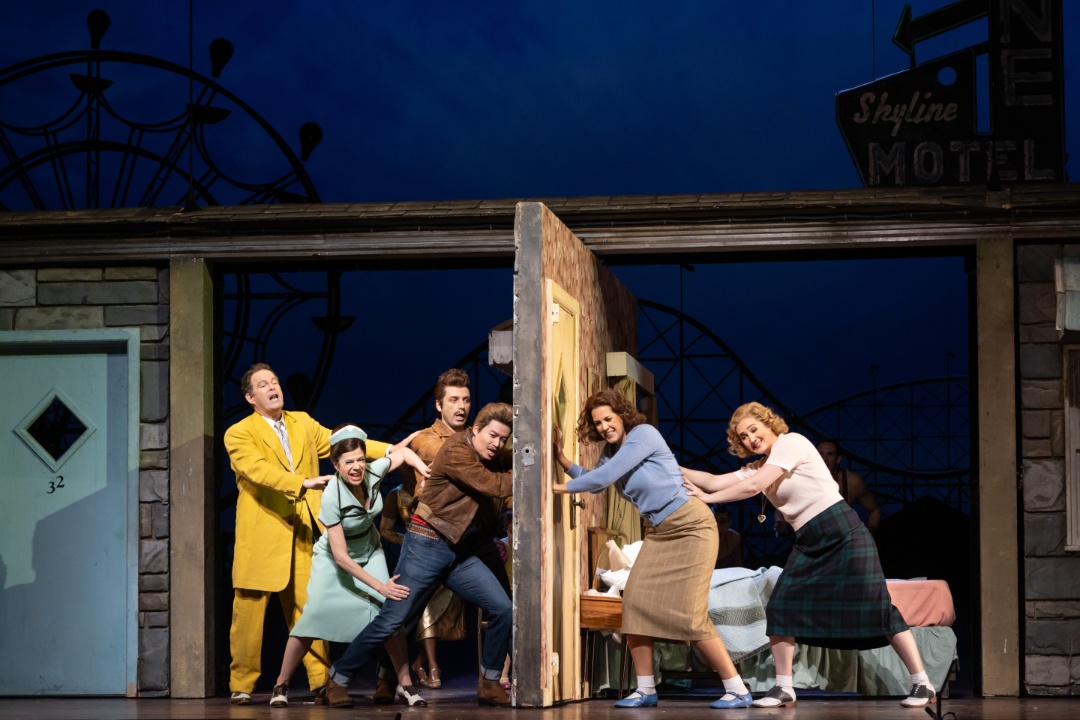
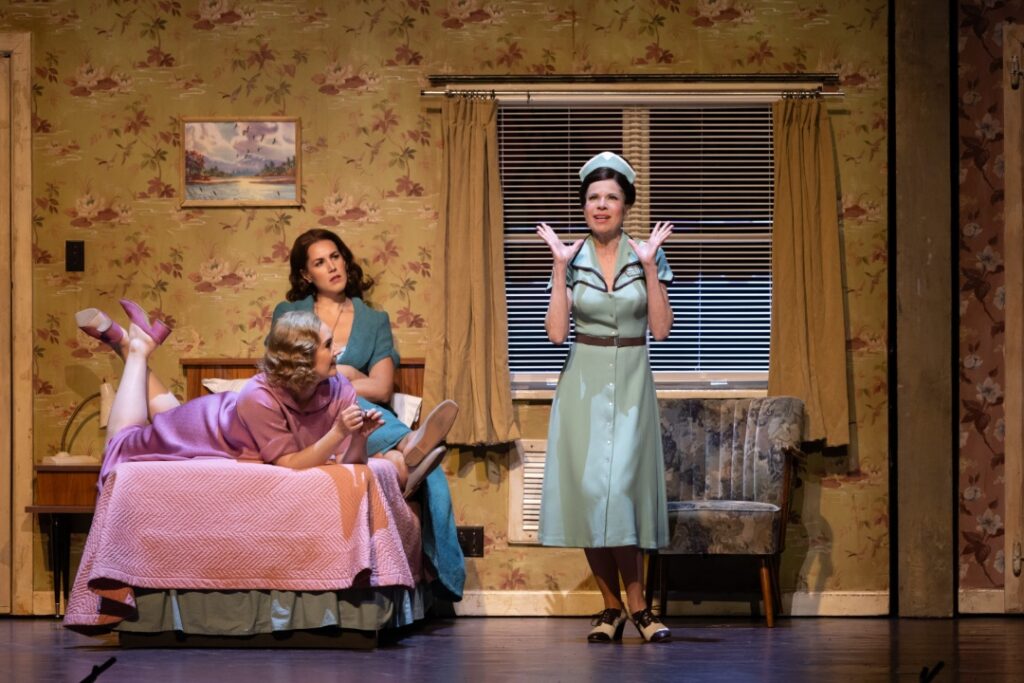
Phelim McDermott’s directorial brilliance in this revival continues to reside in the seamless integration of mechanical staging and symbolic design. Transporting the action to a 1950s Coney Island boardwalk allows the production to tap into a distinct visual lexicon of mid-century Americana—complete with rotating scenic partitions, vintage carnival aesthetics, a functioning Ferris wheel, and even a live albino boa constrictor that made memorable, whimsical appearances throughout the performance.
This hyper-stylized environment serves a functional purpose: it traps the characters within a dizzying carousel of emotional roleplay, mirroring the inescapable loops of human self-deception written into Da Ponte’s libretto. Rather than distracting from the source material, the imaginative landscape amplifies the psychological claustrophobia of the narrative, allowing Mozart’s score to remain the undisputed focal point.
Broader Cultural Impact and Analytical Implications
The success of the Metropolitan Opera’s opening week production of Così fan tutte underscores the enduring viability of classic repertoire when reinterpreted through innovative, highly polished theatrical lenses. By marrying 18th-century structural rigor with mid-century visual pop culture, the Met has demonstrated how historic works can continuously reinvent themselves for contemporary audiences without compromising artistic integrity.
Industry analysts note that high-profile, critically praised revivals of core Mozart masterworks play a critical role in driving box office attendance and engaging younger demographic cohorts within the performing arts sector. Through the collaborative leadership of conductor Nimrod David Pfeffer and a globally elite cast, the Metropolitan Opera has set a rigorous artistic benchmark for the remainder of its 2026-27 calendar, reaffirming its status as a premier global institution for operatic excellence.