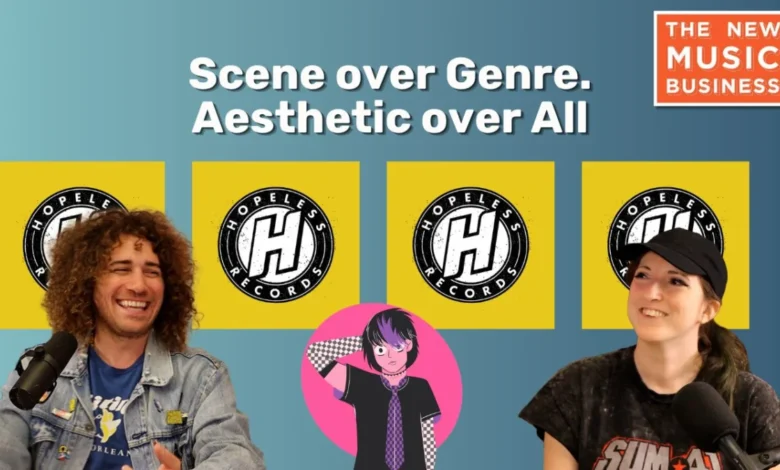
The modern music industry is unrecognizable compared to just a decade ago, transitioning away from traditional broadcast media and high-budget physical press runs toward algorithmic discovery, short-form video platforms, and decentralized digital communities. Navigating this seismic shift requires a fundamental reimagining of artist development and promotional strategies. Recently, on an episode of the New Music Business podcast hosted by industry author and advocate Ari Herstand, Nicole Abea—Director of Influencer and User-Generated Content (UGC) Promotions at Hopeless Records—sat down to demystify how independent record labels operate in the current digital ecosystem. Tracing her trajectory from an intern to a leading executive at one of alternative rock’s most enduring independent labels, Abea provided a comprehensive insider’s look at TikTok seeding, micro-budget campaigns, the power of BookTok, and the evolving metrics that digital service providers (DSPs) prioritize when evaluating contemporary music releases.
The Evolution of Indie Label Marketing: From Traditional PR to the Digital Frontier
Over the past ten years, Hopeless Records has systematically overhauled its promotional framework. Historically, independent labels relied heavily on print media, terrestrial radio formatting, music television channels, and traditional social media posts to build awareness for alternative, pop-punk, and rock acts. However, as audiences migrated en masse to algorithmic feeds and decentralized social spaces, the label realized that sustained success required prioritizing peer-to-peer discovery and community-led engagement.
Abea’s professional journey mirrors this institutional transformation. Beginning her tenure at Hopeless Records as an intern, she witnessed firsthand the diminishing returns of legacy marketing tactics when applied to younger, digitally native demographics. By spearheading the label’s pivot toward influencer marketing and user-generated content, Abea helped position Hopeless as a forward-thinking powerhouse capable of breaking alternative acts in a digital economy dominated by platforms like TikTok, Instagram Reels, and YouTube Shorts. Throughout her career at the label, she has managed strategic promotional campaigns for a diverse roster of developing and established alternative artists, including Scene Queen, THXSoMCH, Neck Deep, Melrose Avenue, and Autumn Kings.
Demystifying TikTok Seeding, Fan Accounts, and Algorithmic Discovery
A central theme of Abea and Herstand’s conversation focused on the mechanics of modern digital discovery, particularly the realities of TikTok seeding and the vital role played by passionate fan accounts. Contrary to the misconception that viral moments occur entirely by organic accident, contemporary music marketing often involves meticulous seeding strategies. Labels systematically introduce tracks to a targeted network of creators, influencers, and micro-influencers whose content aligns with a specific sonic aesthetic or cultural subculture.
However, Abea emphasized that raw seeding is insufficient without the foundational support of dedicated fan communities. Fan accounts—enthusiastic digital spaces managed by listeners rather than label executives—frequently act as the primary catalysts for sustainable traction. When superfans establish localized online communities, they generate authentic user-generated content that algorithms favor. Platforms like TikTok reward content that inspires replication, duets, and creative interpretation. Consequently, the most successful promotional campaigns focus less on direct advertising and more on empowering fans to weave an artist’s music into their own digital narratives.
Maximizing Impact: How to Market a Release on a Micro-Budget
For independent artists and boutique labels operating without the financial cushion of major label capital, resource allocation is critical. During the podcast, Abea addressed a common anxiety among emerging creators: how to effectively market a single or album with a restricted financial footprint, such as a $2,000 budget.
According to Abea, a limited budget should never be spent on broad, untargeted digital ad campaigns that yield hollow impression metrics. Instead, capital must be deployed strategically toward content creation, targeted micro-influencer partnerships, and physical or digital asset generation that fuels fan participation. By collaborating with niche creators who command highly engaged, hyper-specific audiences, artists achieve a higher conversion rate of casual listeners into long-term supporters. Furthermore, investing in visually compelling, trend-adjacent video content provides the raw material necessary for fans to generate their own UGC, effectively multiplying the initial promotional spend through organic community amplification.
The Rise of BookTok and Niche Online Communities
As traditional genre boundaries continue to blur, music marketers are increasingly looking outside conventional music ecosystems to find prospective listeners. One of the most lucrative cross-pollination phenomena in recent years is the intersection of publishing and music, colloquially known as BookTok.
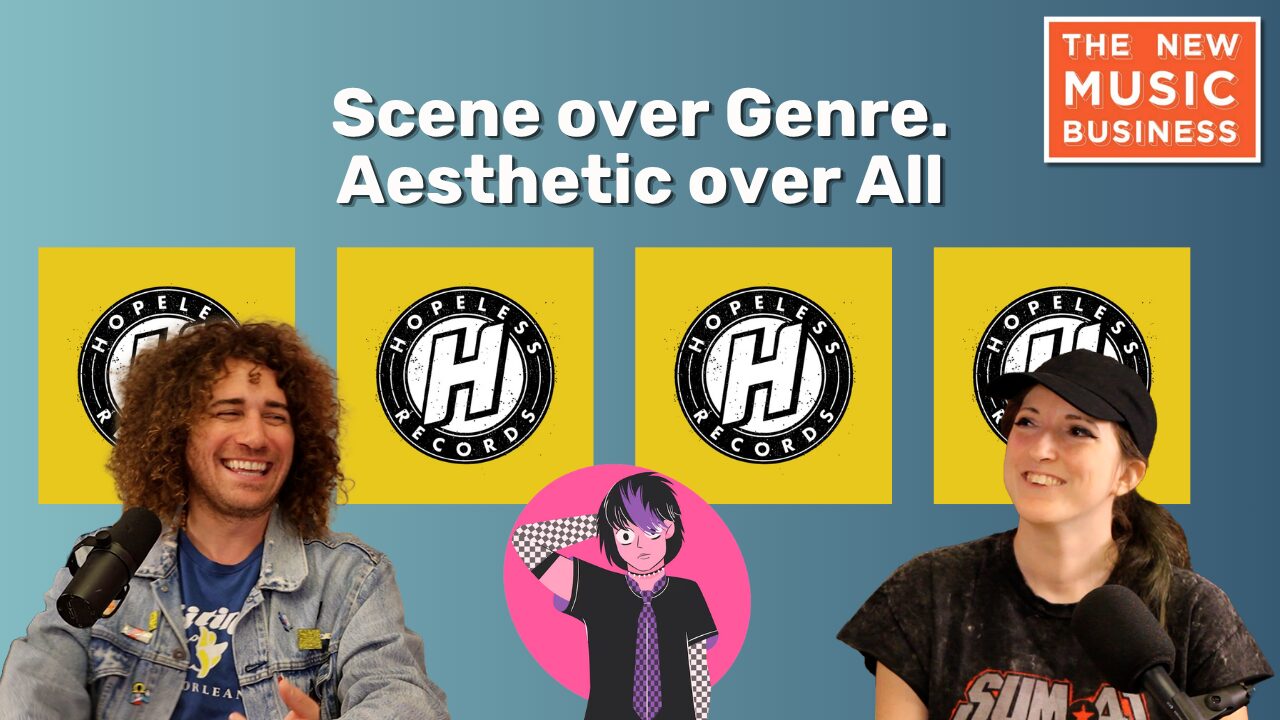
Abea detailed how Hopeless Records and other forward-thinking labels identify non-traditional online subcultures where emotional, narrative-driven music can thrive. BookTok—the vibrant community of literature enthusiasts on TikTok—has proven to be an extraordinarily fertile ground for atmospheric, romantic, or emotionally intense alternative music. By partnering with prominent book reviewers, creators, and fandom organizers who curate aesthetic video montages for specific literary tropes, marketers can introduce independent artists to millions of engaged readers who actively seek out soundtracks for their reading experiences. This strategy underscores a broader industry shift toward "scene over genre," where music is marketed not merely by its sonic classification, but by the emotional lifestyle and aesthetic community it represents.
What DSPs Want: The Metrics That Matter to Spotify and Apple Music
Securing editorial playlist placement on major digital service providers (DSPs) like Spotify and Apple Music remains a major objective for both independent and major label releases. However, the criteria editors use to evaluate tracks have evolved alongside consumer behavior.
Abea and Herstand explored the modern algorithmic and editorial expectations of DSPs. Today, playlist curators and editorial boards look far beyond basic pre-save numbers or initial stream counts. They analyze holistic audience engagement metrics, including listener retention rates, playlist adds by users, social media velocity, and the volume of organic user-generated content pointing back to the track. When a song successfully drives external traffic from platforms like TikTok and Instagram into a DSP, it signals to algorithmic systems that the release has genuine cultural momentum. Consequently, DSP pitching is no longer just about presenting a polished press release to an editor; it is about demonstrating undeniable proof of an active, expanding audience base that is already consuming and creating content around the music.
The Strategic Shift: Why Record Labels Are Signing Influencers
In a development that highlights the deep convergence of digital creator culture and the traditional music business, modern record labels are increasingly scouting, developing, and signing internet personalities who transition into music, rather than traditional musicians alone.
Abea discussed the underlying logic of this trend. Creators who have already mastered the art of audience retention, daily engagement, and platform algorithm navigation possess a distinct competitive advantage when launching a musical project. They bring an existing community of devoted followers who are already emotionally invested in the creator’s personal journey. While musical talent and songwriting authenticity remain essential for long-term viability, a pre-established digital audience dramatically reduces the financial risk and uncertainty associated with traditional artist development cycles. This blurring of lines between content creator and recording artist is expected to remain a prominent feature of the music industry landscape.
Fandom Evolution: Scene Over Genre and the Legacy of Catalog Hits
The conversation also touched upon the macro-level transformation of modern fandom, moving away from rigid allegiance to specific musical genres and toward fluid, identity-driven cultural scenes. Fans today frequently consume an eclectic mix of alternative, hip-hop, electronic, and pop music, unified primarily by shared aesthetic values, fashion choices, and digital subcultures. This evolution explains why cross-genre collaborations and unexpected promotional pathways continue to yield remarkable results.
As a case study in the enduring power of catalog longevity and modern viral marketing, the discussion highlighted the unexpected resurgence of All Time Low’s 2007 pop-punk anthem, "Dear Maria, Count Me In." Despite being released long before the TikTok era, tracks with deep emotional resonance within alternative subcultures frequently experience secondary waves of viral discovery. By understanding how legacy catalog assets can be reintroduced to younger generations through targeted UGC challenges and nostalgic audio trends, labels can breathe new life into older intellectual property, generating substantial streaming revenue and introducing classic tracks to entirely new demographics.
Algorithmic Realities, Rage Bait, and the Future of Music Marketing
Concluding their extensive analysis, Herstand and Abea evaluated the psychological and technological forces shaping the future of digital promotion, including the prevalence of algorithmic polarization and "rage bait" content. In an attention economy where controversy and emotional provocation frequently dominate algorithmic distribution feeds, music marketers face the ongoing challenge of cutting through the digital noise without compromising artistic integrity.
Abea maintained that while algorithmic tactics and viral trends offer powerful entry points for discovery, long-term career sustainability depends on cultivating authentic human connection. Algorithms may dictate how a track is initially introduced to a listener, but genuine fandom—the kind that translates into concert ticket sales, merchandise purchases, and lifelong loyalty—requires substance, community, and consistent artistic execution. As the music business looks further into the digital age, the successful independent label will continue to balance data-driven promotional agility with a profound respect for the creative communities that sustain the industry.