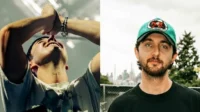
Missbrauch: Insider schockt die Techno-Szene ist der Titel einer neuen ZDF-Dokumentation, die den Hardtechno-Callout beleuchtet

The recent investigative documentary produced by the ZDF format Die Spur, titled "Missbrauch: Insider schockt die Techno-Szene" (Abuse: Insider Shocks the Techno Scene), marks a significant milestone in the ongoing reckoning regarding sexual misconduct within the electronic dance music (EDM) industry. Authored by Maike von Galen and Silja Thoms, the 30-minute film provides an in-depth examination of the "Hardtechno-Callout"—a digital movement that surfaced in February 2026, fundamentally altering the discourse surrounding safety, accountability, and power dynamics on the global rave circuit.
The Origins of the Hardtechno-Callout
The movement traces its roots back to the Instagram account @bradnolimit. Emerging from the shadows, this account began systematically publishing allegations against prominent figures in the hardtechno scene. The accusations leveled were severe, ranging from sexual harassment and non-consensual behavior to allegations of sexual abuse involving minors and attempted rape.
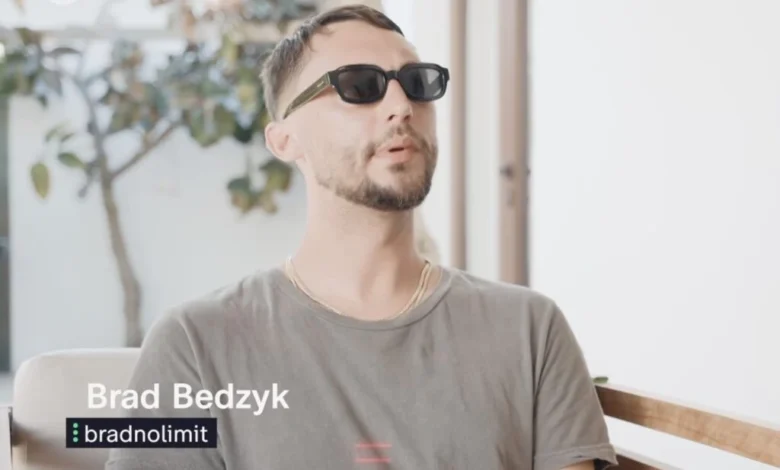
For the first time since the allegations surfaced, the documentary successfully secured an exclusive interview with the operator of the @bradnolimit account. Conducting the meeting on Ibiza, the filmmakers pressed the whistleblower on their motivations and the veracity of their sources. The involvement of Katrin Fuhrmann, editor-in-chief of DJ Mag, as a collaborator on the project adds a layer of industry-specific scrutiny, bridging the gap between social media activism and formal journalistic investigation.
Chronology of the Controversy
The timeline of these events highlights a rapid shift from digital outcry to industry-wide crisis:
- February 2026: The @bradnolimit account initiates a series of posts, naming high-profile DJs and alleging a culture of impunity. The speed and scale of the allegations take the international techno scene by surprise.
- March–April 2026: Major festival organizers and club promoters face immense pressure to address the claims. The dilemma of the "presumption of innocence" versus "duty of care" becomes the central debate.
- Mid-2026: Legal battles ensue. One accused DJ attempts to seek a court-ordered shutdown of the @bradnolimit account in France. The court rejects the motion, noting that the allegations are of sufficient public interest and that the account’s content could potentially be substantiated.
- Late 2026: The ZDF documentary airs, bringing the conversation from niche social media circles into the mainstream public sphere, forcing a wider reckoning within the German cultural landscape.
The Festival Dilemma: Accountability vs. Due Process
A focal point of the documentary is the Open Beatz Festival in Herzogenaurach. Florian Gebauer, the festival’s organizer, provides a candid look at the precarious position promoters found themselves in during the 2026 season. Faced with public outcry and the potential for reputational damage, Gebauer opted to remove several booked artists from the lineup.
"We were forced to act without a legally binding verdict," Gebauer admits in the film, describing the uncomfortable reality of "pre-judging" artists to ensure the safety and comfort of festival attendees. This highlights a broader structural problem: the lack of standardized, industry-wide mechanisms to handle misconduct allegations before they reach the court system.
Critiques of Industry Safety Standards
The documentary extends its lens beyond individual perpetrators, questioning the systemic vulnerabilities of the industry. Larissa Ries, a well-known 1Live moderator, contributes a critical analysis of current festival infrastructure. She points specifically to:
- Lax Access Control: The lack of rigorous ID checks for sensitive areas, particularly the "backstage" zones, which are often cited as locations where power imbalances are exploited.
- Lack of Awareness: The disconnect between high-level festival management and the ground-level experience of patrons.
The collective MeTooDJs also features in the documentary, asserting that the industry’s response has been reactive rather than proactive. Their critique centers on the delay in implementing "Awareness Teams" and the hesitancy of large-scale promoters to institute zero-tolerance policies regarding booking artists who have credible allegations against them.

Data and Behavioral Implications
While hard data on sexual misconduct in the music industry is notoriously difficult to aggregate due to underreporting, the impact of the @bradnolimit movement provides a proxy for the level of systemic frustration. Reports suggest that since the beginning of 2026, the number of festivals implementing dedicated "Awareness" staff has increased by approximately 40% in Germany, Austria, and Switzerland.
However, the documentary also highlights the complexity of the digital justice movement. A recurring point of tension is the irony surrounding the accuser. The film discusses allegations leveled against the operator of the @bradnolimit account, with several women claiming that the whistleblower themselves engaged in inappropriate behavior. The subject has issued a formal, written denial of these claims, adding a layer of moral ambiguity to the narrative—a phenomenon often observed in digital "vigilante" movements.
Analysis: A Shift in Industry Power
The implications of the Die Spur documentary are twofold. First, it underscores the diminishing power of the traditional "star DJ" model. When reputations are tied to digital perception, a single whistleblowing campaign can effectively terminate a career before the wheels of the legal system even begin to turn. This represents a significant shift in the power dynamic between artists, fans, and promoters.
Second, the film highlights the necessity for legal and ethical frameworks within electronic music. The French court’s decision to deny the injunction against @bradnolimit suggests that, in the eyes of the law, the "public interest" of the electronic music scene—a space that prides itself on community and inclusivity—is beginning to outweigh the privacy of the individual performer when allegations of physical harm are involved.
Broader Impact and Future Outlook
As the documentary concludes, it becomes clear that the techno scene is at a crossroads. The era of the "untouchable" DJ, protected by high-net-worth management and an insular subculture, is facing a sustained challenge. The normalization of these discussions—as seen in the ZDF broadcast—suggests that the industry can no longer hide behind the "what happens in the booth, stays in the booth" mentality.
The challenges remaining are substantial. Without a centralized, objective body to verify reports of misconduct, the scene remains vulnerable to both unsubstantiated rumors and the continued abuse of power. The industry is currently moving toward a model where "Awareness" is no longer an optional add-on but a fundamental pillar of event production.
The ZDF production serves as both a historical record of the 2026 crisis and a catalyst for further change. For festival organizers, the lesson is clear: the cost of inaction, both financially and ethically, is rising. For the audience, the movement represents an attempt to reclaim the dance floor as a space of genuine safety, rather than one defined by the unchecked authority of those behind the decks.
The full documentary remains available on the ZDF Mediathek, offering an essential viewing experience for anyone invested in the future of the electronic music landscape. As the industry moves into 2027, the long-term impact of this "Hardtechno-Callout" will likely be defined by whether these calls for justice lead to permanent policy changes or remain merely a fleeting moment of social media turbulence.