Warner Music Group Executive Carianne Marshall to Depart Warner Chappell in Leadership Streamlining Effort

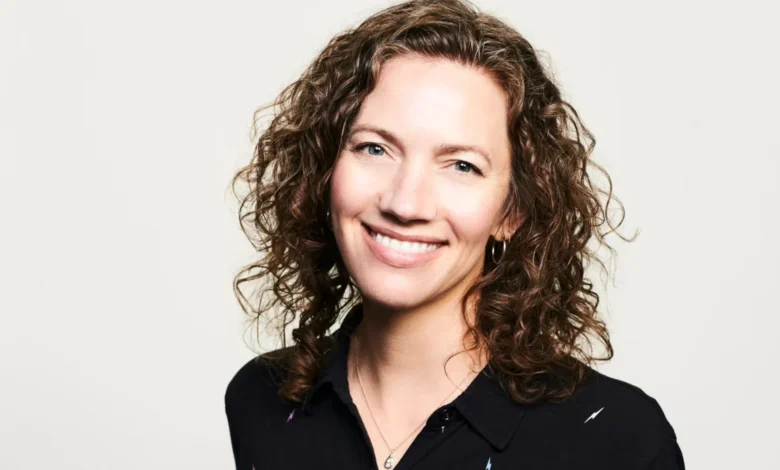
Warner Music Group (WMG) has officially confirmed that Carianne Marshall, the high-profile COO and co-chair of its publishing division, Warner Chappell Music (WCM), will vacate her position at the end of September. This announcement, delivered on Monday, September 21, marks a significant shift in the executive landscape of one of the world’s "Big Three" music publishing companies. The departure is framed by the corporation as part of a broader, WMG-wide initiative to streamline leadership structures, effectively moving away from the co-chair model that has defined the company’s upper management for several years.
A Seven-Year Tenure of Strategic Transformation
Carianne Marshall’s exit brings to a close a seven-year tenure that began in June 2018. She joined Warner Chappell following an influential run at SONGS Music Publishing, an independent firm that gained significant prestige for its agile approach to copyright and synchronization. When Marshall was recruited to WCM, the industry viewed the hire as a deliberate attempt by the major publisher to adopt a more nimble, "indie-minded" approach to A&R and administrative operations.
During her time at the helm, Marshall was instrumental in modernizing the publisher’s value proposition to songwriters. She prioritized the expansion of the company’s synchronization licensing division—a vital revenue stream in the streaming era—and spearheaded the creation of a dedicated Creative Services department. This initiative was designed to move beyond traditional royalty collection, providing songwriters with direct avenues for commercial partnerships, brand collaborations, and sync opportunities in film, television, and gaming.
The Dynamics of the Co-Chair Model
The departure of Marshall is not an isolated incident but rather a symptom of a larger structural reorganization across Warner Music Group. Industry analysts have noted that WMG has been steadily pivoting toward a more centralized, singular leadership structure. The most prominent precedent for this transition occurred in July, when Tom Corson, who served as co-chair and COO of Warner Records, was transitioned into a new, expanded role as the Chief Operating Officer for the entire Warner Music Group.
By removing the co-chair title, WMG is effectively consolidating decision-making power under singular leadership roles, a move that often aims to reduce bureaucratic friction and clarify reporting lines. At Warner Chappell, this means that Guy Moot, the veteran A&R executive who joined the company as CEO and co-chair in 2019, will remain the sole chair of the publishing house. The partnership between Moot and Marshall had been widely regarded as a successful marriage of skill sets—Moot’s deep roots in creative A&R, honed during his tenure at Sony, complemented Marshall’s operational and licensing expertise.
Chronology of the Transition
The transition process has been described by WMG as a "seamless" hand-off. Following her departure from the COO role at the end of September, Marshall is expected to remain with the company through the end of the 2024 calendar year to facilitate a smooth transfer of responsibilities and provide institutional continuity.
- June 2018: Carianne Marshall is appointed as COO of Warner Chappell Music, tasked with modernizing the company’s creative and operational approach.
- 2019: Guy Moot joins WCM as CEO and co-chair, forming the leadership duo that would lead the publisher for the next five years.
- July 2024: WMG announces a leadership shift at Warner Records, moving Tom Corson to a group-wide COO role, signaling a broader corporate trend toward single-chair structures.
- September 2024: Warner Music Group confirms Marshall’s upcoming departure, citing a move to streamline leadership.
- December 31, 2024: Anticipated conclusion of Marshall’s transition period with the company.
Official Statements and Internal Sentiment
In a formal statement released by the company, Marshall reflected on the culture she helped build. "When Guy and I began this journey together, we wanted to build a songwriter-first home for the creative community," she stated. "Reflecting on our time, I am proudest not only of our growth, but of the incredible culture and values we’ve fostered together."
The sentiment was echoed by Guy Moot, who emphasized the collaborative nature of their five-year partnership. "Carianne has been an extraordinary partner and a fierce champion for our songwriters and our people over the past seven years," Moot said. "Her vision, heart, and drive helped us establish an operating foundation that sets Warner Chappell apart and shaped a winning global team."

Robert Kyncl, the CEO of Warner Music Group, provided a corporate perspective on the departure, focusing on the long-term health of the organization. "Carianne has been instrumental in building Warner Chappell into the successful company it is today," Kyncl noted. "She’s helped drive exceptional results that have set our songwriters and our business up for long-lasting success."
Market Implications and Future Outlook
The departure of a high-ranking executive with Marshall’s specific focus on creative services and synchronization licensing raises questions about how the publishing giant will maintain its competitive edge in a crowded market. Music publishing has seen a surge in valuation over the last decade, driven by private equity investment and the rising value of song catalogs. For a major publisher like Warner Chappell, the ability to maximize the utility of those catalogs through creative licensing is paramount.
The shift away from co-chairmanship also signals that Robert Kyncl, who took over as WMG CEO in 2023, is continuing his mandate to streamline operations. Investors and industry stakeholders often look for signs of leaner corporate overheads in large media conglomerates, and the consolidation of executive roles is a common tool for achieving these efficiencies.
However, the loss of a leader known for an "indie mindset" within a major corporation could present a challenge in terms of talent retention. The success of Warner Chappell over the last seven years was largely attributed to the company’s ability to attract and retain songwriters who might have otherwise opted for smaller, independent publishers. Whether the company can continue to maintain that creative allure under a unified leadership structure will be a focal point for the industry in the coming fiscal quarters.
Broader Industry Context
Warner Chappell Music, which represents a vast catalog including icons like George Gershwin and Cole Porter as well as modern stars like Lizzo and Anderson .Paak, operates in a highly aggressive global landscape. With competitors like Universal Music Publishing Group (UMPG) and Sony Music Publishing constantly vying for market share and high-value catalog acquisitions, the stability of WCM’s leadership is closely watched by the financial markets.
As the industry moves toward a more digitized, data-driven model for royalty distribution and sync licensing, the emphasis is shifting from administrative management to technological integration. Marshall’s departure may coincide with a broader shift in how WMG intends to deploy technology to handle the massive influx of data associated with streaming royalties.
For now, the transition is being managed with a focus on stability. By retaining Marshall until the end of the year, the company avoids the instability that can follow sudden executive departures, allowing for a phased transition of her operational responsibilities. The industry will be watching closely to see if WMG appoints a new high-level operational lead to replace her functions, or if those duties will be absorbed into the broader corporate structure under the existing executive team.
As of the current announcement, no immediate successor has been named to assume the specific operational duties previously held by Marshall. The focus for the immediate future remains on the continuity of service for the songwriters and the global teams that Marshall helped assemble during her tenure. The departure serves as a definitive turning point for Warner Chappell as it enters its next phase of evolution in a rapidly changing music economy.