The Ordinary Boys’ Preston says Simon Amstell’s ‘Never Mind The Buzzcocks’ joke that led to walk-off was “cruel and classist”

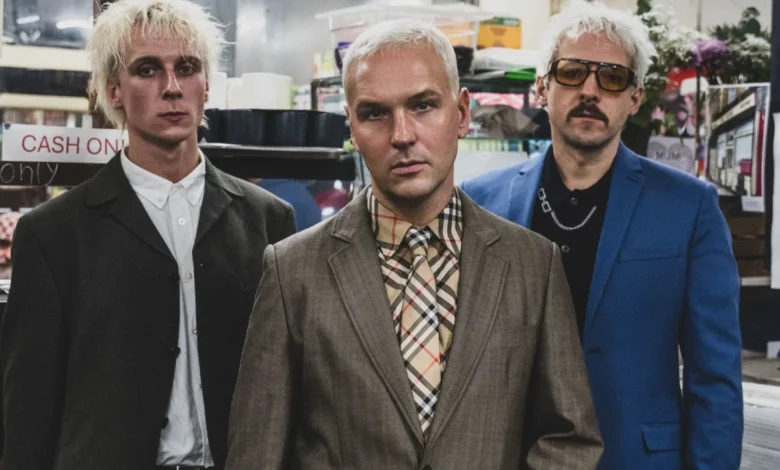
Preston, the frontman of The Ordinary Boys, has recently revisited his notorious walk-off from the BBC music and comedy panel show Never Mind The Buzzcocks in 2007, now describing the incident as a “proud moment” and the jokes made by then-host Simon Amstell as “cruel and classist.” This reflection comes nearly two decades after the event, coinciding with The Ordinary Boys’ return to the music scene after a prolonged hiatus. The incident, which became a defining moment in British television and a significant point of public discussion regarding celebrity treatment and panel show ethics, saw Preston abruptly leave the set after Amstell repeatedly targeted his then-wife, Chantelle Houghton, with satirical remarks.
The Infamous Buzzcocks Incident: A Detailed Account
The year was 2007, and Never Mind The Buzzcocks was in its prime, known for its irreverent humour, biting wit, and often confrontational style, particularly under the stewardship of its new host, Simon Amstell. Amstell, who took over from Mark Lamarr in 2006, had quickly established a reputation for his deadpan delivery and often deeply personal interrogations of his guests, frequently delving into their perceived public personas and past missteps. Preston, whose band The Ordinary Boys had achieved considerable mainstream success and who had himself gained widespread recognition through his appearance on Celebrity Big Brother the previous year, was a guest panelist.
The tension began to build as Amstell turned his attention to Chantelle Houghton, Preston’s wife at the time, whom he had met and married shortly after their shared experience on Celebrity Big Brother. Amstell began to read excerpts from Houghton’s autobiography, ostensibly to mock her perceived lack of sophistication and her public image. One particular segment proved to be the breaking point: Amstell quoted Houghton’s assertion that doing a “photoshoot for the Daily Mail made me feel really posh and upmarket.” The comedian’s delivery, laden with an air of condescension and thinly veiled ridicule, was met with growing discomfort from Preston. The joke, intended to highlight what Amstell presented as Houghton’s aspirational yet perhaps naive understanding of class and media, clearly struck a raw nerve with Preston.
The atmosphere on set became palpably tense. Preston’s initial attempts to brush off the comments or defend his wife quickly dissolved into visible anger. After a few more pointed jabs from Amstell regarding Houghton’s background and aspirations, Preston, unable to tolerate the relentless mockery directed at his partner, abruptly stood up from his seat, unclipped his microphone, and walked off the set during filming. The sudden departure sent shockwaves through the studio and would soon become one of the most talked-about moments in the show’s extensive history, cementing its reputation for unpredictable, often controversial, live television. The walk-off was widely circulated and discussed, with clips of the incident becoming viral sensations long before the term was commonplace, viewed millions of times on platforms like YouTube, encapsulating a dramatic clash of personalities and comedic sensibilities.
Immediate Aftermath and Initial Reactions
In the immediate aftermath of the walk-off, the incident became a hot topic across British media. Never Mind The Buzzcocks had a history of controversial moments and walk-offs, notably from punk icon John Lydon, but Preston’s exit felt different, steeped in personal affront rather than rock-and-roll defiance. Speaking to NME shortly after the incident, Preston did not mince words, famously calling Simon Amstell a “snotty little posh boy” and accusing him of not writing his own jokes. This accusation highlighted a common frustration among some guests who felt that Amstell’s seemingly impromptu wit was, in fact, pre-planned and often designed to elicit a strong reaction.
The public reaction was mixed. Some viewers sided with Preston, finding Amstell’s jokes to be genuinely cruel and unnecessarily personal, particularly given Houghton’s relatively modest background and her sudden thrust into the celebrity spotlight. Others defended Amstell, arguing that Buzzcocks was known for its biting humour and that guests should be prepared for such treatment, or that Preston’s reaction was an over-the-top display of sensitivity. The incident sparked a broader conversation about the boundaries of comedy, the ethics of mocking individuals, particularly their partners, and the class dynamics often at play in British celebrity culture. Amstell himself, known for his somewhat aloof public persona, did not offer a public apology or extensive commentary on the incident at the time, maintaining the show’s comedic stance.
Evolving Perspectives: Preston’s Journey of Reflection
Preston’s perspective on the Buzzcocks walk-off has undergone a significant evolution over the years, reflecting his personal growth and changing understanding of his past experiences.
2009: Regret and a Desire for Redemption: Just two years after the incident, Preston revealed a shift in his feelings. In a 2009 interview with NME, he expressed regret over his abrupt departure, sharing that he "wanted the floor to swallow [him] up" at the time. He even voiced a desire to return to the popular music quiz, hoping to "show them that I’m not a tantrum-y person." This indicated a period of self-reproach and a wish to amend his public image, perhaps feeling that his reaction had overshadowed his musical identity.
2011: Self-Confession and Personal Accountability: By 2011, Preston’s introspection deepened. He publicly admitted to having been an "insufferable arsehole" and "a real dickhead" in his younger years, suggesting a broader acknowledgment of past behavioural patterns that extended beyond the Buzzcocks incident. This candid self-assessment marked a significant step in his personal journey, indicating a willingness to take responsibility for his actions and a desire to mature beyond his previous public persona.
2024: A "Proud Moment" and Societal Critique: Nearly 20 years on, Preston’s most recent reflections, shared with The Guardian, present a dramatically altered perspective. He now views his walk-off as "a proud moment," fundamentally reframing an event he once regretted. Critically, he now explicitly labels Amstell’s jokes as "cruel and classist," asserting, "I really don’t know what other choice I had." This contemporary analysis transcends personal hurt, moving towards a socio-cultural critique of the humour employed. It suggests that with time and distance, Preston has come to understand his reaction not as a personal failing, but as a justified response to what he perceives as a targeted, demeaning attack rooted in class prejudice. This shift highlights a broader awareness of societal dynamics and a defence of his partner against what he now identifies as an unfair, class-based assault on her character.
The Personal Context: Fame, Marriage, and Mental Health
Preston’s emotional state during the Never Mind The Buzzcocks appearance was deeply intertwined with his tumultuous experiences with sudden fame and his relationship with Chantelle Houghton. Their whirlwind romance and marriage followed a unique and intense trajectory, beginning in the highly artificial and scrutinised environment of Celebrity Big Brother in 2006. Preston explained to The Guardian that he and Houghton "trauma-bonded through this intense experience," a common psychological phenomenon where individuals form deep connections under duress. This rapid bonding led to their marriage just eight months after meeting, a decision made under immense public pressure and personal upheaval. They divorced in 2008, a testament to the challenges of building a relationship in such an accelerated and public manner.
Beyond the immediate pressures of his marriage, Preston revealed that he was in a "weird space" and "on loads of Prozac" after leaving Celebrity Big Brother. This candid admission sheds light on the significant mental health challenges he faced, struggling to cope with the sudden transition from indie frontman to reality TV star. The intense scrutiny that came with this new level of fame felt like a "nightmare" for him. He recalled the prevalent media culture of the era, characterised by publications like Nuts and Zoo Weekly magazines, which regularly dissected celebrities’ appearances and personal lives with often harsh and objectifying commentary. Preston vividly remembered the impact of such coverage, stating, "The way that people were talked about — ‘Preston looks fat today’ — it was just awful." This environment, coupled with the 2018 phone-hacking scandal which exposed the invasive nature of media intrusion into private lives, contributed to a profound sense of vulnerability and a breakdown of personal boundaries. His reaction on Buzzcocks can thus be understood as a protective outburst, not just for his wife, but for his own rapidly eroding sense of privacy and dignity in the face of relentless public judgment.
The Ordinary Boys’ Resurgence: A New Chapter
The Ordinary Boys’ comeback provides the contemporary backdrop for Preston’s renewed reflections on his past. The band, which initially split in 2008 following Preston’s reality TV stint, reunited in 2011 and released their self-titled album in 2015. However, a significant hiatus followed, stretching over a decade.
Now, The Ordinary Boys are making a definitive return. They are set to drop their new ska-infused single, ‘Peer Pressure’, on Friday, April 17, marking their first original release in years. This new music follows a collaborative festive single, ‘Christmas Starts Tonight’, released last year with pop star Olly Murs, indicating their re-entry into the recording industry. The band’s early heyday, roughly 20 years ago, was defined by popular singles such as ‘Boys Will Be Boys’ and ‘Nine2Five’, which established their distinctive indie-ska sound and garnered a dedicated fanbase.
The Ordinary Boys have also been actively returning to the live circuit. Last month, they played their first show in over 10 years at London’s Strongroom, a significant milestone for the group. Further demonstrating their commitment to touring, they have confirmed dates supporting the iconic British band Madness, a fitting pairing given their shared ska influences. Additionally, they are slated to perform at prominent summer festivals, including Victorious and Together Again Festival, signaling a full-fledged return to the music scene and an opportunity to reconnect with their audience and attract new fans. Tickets for their upcoming performances are available through official channels. This resurgence offers Preston a platform to re-engage with his artistic identity and perhaps, to redefine his public narrative on his own terms.
Preston’s Post-Ordinary Boys Career and Personal Struggles
During the periods when The Ordinary Boys were on hiatus or less active, Preston diversified his career significantly, proving his talents extend beyond performing. He established himself as a successful songwriter, contributing to tracks for a roster of high-profile artists including Cher, Liam Payne, Jessie Ware, and Kylie Minogue. This behind-the-scenes work allowed him to continue his passion for music while navigating the complexities of public life away from the intense spotlight of his earlier fame.
In his recent interview with The Guardian, Preston also reflected on profound personal losses and challenges, offering a glimpse into his empathetic and resilient nature. He spoke candidly about the death of Liam Payne in 2024, remembering the One Direction star as "a very funny, sweet, kind guy" who was "misunderstood." Preston expressed a deep connection with Payne, stating, "I saw a lot of him in me, because we both suffered." This poignant reflection underscores the shared struggles many celebrities face with mental health, public scrutiny, and the pressures of fame. He added, "I massively wish I’d been able to do more. But as for some kind of intervention, I don’t think I [had that role] in his life," conveying a sense of helplessness and regret that resonates with anyone who has witnessed a friend or colleague struggle.
Furthermore, Preston bravely recounted a severe personal incident from 2017 when he was told he might never walk again after falling off a balcony. This life-altering accident led to another significant personal battle: addiction to OxyContin, a powerful opioid painkiller. His frankness about these experiences – the physical trauma, the subsequent addiction, and the ongoing journey of recovery – paints a picture of a man who has faced immense adversity, both public and private. These revelations add considerable depth to his character, providing a crucial context for understanding his past actions, his present reflections, and his continued resilience in the face of life’s unpredictable challenges.
Broader Implications: Celebrity Culture and Panel Show Ethics
Preston’s Never Mind The Buzzcocks walk-off transcends a mere celebrity anecdote; it serves as a potent case study in the evolving landscape of celebrity culture, media ethics, and the boundaries of comedic expression on television. The incident occurred at a time when reality television was booming, and the line between public persona and private life was becoming increasingly blurred. The "cruel and classist" label Preston now applies to Amstell’s jokes highlights a critical ongoing debate in British society: the often-unspoken class biases embedded within media portrayals and comedic narratives. Chantelle Houghton, a working-class woman catapulted into fame, became a target for a brand of humour that many perceived as elitist and demeaning, underscoring how certain public figures are deemed "fair game" for ridicule based on their background or perceived lack of intellectual gravitas.
The incident also contributed to the ongoing discussion about the responsibility of broadcasters and comedians. While Never Mind The Buzzcocks prided itself on its provocative nature, Preston’s reaction brought into sharp focus the human cost of such entertainment. It questioned whether the pursuit of edgy comedy justified causing genuine distress to guests, particularly when the target was not the guest themselves but their loved ones. This event, among others, eventually contributed to a broader cultural shift, leading to more scrutiny of panel show formats and a gradual move towards more empathetic and less personally aggressive comedic styles in mainstream television, although sharp wit remains a staple. The show itself underwent several host changes and eventually concluded its original run in 2015, only to be revived with a new format and host in 2021, arguably reflecting a modern sensibility regarding comedic boundaries.
Preston’s journey from a reactive pop star, grappling with sudden fame and mental health struggles, to a reflective artist capable of critically analysing past events through a socio-political lens, is a compelling narrative. His current re-evaluation of the Buzzcocks incident as a “proud moment” signifies a powerful reclaiming of his narrative, transforming a moment of public humiliation into an act of self-respect and defiance against what he now identifies as an unfair, class-driven attack. As The Ordinary Boys embark on their new chapter, Preston’s candid reflections underscore not only his personal growth but also the enduring relevance of conversations about celebrity, empathy, and the societal implications of public entertainment.