The home cinema market has long been defined by the tension between audio fidelity and living room aesthetics. Sonos, a company that has built its reputation on bridging this divide, has officially unveiled its latest addition to the home theater ecosystem: the Sonos Beam Ultra. Positioned as a premium evolution of the highly successful Beam series, this new soundbar aims to bring authentic, multi-dimensional Dolby Atmos performance to a compact form factor, catering to users who demand cinema-grade immersion without the footprint of a traditional, bulky surround system.
The Evolution of the Beam Series
Since the introduction of the original Sonos Beam, the product line has served as the entry point into the company’s home cinema offerings. The release of the Beam (Gen 2) marked a significant milestone, introducing virtualized Dolby Atmos support to a smaller chassis. The Beam Ultra now arrives to further refine this trajectory. By incorporating dedicated, physical up-firing drivers—a feature previously reserved for the flagship Arc series—the Beam Ultra represents a strategic shift in Sonos’s product hierarchy.

The device is priced at £699 / $699 / AU$1099, placing it firmly in the mid-range segment. This pricing strategy is deliberate, creating a three-tiered structure within the Sonos soundbar family: the entry-level Beam (Gen 2) at £449, the newly announced Beam Ultra at £699, and the flagship Arc Ultra at £999. By keeping the Gen 2 model in the lineup, Sonos is providing a tiered roadmap for consumers, ensuring that those who do not require physical height channels still have access to a high-quality, compact solution.
Technical Specifications and Engineering Advances
At the core of the Beam Ultra’s performance is an entirely overhauled acoustic architecture. While the Beam (Gen 2) relied on psychoacoustic virtualization to simulate height effects, the Beam Ultra features a 7.1.2-channel configuration. This includes two dedicated up-firing drivers, which utilize the ceiling to bounce sound back toward the listener, creating a true vertical soundstage.
The internal layout comprises nine total drivers. Perhaps the most notable innovation is the redesigned center channel, which now employs a coaxial transducer. By embedding a high-frequency tweeter directly into the center of a woofer, Sonos engineers claim to have improved the phase alignment of the audio, which is designed to enhance vocal clarity—a persistent challenge in modern television sound mixing.
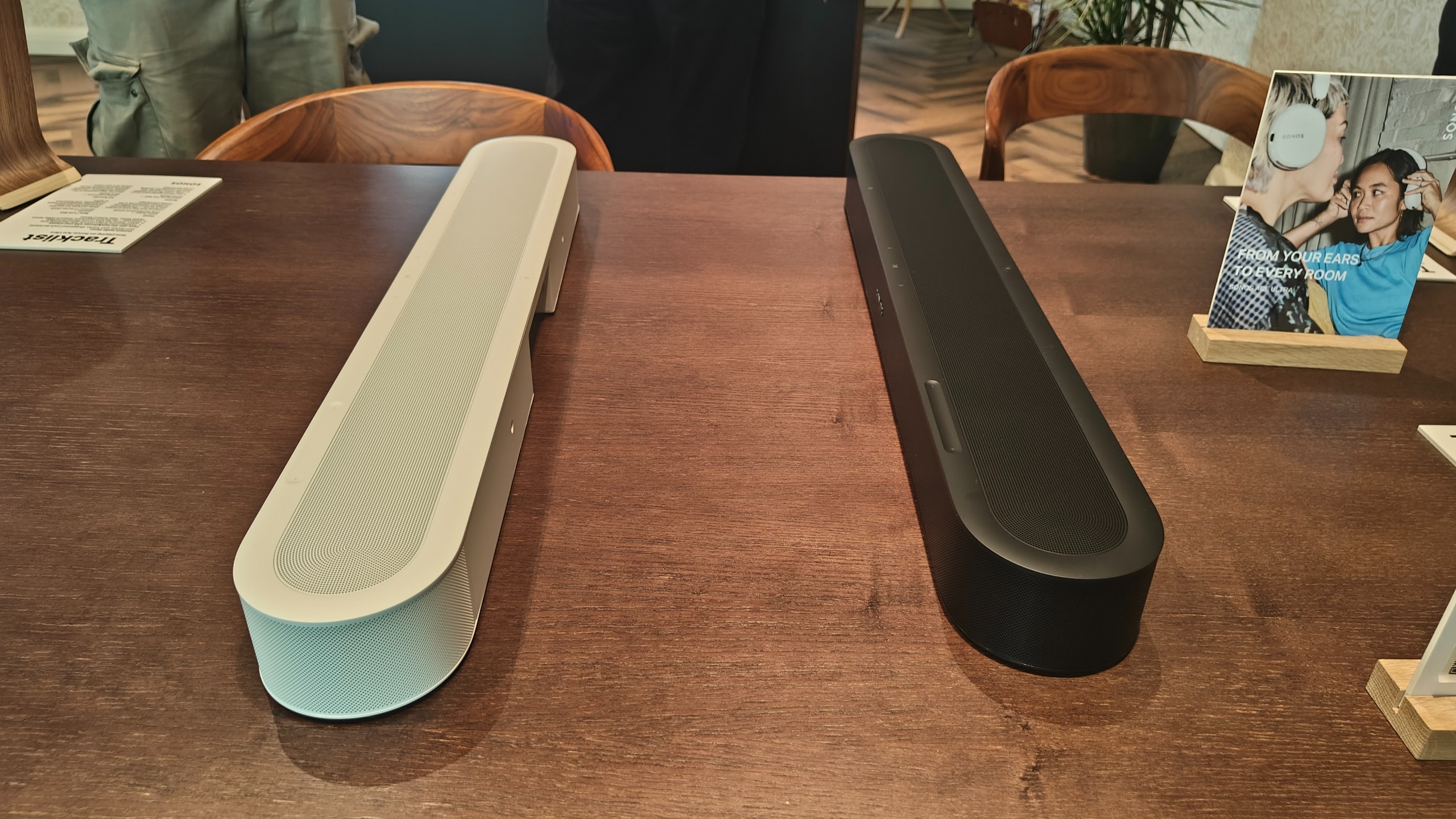
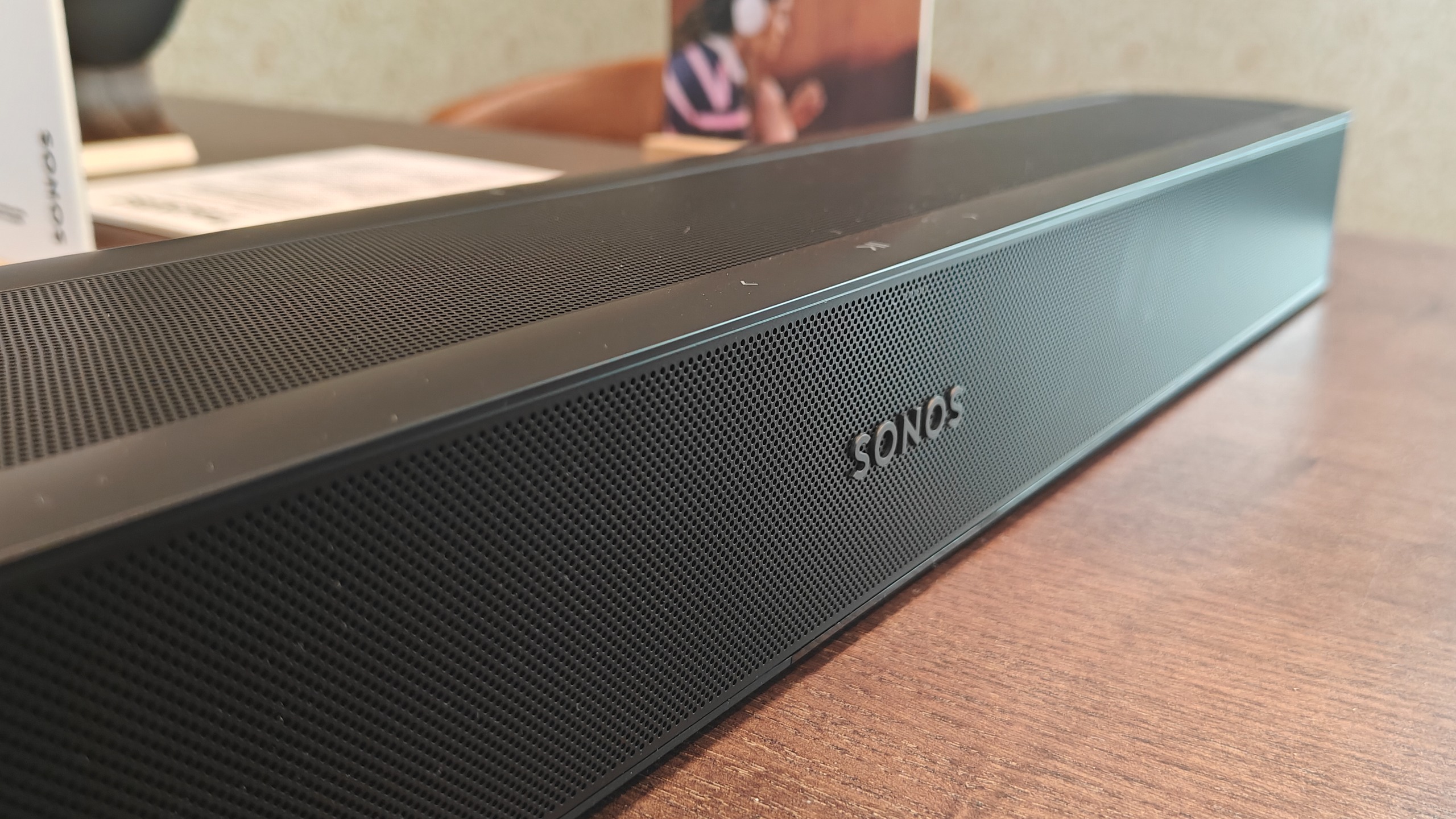
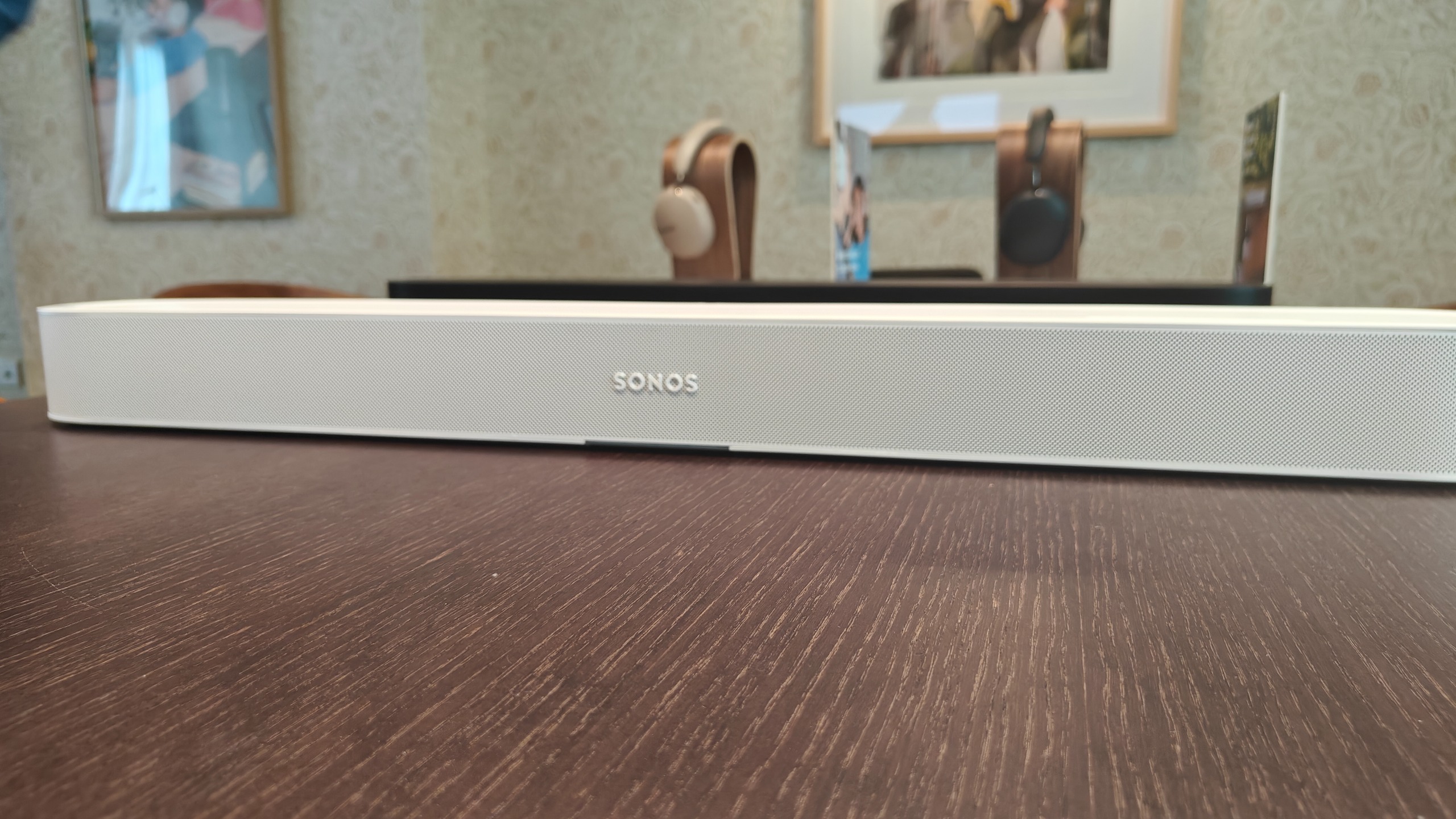
Physically, the device has been refined to be slightly longer and thinner than its predecessor. Weighing in at 2.9kg, it retains the dense, premium build quality associated with the brand. It maintains the signature minimalist aesthetic with a matte finish, available in both black and white, and features the now-standard capacitive touch controls for playback and volume, alongside a dedicated button for seamless Bluetooth integration.
Connectivity and Ecosystem Integration
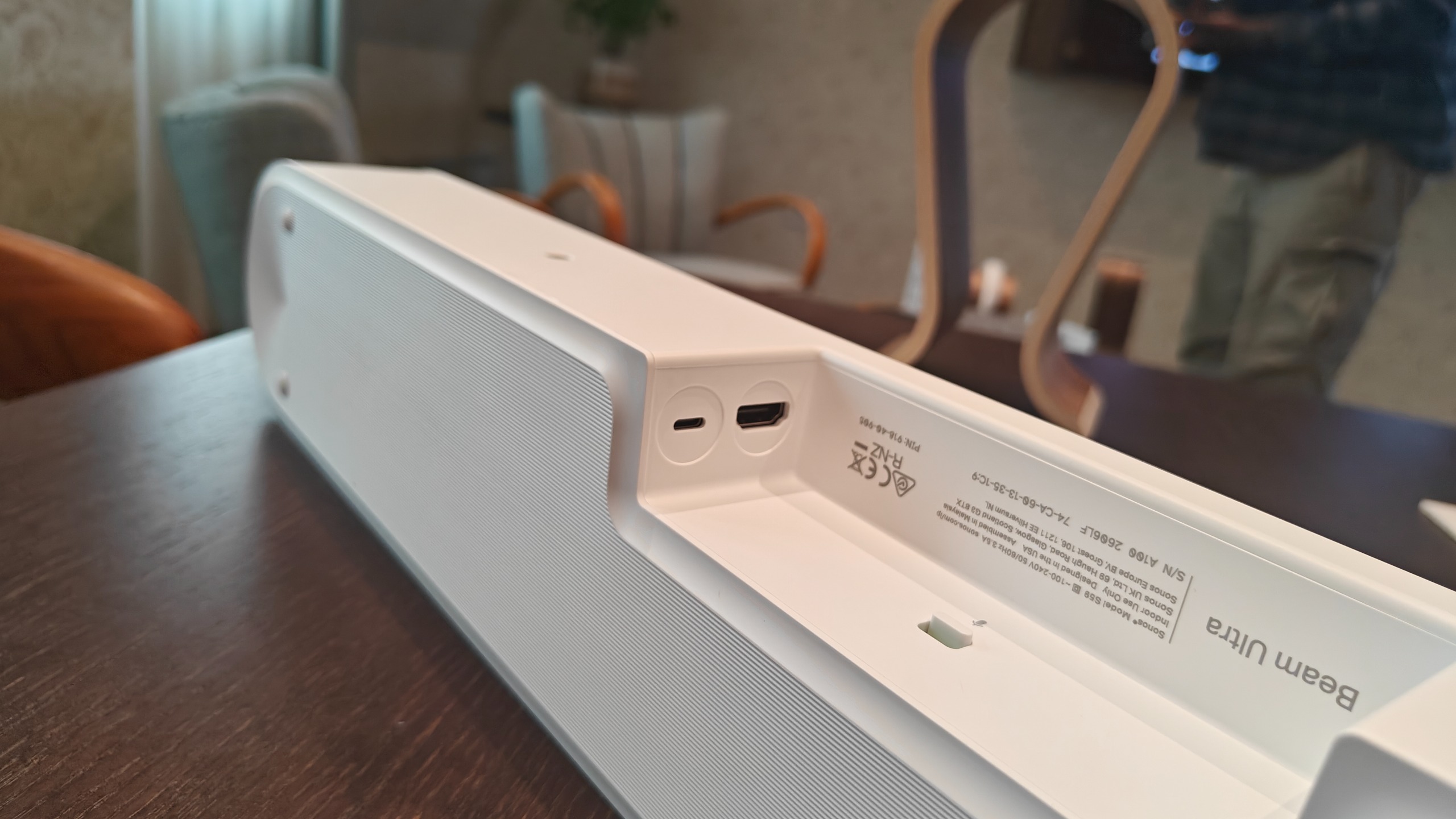
The connectivity suite reflects both the strengths and the limitations typical of the Sonos ecosystem. The primary connection remains a single HDMI eARC port. While this provides the high-bandwidth necessary for uncompressed Dolby Atmos, it lacks HDMI passthrough. For users with limited HDMI ports on their television, this remains a point of contention, though it is a design choice consistent with the company’s broader philosophy of simplifying the user experience.
However, the inclusion of a USB-C port marks a notable upgrade. Through the use of optional proprietary adapters, users can now facilitate a 3.5mm line-in for analog sources like turntables or CD players, or hardwire the soundbar directly to a network router via Ethernet. This versatility expands the Beam Ultra’s role from a simple TV speaker to a central hub for a wider home audio system.
The software experience is managed via the updated Sonos app, which continues to provide deep customization, including advanced EQ settings, the proprietary "Night Sound" mode to compress dynamic range for late-night viewing, and "Speech Enhancement" levels. The latter, which includes four distinct AI-driven settings, allows users to prioritize dialogue clarity based on the specific content or ambient noise levels of their environment.
Initial Performance Impressions
During a recent launch event held in Berlin, early demonstrations provided a glimpse into the soundbar’s capabilities. Testing with high-fidelity tracks, such as a Dolby Atmos mix of Harry Styles’ Ready Steady Go!, indicated that the Beam Ultra excels in soundstage width. The placement of instruments within the stereo field felt precise, with the coaxial transducer providing a distinct, centered vocal presence that remained stable even when moving off-axis.
In cinematic tests, the device showcased its dynamic handling. During scenes from Widow’s Bay, the soundbar successfully navigated the transition from quiet, atmospheric choral swells to more aggressive, high-energy sequences. While the physical size of the unit naturally limits the absolute depth of its low-frequency output compared to a dedicated subwoofer, the bass response is described as refined and well-textured. For those seeking true low-end rumble, the system remains compatible with the Sonos Sub and Sub Mini, as well as the Era 100 or Move 2 speakers for rear-channel surround support.
Strategic Market Positioning
The launch of the Beam Ultra comes at a time of increased competition in the "premium compact" soundbar market. Competitors such as Sony and Samsung have aggressively expanded their own offerings, often including more comprehensive connectivity features like multiple HDMI inputs and DTS:X support.
Sonos’s continued omission of DTS:X remains a notable gap in their feature set. While the company has historically focused on the prevalence of Dolby formats in streaming services, the lack of DTS:X support may deter audiophiles or those with extensive physical media libraries (such as Blu-ray collections) that rely on the DTS format.
However, Sonos continues to rely on the strength of its software ecosystem—specifically its seamless multi-room integration and the ability to pair with the newly announced Sonos Ace Ultra headphones. This "ecosystem lock-in" is a key component of the company’s strategy. By allowing users to hand off TV audio from the soundbar to their headphones for private, spatial audio listening, Sonos is attempting to differentiate itself through convenience and cross-device functionality rather than raw, spec-sheet superiority.
Implications and Future Outlook
The Beam Ultra is not merely a hardware refresh; it is a signal of how Sonos intends to dominate the mid-to-high-end soundbar segment. By moving physical height drivers into a smaller, more accessible form factor, the company is effectively democratizing the "Atmos" experience.
The decision to keep the Beam (Gen 2) on the market serves two purposes. First, it protects the entry-level price point, ensuring that price-sensitive consumers do not migrate to third-party brands. Second, it creates a clear upgrade path. As consumers look to replace older hardware, the existence of three distinct soundbar tiers allows Sonos to capture the customer at whichever price point they are comfortable with, while keeping them within the proprietary "Trueplay" calibration and multi-room environment.
Looking forward, the success of the Beam Ultra will be determined by how it fares in objective, long-term testing. Key areas of investigation will include the efficacy of the AI-driven Speech Enhancement at extreme levels, the performance of the coaxial center channel in varied room acoustics, and how well the device manages its power envelope during high-intensity action sequences.
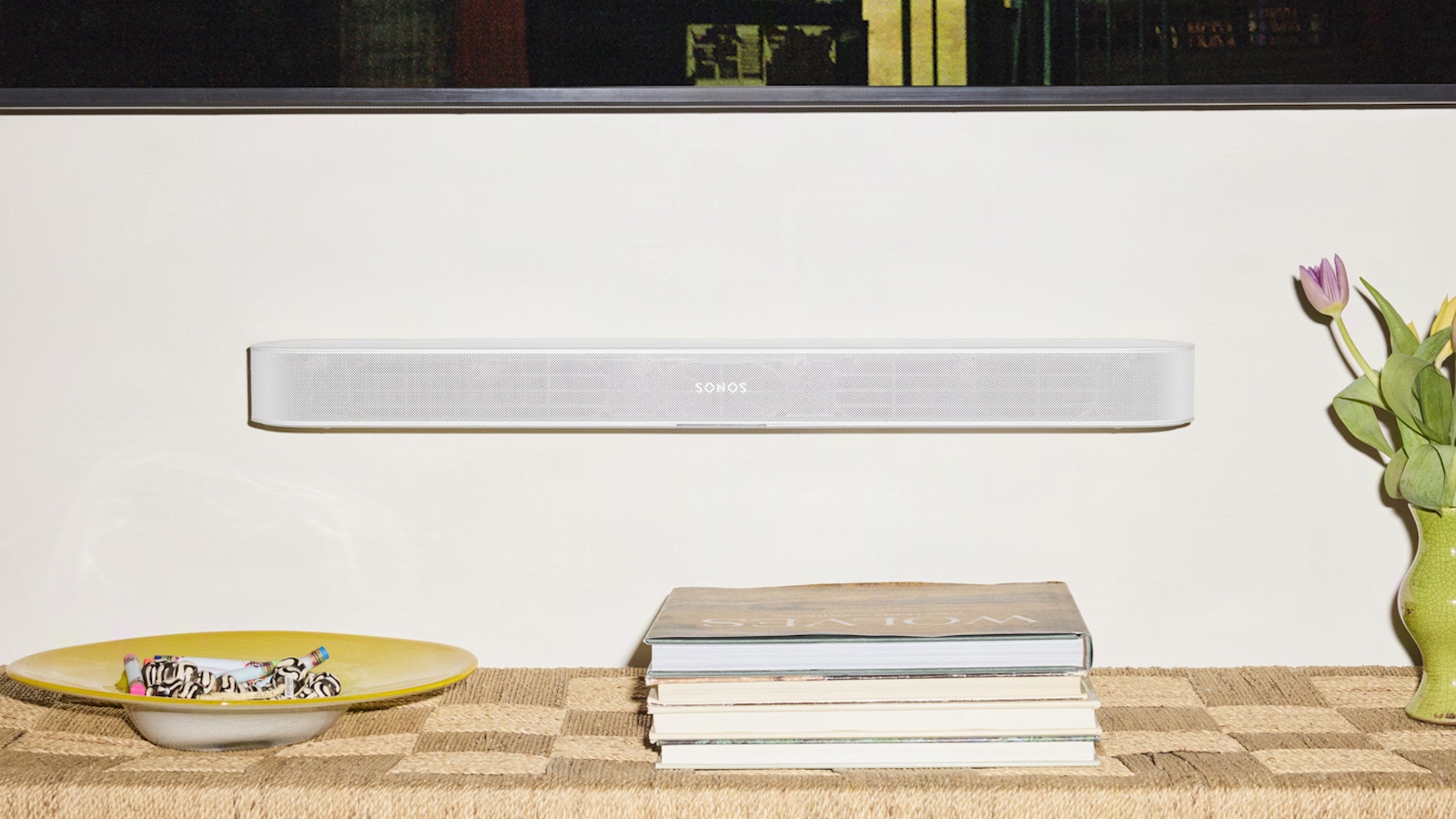
For now, the Beam Ultra stands as a promising development for the brand. It addresses the primary limitations of its predecessors—specifically the reliance on virtualization—without sacrificing the compact, elegant design that has made the Beam series a household name. Whether it can effectively challenge the feature-rich offerings of its rivals will be the subject of upcoming rigorous, independent analysis in controlled testing environments. As the home cinema landscape continues to evolve, the Beam Ultra demonstrates that the quest for "true" cinematic sound is no longer confined to massive, multi-speaker setups, but is increasingly achievable in the modest footprint of a modern living room.
Related posts: