Tragedy at Ole Miss: University and Law Enforcement Address Student Deaths Amidst Substance Safety Concerns

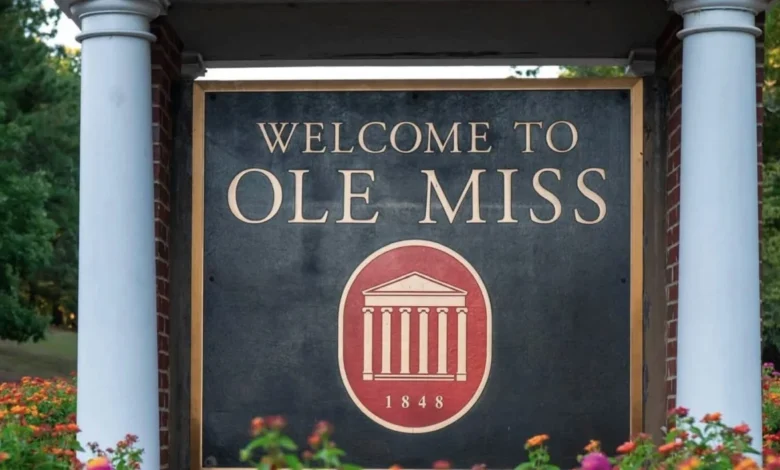
The University of Mississippi and local law enforcement agencies in Oxford are grappling with the aftermath of two sudden student deaths that have left the campus community in mourning and prompted a significant public safety alert. The incidents, which occurred in mid-September, have triggered widespread concern regarding the prevalence of unregulated substances on and around the university campus. While officials are currently conducting independent investigations into both cases, the presence of specific consumer products at both scenes has led authorities to issue a proactive warning to the student body.
A Chronology of the Events
The initial emergency call was placed on Monday, September 21, shortly after 1:30 a.m. Responding units arrived at a location near Stewart Hall, a prominent on-campus residence facility, following reports of a potential overdose. The scene was secured by University Police, and emergency services attempted to provide medical intervention. Shortly thereafter, news of a second death emerged, leading to an immediate surge in community anxiety and the rapid dissemination of unverified information across social media platforms.
By the following day, the University of Mississippi administration released an official statement to curb the spread of misinformation. The university confirmed that while two deaths had occurred, they were not aware of any additional fatalities, contradicting some of the more alarming rumors circulating on platforms such as X (formerly Twitter) and YikYak. The Lafayette County Coroner’s Office subsequently corroborated the university’s statement, confirming that they were handling two distinct death investigations.
Official Statements and Investigative Status
The Lafayette County Metro Narcotics unit, which is leading the inquiries alongside university and local law enforcement, has emphasized that there is currently no forensic evidence linking the two incidents. In a formal press release, the unit expressed condolences to the families of the deceased while urging the public to refrain from premature speculation regarding the circumstances surrounding the deaths.
"At this time, we have no confirmed evidence indicating that the two deaths are connected," the statement read. "Law enforcement is currently conducting two separate death investigations."
A critical point of interest in these ongoing investigations is the discovery of packaged Kratom at both scenes. Kratom, a tropical tree native to Southeast Asia, is sold in various retail outlets, including gas stations and specialty smoke shops, across the United States. While the substance remains legal in many jurisdictions, its lack of regulation and potential for contamination or interaction with other substances have drawn increased scrutiny from health officials.
The Metro Narcotics unit explicitly stated that they have not yet determined whether Kratom—or any other substance—served as a contributing factor in the fatalities. However, in an "abundance of caution," authorities have issued a stark directive to the campus population: avoid any medication, supplement, or substance that has not been prescribed by a physician or obtained from a reputable, regulated pharmacy.
The Broader Context: Substance Misuse on Campus
The deaths at Ole Miss occur against a backdrop of increasing national concern regarding the toxicity of the illicit drug supply. Across the United States, university campuses have become focal points for awareness campaigns regarding "fake pills"—counterfeit pharmaceuticals that often contain lethal doses of fentanyl or other synthetic opioids.
Mississippi Attorney General Lynn Fitch addressed the crisis in the wake of the Oxford tragedies, reiterating that the dangers of unregulated substances are immediate and pervasive. "One Pill Can Kill is not just a slogan. It’s a fact," Fitch noted. The Attorney General’s office has been collaborating with campus partners, such as the Magee Center for Wellness and student health services, to increase the accessibility of naloxone (Narcan) and provide emergency response training to students.
The strategy focuses on harm reduction, recognizing that the proliferation of synthetic drugs often outpaces traditional law enforcement interdiction efforts. By empowering students with the tools to reverse an overdose, officials hope to mitigate the mortality rate associated with accidental ingestion of tainted substances.
Emerging Threats and the Synthetic Landscape
The uncertainty surrounding the Ole Miss deaths is further compounded by the recent emergence of highly potent synthetic opioids. Reports from across the country have highlighted the appearance of substances such as cychlorphine. This novel synthetic opioid is estimated to be significantly more powerful than fentanyl, the substance responsible for the majority of opioid-related overdose deaths in the U.S. over the past decade.
While there is no evidence that cychlorphine is involved in the current Oxford investigation, its presence in other states, including California, underscores the volatile nature of the illicit drug market. Because these substances are often manufactured in clandestine labs with little regard for quality control, they are frequently sold as traditional drugs (such as Adderall, Xanax, or Percocet) to unsuspecting users.
The lack of regulation for products like Kratom also complicates the landscape. Because these products are not subject to the same oversight as FDA-approved medications, consumers often have no way of knowing if the substance has been adulterated with heavier, more dangerous chemicals during the manufacturing or packaging process.
Implications for Student Safety and University Policy
The current situation at the University of Mississippi serves as a somber reminder of the vulnerabilities inherent in college environments. The "bad batch" narrative, while often fueled by social media, reflects a genuine fear among the student body that the local supply of substances has become increasingly lethal.
From an administrative standpoint, the challenge lies in balancing transparency with the need to avoid mass panic. The university has attempted to centralize communication to prevent the spread of inaccurate data, which can hinder investigations and exacerbate trauma among the student population. However, the tragedy has also reignited debates about the availability of substances in the immediate vicinity of campus.
For the families and the Oxford community, the wait for toxicology reports from the Coroner’s Office remains a period of profound uncertainty. Toxicology tests can take several weeks, if not months, to complete. Until those results are released, the exact cause of death for both students will remain speculative.
Moving Forward: Prevention and Vigilance
In the interim, the University of Mississippi is focusing on mental health support and safety education. The campus counseling centers have expanded their outreach, providing resources for students struggling with the loss of their peers. Furthermore, the university is doubling down on its "Know Your Source" initiative, urging students to recognize that even products sold in legitimate retail stores—such as gas stations—do not carry the same safety guarantees as medical products.
Public health experts suggest that the "One Pill Can Kill" awareness campaign must evolve to address not just illicit street drugs, but also the "gray market" of supplements and synthetic analogs that are legally available but medically risky. As the investigation in Oxford continues, the incident is likely to serve as a case study for other universities looking to fortify their safety protocols against a rapidly shifting substance-use landscape.
The loss of two students is a tragedy that reverberates far beyond the campus grounds of Ole Miss. It highlights the critical necessity for continued, honest dialogue between university administrations, law enforcement, and the student body regarding the hidden dangers of the contemporary drug market. As the community continues to mourn, the focus remains on ensuring that no further lives are lost to the uncertainty and danger currently surrounding the investigation.
Related posts: