Pulp Documentary What Do You Do For An Encore Explores Jarvis Cocker And The Band’s Long Journey From Sheffield To Britpop Icons

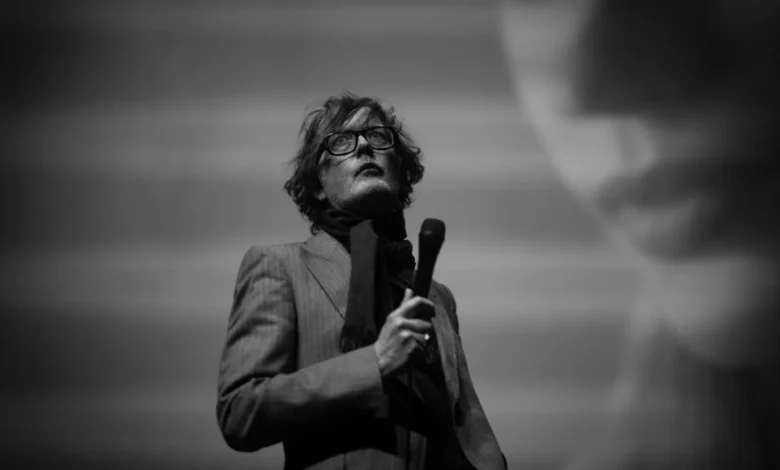
The enduring legacy of alternative pop outfit Pulp is captured in sharp relief in the new biographical feature documentary What Do You Do For An Encore? Directed by filmmaker Garth Jennings, the film traces the trajectory of the Sheffield-born band from their early days as teenage visionaries playing the regional circuit to their status as national treasures who fundamentally reshaped the landscape of 1990s Britpop. Centered around frontman Jarvis Cocker, the documentary interweaves contemporary concert footage from the group’s recent reunion tour with archival interviews, home memorabilia, and a personal voiceover from Cocker, charting a multi-decade narrative of perseverance, artistic evolution, and the realization of childhood ambition.
The Anatomy of a Comeback and Visualizing the Past
The film opens dynamically with a live performance of "Spike Island," a comeback single that reinforces the group’s foundational ethos of artistic expression and social commentary. On stage, Cocker remains an arresting focal point, performing in his signature tailored Serge Gainsbourg suit with theatrical gestures that have long resonated with the band’s fanbase of outsiders and nonconformists.
Director Garth Jennings establishes a deeply nostalgic tone early in the runtime by assembling a bricolage of historical Pulp memoranda, including early gig flyers, promotional stickers, original album art, and rare backstage footage. This visual montage serves as a cinematic homage to the classic line-up of Cocker, Candida Doyle, the late Steve Mackey, Russell Senior, Mark Webber, and Nick Banks. Together, these members are cemented in rock history as the ensemble that introduced theatricality, subversion, and wry social observation into the male-dominated Britpop movement of the mid-1990s.
The Genesis of The Masterplan: Childhood Dreams and Early Struggles
A central narrative thread of What Do You Do For An Encore? explores the psychological roots of Pulp’s formation, specifically Cocker’s childhood imagination. Fascinated by science fiction, space exploration, and television series like Doctor Who, a young Cocker retreated into an internal fantasy world where he visualized the creation of a major pop group by the age of 15.
The documentary grants viewers a rare glimpse into this formative period by showcasing Cocker’s childhood notebook, affectionately dubbed "The Masterplan." Written in scratchy blue Biro ink, the pages feature early iterations of the band’s name alongside detailed costume sketches designed for future members. Jennings, widely recognized for his work on family-oriented cinema including the animated musical feature Sing, proves to be a fitting director for this material, translating Cocker’s youthful self-belief into a universal theme of creative perseverance.
However, the reality of achieving these ambitions involved decades of obscurity and financial precarity. Archival material from the early 1980s captures the group navigating the demanding live circuit, performing at poorly paid university venues with substandard equipment that frequently presented safety hazards. Jennings utilizes precise editing to bridge the vast chronological gap between these early setbacks—such as a fifteen-year hiatus between the band’s initial BBC Radio 1 Peel Sessions appearance and their eventual mainstream breakthrough—and modern triumph, cutting swiftly from historical reflection to contemporary footage of Cocker holding a chart trophy celebrating the Number One debut of their recent album More, their first full-length release in 24 years.
The Paradox of Fame and Artistic Re-evaluation
The documentary does not shy away from examining the alienating psychological toll of sudden, overwhelming celebrity during the height of the Britpop phenomenon. Jennings constructs a dizzying, high-low montage representing the media circus of the 1990s, juxtaposing appearances alongside children’s television puppets Zig and Zag, interviews with broadcaster Melvyn Bragg, comedy sketches with Trevor and Simon, and a photographic portrait of Cocker flanked by cultural heavyweights David Bowie, Cher, and Van Morrison.
Reflecting on this era with dry humor, Cocker deadpans in voiceover, "As you can tell—I’m thrilled." While "The Masterplan" had officially manifested in commercial success, the frontman experienced profound alienation, a creative and personal crisis that culminated in the recording of 1998’s This Is Hardcore. Often critically evaluated as the band’s artistic masterpiece, the album is framed within the documentary as an intentional act of career subversion against the machinery of pop stardom.
Chronology of Pulp: Key Milestones
- 1978: Jarvis Cocker forms Pulp in Sheffield as a teenager, originally under the name Arabicus Pulp.
- 1980s: The band endures a revolving door of members, minimal commercial success, and extensive touring across the UK underground circuit.
- 1991–1993: The release of singles like "Babies" builds critical momentum, leading to the breakthrough major-label album His ‘n’ Hers (1994).
- 1995: The release of Different Class yields massive global hits including "Common People" and "Disco 2000," cementing their status as Britpop royalty.
- 1998: The darker, more introspective album This Is Hardcore arrives, followed by Weeds in 2001 before an extended hiatus.
- 2023–2024: Pulp reunites for a high-profile victory lap tour and releases More, their first studio album in nearly a quarter-century.
- 2025: What Do You Do For An Encore? receives its theatrical and streaming release via MUBI.
Bridging Burnout and Jubilation in the Modern Era
In its concluding sequences, What Do You Do For An Encore? successfully bridges the gap between historical exhaustion and present-day celebration. In a poignant transition, Jennings cuts to a 2025 live performance where Cocker begins the title track seated in a leather armchair while consuming a health supplement drink—a subtle cinematic nod to the physical demands of touring compared to his near-burnout status in the late nineties.
Today, that exhaustion has been replaced by visible joy. The documentary features approximately twenty live performances capturing the enduring vitality of classic anthems including "Babies," "Sorted For E’s & Wizz," "Disco 2000," and a climactic rendition of "Common People." These sequences provide an uplifting finale to a cinematic portrait that balances archival realism with triumphant musical catharsis.
Pulp: What Do You Do For An Encore? had a limited one-night-only theatrical release in the United Kingdom on September 18 before becoming globally available for streaming on MUBI starting September 25.