The Black Keys Conclude Global Tour with Resilient Performances at Chicago’s Salt Shed Following Weather-Related Disruptions

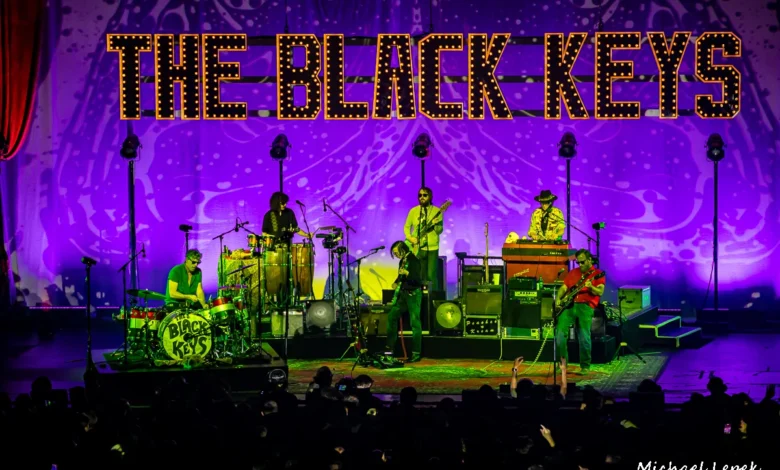
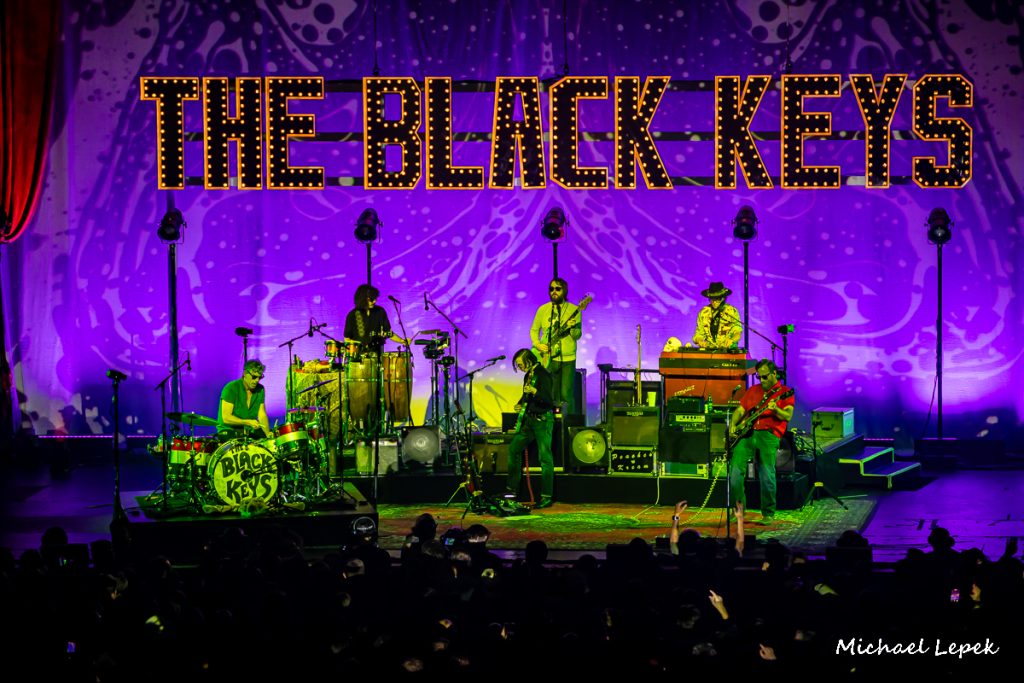
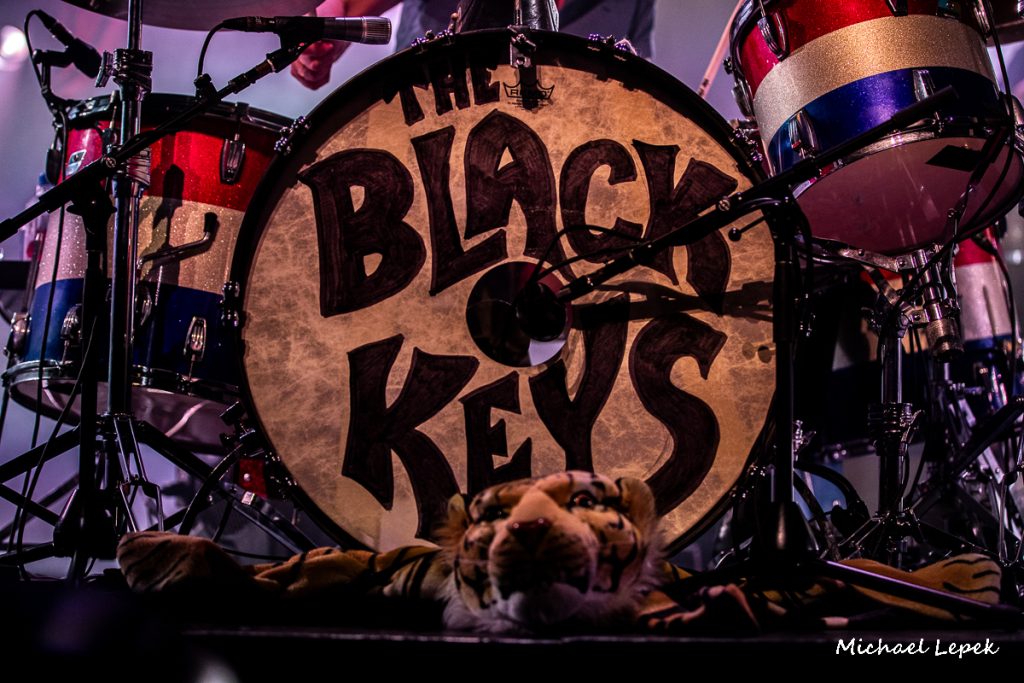
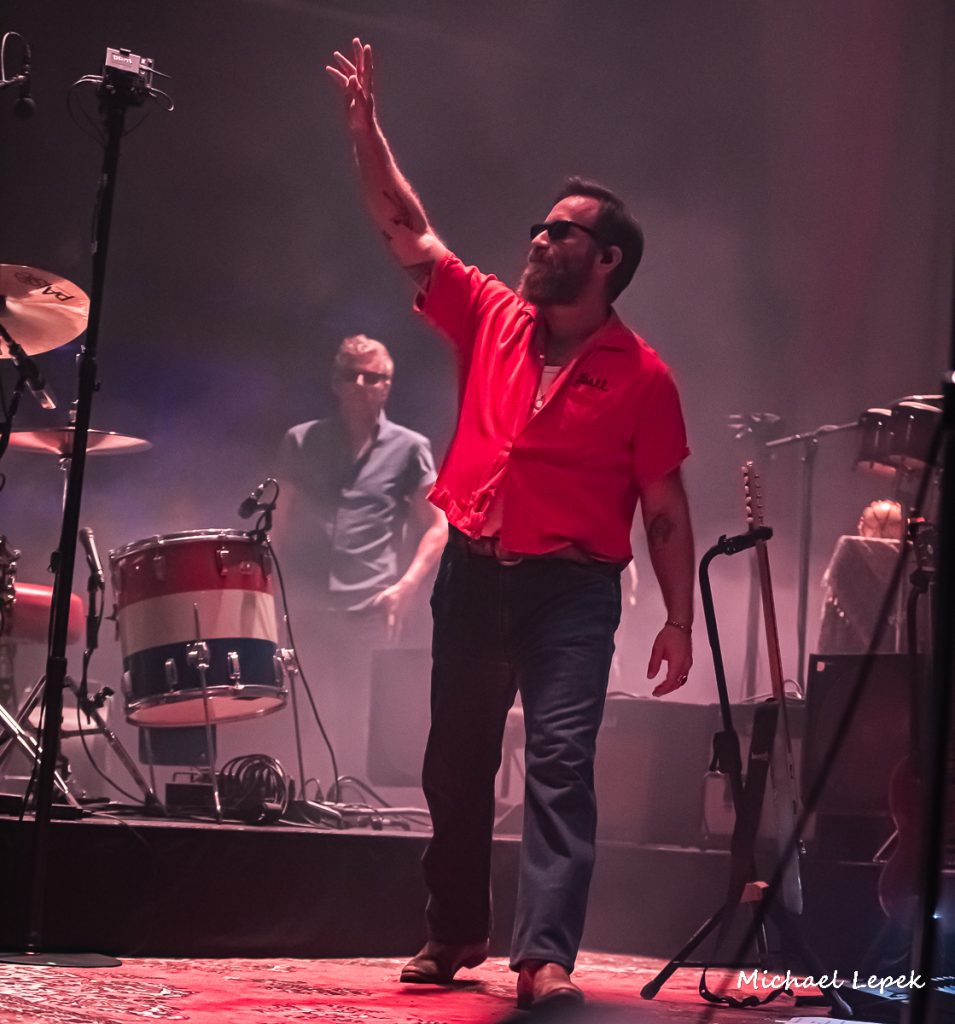
The Black Keys officially brought their expansive six-month Peaches N Kream tour to a definitive close on October 20th and 21st, performing two high-energy, sold-out shows at the Salt Shed in Chicago. These performances served as the final installment of a global concert circuit that began in April, spanning multiple continents and navigating unexpected logistical hurdles. The Chicago dates were originally slated for mid-July as an open-air engagement at the venue’s Fairgrounds, but they were abruptly postponed due to an unprecedented environmental crisis that gripped the city.
On Thursday, July 16th, Chicago experienced some of the worst air quality levels in the world as thick smoke from Canadian wildfires drifted south, blanketing the Midwest in a hazardous haze. The severity of the air pollution—which prompted local officials to issue severe health warnings—rendered outdoor public gatherings unsafe. Consequently, the organizers were forced to cancel the scheduled outdoor event at the Salt Shed’s Fairgrounds. This disruption necessitated a massive rescheduling effort, eventually moving the concert series indoors to the venue’s primary performance hall, a repurposed historic Morton Salt factory, to ensure the safety of the band, crew, and thousands of ticket holders.
A Chronology of the Peaches N Kream Tour
The journey to the final Chicago dates was long and arduous. Since its inception in April, the Peaches N Kream tour saw the Black Keys, led by vocalist/guitarist Dan Auerbach and drummer Patrick Carney, traverse North America and Europe. The tour was designed to showcase the band’s evolution, highlighting their signature blend of garage rock, soul, and blues.
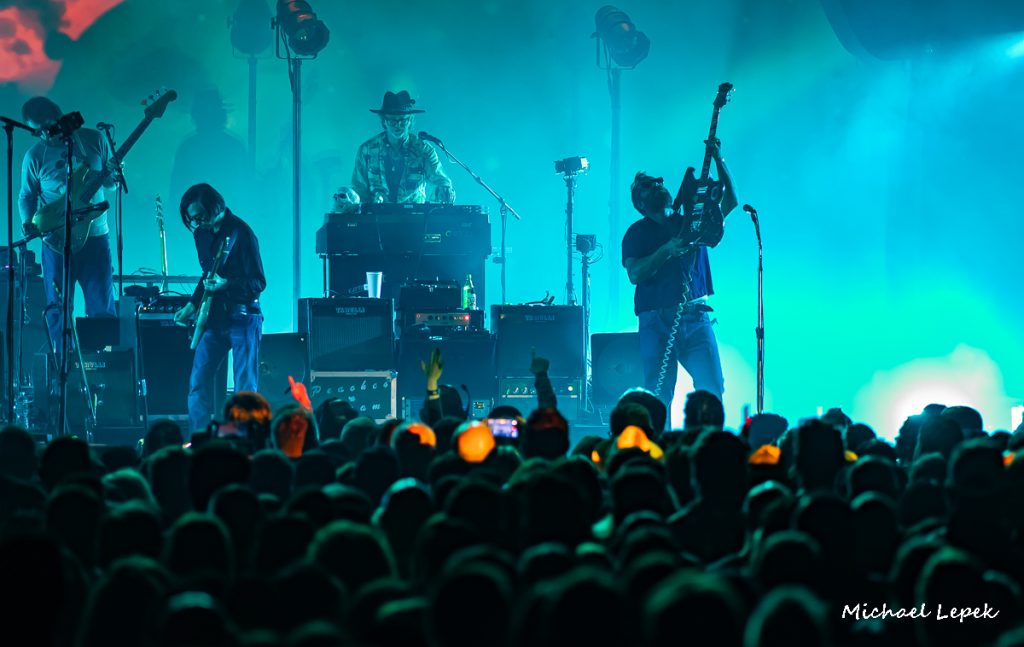
The band’s trajectory towards the Chicago finale included significant stops across Canada, including a performance at the Canadian Tire Centre in Ottawa. It was ironically fitting that the band arrived in Chicago directly from their Canadian leg, as the very wildfires that impacted the Canadian landscape had preceded their arrival in the Windy City, creating a localized environmental emergency. By the time the band reached Chicago in October, they had performed for hundreds of thousands of fans, refining a setlist that spanned two decades of musical output.
Supporting Acts and Musical Synergy
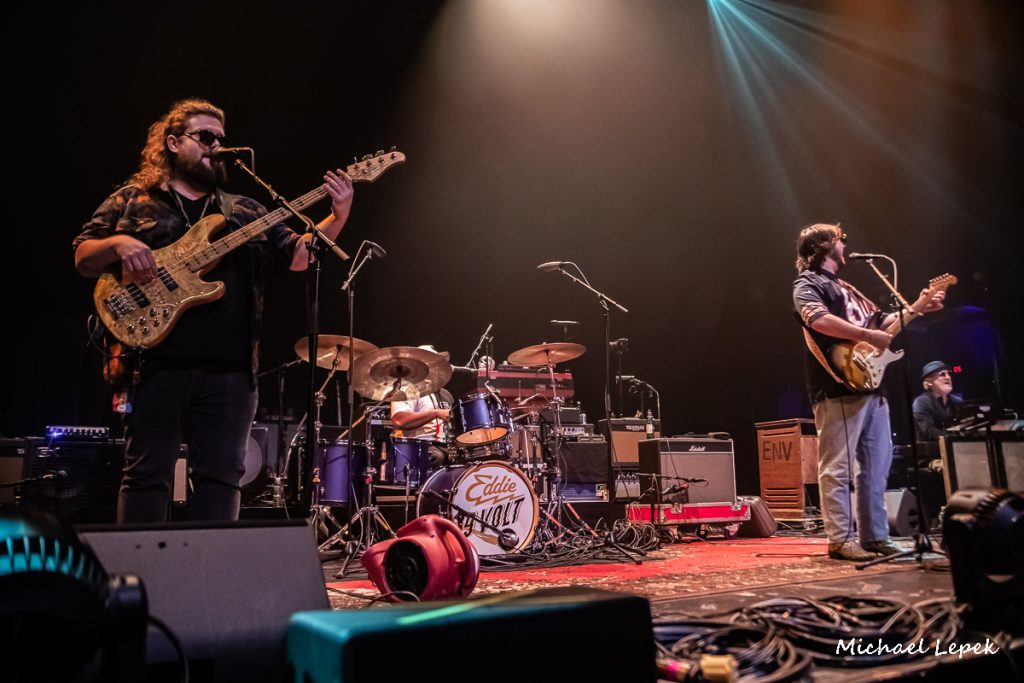
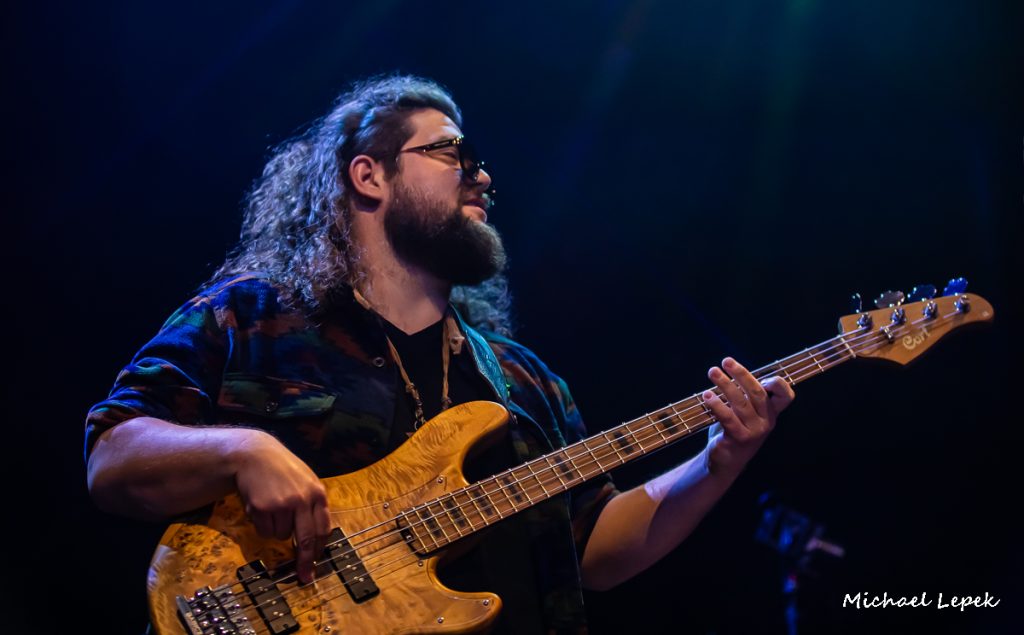
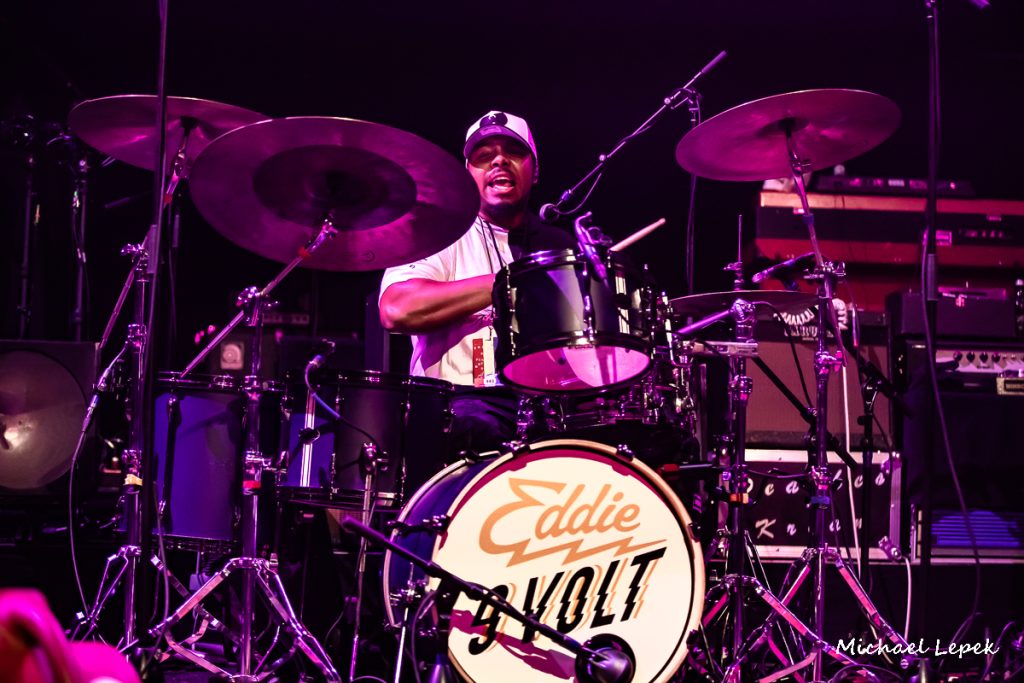
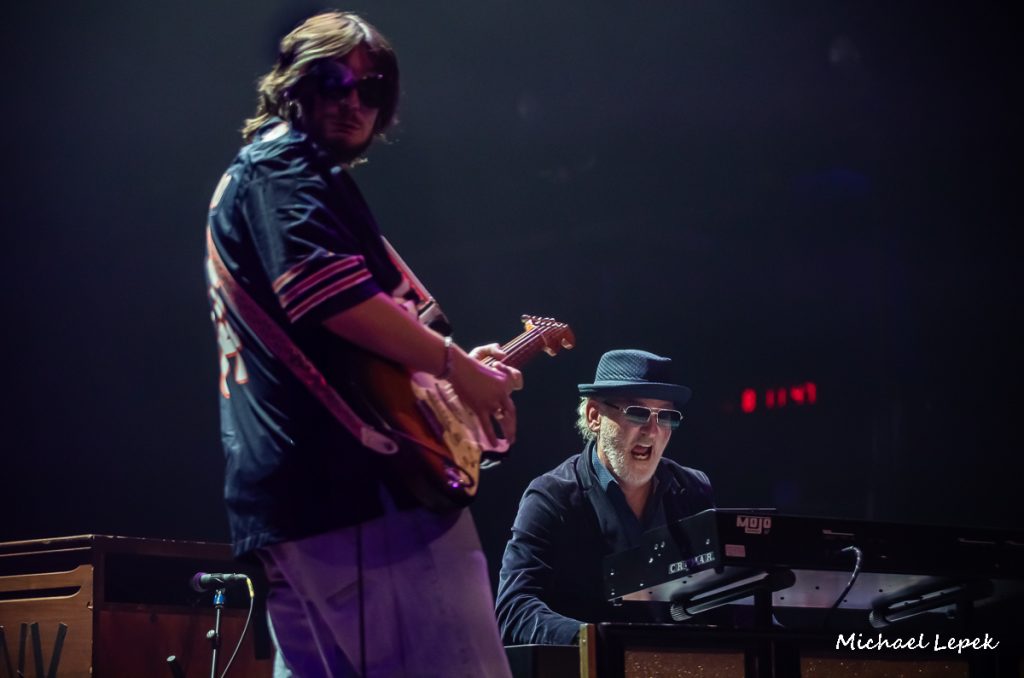
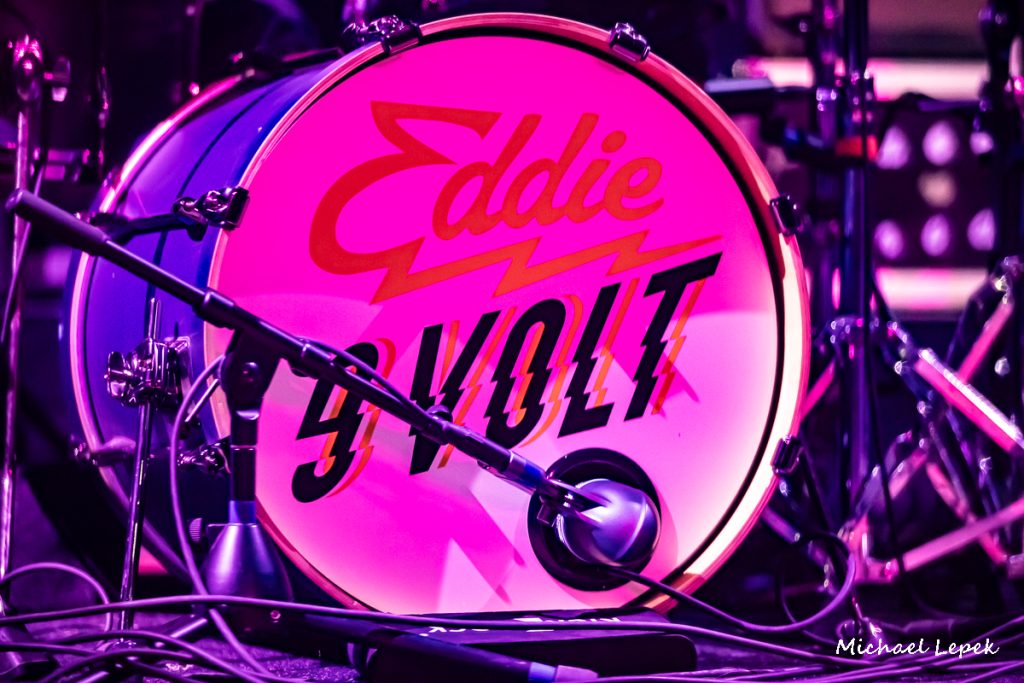
The Chicago performances were supported by rising artist Eddie 9 Volt (Eddie 9V), a signee of Auerbach’s own Easy Eye Sound label. The inclusion of Eddie 9V underscored the Black Keys’ ongoing commitment to preserving and elevating the blues genre. The young Georgian artist, who brought his brother Lane Kelly on bass, Chad Mason on keyboards, and David Green on drums, demonstrated a profound affinity for the Chicago blues tradition.
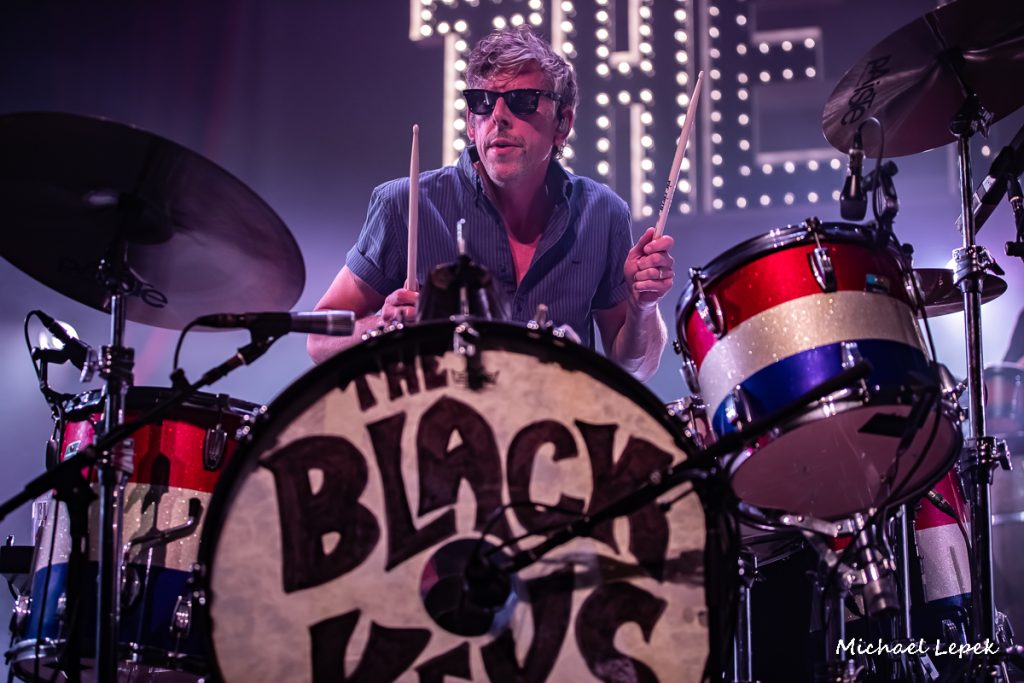
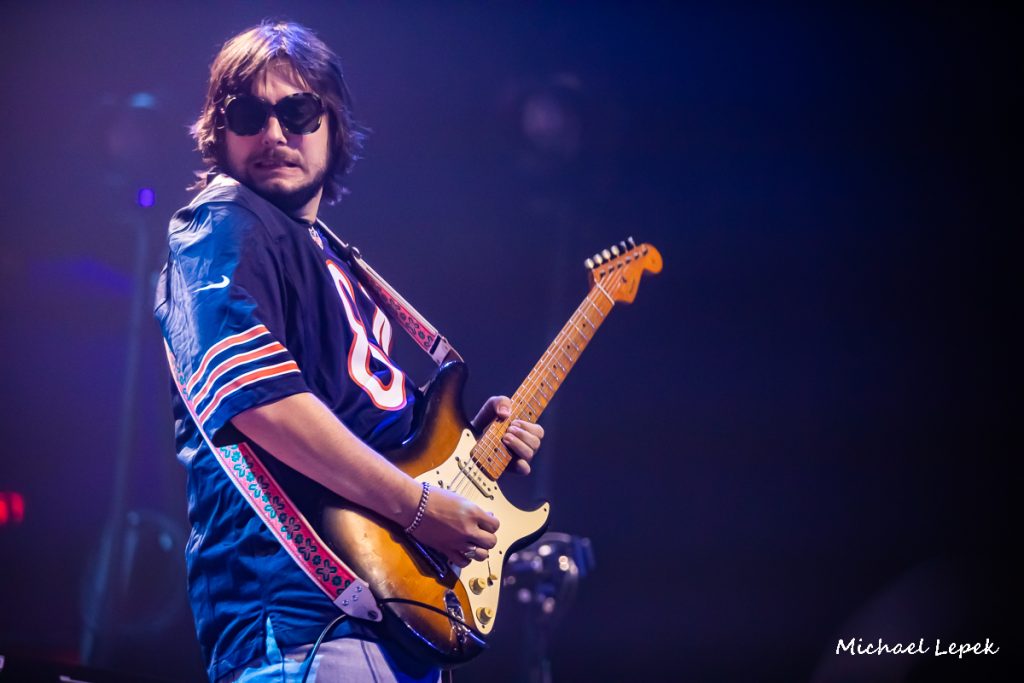
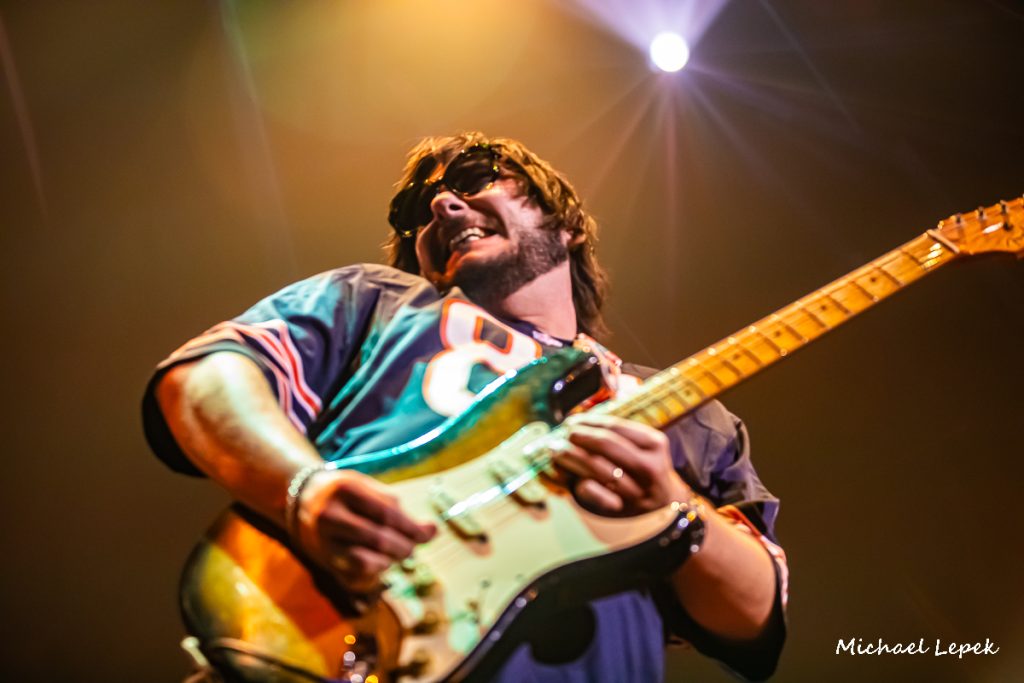
During his opening set, Eddie 9V leaned into the local atmosphere, wearing a Chicago Bears jersey and acknowledging the city’s storied musical heritage. His set featured tracks from his upcoming release, Down Here, including the energetic "Whole Lot Coming for You" and the blues-infused "Can I Sleep in Your Backyard." His performance served as a thematic bridge between the classic Chicago blues of legends like Buddy Guy and the modern, gritty sound the Black Keys have popularized. The integration of such artists into their tour highlights a broader industry trend: established acts using their platform to provide vital exposure to emerging talent within the Americana and blues circuits.
The Venue: A Study in Urban Adaptive Reuse
The Salt Shed, where the final shows took place, has become a cornerstone of Chicago’s modern music infrastructure. The venue is housed in the former Morton Salt packaging plant, a site that was once an industrial icon along the Chicago River. The transition of this facility from a site of industrial production to a cultural hub is a primary example of urban adaptive reuse.
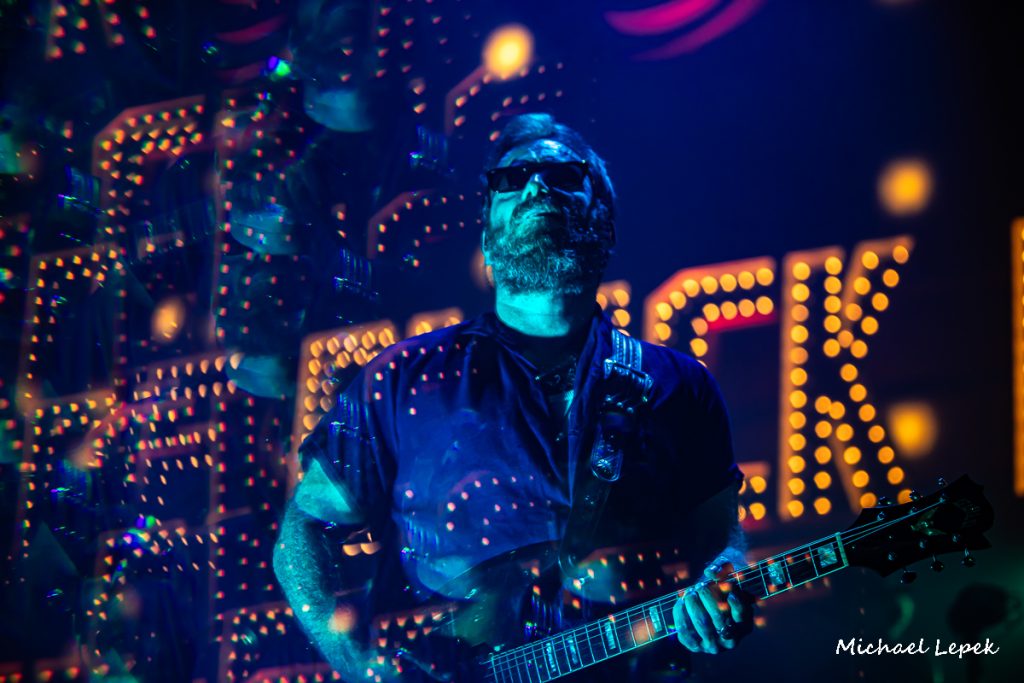
For the Black Keys, a band known for their appreciation of raw, industrial aesthetics and authentic musical roots, the venue provided an ideal backdrop. The "Shed," as it is colloquially known, offers a cavernous, acoustically distinct environment that contrasts sharply with the pristine, modern arenas that dominate the touring circuit. The decision to move the show from the outdoor Fairgrounds to the indoor structure preserved the architectural character of the event while providing the necessary climate control to mitigate the memory of the July air quality incident.
Analysis of the Performance and Catalog Depth
The Black Keys’ performance on the final nights demonstrated a deliberate retrospective of their career. With a catalog of fourteen studio albums, including their breakthrough The Big Come Up (2002), the band navigated a complex setlist. They opened with "I Got Mine" from 2008’s Attack and Release and heavily featured material from their 2010 commercial success, Brothers.
The setlist included six tracks from Brothers—namely "Everlasting Light," "Howlin’ for You," "Next Girl," "She’s Long Gone," "Ten Cent Pistol," and "Tighten Up." This focus on Brothers was particularly notable, as the album marked a significant shift in the band’s trajectory toward mainstream recognition. Despite the ubiquity of these tracks in television and commercial media, the band’s live arrangements breathed new life into the recordings. By incorporating additional touring musicians—including Barrie Cadogan on electric guitar, Andy Gabbard on bass, Chris St. Hillaire on percussion, and Jimbo Mathis on Farfisa organ and harmonica—the band achieved a "wall of sound" that was both technically precise and stylistically expansive.
Implications for the Touring Industry
The disruption caused by the July wildfires serves as a sobering reminder of the increasing influence of climate volatility on the entertainment and tourism sectors. For artists and promoters, the incident in Chicago highlights the need for increased flexibility in tour planning and venue contracting. The costs associated with rescheduling a major tour, including logistics, crew labor, and marketing adjustments, are substantial.
Industry experts suggest that the "resilience" displayed by the Black Keys and their management team in securing the indoor Salt Shed dates reflects a broader shift toward risk-mitigation in live event production. As extreme weather events become more frequent, the industry is likely to prioritize venues with climate-controlled, multi-functional spaces capable of hosting large-scale events regardless of external atmospheric conditions.
A Communal Conclusion
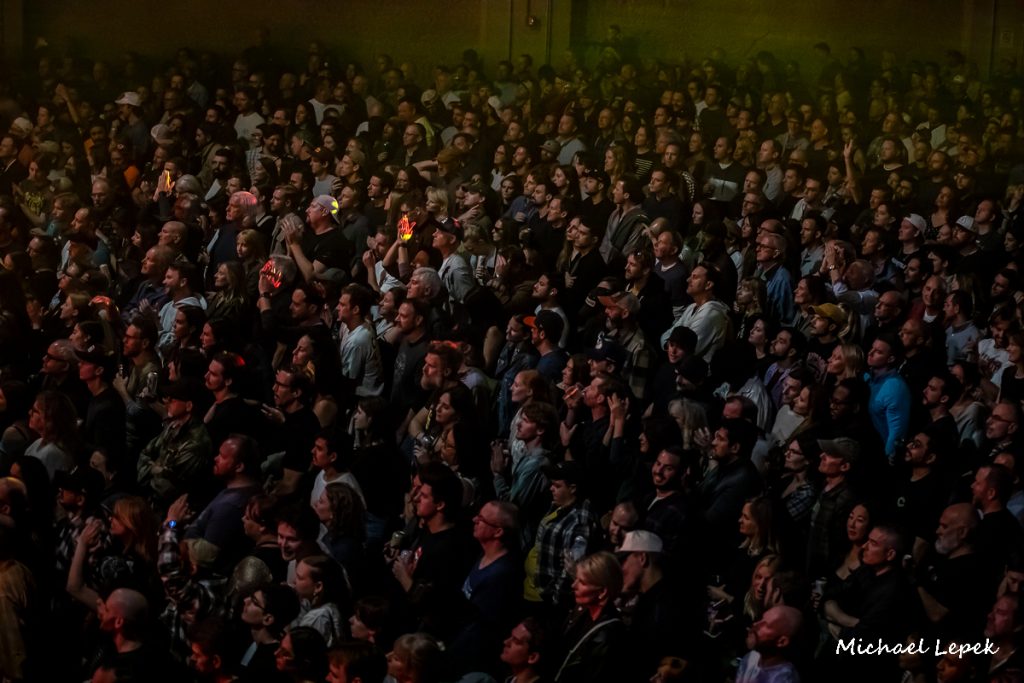
The final encore, consisting of "Little Black Submarines" and "Lonely Boy," underscored the band’s enduring popularity. These songs, which have become anthems for a generation of indie-rock fans, resonated deeply within the historic walls of the Salt Shed. The interaction between the band and the audience—which included a surprise guest appearance by Eddie 9V for a rendition of Earl Hooker’s "You Got to Lose"—created a sense of closure to a tour that had been defined by both global travel and local adversity.
As the Black Keys concluded their final set, the atmosphere was one of celebration. For the fans in attendance, the show was more than just a concert; it was the completion of a promise made during the summer, a testament to the endurance of live music in the face of unpredictable environmental challenges. The tour’s conclusion marks the end of a chapter for the duo, who have spent two decades evolving from childhood friends in Akron, Ohio, to global rock staples, consistently finding ways to keep their sound fresh, relevant, and rooted in the blues traditions they hold dear.
The successful navigation of this tour, particularly the transition from the July cancellation to the October finale, stands as a benchmark for professional adaptability in the modern touring landscape. The Black Keys have demonstrated that even when external forces threaten to silence the music, the commitment to the performance—and the connection with the audience—remains the primary driver of their creative endeavor. As the stage lights dimmed on the final night in Chicago, the resonance of their career-spanning setlist served as a fitting bookend to one of the most successful, if challenging, tours in their long and storied history.