EFG London Jazz Festival 2026 Returns to Transform the Capital into a Global Hub of Sonic Innovation

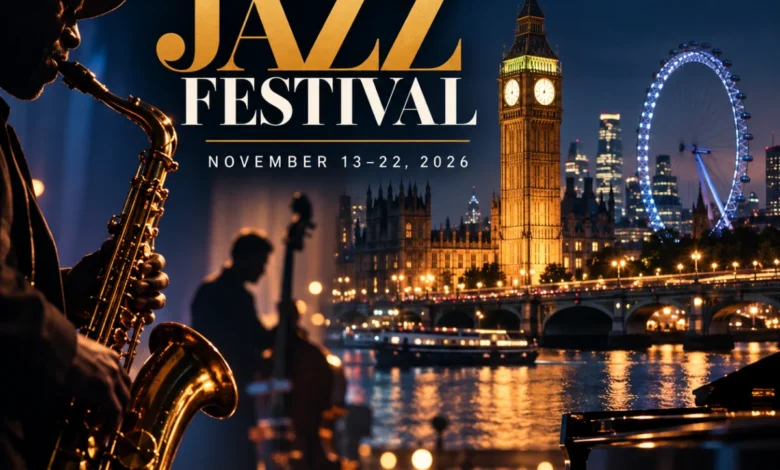
The EFG London Jazz Festival is set to return to the British capital from November 13 to November 22, 2026, marking a significant milestone in the global cultural calendar. Produced by the renowned arts organization Serious, the festival has solidified its reputation as one of the world’s most expansive and inclusive celebrations of improvised music. Over the course of ten days, the event will permeate the city’s geography, utilizing a diverse range of spaces—from the grand, acoustically pristine halls of the Barbican and the Royal Albert Hall to the gritty, intimate atmosphere of legendary jazz clubs like Ronnie Scott’s and the Blue Note London.
This year’s edition is particularly momentous as it arrives during a period of profound transition in the jazz world, balancing the weight of historical legacy against the rapid evolution of contemporary sounds. The 2026 program is designed to transcend traditional genre definitions, curating a narrative that connects established masters with the next generation of global innovators.
A Landmark Centennial: Honoring Coltrane and Davis
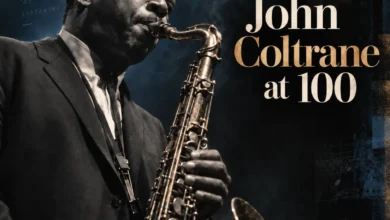
The 2026 festival is anchored by a compelling historical narrative: the centennial celebration of two of the most transformative figures in 20th-century music, John Coltrane and Miles Davis, both born in 1926. Their influence on the trajectory of modern music is immeasurable, and the festival seeks to contextualize their work not as museum pieces, but as living, breathing foundations for current creative exploration.
The festivities open on November 13 at the Barbican with "Coltrane 100: Both Directions at Once." This high-profile production features a specially assembled quintet comprising saxophonists Joe Lovano and Melissa Aldana, pianist Nduduzo Makhathini, bassist Linda May Han Oh, and drummer Jeff "Tain" Watts. Rather than opting for a standard tribute, the ensemble aims to channel Coltrane’s experimental spirit. Joe Lovano, a veteran of the global jazz circuit, has articulated that the goal is to engage with Coltrane’s philosophy of constant evolution. The rapid sell-out of this performance highlights the enduring appetite for high-concept, intellectually rigorous jazz programming.
Complementing the concert series is a scholarly and cinematic approach to these icons. The Barbican’s "Jazz on Screen" series will feature Spike Lee’s Mo’ Better Blues, a film that captures the atmospheric complexities of the jazz life, while dedicated sessions will examine the latter-period work of Miles Davis. Emma-Jean Thackray, a prominent voice in the UK’s vibrant scene, contributes to this dialogue with her performance, "Dear Miles — A Love Letter," at the EartH Theatre, signaling that for today’s creators, these pioneers remain essential, active points of reference.
The Chronology of a Sonic Marathon
The festival’s schedule is structured to provide a thematic arc, starting with a surge of energy on opening weekend and maintaining a high level of engagement throughout the ten-day period.
- November 13 (Opening Day): The festival commences with the "Opening Gala: Jazz Voice" at the Royal Festival Hall, a tradition that serves as the official curtain-raiser. The evening is characterized by a density of talent, with performances by Fergus McCreadie, Sarathy Korwar, Morcheeba, and the aforementioned Coltrane tribute.
- November 14: The momentum shifts toward global cross-pollination. Asha Puthli presents "The Cosmic Voyager," while Goldie, the pioneering figure of drum and bass, performs "Dare to Dream" with a full orchestra—a testament to the festival’s commitment to bridging the gap between electronic traditions and jazz improvisation.
- November 15: The program leans into international artistry, featuring Tunisian oud master Anouar Brahem, the sophisticated quartet of Ambrose Akinmusire, and a collaborative effort from pianist Alfredo Rodriguez and percussionist Pedrito Martinez at KOKO.
- November 16–22: The latter half of the week shifts to major headliners, including Melody Gardot at the Royal Albert Hall and a multi-night residency by GoGo Penguin, ensuring that the festival’s middle and end phases retain as much prestige as the opening.
The "Club Culture" Strategy
A distinctive feature of the EFG London Jazz Festival is its deliberate integration of the "club circuit." While the headline acts at the Royal Festival Hall provide the necessary reach for a festival of this scale, the residency of Robert Glasper at Blue Note London, spanning the entire duration of the festival, serves as the heart of the experience.
By grounding the event in the city’s clubs, the organizers acknowledge that jazz is, fundamentally, a social and nocturnal music. This "Celebrating the Jazz Clubs" initiative allows for a level of spontaneity that large-scale auditoriums cannot provide. It creates a symbiotic relationship between the city’s nightlife and its formal arts institutions, effectively turning London into a cohesive, immersive jazz environment.
Data-Driven Diversity and Institutional Impact
The 2026 lineup is a response to the shifting demographics of the jazz audience. Data from previous years suggests a marked increase in younger listeners drawn to the intersections of jazz, electronic music, and hip-hop. The inclusion of artists like Dave Okumu, who explores the legacies of Nina Simone and Sly Stone, alongside established figures like Fatoumata Diawara and the Kronos Quartet, reflects a strategy of "genre-fluidity."
The economic impact of the festival on London’s cultural sector is substantial. As a major draw for both domestic and international tourism, the festival supports a vast network of service providers, venue staff, and creative technicians. For the venues themselves, the festival represents a critical period of high-occupancy and cultural relevance, often serving as a barometer for the health of the live music industry in the UK.
Analysis: Jazz as an Evolving Language
The primary challenge for any legacy jazz festival is the risk of stagnation. The EFG London Jazz Festival avoids this by refusing to treat jazz history as a static entity. The inclusion of artists like Ambrose Akinmusire and Nduduzo Makhathini serves to remind the audience that the "language" of jazz is being updated in real-time.
When the festival presents a tribute to John Coltrane, it does so through the lens of modern improvisers who have integrated the sounds of global folk traditions, modern classical composition, and avant-garde electronic textures into their practice. This approach creates a "vertical" timeline—where the past (1926) and the present (2026) are placed in a constant, productive dialogue.
Official Stance and Future Prospects
While the producers at Serious have kept formal commentary focused on the celebratory nature of the event, the underlying message is one of institutional resilience. By successfully navigating the complexities of post-pandemic touring, rising production costs, and the changing digital landscape of music consumption, the EFG London Jazz Festival has maintained its status as a vital component of the British cultural identity.
The festival’s ongoing success indicates that there remains a significant demand for "long-form" cultural consumption. Unlike music festivals that focus on short, high-energy sets, the London Jazz Festival invites the audience to invest ten days into a complex, multifaceted program. This pedagogical approach to music—encouraging listeners to seek out artists they may not know—is perhaps the festival’s most enduring contribution to the music industry.
Looking Toward the Final Curtain
As the city prepares for the November 13 start date, the anticipation among the jazz community is palpable. With the full schedule now finalized and tickets currently being processed through the festival’s official website, the logistical machine of the event is in full motion.
The 2026 EFG London Jazz Festival stands as a testament to the belief that music is a borderless, evolving conversation. By honoring the titans of the past while providing a stage for the architects of the future, the festival secures its position not just as a series of concerts, but as a defining cultural institution for the city of London and the international music community at large. As attendees prepare to navigate the ten-day marathon, they do so with the understanding that they are participating in a vital chapter of contemporary musical history—one that honors the roots of jazz while relentlessly pushing its branches toward new, uncharted territory.