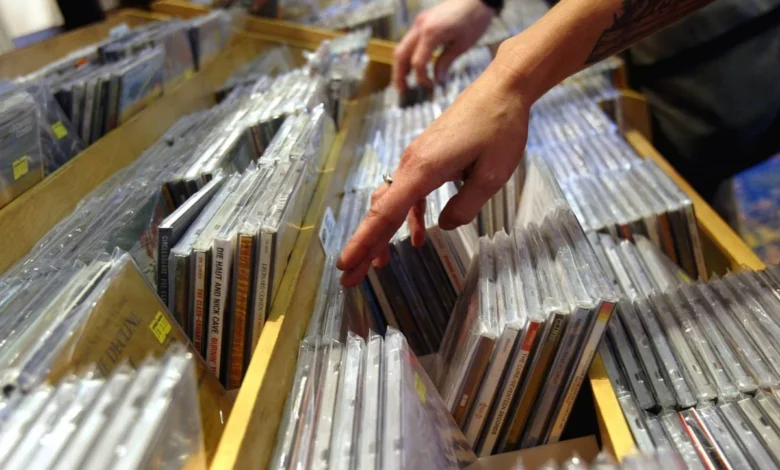
The American music market has witnessed an unexpected and significant resurgence in Compact Disc (CD) sales during the first half of 2026, registering a robust 16 percent increase that substantially outpaced the growth of vinyl records. This notable shift, detailed in entertainment data company Luminate’s 2026 Midyear Report, highlights an evolving consumer landscape where physical media, once considered obsolete by many, is finding renewed relevance, particularly among younger demographics who value collectibility and tangible fan engagement.
A Detailed Look at Midyear Market Dynamics
Luminate’s comprehensive report, covering the period from January to the end of June 2026, revealed that 16.3 million CDs were sold across the United States. This impressive figure contrasts sharply with the growth rate of vinyl, which, despite maintaining a larger overall market share in terms of units, experienced a more modest 2.4 percent year-on-year increase. During the same six-month window, 21.8 million vinyl albums were purchased, solidifying their position as the leading physical format by volume. Beyond these dominant formats, the niche market for cassette tapes also contributed to the physical media landscape, with approximately 205,000 units sold. When aggregating sales across CDs, records, and cassettes, the combined physical market demonstrated a healthy overall growth of 7.8 percent, reaching an approximate total of 38.2 million units sold in the first half of the year. This composite growth underscores a broader trend of consumers embracing physical music formats, not as a replacement for digital consumption, but as a complementary experience.
The Historical Arc of Physical Music Formats
To fully appreciate the current CD resurgence, it’s essential to understand the historical trajectory of physical music formats. The Compact Disc, introduced commercially in 1982, rapidly revolutionized music consumption. Offering superior sound quality, durability, and convenience compared to vinyl records and cassette tapes, CDs quickly became the dominant format, leading to the near-extinction of vinyl by the late 1990s. The 2000s, however, brought the digital revolution. The advent of MP3s, illegal file-sharing, and later, legal digital downloads from platforms like iTunes, began the precipitous decline of CD sales. By the late 2000s and early 2010s, with the rise of streaming services such as Spotify and Apple Music, many industry observers declared physical media, and particularly the CD, to be on its deathbed.
Yet, parallel to this digital ascendancy, a quiet rebellion was brewing. Vinyl records, once relegated to specialty shops and audiophile niches, began a surprising comeback in the late 2000s. Driven by nostalgia, the tactile experience of handling a record, the appreciation for album art, and a perceived warmer sound quality, vinyl sales have seen consistent, often double-digit, growth for over a decade. This resurgence paved the way for a broader reconsideration of physical formats, setting the stage for the current CD revival. Cassettes, too, have seen a smaller, more niche resurgence, appealing to extreme nostalgia and independent artists seeking a unique physical release. The 2026 midyear data suggests that this appreciation for physical artifacts has now expanded to include the CD in a significant way, challenging previous predictions of its terminal decline.
Key Drivers Behind the CD Revival: K-Pop, Price, and Collectibility
Luminate’s analysis points to several critical factors fueling the rapid acceleration of CD sales, chief among them "collection building" and "price accessibility," significantly bolstered by the powerful influence of K-pop.
The K-Pop Phenomenon: The genre of K-pop, with its global fan base and sophisticated marketing strategies, has emerged as a primary catalyst. K-pop albums are frequently designed not just as musical releases but as elaborate collectible packages. These typically include multiple versions of an album, each featuring unique photocards, posters, elaborate photo books, and other exclusive merchandise. This strategy intrinsically encourages fans, often referred to as "stans," to purchase multiple copies to complete their collections, acquire specific rare items, or simply to show overwhelming support for their favorite groups.
A standout example of this impact in the first half of 2026 was the hugely successful comeback album "ARIRANG" by the global phenomenon BTS. This release proved to be a monumental success, selling an astounding 516,000 physical copies in the U.S. during its opening week alone. Remarkably, 208,000 of these were vinyl copies, marking the biggest weekly vinyl sales total for any group since Luminate began electronically tracking purchases in 1991. While BTS’s vinyl success is noteworthy, their overall physical sales, predominantly driven by CD packages, underscored the immense power of K-pop’s fan-centric merchandising model. This trend extends beyond BTS, with numerous other K-pop acts consistently driving substantial physical sales through similar strategies, effectively transforming album purchases into a form of interactive fandom.
Price Accessibility: In an era where vinyl records can often retail for $25-$40 or more, CDs present a significantly more affordable entry point for physical music collectors. With new CDs typically priced between $10-$20, they offer a tangible and often elaborately packaged product at a fraction of the cost of their vinyl counterparts. This price accessibility makes them an attractive option for younger fans with limited disposable income, allowing them to build substantial collections without significant financial strain.
Collectibility and Merchandise Value: Beyond K-pop’s specific marketing, Luminate’s findings highlight a broader cultural shift, particularly among younger consumers. The report suggests that Gen Z and millennial consumers are increasingly treating CDs not merely as a format for listening to music, but as affordable merchandise and collectible objects. A striking statistic from the report reveals that approximately half of the Gen Z and millennial consumers buying CDs do not even own a CD player. This indicates a paradigm shift where the act of ownership, the aesthetic appeal of the physical product, and its value as a piece of an artist’s brand or an extension of fan identity, supersede the functional utility of playback. For these fans, a CD might be displayed on a shelf, admired for its artwork, or stored as a cherished artifact, embodying their connection to an artist or a particular musical era, much like a piece of art or memorabilia.
Beyond K-Pop: A Broader Resurgence
While K-pop has undeniably played a pivotal role in supercharging CD sales, the increase is not solely dependent on this genre. Luminate’s data further revealed that even when all K-pop sales were meticulously removed from the figures, U.S. CD purchases still exhibited a healthy 6.7 percent increase compared to the first half of 2025. This indicates a more widespread embrace of the format, extending across various genres and appealing to diverse segments of the music-buying public, including fans of Western pop, rock, and indie artists who are also increasingly offering enhanced CD packages. This broader growth suggests that the factors of price, nostalgia, and collectibility are resonating beyond a single genre, pointing to a more fundamental shift in consumer preferences for tangible music artifacts.
Coexistence with Streaming: A Hybrid Consumption Model
Crucially, the resurgence of physical media, including CDs, is not occurring in isolation or at the expense of digital consumption. Instead, it is happening alongside the continued robust growth of streaming services, indicating a prevalent hybrid consumption model among modern music listeners. Luminate’s report confirmed that U.S. on-demand audio streams continued their upward trajectory, rising by 4.8 percent to an astounding 732.7 billion during the first half of 2026. Globally, the growth was even more pronounced, with streams increasing by 9.8 percent to reach an colossal 2.8 trillion.
This simultaneous growth demonstrates that physical and digital formats serve different, yet complementary, roles in a consumer’s music ecosystem. Streaming platforms offer unparalleled convenience, vast catalogs, and effortless discovery, catering to daily listening and casual exploration. Physical formats, conversely, cater to a deeper level of engagement—fandom, collecting, the aesthetic experience, and a sense of ownership. Modern consumers are adept at navigating this multi-faceted landscape, utilizing streaming for breadth and accessibility, and physical media for depth and connection.
Industry Reactions and Expert Perspectives
The unexpected surge in CD sales has prompted various reactions across the music industry. An anonymous Luminate analyst commented, "The sustained growth in physical formats, particularly the accelerated pace of CD sales, signals a mature market that values diverse consumption experiences. What’s fascinating is how younger audiences are redefining the CD’s utility—moving it from a playback device to a collectible artifact. This evolution presents new opportunities for artists and labels to engage fans beyond purely digital channels."
Executives at major record labels are reportedly adapting their strategies to capitalize on this trend. "We’re certainly paying close attention to these figures," stated a representative from a prominent global music conglomerate. "The K-pop model has proven incredibly effective, and we’re exploring how to apply similar ‘collection building’ principles to Western artists. It’s about creating a compelling physical product that complements the digital experience and gives fans a tangible connection to their favorite music."
Retailers, both online and brick-and-mortar, are also adjusting their inventory and marketing. "CDs are no longer just a budget item or a secondary thought," explained the manager of a national music retail chain. "We’re seeing increased demand for new releases, especially limited editions and anything tied to fan culture. It’s revitalizing our physical media sections and bringing a new demographic into stores."
Artists themselves often express a nuanced view. While streaming dominates listenership, many value the physical connection. "There’s something incredibly special about knowing someone has chosen to own a physical piece of your work," commented an indie artist, requesting anonymity to speak freely. "It’s a different level of commitment than a stream, and it feels like a deeper form of support."
Global Context: UK Market Insights
While the Luminate report focuses on the U.S. market, other regions also contribute to the broader physical media narrative. In the United Kingdom, for example, vinyl records continued their strong performance in early 2026. Harry Styles’ "Kiss All The Time. Disco, Occasionally" was revealed as the UK’s biggest-selling vinyl album, shifting 69,000 copies by mid-April. Other top-selling vinyl albums included Olivia Dean’s "The Art Of Loving," Gorillaz’s "The Mountain," the War Child charity album "Help(2)," and the perennial classic Fleetwood Mac’s "Rumours." On the singles front, RAYE’s "Where Is My Husband!" topped the vinyl singles chart, followed by Taylor Swift’s "The Fate Of Ophelia" and "Opalite," and Sam Fender and Olivia Dean’s collaboration "Rein Me In." These UK figures underscore the continued health of the vinyl market internationally, even as the U.S. sees a dramatic acceleration in CD sales.
Implications for Artists and Revenue Streams
Despite the encouraging growth in overall music consumption, the perennial question of how much of the industry’s increased revenue ultimately reaches working artists remains a critical concern. The Musicians’ Union in the UK continues to highlight findings from the UK Musicians’ Census, which paints a sobering picture of artist remuneration. The census indicates that the average annual income from music work for professional musicians stands at a modest £20,700. Furthermore, a significant 43 percent of professional musicians earn less than £14,000 a year from music-related activities, figures that often fall below living wage standards in many regions.
While increased physical sales, particularly through direct-to-consumer channels or highly-priced collectible editions, can offer better per-unit margins for artists compared to streaming royalties, the overall impact on the average musician’s income is still debated. The growth in physical sales, while positive, is largely driven by established acts or artists with highly engaged fanbases capable of supporting elaborate merchandising efforts. For emerging or mid-tier artists, the financial benefits might be less pronounced. This situation underscores the ongoing need for artists to diversify their income streams, incorporating touring, merchandise, sync licensing, and other ventures, even as the overall market for recorded music expands. The challenge for the industry remains ensuring that this growing revenue trickles down equitably to the creators at its foundation.
The Future Landscape of Music Consumption
The first half of 2026 has presented a fascinating snapshot of the music industry—one characterized by dynamism and a surprising re-evaluation of format relevance. The significant surge in CD sales, fueled by K-pop’s innovative marketing, the format’s affordability, and a growing cultural appreciation for tangible collectibles, signals a more complex and diversified future for music consumption. This is not a zero-sum game where physical replaces digital, but rather an expansive ecosystem where streaming provides convenience and discovery, while physical media offers depth, engagement, and a material connection to art.
As the industry moves forward, understanding these nuanced consumer behaviors will be paramount. Labels and artists will continue to innovate in how they package and present physical products, leveraging their appeal as extensions of brand and fandom. The ongoing growth across all formats, digital and physical, suggests a vibrant, multifaceted future for music, where the choice of format is increasingly driven by personal connection, aesthetic preference, and the desire for a richer, more engaged listening and collecting experience. The CD, once an emblem of digital convenience, has now paradoxically re-emerged as a symbol of tangible connection in an increasingly virtual world.