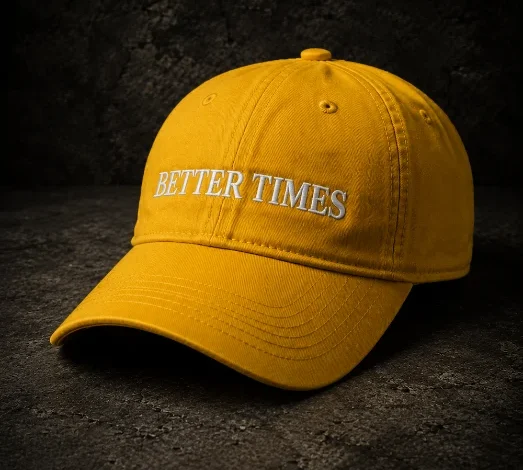
In an era characterized by stark political polarization and profound social fragmentation, the role of the songwriter as a catalyst for discourse has arguably never been more critical. Eric Bazilian, the multi-instrumentalist and founding member of the rock band The Hooters, has returned to his solo creative roots with the release of his latest single, Better Times. The track, which serves as an earnest appeal for collective progress, represents more than a mere musical endeavor; it is a deliberate attempt to transcend the echo chambers of modern public debate and find common ground in a period of systemic uncertainty.
A Departure from Retirement
For Bazilian, the genesis of Better Times was entirely unexpected. Following a prolonged period of professional reflection, he had reached a point where the prospect of recording or releasing solo material no longer felt compelling. He had, by his own admission, reached the end of that creative road. However, inspiration struck during a mundane moment of solitude—specifically, while in the shower. The refrain, "Better times better come soon," began to take shape, serving as the catalyst for his return to the studio.
This moment of clarity shifted his trajectory, transforming what was intended to be a hiatus into a new phase of artistic exploration. The composition, which features a refrain that echoes the poignant urgency of 19th-century folk standards like Stephen Foster’s Hard Times Come Again No More, serves as a bridge between historical struggles and contemporary anxieties.
The Context of Political Fragmentation
Bazilian’s return arrives at a time when the American socio-political landscape is arguably at its most volatile in decades. Recent data from the Pew Research Center suggests that partisan hostility has reached record highs, with a significant majority of voters reporting that they find it difficult to engage in constructive dialogue with those on the opposing side of the political spectrum.
Bazilian, having toured extensively across the United States with The Hooters, noted that his personal experiences on the road often contradicted the aggressive narratives propagated by social media and cable news. "I’ve met some of the kindest people I’ve ever met on both sides of the political fence," Bazilian noted. His objective with Better Times is to leverage the medium of song to bypass the inflammatory rhetoric that defines modern discourse. By focusing on universal themes—economic insecurity, the desire for stability, and the fatigue of constant conflict—he aims to craft a message that resonates across demographic and ideological lines.
Artistic Methodology: Creating the "Everyman"
To achieve this cross-ideological appeal, Bazilian consciously moved away from the autobiographical songwriting style that often characterizes solo work. Instead, he adopted a method similar to that of Bruce Springsteen, focusing on the construction of a multifaceted "everyman" character. This protagonist is designed to be intentionally ambiguous, embodying the concerns of a farmer, an accountant, or any individual navigating the complexities of the current economy.
By avoiding specific partisan markers, Bazilian believes the song can exist outside of the typical echo chambers that limit the reach of contemporary political music. The effectiveness of this approach was validated when a fellow songwriter, with whom Bazilian shares virtually no political overlap, reached out to express how deeply the song had resonated with him. For Bazilian, this interaction served as the "ultimate affirmation" of his mission.
The Philly Anthems Initiative
Better Times was commissioned as part of the Philly Anthems project, a significant cultural initiative spearheaded by the Philadelphia-based radio station WXPN. As the nation approaches its 250th anniversary in 2026, this project aims to explore the evolution of American identity through a series of 12 original compositions.
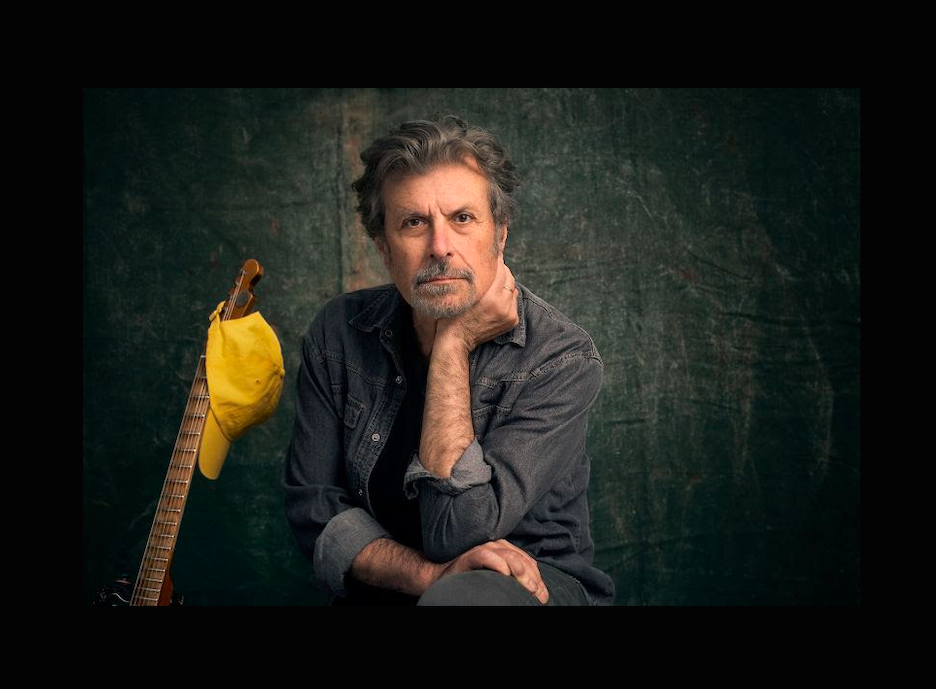
The project highlights the intersection of freedom, civic identity, and the modern interpretation of independence. By selecting Bazilian to lead this series, WXPN has centered the project on the idea that national identity is not a static concept, but a dynamic, ongoing dialogue. The song serves as a centerpiece for these discussions, positioning the struggle for "better times" as a fundamental American pursuit.
A Spontaneous Visual Narrative
The music video for the single, directed by Max Telving of Sweden’s SVT, captures the organic, communal essence of the song. Originally intended to be a brief 30-second promotional clip, the project evolved into a single-take, continuous shot during a social gathering in the Swedish countryside.
The footage features a group of people learning and singing the chorus, accompanied by Bazilian on a pump organ at sunset. The lack of artifice in the video serves as a visual metaphor for the song’s message: the most effective movements for change are often those that are simple, human, and collaborative. The spontaneity of the shoot, which involved a single take from beginning to end, has been credited by the production team for capturing an authentic emotional resonance that might have been lost in a more highly polished, multi-take production.
Future Implications and The "Reasonable Man"
Following the positive reception of Better Times, Bazilian has shifted his focus toward an expanded release schedule. What began as a standalone single is now coalescing into a full-length album. The thematic direction of this project was influenced by a suggestion from his son, who, upon hearing the lyric "reasonable man" within the song, identified it as a potential title for the upcoming collection.
The concept of the "reasonable man"—a legal and philosophical standard dating back to English common law—serves as an apt metaphor for the current cultural climate. In an era where extreme rhetoric is often rewarded, the return to a "reasonable" baseline is a radical act. Bazilian’s upcoming work appears to be leaning into this space, attempting to reconcile the disparate voices that define the current era.
Broader Societal Analysis
The implications of an artist like Bazilian attempting to bridge the divide are twofold. First, it reflects a growing trend among legacy musicians to utilize their platforms to advocate for social cohesion rather than mere commercial success. Second, it highlights the enduring power of the "anthem" in American culture. Throughout history, music has been a vehicle for social change, from the labor songs of the early 20th century to the protest movements of the 1960s.
However, the modern challenge is distinct; it is not merely a matter of mobilizing a movement against a specific policy, but of reconciling a fractured populace. By opting for a message of universal empathy, Bazilian’s work suggests that the path forward requires a de-escalation of the "us vs. them" narrative. Whether this message can gain traction in an environment optimized for outrage remains to be seen. Nonetheless, the success of the Philly Anthems project and the early feedback from his peers suggest that there is a significant audience for art that seeks to heal rather than exacerbate.
As Bazilian prepares to release the subsequent singles from this project, the music industry will be watching to see if this "reasonable" approach can sustain its momentum. The upcoming album is expected to delve further into these themes, providing a sonic roadmap for listeners looking for a reprieve from the relentless noise of the 24-hour news cycle. In the final analysis, Better Times is a testament to the idea that even in a time of unprecedented technological advancement and social complexity, the most potent tool for human connection remains a well-crafted melody and a shared, honest sentiment.