The Keeper of the Blues: Sean Bad Apple and the Fight to Preserve Mississippi’s Musical Soul

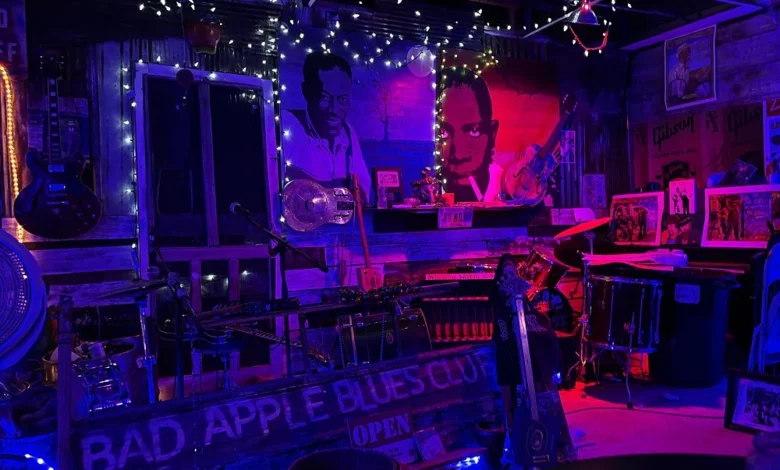
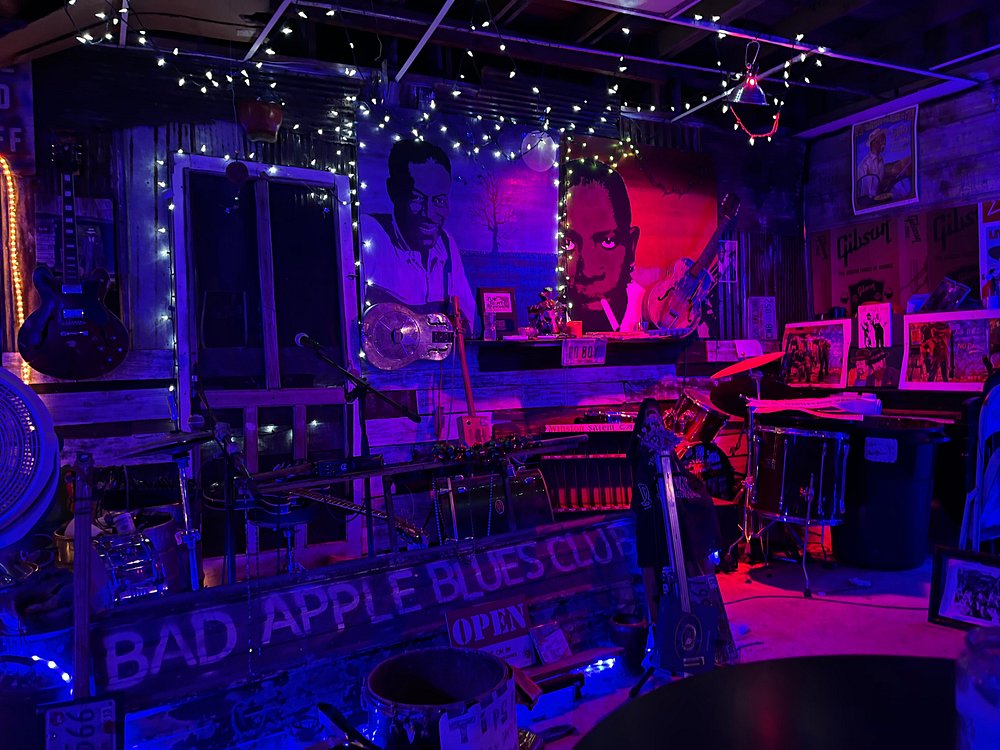
The survival of authentic Mississippi blues in the twenty-first century has become a precarious endeavor, balancing on the shoulders of dedicated preservationists like Sean "Bad" Apple. As the owner of the Bad Apple Blues Club in Clarksdale, Mississippi, Apple serves as both a curator and a performer, maintaining a fragile link to the deep-rooted musical traditions of the Delta and Hill Country. His work, however, takes place against a backdrop of economic instability, the decline of the traditional juke joint, and the complex challenge of translating a culture born of systemic hardship for a modern, globalized audience.
The Genesis of a Blues Custodian
Sean Apple’s journey to the heart of the Mississippi blues scene began far from the humid flatlands of the Delta. Raised in the quiet community of Harvey’s Lake, Pennsylvania, Apple grew up thousands of miles away from the epicenter of the music that would eventually define his life. In his youth, he was a student of the rock-and-roll canon, listening to the Allman Brothers, Lynyrd Skynyrd, and the Rolling Stones. Yet, it was a pivotal discovery—a Robert Johnson album purchased at a local record store—that served as the catalyst for his transformation.
The transition from a curious fan to a practitioner of the craft required a physical and spiritual migration. In the 1990s, Apple embarked on a series of road trips to Mississippi, seeking not just the music, but the people who created it. He found himself drawn repeatedly to Bentonia, a small town with a distinct, haunting musical identity. It was here that he met figures like guitarist Jack Owens and harmonica player Bud Spires. These interactions were not formal lessons; they were masterclasses in osmosis. Owens, an elder of the community, offered Apple a couch to sleep on and a front-row seat to a lifetime of musical evolution.
Apple notes that his education was devoid of academic instruction. The musicians he learned from did not speak in terms of music theory or chord nomenclature. Instead, they relied on intuition and ancestral memory. Apple’s process involved deconstructing their performances, matching strings to notes, and identifying the unique tunings that gave the Bentonia sound its somber, resonant quality.
The Hill Country Trance and the Juke Joint Tradition
Beyond the Delta, Apple found himself drawn into the orbit of North Mississippi Hill Country blues, particularly through his long-term collaboration with R.L. Boyce in Como, Mississippi. The Hill Country style represents a significant departure from the structure of Delta blues. While Delta blues often emphasizes intricate guitar picking and storytelling, the Hill Country sound is characterized by a persistent, hypnotic groove—a "trance music" that can sustain a single chord for extended periods.
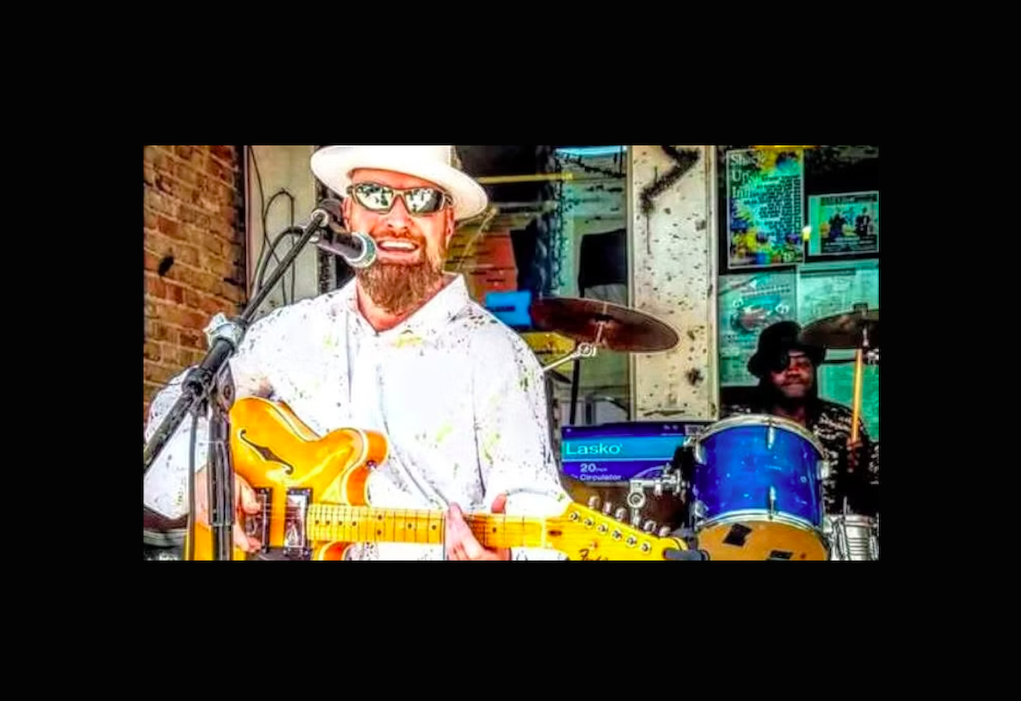
For Apple, playing this music is a visceral experience. He recalls his time in a Hill Country band featuring drummer Calvin Jackson and harmonica player "Big Boy" Grantz as a form of communal catharsis. This music was never intended for concert halls; it was the soundtrack of the juke joint, a vital social institution that provided a sanctuary for Black communities during the Jim Crow era and beyond.
The juke joint served as a multipurpose hub for dancing, gambling, and socialization. In a society where economic options were limited by the agricultural system of the South, these venues provided a rare space for joy and emotional release. According to Apple, the music was an all-encompassing force that allowed individuals to process the hardships of their daily existence. However, the closure of iconic establishments, such as Po’ Monkey’s Lounge following the death of owner Willie Seaberry in 2016, marks the end of an era. The physical decay of these spaces is matched by a shift in the demographic of the blues audience, which has transitioned from being predominantly Black to increasingly white and tourist-driven.
The Economic Reality of Preservation
The business of preserving authentic blues is fraught with severe financial strain. Despite the cultural importance of the Bad Apple Blues Club, the venue operates on razor-thin margins. Apple reported that his annual earnings from the club were approximately $14,000, a figure that highlights the extreme poverty that continues to affect many in the Mississippi Delta.
This financial instability limits access to basic necessities, including health insurance. Apple admits that while he could earn more in a conventional retail environment, his commitment to the music remains the driving force of his life. This lack of reciprocity—the struggle to sustain a business that is culturally priceless but economically undervalued—is a recurring theme in his assessment of the modern blues landscape.
Evolution vs. Authenticity: A Philosophical Dilemma
The tension between preserving a tradition and the natural evolution of music is a central theme in Apple’s work. He acknowledges that no music remains static; every generation adds its own "flavor" to the stew. However, he distinguishes between evolution and dilution. He argues that modern, academic approaches to the blues often miss the essence of the music, which is inextricably linked to the lived experience of the artists.
"Howlin’ Wolf’s music sounds like cotton fields and whiskey in an old shack in Mississippi," Apple observes. "When you take that out of context, you lose the story."
This perspective raises critical questions about the role of cultural appropriation and interpretation. When non-native musicians or those from different backgrounds perform the blues, the results are inevitably different from the original, even if the intent is to honor the heroes of the genre. Apple recognizes that his own presence as a white man in a traditionally Black-defined musical space is a choice, one that he navigates with respect for the elders who mentored him and the culture that welcomed him.
The Broader Impact and Future Outlook
The influence of Mississippi blues on global music cannot be overstated. From the British Invasion of the 1960s to the development of modern rock and roll, the DNA of the blues is present in the work of legends like Led Zeppelin and the Rolling Stones. By educating his audience, Apple performs a service that extends beyond the walls of his club; he helps connect contemporary listeners to the roots of the music they already love.
However, the future remains uncertain. The rise of the internet has streamlined the ability for fans to find authentic music, but it has also led to a saturation of content that can make it difficult for the public to distinguish between a genuine tradition and a commercialized imitation. As the older generation of blues musicians passes away, the "first-hand" connection to the history of the region is fading.
The task for keepers of the blues like Sean Apple is to ensure that while the music changes, its core remains intact. He suggests that the ultimate goal is not to create a museum-piece replication of the past, but to continue the dialogue between the past and the present. Whether that dialogue can survive the ongoing economic challenges of the Mississippi Delta remains to be seen. For now, in the dim light of his club, the groove continues—a reminder of a history that, while difficult and painful, remains one of the most significant cultural legacies in American history. As Apple aptly puts it, the music is "the closest thing to heaven you can find on this earth."