The Blues Vanguard in the Mississippi Delta: Sean Apple and the Fight to Preserve a Fading Legacy

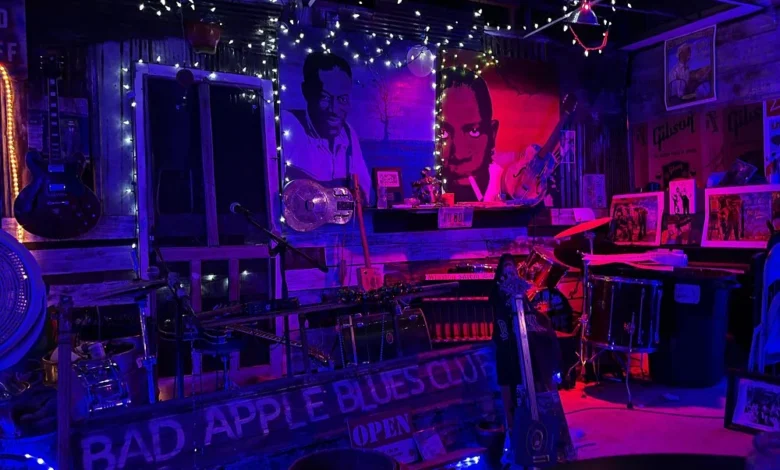
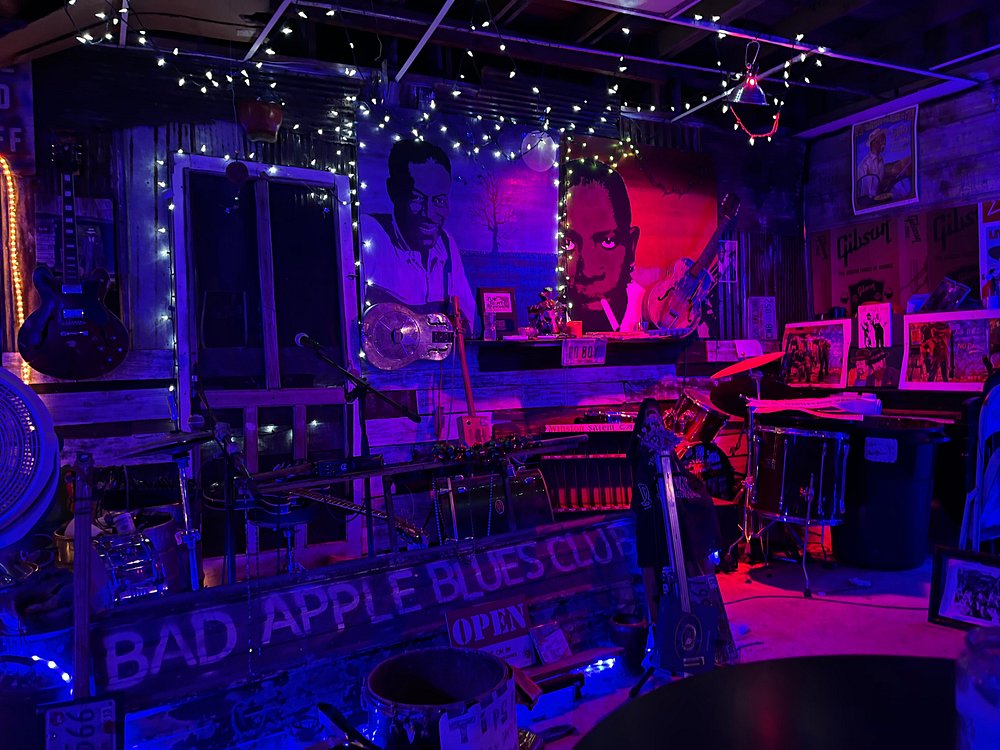
In the heart of Clarksdale, Mississippi, a small, unassuming venue known as the Bad Apple Blues Club serves as a living repository for one of America’s most vital cultural exports. Its proprietor, Sean “Bad Apple” Apple, stands as a sentinel of a musical tradition that emerged from the harsh realities of the cotton fields and juke joints of the early 20th century. For Apple, running a club in the birthplace of the blues is not merely a business venture; it is a labor of love that battles against the twin pressures of economic precarity and the slow erosion of authentic cultural heritage.
A Journey from Pennsylvania to the Delta
The story of Sean Apple is a testament to the transformative power of the blues. Born and raised in Harvey’s Lake, Pennsylvania, Apple grew up thousands of miles from the Delta, yet he found himself magnetically drawn to the sounds of Howlin’ Wolf, Muddy Waters, and Robert Johnson. His early exposure came through the Blues Review Quarterly and local record shops like Joe Nardone’s Gallery of Sound, where he began to curate a collection that would eventually define his life’s path.
By the 1990s, the distance between his suburban upbringing and the soul of the Mississippi Delta became unbearable. Apple embarked on a life-altering road trip, seeking out the architects of the blues tradition. His arrival in Bentonia, Mississippi, marked the beginning of an informal apprenticeship that would span decades. He found a mentor in the legendary guitarist Jack Owens and his harmonica player, Bud Spires. Owens, then 88, provided more than just musical instruction; he offered a window into a way of life. Apple spent months at a time on Owens’ couch, learning not through formal music theory, but through the patient, immersive process of observation and participation in the local community.
The Evolution of the Hill Country Sound
Apple’s education continued in Jackson and Clarksdale, where he met R.L. Boyce of Como, Mississippi. This encounter introduced him to the distinct, hypnotic rhythms of North Mississippi Hill Country blues. Unlike the Delta blues, which often emphasizes complex slide guitar work and lyrical storytelling, Hill Country blues is defined by its unrelenting, trance-inducing groove. As Apple describes it, it is music that “rides and rides till the wheels fall off.”
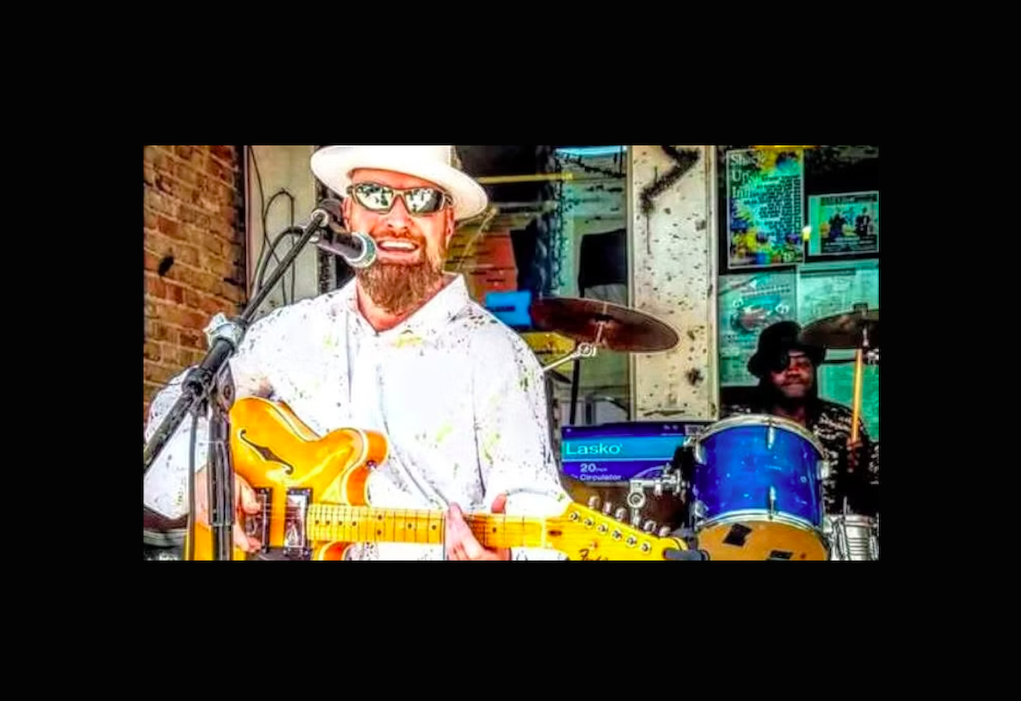
During the late 2000s and early 2010s, Apple performed in a Hill Country ensemble alongside drummer Calvin Jackson, guitarist Joseph Burnside, and harmonica player Martin “Big Boy” Grantz. This era of his life—characterized by yard parties and performances at iconic venues like Po’ Monkey’s Lounge—solidified his understanding of the music as a communal, cathartic experience rather than a performance art piece. For the original practitioners of this genre, the music was not a choice; it was a survival mechanism. It was a way to navigate an existence marked by systemic poverty and limited opportunity.
The Economic Reality of Cultural Stewardship
Despite the profound historical significance of the music performed at the Bad Apple Blues Club, the economic reality for its proprietor is stark. Apple reports annual earnings from his venue hovering around $14,000, a figure that highlights the precarious nature of maintaining an authentic blues space in a modern, often fickle market. The financial strain is so significant that Apple has struggled to afford basic necessities, including health insurance.
This economic disparity underscores a broader trend in the music industry: the struggle to sustain traditional, non-commercialized art forms. While commercialized blues—often popularized by mainstream acts or sanitized for broader audiences—can attract larger crowds, the “authentic, old-style” blues remains a niche market. Apple notes that while he can occasionally draw a crowd that understands the lineage from B.B. King to the modern stage, such events are becoming increasingly rare. The transition from a predominantly Black, local audience to a predominantly white, tourist-based audience has fundamentally altered the social dynamics of the juke joint experience.
The Decline of the Juke Joint Tradition
The juke joint was more than a venue; it was a sanctuary. Historically, these establishments provided a space for the Black population of Mississippi to socialize, gamble, dance, and escape the oppressive environment of the agricultural labor system. With the passing of legendary figures like Willie Seaberry of Po’ Monkey’s, and the shuttering of numerous other historic clubs, the physical infrastructure of this culture is vanishing.
The shift is not only geographical but demographic. Apple observes that younger generations and modern tourists often view these spaces as “too gritty,” requiring him to act as a bridge between the historical reality of the blues and the expectations of a modern, sanitized entertainment industry. This creates a paradox: to preserve the music, one must keep the venue open, yet the survival of the venue often requires concessions that dilute the very authenticity he seeks to protect.
The Challenge of Cultural Preservation in the Digital Age
The rise of the internet has facilitated a surge in “blues tourism,” allowing enthusiasts from around the world to map out their pilgrimage to Mississippi. While this has helped maintain a steady, if thin, stream of revenue for clubs, it has also introduced a homogenization of the scene. Musicians today are inundated with a global array of sonic influences, making it increasingly difficult to replicate the specific, regional purity that defined the early Hill Country sound.
Apple argues that the “purity” of the music was inextricably linked to the environment in which it was created. To hear Howlin’ Wolf is to hear the echoes of the cotton fields and the specific hardships of a Mississippi shack. When modern musicians, or even international rock acts like the Rolling Stones, perform the same songs, the intent and the resonance are inevitably different. This does not mean the music is inferior, but it marks a departure from the original context that birthed the genre.
Looking Toward the Future
As the musical landscape continues to evolve, the role of figures like Sean Apple becomes increasingly critical. While the genre is in a state of constant transition, the core mission of honoring those who built the foundation remains. For Apple, the goal is not to force the music into a time capsule, but to ensure that the lineage remains visible and audible for those willing to look past the surface.
The implications for the Mississippi Delta are significant. If the infrastructure for authentic blues continues to erode, the region risks losing the very cultural heritage that serves as the foundation for modern rock and roll. The history of the blues is a history of resilience—a triumph of the human spirit over conditions of extreme scarcity. Whether that tradition can withstand the pressures of 21st-century economic displacement remains to be seen.
Ultimately, the Bad Apple Blues Club is more than a stage; it is a site of active, daily resistance against the loss of history. As Apple reflects on his years in Mississippi, he maintains that the music is a form of magic—a unique, essential thread in the American fabric. The future of the genre may not look like the past, but so long as there are individuals committed to the deep, groove-heavy traditions of the Hill Country, the blues will continue to endure, even in the face of the harshest odds. The challenge for the next generation of blues enthusiasts and preservationists will be to find a way to make this relationship reciprocal—ensuring that the music that has given so much to the world is finally able to sustain those who keep its flame alive.