Catalonia Reckons With Its Dark Past by Granting Posthumous Pardons to Hundreds of Victims of Historical Witch Hunts

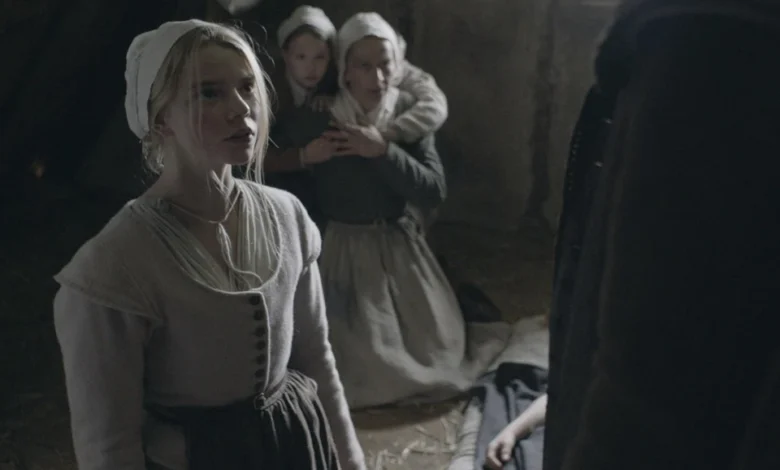
The Salem witch trials of 1692 are frequently cited in American history as the definitive example of mass hysteria and judicial malpractice. However, for centuries, a far more extensive and lethal campaign of persecution unfolded across Europe, claiming the lives of tens of thousands. In a significant effort to reconcile with this traumatic legacy, the government of Catalonia recently moved to formally pardon more than 700 individuals—predominantly women—who were executed for alleged witchcraft between the 15th and 18th centuries. This legislative act represents a major milestone in European historical reconciliation, acknowledging that the victims were not practitioners of black magic, but rather casualties of social instability, misogyny, and power dynamics.
The Scope of the European Witch Craze
While popular imagination often focuses on the events in Massachusetts, the European witch hunts were a continent-wide phenomenon that reached their peak between 1580 and 1630. During this fifty-year period, historians estimate that roughly 50,000 individuals were executed. The demographic breakdown of these victims is stark: approximately 80 percent were women.
In Catalonia, the trials were characterized by their localized, grassroots nature. Unlike some regions where the centralized Catholic Inquisition exerted strict control over judicial proceedings, the Catalan trials were often driven by rural villagers and feudal lords. In these isolated communities, accusations of witchcraft served as a convenient scapegoat for the unpredictability of early modern life. A failed harvest, a sudden epidemic, or the unexplained death of a child was frequently met with suspicion. In the absence of a strong central legal authority, local leaders often hired professional "witch hunters" to identify and neutralize those perceived to be disrupting the social order.

A Legislative Act of Remembrance
In late 2021, the Catalan parliament passed a resolution with an overwhelming majority—114 votes in favor and only 21 against—to posthumously pardon the victims of these trials. Beyond the symbolic act of exoneration, the measure mandated that local municipalities honor these individuals by renaming streets after them. This initiative aims to reclaim the public space for women who were historically demonized, transforming symbols of local geography into markers of historical truth.
The legislation reflects a broader shift in how modern states view their relationship with historical atrocities. By formally acknowledging the state’s role in these judicial murders, the government of Catalonia has moved to deconstruct the myths that once surrounded the accused. Many of these women were, in fact, independent figures who challenged the social norms of their time. Some were practitioners of traditional medicine or midwifery, occupying roles that, while essential to community health, were increasingly viewed as subversive by a society struggling with religious and political transition.
The Intersection of Misogyny and Social Control
The correlation between witch hunts and the systemic oppression of women is a subject of growing academic and political discourse. Jenn Díaz, a member of the Catalonian parliament, highlighted this connection during her address to the body. "We are the daughters of the witches, the poisoners, and the healers," Díaz remarked in interviews following the vote. She posited that the witch hunts were an early, brutal form of femicide—a mechanism used to suppress female autonomy and independence.
This perspective is supported by the social profile of the accused. In Catalonia, as in much of Europe, the most vulnerable targets were often widows, women who owned property, or those who lived on the margins of the village hierarchy. By labeling these women as "witches," neighbors and feudal authorities could justify the seizure of assets or the elimination of social friction. The confession was frequently the only "evidence" required for a conviction in secular courts. Under torture or the threat of it, many accused individuals would confess to impossible acts, sealing their fate.

The Role of the Inquisition
A fascinating nuance in the Catalan context is the role of the Spanish Inquisition. While one might assume the Inquisition was the primary driver of these executions, historical records often suggest the opposite. The Inquisition was, in many instances, deeply skeptical of witchcraft, viewing it as a superstitious delusion rather than a tangible threat to the faith. When the Inquisition took over cases from local secular courts, they frequently dismissed the charges due to a lack of evidence or a lack of faith in the testimony provided by villagers.
Tragically, those who remained under the jurisdiction of local secular courts did not enjoy such scrutiny. These courts operated with minimal oversight, and the punishments were swift and brutal. In Catalonia, hanging was the preferred method of execution, primarily for pragmatic, economic reasons. Burning a person at the stake was seen as a waste of valuable firewood; hanging provided a cost-effective, albeit gruesome, method of dispatching those the community deemed undesirable.
International Context and Precedents
Catalonia is not the first region to undertake such a restorative justice project. The trend of pardoning historical victims of witch trials has been gaining momentum across Europe for over a decade. In 2008, Switzerland took the formal step of pardoning Anna Göldi, a woman executed in 1782 for allegedly killing a young girl. In 2011, the Norwegian government erected the Steilneset Memorial in Vardø, a striking architectural tribute to the victims of the Finnmark witch trials.
These acts of remembrance serve a dual purpose: they correct the historical record and acknowledge the long-term impact of systemic injustice. By bringing these stories into the public sphere, modern governments are forcing a conversation about the roots of gendered violence. The comparison between the historical "witch" and the contemporary target of online harassment or political marginalization, as noted by figures like Díaz, illustrates that the underlying prejudices have evolved rather than disappeared.

Implications for Modern Society
The decision by the Catalan government is more than a gesture of goodwill; it is an analytical admission of how societal fear can be weaponized against vulnerable populations. The implications of this move extend to how history is taught in schools and how local heritage is curated. By identifying the victims as "healers" and "independent women," the current administration is re-centering the narrative on the contributions these women made to their communities, rather than the false crimes they were accused of.
The process of reconciliation is, however, not without its challenges. It requires the community to confront the fact that these trials were not the work of foreign invaders or supernatural entities, but of their own ancestors. The "witch hunts" were a community project, requiring the active participation of neighbors and local leaders. Recognizing this reality is perhaps the most difficult aspect of the pardon, yet it is essential for fostering a more inclusive and objective understanding of the past.
Conclusion: Moving Forward
As the names of the 700 victims are restored and potentially memorialized on street signs across Catalonia, the region stands as a model for how to approach the shadows of history. The move to clear the names of those executed is a reminder that justice, while delayed by centuries, remains a vital component of a democratic society. By contextualizing the witch hunts not as a historical anomaly but as a reflection of deep-seated societal prejudices, Catalonia is helping to ensure that the memory of these victims contributes to a more informed and equitable future. The legacy of the "witches" is no longer one of shame, but one of resilience and historical reclamation.