The Sweet Soul Revival of East LA: Thee Sinseers Explore Heartache and Harmony on Love Stories

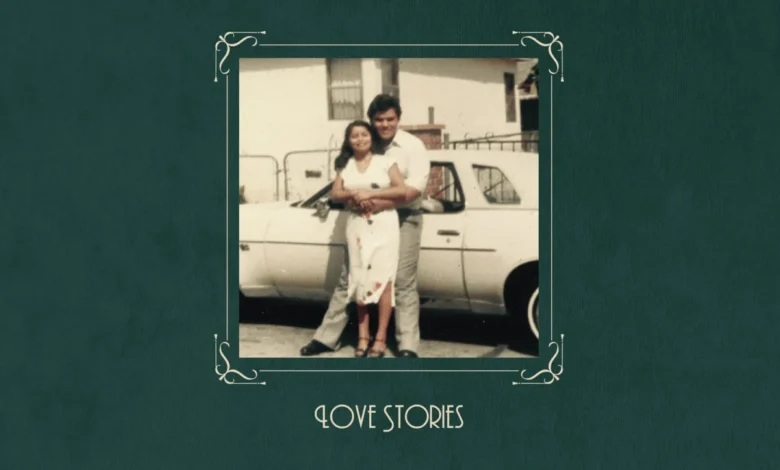
The contemporary landscape of rhythm and blues is witnessing a significant resurgence of mid-century aesthetics, and at the forefront of this movement is the East Los Angeles nine-piece ensemble Thee Sinseers. Led by singer, songwriter, and multi-instrumentalist Joey Quiñones, the group has cultivated a dedicated following through a meticulous adherence to the vintage production techniques and romantic sensibilities of 1960s and 1970s soul. With the release of their latest full-length project, Love Stories, the band expands upon its foundational aesthetic, bridging the sonic gap between the polished falsetto-driven sweet soul of Philadelphia International records and the gritty, atmospheric doo-wop and early rock and roll of the American West Coast.
Far from being a mere exercise in historical pastiche, Love Stories functions as a comprehensive conceptual exploration of modern romance viewed through a vintage lens. The album interrogates the multifaceted nature of interpersonal relationships, frequently arriving at sobering conclusions regarding heartbreak, disillusionment, and the ephemeral quality of affection. Through sophisticated arrangements, orchestral flourishes, and Quiñones’s evocative vocal delivery, Thee Sinseers have crafted a sophisticated record that engages with the past while articulating contemporary emotional vulnerabilities.
The Main Facts of the Release and Musical Architecture
Love Stories represents a critical milestone in the trajectory of Thee Sinseers, a collective that emerged from the vibrant, insular underground soul scene of Southern California. Distributed via major independent channels, the album showcases the group’s expanded nine-piece configuration, which incorporates a lush string section, a dynamic horn ensemble, and shimmering electric guitar work reminiscent of classic Chicano soul and Slinky lowrider oldies recordings.
At the core of the album’s auditory appeal is Joey Quiñones, whose vocal style draws direct lineage from the iconic sweet soul purveyors of yesteryear, most notably The Stylistics, The Delfonics, and various vocal groups of the golden era of AM radio. Quiñones navigates complex emotional territory with an understated delivery, seamlessly transitioning from warm baritone registers into a delicate, soaring falsetto. This vocal agility allows him to imbue melancholic narratives with a fragile beauty, transforming tales of rejection and isolation into captivating artistic expressions.
The supporting instrumentation is equally integral to the record’s sophisticated atmosphere. Rather than relying on modern digital production standards, Thee Sinseers favor analog warmth, utilizing tape saturation, room reverb, and vintage mixing consoles to recreate the acoustic environment of mid-century recording studios. The resulting soundscape is characterized by caressing strings that swell with dramatic intensity, mellow horn arrangements that punctuate the rhythmic groove, and a dreamy, reverb-drenched guitar style that anchors the rhythm section. This meticulous attention to sonic detail has resonated deeply with both purists of vintage soul and younger listeners discovering the genre through contemporary revivalist movements.
Chronology and Development of the East LA Soul Scene
To understand the cultural significance of Thee Sinseers and Love Stories, one must examine the broader chronology of the Southern California soul revival, a movement deeply rooted in the cultural history of Chicano communities in Los Angeles and the surrounding basin.
During the mid-20th century, African American rhythm and blues, doo-wop, and early soul music found a fervent, enduring audience among Mexican American youth in East LA. Artists such as Thee Midniters established a precedent in the 1960s by fusing traditional R&B with Latin rhythms and rock sensibilities. Over subsequent decades, this music became foundational to the "lowrider oldies" culture—a subculture defined by custom automobiles, weekend cruises, and a deep, generational appreciation for romantic vocal harmony groups.
For decades, this musical tradition existed largely as a regional phenomenon, sustained by local record collectors, specialized radio programming, and community events. However, the late 2010s and early 2020s witnessed a dramatic resurgence in analog soul, galvanized by independent record labels such as Colemine Records and Daptone Records, as well as West Coast imprints like Penrose Records, a subsidiary of Daptone founded by Gabriel Rowland.
Joey Quiñones and Thee Sinseers emerged organically from this contemporary renaissance. Quiñones, an active multi-instrumentalist and producer within the Los Angeles independent music community, began recording tracks that captured the elusive magic of 1960s West Coast soul. The formation of the full nine-piece iteration of Thee Sinseers allowed Quiñones to translate his studio productions into a formidable live act. Throughout the early 2020s, the band built momentum through strategic single releases, self-produced EPs, and extensive touring across North America and Europe, cultivating a reputation for high-energy, emotionally resonant live performances. The culmination of this developmental period is Love Stories, a cohesive artistic statement that solidifies the band’s status as leaders of the contemporary sweet soul movement.
Lyrical Themes: The Deconstruction of Romantic Idealism
While the musical backdrop of Love Stories evokes a comforting nostalgia, the lyrical content offers a starkly realistic, and at times pessimistic, view of romance. Eschewing the conventional pop tropes of everlasting bliss and unconditional devotion, Quiñones utilizes simple, direct language to articulate complex emotional conflicts, psychological distress, and the gradual erosion of trust within partnerships.
Several tracks on the album flirt with the philosophical proposition that true, enduring love may ultimately be an illusion. Rather than offering consolation, the songs confront the listener with the harsh realities of incompatibility and emotional exhaustion.
The track "There She Goes," for instance, addresses a partner in distress with a striking degree of emotional detachment that borders on self-preservation. Instead of pleading for reconciliation, the narrator observes a woman "shedding more tears" and directly encourages her to find the strength to "walk away from me." This inversion of the traditional romantic plea subverts expectations, presenting a scenario where the most compassionate act is the permanent dissolution of the relationship.
Similarly, "What Can I Do?" explores the desperate, debilitating nature of unrequited affection. The song poses the morose question, "What can I say / Or do / To make you love me?" before descending into a state of acute existential frustration. The inclusion of the line, "Life keeps on passing me by / You are the reason why," introduces a trace of bitterness and resentment, acknowledging the heavy toll that toxic or one-sided romantic pursuits can exact on an individual’s personal development and mental well-being.
Through these lyrical explorations, Love Stories avoids the trap of sentimentality. By juxtaposing lush, beautiful arrangements with lyrics concerning pain, abandonment, and disillusionment, Thee Sinseers create a compelling artistic tension that mirrors the contradictory nature of human emotion.
Supporting Data and Industry Reception
The commercial and critical trajectory of Thee Sinseers aligns with a broader macroeconomic and cultural shift within the modern music industry toward physical media, niche genres, and authentic analog recordings. In an era dominated by algorithmic playlisting and digital streaming compression, vinyl records, cassettes, and specialty 45 RPM singles have experienced a robust resurgence, driven largely by collectors and dedicated music enthusiasts.
Independent record labels specializing in soul, funk, and retro-R&B have reported steady year-over-year growth in physical sales and concert attendance. Within this ecosystem, East Coast and West Coast revivalist acts have managed to cultivate sustainable international touring markets. Thee Sinseers have benefited immensely from this infrastructure, achieving significant streaming milestones on major digital platforms while simultaneously selling out pressing runs of limited-edition colored vinyl variants.
Music critics and industry analysts have noted that the appeal of records like Love Stories lies in their tactile authenticity. In a cultural moment characterized by digital saturation and rapid-fire content consumption, the deliberate, slow-paced aesthetic of 1970s sweet soul offers listeners a psychological refuge. The critical reception of Love Stories has been overwhelmingly positive, with reviewers praising Quiñones’s vocal control, the immaculate precision of the nine-piece arrangement, and the thematic depth of the songwriting. Furthermore, cultural commentators have highlighted the importance of Chicano-led ensembles in expanding the narrative boundaries of American soul music, ensuring that the genre remains dynamic, inclusive, and culturally representative.
Official Responses and Artistic Intentions
While formal press statements from record executives and band members remain focused on the collaborative nature of the project, interviews with Joey Quiñones provide valuable insight into the creative philosophy underpinning Thee Sinseers.
Quiñones has frequently emphasized that the band’s commitment to vintage instrumentation is not an exercise in historical reenactment, but rather a deliberate choice to utilize a specific sonic vocabulary that best communicates complex emotional states. In various discussions regarding his songwriting process, Quiñones has noted that the golden era of sweet soul music possessed a unique capacity for emotional directness that modern pop production often obscures beneath layers of digital processing and electronic sequencing.
Regarding the darker thematic undercurrents of Love Stories, representatives for the project have pointed out that romantic suffering is a universal human experience that transcends historical eras. By framing contemporary heartbreak within the sophisticated musical structures of 1970s soul, Thee Sinseers aim to validate the listeners’ personal trials, offering both aesthetic pleasure and emotional catharsis. The collaborative effort required to coordinate a nine-piece ensemble is itself viewed by the band as a testament to collective dedication, mirroring the tight-knit community structures from which the group originated.
Broader Impact and Implications for the Sweet Soul Genre
The release and reception of Love Stories carry significant implications for the future trajectory of independent R&B and the broader sweet soul revival. As mainstream popular music continues to fracture into increasingly specialized micro-genres, acts like Thee Sinseers demonstrate the commercial and artistic viability of high-fidelity, analog-centric musicianship.
By proving that contemporary audiences are receptive to nuanced, melancholic songwriting delivered through classic vocal arrangements, the band has helped cement a space for modern Chicano soul on the international stage. This movement challenges historical industry tendencies to pigeonhole regional or culturally specific musical expressions, establishing that the emotional truths conveyed through soul music are universally accessible.
Moreover, the success of Love Stories encourages a reevaluation of how contemporary artists can engage with historical genres. Rather than copying the past wholesale, Thee Sinseers interrogate the underlying anxieties of romance, updating the lyrical tropes of the 1970s to reflect modern emotional complexities. As the band embarks on extended touring campaigns in support of the album, their ongoing work ensures that the rich traditions of sweet soul music continue to evolve, remaining vital, relevant, and emotionally resonant for a new generation of listeners.
Related posts: