Fai Da Te Productions Announces Star-Studded Highlights of Verdi Don Carlo at Cadogan Hall

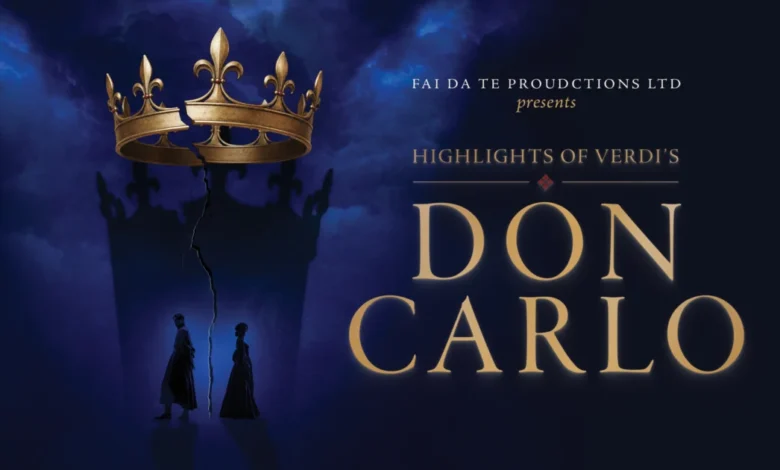
Fai Da Te Productions has officially announced an upcoming cultural highlight for the autumn 2026 classical music season, confirming a high-profile concert performance of Highlights of Verdi’s Don Carlo. Scheduled to take place on November 24, 2026, at London’s prestigious Cadogan Hall, this ambitious production promises to bring one of Giuseppe Verdi’s most emotionally charged and musically complex masterpieces to life. Utilizing the definitive 1886 Modena four-act version of the score, the upcoming performance is designed to appeal to both seasoned opera aficionados and newcomers seeking an accessible yet uncompromisingly high-standard encounter with grand opera.
The announcement has already generated significant excitement within the United Kingdom’s classical music community, owing largely to an internationally acclaimed cast of principals, a dynamic conductor, and a unique collaborative framework that pairs seasoned professionals with emerging talent. As planning for the November 2026 showcase ramps up, industry analysts are already pointing to the event as a masterclass in how major operatic works can be distilled into concert formats without sacrificing their dramatic core or musical integrity.
An All-Star Cast Takes on Verdi’s Monumental Roles
At the heart of the Fai Da Te Productions showcase is a stellar roster of vocal talent, featuring some of the most respected names currently working on international operatic stages. In the grueling and demanding title role of the Spanish infante, renowned tenor Gwyn Hughes Jones will lead the cast. Jones, celebrated for his ringing top notes, dramatic stamina, and deep interpretative insight into the Italian repertoire, is expected to bring immense emotional gravity to Don Carlo’s tortured internal conflicts of love, loyalty, and political duty.
Opposite Jones as the tragic French princess and Spanish queen, Elisabeth de Valois, will be celebrated soprano Elizabeth Llewellyn. Llewellyn has earned widespread critical acclaim for her luminous tone and nuanced characterizations across a broad spectrum of dramatic and lyric roles, making her interpretation of the ill-fated queen a particularly anticipated component of the evening.
The royal court of Spain will be further anchored by bass David Soar, who steps into the formidable role of the despotic monarch, King Philip II (Filippo). Soar’s commanding stage presence and resonant lower register are expected to bring chilling authority to the king’s introspective monologue, "Ella giammai m’amò!"
Adding further vocal weight to the principal quartet are baritone Patrick Alexander Keefe as the idealistic and devoted Rodrigo (Marquis of Posa) and mezzo-soprano Anna Werle as the passionate, jealous Princess Eboli. Keefe’s lyrical baritone is well-suited to the soaring brotherhood duets that form the moral backbone of Verdi’s score, while Werle’s rich timbre will undoubtedly do justice to Eboli’s virtuosic and emotionally turbulent showpieces, including the famous "O don fatale."
Collaborative Excellence in Chorus and Orchestra
Beyond the star-studded principal cast, Fai Da Te Productions has curated a collaborative musical ecosystem designed to bridge the gap between established artistry and the next generation of classical performers. The choral foundations of the performance will be fortified by exceptionally talented students from the Royal Conservatoire of Scotland, providing these emerging young artists with an invaluable professional platform alongside world-class soloists.
The instrumental heavy lifting will be provided by orchestral players drawn from the esteemed Glyndebourne Sinfonia, an ensemble universally praised for its precision, versatility, and deep familiarity with the nuances of operatic accompaniment. Steering this formidable collective of musicians will be conductor Matthew Kofi Waldren. Waldren returns to the podium following a string of recent critical triumphs, most notably his praised performances leading Giacomo Puccini’s La Fanciulla del West at Opera Holland Park. His sophisticated baton technique and proven ability to balance monumental orchestral textures with intimate vocal lines make him an ideal choice for the intricate, sweeping architecture of Verdi’s late masterpiece.
Production Format and Schedule
Designed to offer a concentrated yet comprehensive exploration of the opera’s most compelling narrative and musical turning points, the concert will run for approximately two hours and forty-five minutes, inclusive of one standard intermission. By selecting the 1886 Modena version—which represents Verdi’s final, streamlined revisions of his grand French-Italian hybrid opera—the creative team has opted for a version that tightens the dramatic narrative while retaining the sweeping grandeur and political resonance that define the work.
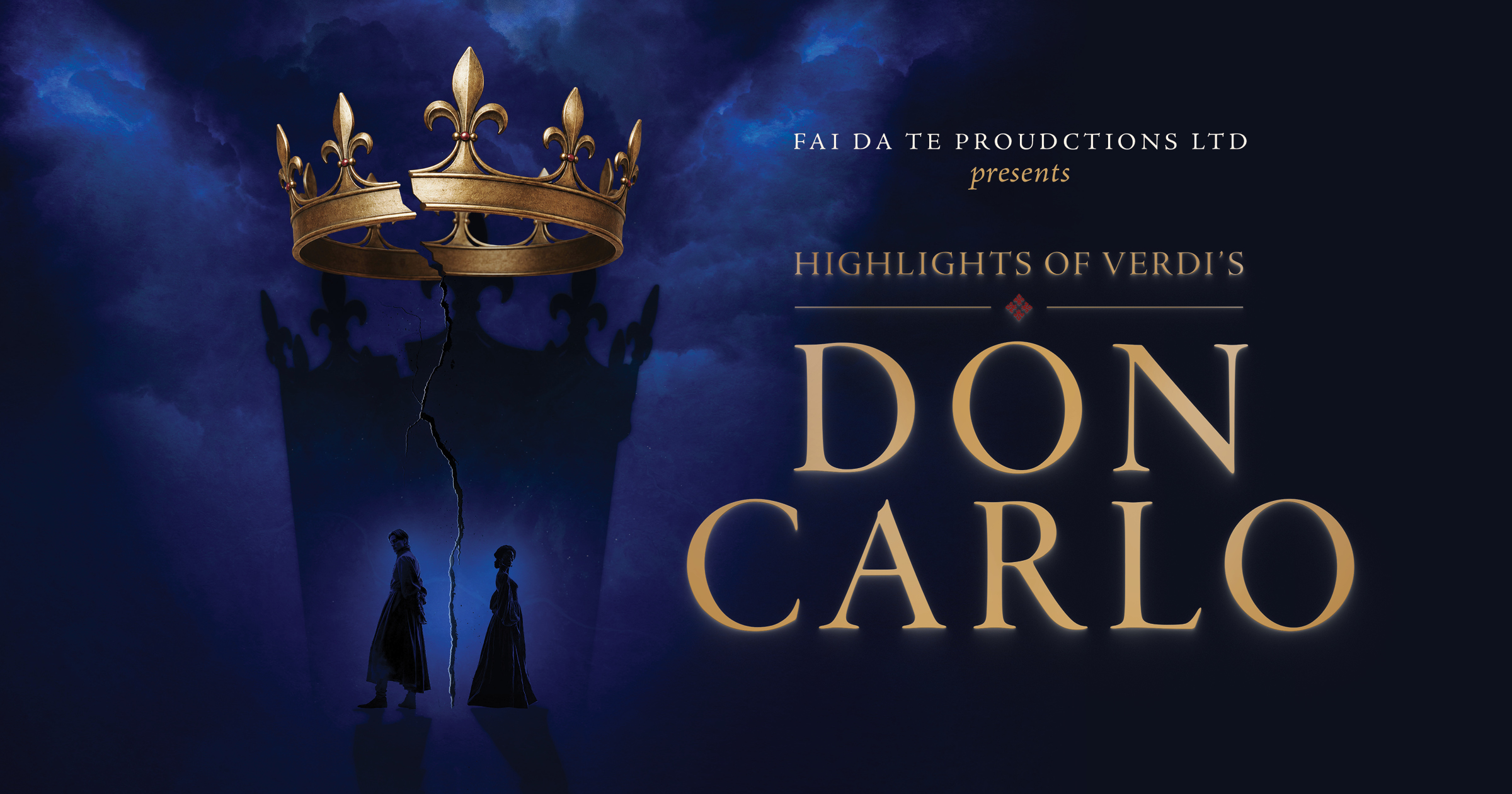
The performance is scheduled for a single evening on November 24, 2026, positioning it as one of the definitive operatic events in London during the late autumn calendar. Ticket demand is expected to be high given the venue’s intimate acoustics and the notable star power assembled for the stage.
Background Context: The Evolution of Don Carlo
To fully appreciate the significance of Fai Da Te Productions’ upcoming showcase, one must understand the complex history of Giuseppe Verdi’s Don Carlo. Originally commissioned by the Paris Opéra and premiered in 1867 in its original French five-act format (Don Carlos), the opera is based on Friedrich Schiller’s dramatic play Don Karlos, Infant von Spanien. It weaves a dense tapestry of personal heartbreak, religious tyranny, and the fight for political freedom in 16th-century Flanders against the backdrop of the Spanish Inquisition.
Over the course of his lifetime, Verdi revised the score multiple times to appease various international censors, theater managers, and length requirements. The 1886 Modena version, sung in Italian, represents the composer’s definitive two-act reduction and structural tightening of the 1867 original, removing the initial Fontainebleau act to launch directly into the tragedy at the Monastery of San Girolamo. It is this version that modern musicologists often favor for its dramatic momentum, eliminating narrative fat while preserving the score’s most transcendent musical ideas.
Concert opera formats, particularly those focusing on curated highlights, have seen a steady rise in popularity across major European cultural capitals. These productions allow audiences to experience demanding large-scale works stripped of elaborate theatrical staging, placing the primary focus squarely on vocalism, instrumental execution, and dramatic interpretation. For a work as textually and musically rich as Don Carlo, a concert staging at a venue renowned for its acoustic clarity like Cadogan Hall offers a rare opportunity to hear the nuances of Verdi’s orchestration and vocal writing unhindered by visual distractions.
Economic and Cultural Implications for London’s Classical Scene
The announcement of this high-profile Verdi showcase underscores the resilience and dynamic nature of London’s independent classical music production sector. While major national houses such as the Royal Opera House and English National Opera anchor the city’s operatic landscape, independent promoters like Fai Da Te Productions play a vital role in injecting agility, specialized casting, and creative risk-taking into the market.
Industry analysts note that projects of this scale—bringing together international soloists, regional conservatoire students, and specialized orchestral players—require meticulous financial planning and institutional backing. The choice of Cadogan Hall, located in the heart of Sloane Square, provides an intimate yet grand setting that bridges the gap between massive opera houses and traditional concert halls.
Furthermore, the inclusion of students from the Royal Conservatoire of Scotland highlights a growing industry emphasis on mentorship and talent pipelines. As European conservatories face ongoing funding and performance pressures, opportunities for young choristers to perform major operatic repertoire alongside seasoned veterans are increasingly vital for professional development.
Looking Ahead to November 2026
As the classical music world looks toward the autumn of 2026, the anticipation surrounding Fai Da Te Productions’ Highlights of Verdi’s Don Carlo continues to build. With a cast that marries veteran authority with fresh vocal power, under the assured direction of Matthew Kofi Waldren, the evening promises to be a masterclass in Italian opera performance.
Tickets are slated to become available through Cadogan Hall’s box office channels, and patrons are advised to secure bookings well in advance. As the date approaches, additional insight into rehearsal processes and pre-concert lectures is expected to be released by the producers, further cementing this event as a cornerstone of London’s 2026 cultural calendar.