For many, wireless earbuds have evolved from a mere convenience for music listening into an indispensable tool for daily communication. Yet, a common frustration persists: the dreaded "tunnel sound" or muffled audio that plagues phone calls, making conversations arduous for both parties. This article delves into the intricacies of earbud technology, evaluating top contenders to identify the best options for crystal-clear communication, irrespective of ambient noise.
The proliferation of wireless earbuds means nearly every pair, from budget-friendly options to premium models, integrates microphones for phone calls. However, as consumers increasingly rely on these compact devices for remote work, virtual meetings, and personal calls, the disparity in call quality has become glaringly apparent. A pair of earbuds might deliver an exquisite music listening experience, rich with detail and powerful bass, but falter significantly when tasked with transmitting clear speech, particularly in challenging environments. This often leads to a disconnect between perceived audio quality for media consumption and actual performance in real-world communication scenarios.
To address this critical distinction, a rigorous evaluation process was undertaken, testing a selection of leading earbuds specifically for their call-making capabilities. The methodology focused on replicating diverse real-world conditions. Microphone quality was meticulously assessed by recording voice samples in both controlled, quiet environments and dynamic, noisy settings such as bustling city streets. This approach allowed for a direct comparison of how each earbud handled background interference, wind noise, and vocal clarity. Critically, recording voice samples rather than live phone calls minimized external variables like unstable cellular connections, ensuring a more consistent and reliable measure of the earbuds’ inherent microphone performance.
Initial findings revealed a general trend: earbuds featuring a stemmed design, akin to Apple AirPods, consistently demonstrated superior call performance compared to their more compact, pod-shaped counterparts. This observation is rooted in fundamental acoustic principles; a microphone positioned closer to the mouth inherently captures speech more directly and with less interference from ambient noise. The stem provides the necessary physical extension to bridge this crucial gap, allowing for more effective voice pickup and clearer transmission.
Beyond raw microphone quality, several other factors were integrated into the evaluation criteria, all contributing to a seamless communication experience. Rapid and reliable device pairing ensures users can quickly connect and take calls without fumbling. Active Noise Canceling (ANC) emerged as a significant feature, not just for immersive music listening, but for facilitating clearer conversations by minimizing ambient distractions for the listener. Given that phone calls, especially extended ones, can rapidly deplete battery life, robust battery performance was a key consideration. Finally, the intuitiveness and ease of use of on-device controls were assessed, allowing users to manage calls, adjust volume, and activate features without interruption. Naturally, while call quality was paramount, overall audio fidelity for music remained a crucial secondary factor, acknowledging that most users seek a versatile device capable of excelling in both domains.
The Engineering Behind Clear Calls: A Deep Dive into Microphone Technology
The journey from bulky wired headsets to sophisticated, miniature wireless earbuds with advanced call capabilities has been marked by significant technological innovation. Early wireless earbuds often compromised heavily on call quality, as their small form factor made it challenging to incorporate effective microphones and noise reduction systems. However, consumer demand for integrated communication tools, driven by the rise of remote work and ubiquitous connectivity, has spurred manufacturers to invest heavily in refining these aspects.

Modern earbuds leverage an array of sophisticated technologies to ensure clear voice transmission. Central to this is the concept of microphone arrays and beamforming technology. Instead of a single microphone, many high-performance earbuds incorporate two, three, or even more microphones strategically placed on each bud. These multiple microphones work in tandem to create a "beam" that focuses on the user’s voice, actively ignoring sounds coming from other directions. By analyzing the subtle time differences in when sound waves reach each microphone, the earbud’s internal Digital Signal Processor (DSP) can reconstruct the intended speech signal while suppressing extraneous noise.
Noise Reduction Algorithms play an equally critical role. These are complex software programs that run on the earbud’s chip, designed to differentiate between human speech and various types of background noise – be it the rumble of traffic, the chatter of a café, or the whoosh of wind. Advanced algorithms often incorporate Artificial Intelligence (AI) and machine learning, which have been trained on vast datasets of human speech and environmental sounds. This allows them to intelligently filter out noise while preserving the natural tonality and clarity of the speaker’s voice. Some even adapt in real-time to changing noise environments, offering dynamic noise suppression.
The aforementioned advantage of stemmed designs becomes clear when considering microphone placement. A stem extends the microphone closer to the user’s mouth, reducing the distance sound waves need to travel and minimizing the pickup of ambient noise that might enter from the sides or above. This physical advantage can significantly improve signal-to-noise ratio for the user’s voice.
Furthermore, some cutting-edge earbuds incorporate bone conduction sensors. These sensors detect vibrations from the user’s jawbone when they speak. Since these vibrations are directly related to speech and unaffected by external noise, a bone conduction sensor can provide an exceptionally clean speech signal, which can then be fused with data from traditional microphones to create a remarkably clear vocal output, especially invaluable in extremely loud or windy conditions.
Finally, Adaptive Active Noise Canceling (ANC), while primarily benefiting the listener by suppressing ambient noise, indirectly enhances call quality. By creating a quieter listening environment, the user can hear the caller more clearly, reducing the need to speak louder or repeat themselves, which can improve the overall flow and clarity of the conversation. The ability of ANC to automatically adjust to surroundings further refines this experience, providing optimal noise suppression without manual intervention.
Market Trends and Consumer Expectations
The global market for true wireless earbuds has witnessed explosive growth over the past decade. Reports indicate that global shipments have consistently risen year-on-year, with millions of units sold annually. This growth is fueled not only by technological advancements but also by shifting consumer lifestyles. The hybrid work model, increased reliance on video conferencing, and a general desire for seamless, untethered audio experiences have solidified earbuds’ position as a daily essential.
Consequently, consumer expectations have evolved. While sound quality for music remains a primary consideration, reliable call performance has rapidly climbed the priority list. Users are no longer content with "good enough" call quality; they demand clarity, natural vocal reproduction, and effective background noise suppression, even in challenging acoustic environments. This demand directly influences product development cycles, with manufacturers increasingly highlighting call-specific features and technologies in their marketing. The industry is responding by integrating more powerful processors, sophisticated microphone arrays, and advanced AI-driven algorithms into even smaller form factors, pushing the boundaries of what these miniature devices can achieve.

The Best Earbuds for Phone Calls
Here are our top picks, thoroughly tested and evaluated for their ability to deliver exceptional call clarity in various scenarios:
1. Anker Soundcore Liberty 5 Pro: Best Overall
Quick Summary: These earbuds excel at isolating your voice from background noise during phone calls more effectively than any other model tested, offering unparalleled clarity in challenging environments.
Pros: Exceptional noise-canceling for calls, top-tier call quality, surprisingly useful touchscreen charging case, robust sound profile for music.
Cons: Slightly bulky design for some users, music audio quality, while strong, is not class-leading compared to audiophile-focused rivals.
Anker’s Soundcore Liberty 5 Pro earbuds stand out as the undisputed leader in call performance, particularly when faced with significant ambient noise. During rigorous testing on a bustling city street, these earbuds demonstrated an extraordinary ability to sharply reduce background noise to a mere whisper. Even on a notably windy day, the intrusive sounds of traffic and wind were almost entirely eliminated from the recording of the tester’s voice. While there was a marginal, almost imperceptible, shift in the naturalness of the voice in such loud conditions, the sheer efficacy of the noise reduction was revolutionary. In quieter settings, the voice clarity was, as expected, pristine, though a handful of competitors offered a marginally more natural vocal timbre. However, no other earbud tested could match the Soundcore Liberty 5 Pro’s dominant performance in loud environments, cementing its status as the premier choice for call quality.
Beyond their exceptional communication capabilities, these earbuds boast unique features, most notably a touchscreen display integrated into the charging case. This innovative interface allows for quick and intuitive adjustments to noise-canceling modes, EQ settings, and other functionalities, enhancing user convenience. While the earbud design itself is somewhat chunky, it was found not to protrude excessively or compromise comfort during wear. Musically, the Soundcore Liberty 5 Pro delivers a solid and enjoyable audio experience across a diverse range of genres. While not reaching the pinnacle of detail and crispness found in some audiophile-grade earbuds, its performance is more than satisfactory for most listeners, offering a balanced and engaging sound. Anker’s strategic focus here appears to be on delivering practical, high-impact features like industry-leading call quality at a competitive price point, making it an excellent value proposition for users prioritizing clear communication.
2. Nothing Ear: Best Design

Quick Summary: Nothing’s Ear earbuds blend a distinctive, stylish transparent design with a wealth of practical features, including customizable controls, effective Active Noise Cancellation (ANC), and reliable microphones for clear phone calls, offering a compelling alternative to mainstream options.
Pros: Striking and unique transparent design, an excellent cross-platform alternative to AirPods (especially for Android users), intuitive "pinch" controls for seamless interaction, solid ANC.
Cons: Charging case is somewhat larger than average, limited color options (currently white/black).
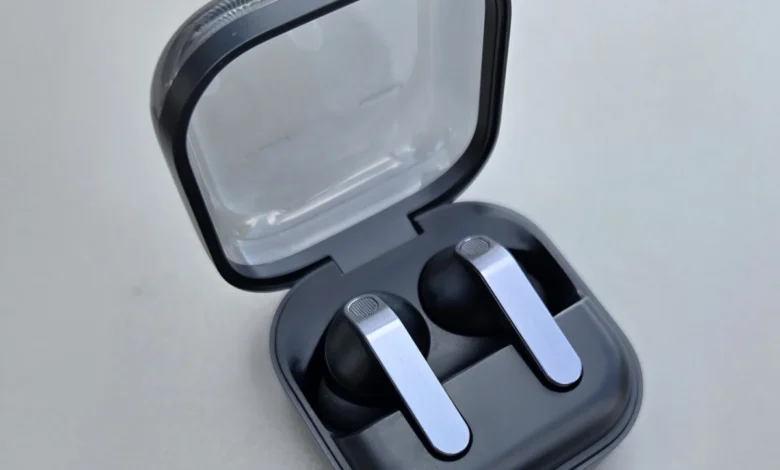
Nothing’s product line, characterized by its signature transparent aesthetic and innovative features, offers a refreshing contrast to the often-homogenous design landscape of consumer electronics. Crucially, with the Nothing Ear earbuds, the substance lives up to the style. While the Ear and its more budget-friendly sibling, the Ear (a), share a nearly identical visual language and Apple AirPods-esque stemmed shape with intuitive pinch controls, the flagship Ear model demonstrated superior performance in call quality during testing.
The Nothing Ear earbuds performed commendably in call quality assessments, effectively minimizing background noise while maintaining clear and natural-sounding vocals. The company also introduced a subsequent model that integrates a microphone within the charging case; however, testing indicated that the marginal benefits of this additional feature did not warrant the increased price point, making the standard Nothing Ear the more judicious recommendation.
Beyond call performance, the earbuds feature robust ANC that effectively reduces ambient distractions. Users can extensively customize the EQ settings and controls via a dedicated app, tailoring the audio and interaction experience to their preferences. The inclusion of Google Fast Pair ensures swift and effortless connection with Android devices, while multipoint connection allows seamless switching between two connected devices, such as a smartphone and a laptop, enhancing productivity for users who juggle multiple devices for calls and media. Nothing’s approach with the Ear series exemplifies a commitment to offering a distinct aesthetic combined with strong, practical functionality, carving out a significant niche in a crowded market.
3. Apple AirPods Pro 3: Best for iOS
Quick Summary: For users entrenched in the Apple ecosystem, the AirPods Pro 3 remain the gold standard, offering seamless integration, exceptional noise-canceling, and a suite of useful features tailored for iOS devices.
Pros: Outstanding Active Noise Cancellation (ANC) with adaptive capabilities, exclusive iOS features including a heart-rate sensor for fitness tracking, spatial audio, and hearing augmentation, intuitive controls.
Cons: Optimized primarily for non-iOS devices, only available in white, premium price point.

It comes as no surprise that the Apple AirPods Pro 3 emerge as the top recommendation for iOS users. Their renowned quick pairing and deep integration with iPhones provide an unparalleled user experience from the moment they are unboxed. The latest iteration significantly enhances the Active Noise Cancellation (ANC) performance, which proves invaluable in mitigating distractions in noisy environments. The Adaptive ANC intelligently adjusts noise suppression levels based on the user’s surroundings, while advanced voice isolation technology further hones in on the speaker’s voice, reducing background chatter for the listener.
Controls are quintessentially Apple: intuitive and straightforward. A gentle pinch on the stem answers incoming calls, while a double pinch allows for call rejection, minimizing fumbling. A significant upgrade in the AirPods Pro 3 is the extended battery life, boosting in-ear usage from six to eight hours. This enhancement is particularly beneficial for users who frequently engage in lengthy calls, as sustained conversations are known to be demanding on earbud batteries. While the charging case’s battery capacity saw a slight reduction, the increased longevity of the earbuds themselves is arguably more impactful for daily, uninterrupted use.
Beyond their core audio and communication functions, the AirPods Pro 3 introduce a range of innovative features. A built-in heart-rate sensor caters to fitness enthusiasts, integrating the earbuds into a broader health and wellness ecosystem. Spatial audio with dynamic head tracking provides a more immersive and cinematic listening experience for music and movies. Furthermore, Apple has positioned these earbuds with capabilities for hearing protection and as a mild-to-moderate hearing aid, showcasing a broader commitment to accessibility and health technology, expanding their utility far beyond traditional audio playback and communication.
4. Samsung Galaxy Buds4 Pro: Best for Android
Quick Summary: The Samsung Galaxy Buds4 Pro offer Samsung device users the same level of convenient ecosystem integration and premium features as AirPods do for iPhone users, complemented by arguably superior sound quality for music.
Pros: Exceptionally comfortable fit, remarkably clear call quality in quiet environments, excellent sound quality for music reproduction with deep bass and clear highs.
Cons: ANC is effective but not class-leading, some noticeable background noise during calls in very noisy environments, especially when compared to top-tier noise reduction.
Samsung’s latest flagship earbuds, the Galaxy Buds4 Pro, represent an outstanding option for Android users, particularly those within the Samsung ecosystem. While some design cues might evoke comparisons to Apple’s offerings, Samsung has successfully carved out its own premium niche. These earbuds feature a refined stemmed design, mirroring the ergonomic advantages of placing microphones closer to the mouth, and incorporate nearly identical intuitive pinch controls for effortless interaction. Unlike some budget models that opt for hard plastic tips, Samsung’s flagship utilizes comfortable in-ear tips, ensuring a secure fit and effective passive noise isolation.
In terms of call quality, the Galaxy Buds4 Pro delivered impressive results in controlled environments; the tester’s voice sounded remarkably natural and clear, akin to a direct microphone recording rather than transmission through a compact earbud. However, performance saw a slight dip in highly noisy settings. While the earbuds adeptly captured the voice with clarity, a discernible amount of ambient street noise did bleed through into the recording, indicating that while vocal isolation is strong, overall environmental noise suppression for the mic isn’t as aggressive as some competitors.

Regarding Active Noise Cancellation (ANC), the Galaxy Buds4 Pro offer solid performance, effectively reducing many everyday distractions. However, when directly compared to the ANC capabilities of Apple’s AirPods Pro 3 or Sony’s flagship models, they fall marginally short of the absolute best. Where the Samsung earbuds truly shine, however, is in their audio quality for music. They deliver a deep, authoritative bass response that is both impactful and well-controlled, without ever overwhelming or muddying the crisp mids and sparkling highs. For users with a Samsung smartphone, the Galaxy Buds4 Pro serve as an ideal companion, offering seamless integration and a premium audio experience. While they might pick up some background noise in exceptionally loud environments, their overall package of comfort, sound quality, and clear voice pickup makes them a compelling choice.
5. Sony WF-1000XM6: Best Splurge
Quick Summary: Sony’s WF-1000XM6 earbuds represent the pinnacle of wireless audio technology, offering an exceptional blend of industry-leading Active Noise Cancellation (ANC), superb microphone quality for calls, and unparalleled audio performance for music, making them a worthy investment for discerning users.
Pros: World-class audio quality for music, top-tier noise-canceling performance that is adaptive, rich suite of advanced features and customization options, robust microphone technology.
Cons: Stiff foam eartips may require an adjustment period for a secure and comfortable fit, premium price.
The Sony WF-1000XM6 earbuds solidify Sony’s reputation as a leader in personal audio, delivering an experience that ranks among the best on the market. These earbuds cater to those who prefer a non-stemmed, pod-shaped design, offering a sleek and discreet aesthetic. Their Active Noise Cancellation (ANC) is not only exceptionally powerful but also adaptive, intelligently adjusting its intensity to suit the user’s immediate surroundings, providing an optimal quiet environment whether in a bustling city or a serene office.
For call quality, the WF-1000XM6 proved to be among the clearest and most natural-sounding of all earbuds tested. Sony has engineered these earbuds with a sophisticated microphone system, which includes dual beamforming mics specifically designed to focus on and isolate vocals. This is augmented by a bone conduction sensor, which accurately detects when the wearer is speaking by sensing jawbone vibrations, providing an additional, clean speech signal. Further enhancing this system is advanced AI processing, which works in conjunction with the microphones to meticulously reduce ambient noise.
While these earbuds, like all others, performed optimally in quiet settings, their performance on a noisy, windy street remained remarkably solid. The tester’s voice was discernibly clear in recordings, although a slight "robotic sibilance" was noted, and a degree of background noise did manage to bleed through, albeit significantly attenuated. A notable characteristic of the XM6 earbuds is their stiff foam eartips. While these tips are excellent for creating a secure seal and enhancing noise isolation, some users may find them challenging to achieve a consistently comfortable and secure fit, potentially requiring a period of adjustment. Nonetheless, for individuals seeking dependable, class-leading noise-canceling earbuds that offer an exquisite balance of superior sound quality and exceptional call clarity, the Sony WF-1000XM6 represent a compelling, albeit premium, investment.
6. Technics EAH-AZ100 Earbuds: Best Sound Quality

Quick Summary: The Technics EAH-AZ100 earbuds stand out as one of the most impressive pairs on the market, combining exceptional comfort, unparalleled audio quality, and strong voice calling performance in a premium package.
Pros: Outstanding audio quality for music, exceptionally comfortable and low-profile fit, compact and elegant charging case, rare non-stemmed design with excellent mic quality.
Cons: Active Noise Cancellation (ANC) performance is solid but not as dominant as top-tier rivals, positioned at a premium price point.
Technics, a brand synonymous with high-fidelity audio, brings its expertise to the wireless earbud market with the EAH-AZ100, delivering a product that is not only among the best-sounding earbuds available but also remarkably comfortable for extended wear. These earbuds distinguish themselves with a solid active noise-canceling performance, effectively managing many forms of environmental noise.
A significant achievement of the EAH-AZ100 is its excellent microphone quality despite its non-stemmed design, a form factor that often struggles in this area. These earbuds feature a sophisticated microphone array comprising monaural and MEMS microphones. Technics integrates its proprietary Voice Focus AI technology, which is engineered to intelligently reduce background noise during conversations, ensuring the speaker’s voice remains paramount.
During simulated testing, which involved recording voice in both silent and noisy environments, the EAH-AZ100 performed admirably. While a slight, almost imperceptible, drop-off in voice quality was observed in the loud setting, the earbuds proved highly effective at suppressing background noise, rendering it barely audible in the final recording. In the quiet environment, the tester’s voice was captured with exceptional clarity and naturalness, completely devoid of any tinniness or robotic distortions often associated with earbud microphones. For audiophiles and discerning users who prioritize an uncompromised listening experience alongside robust phone call capabilities in a comfortable, low-profile design, the Technics EAH-AZ100 should be a primary contender, provided the premium price point aligns with their budget.
Future Outlook and Implications
The trajectory of wireless earbud technology points towards even more sophisticated integration of AI and advanced sensors. We can anticipate future models offering enhanced real-time adaptive noise cancellation that not only suppresses noise but also optimizes sound based on personal hearing profiles. Voice isolation will become even more precise, potentially allowing for seamless communication even in the most chaotic environments. Furthermore, the convergence of audio technology with other smart features, such as real-time language translation, advanced biometric monitoring, and seamless integration with augmented reality (AR) and virtual reality (VR) platforms, is on the horizon.
These technological leaps will profoundly impact daily communication and productivity. Clearer calls will reduce communication fatigue, enhance the effectiveness of remote collaborations, and make personal calls more enjoyable. The integration of health monitoring and accessibility features will solidify earbuds’ role as essential personal tech devices, blurring the lines between communication, entertainment, and wellness tools. From an industry perspective, this intense competition will continue to drive innovation, challenging manufacturers to deliver increasingly intelligent, versatile, and user-centric audio solutions. As the market matures, there will also be a growing emphasis on sustainability, with consumers and regulators pushing for more durable, repairable, and environmentally conscious product designs. The journey of the humble earbud from a simple audio accessory to a powerful, intelligent communication hub is far from over, promising an exciting future for personal audio technology.