Maria Kalesnikava Reflects on the Power of Art as a Tool for Democratic Resilience Following Her Release from Five Years of Imprisonment

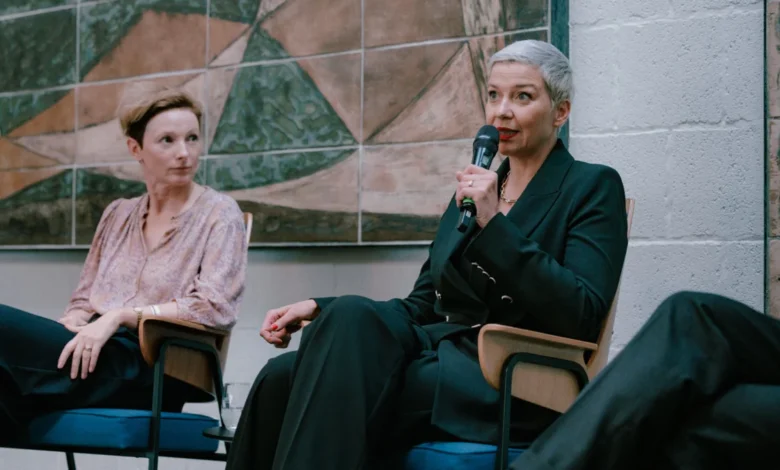
Maria Kalesnikava, the celebrated Belarusian flutist, conductor, and pivotal figure in the 2020 pro-democracy movement, has re-emerged into public life with a profound message regarding the intersection of artistic practice and political liberty. After enduring five years of incarceration as a political prisoner, Kalesnikava’s release in December 2025—secured through delicate high-level negotiations between the United States and the government of Belarus—marked the end of a harrowing chapter for one of the most recognizable faces of Eastern European dissent. On October 2, 2026, speaking at the prestigious Beethovenfest in Bonn, Germany, Kalesnikava articulated how the discipline of the arts served as a vital anchor for her sanity and moral resolve while she was held in isolation.
A Chronology of Resistance and Captivity
The trajectory of Maria Kalesnikava’s life shifted dramatically in the summer of 2020. As a classically trained musician who had spent years working in Germany, she returned to Minsk to direct the OK16 cultural center, a hub for independent art. When the 2020 Belarusian presidential election sparked massive protests against incumbent leader Alexander Lukashenko, Kalesnikava emerged as a key coordinator for the opposition.
Her path toward imprisonment began in earnest on September 7, 2020, when she was abducted by unidentified men in central Minsk. In a display of defiance that became an iconic moment of the movement, she famously tore up her own passport at the Ukrainian border to prevent security forces from forcibly deporting her. This act of resistance led to her immediate arrest. In September 2021, a Belarusian court sentenced her to 11 years in a penal colony on charges of "conspiracy to seize power" and "extremism"—charges that international human rights organizations, including Amnesty International and the United Nations, have widely dismissed as politically motivated fabrications.
For the next five years, Kalesnikava remained in the custody of the Belarusian state, frequently held incommunicado and denied adequate medical attention, despite reports of serious health complications. Her release in December 2025 came as part of a broader diplomatic arrangement involving the United States, which saw a series of political prisoners freed in exchange for the easing of certain international pressures on the Belarusian regime.
The Role of Art in Survival
At the Beethovenfest in Bonn, Kalesnikava addressed an audience of artists, scholars, and diplomats, shifting the narrative away from the trauma of her captivity toward the transformative potential of creativity. She argued that the mental rigor required by musical performance—the ability to hold complex structures in the mind while maintaining emotional expression—provided a necessary framework for maintaining individual agency in a system designed to strip it away.
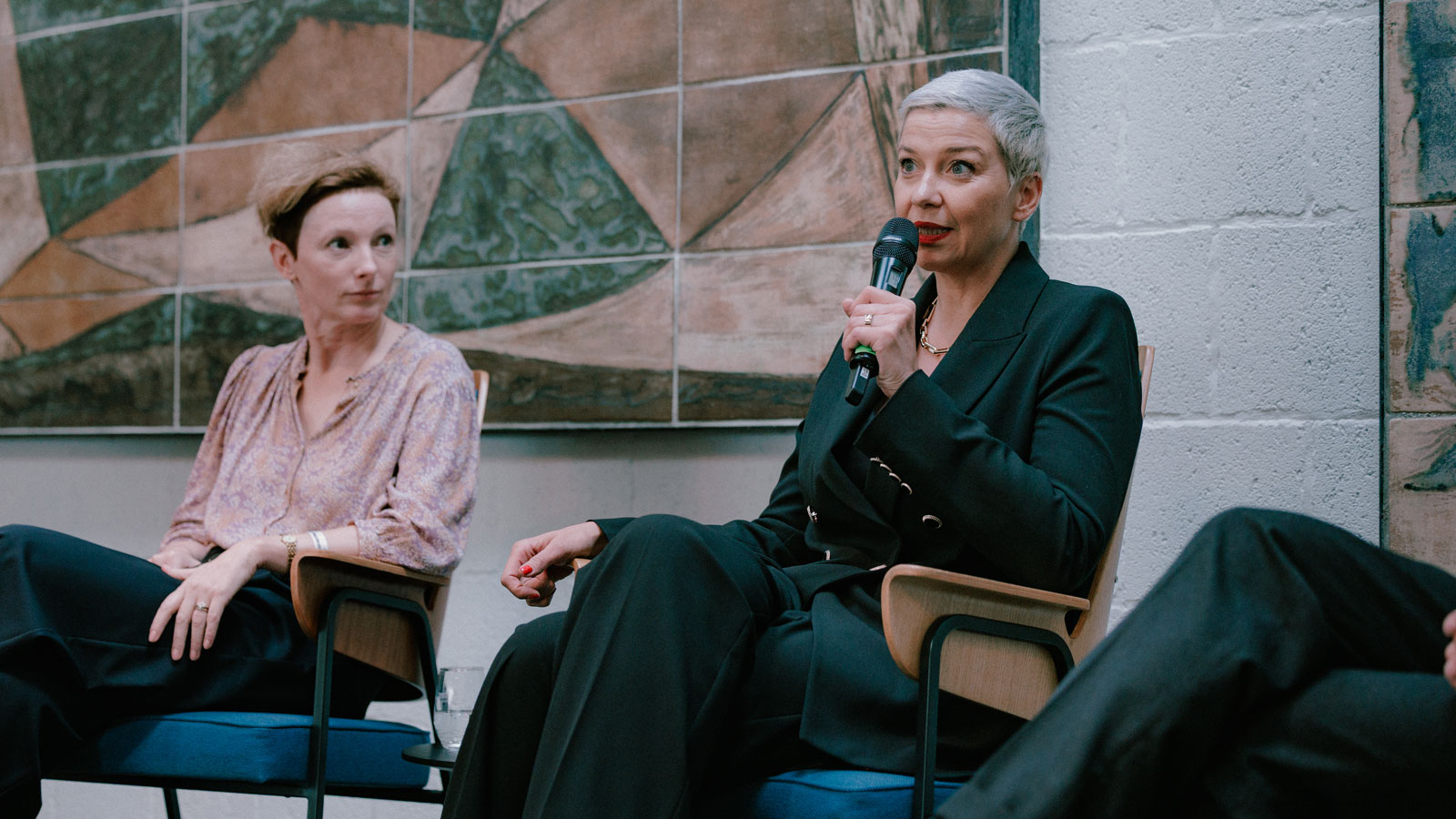
"In prison, the state seeks to flatten you, to turn the individual into a number," Kalesnikava remarked during the panel discussion with Katarzyna Wielga-Skolimowska. "Art does the opposite. It demands that you recognize the complexity of the human experience. Even when I could not touch an instrument, I lived through the structures of the music I had performed. I found that the values of democracy—dialogue, listening to the ‘other’ voice, and the necessity of individual responsibility within a collective—are the exact same values required to play a symphony."
Her speech underscored a philosophy that many political dissidents have historically championed: that the arts serve as a psychological bulwark against authoritarianism. By maintaining her inner world through memory, melody, and intellectual engagement, Kalesnikava was able to survive a system that systematically attempts to break the spirits of its detractors.
Data on Political Repression in Belarus
The detention of Kalesnikava is not an isolated incident but part of a broader crackdown that has decimated civil society in Belarus. According to the Viasna Human Rights Center, one of the most prominent organizations documenting repression in the country, there are currently hundreds of political prisoners languishing in Belarusian jails. Since the 2020 protests, the state has systematically shuttered independent media outlets, non-governmental organizations, and cultural institutions.
Data from the Office of the United Nations High Commissioner for Human Rights (OHCHR) indicates that the conditions for political prisoners in Belarus often involve prolonged solitary confinement, limited access to legal counsel, and the denial of medical care. The release of figures like Kalesnikava has sparked cautious optimism among international observers, yet analysts warn that the underlying structural issues—the lack of rule of law and the suppression of political plurality—remain largely unchanged.
International Reaction and Diplomatic Implications
The release of Kalesnikava was greeted with relief by the international community, with the European Union and the U.S. State Department issuing statements reaffirming their support for democratic aspirations in Belarus. However, the diplomatic cost of such releases is rarely transparent. Political analysts suggest that the negotiations for her freedom represent a "pragmatic turn" in Western policy, prioritizing the humanitarian safety of high-profile individuals over the broader, currently stalled, efforts to force regime change in Minsk.
Dr. Elena Fischer, a scholar of Eastern European politics at the University of Bonn, noted the significance of Kalesnikava’s public return to the arts: "Kalesnikava represents a specific type of leadership that the Belarusian regime finds particularly threatening: one that is intellectual, creative, and inherently collaborative. By returning to the public stage not just as a victim, but as an artist and thinker, she is reclaiming the space that the regime tried to occupy through force."
Broader Impact: The Future of Cultural Diplomacy
The discussion at Beethovenfest also touched upon the future of cultural diplomacy. As the world faces a rising tide of authoritarianism, the case of Kalesnikava serves as a case study for how cultural institutions can support dissidents. The Bonn conference, by hosting her, signaled a commitment to keeping the "Belarusian question" in the public eye, even as global attention shifts toward other conflicts.
Kalesnikava’s call to action was clear: art must not be treated as a luxury, but as a fundamental human necessity that sustains the democratic impulse. She noted that while political parties can be banned and meetings can be raided, the "internal symphony" of an individual cannot be silenced by decree.
As Kalesnikava settles into her life in Germany, her transition from the isolation of a penal colony to the freedom of the concert stage serves as a powerful symbol. Her life now stands as a testament to the fact that while authoritarian regimes may succeed in capturing the body, they struggle to contain the influence of an individual whose life’s work is dedicated to the pursuit of truth and harmony.
Conclusion: A Legacy of Resilience
The case of Maria Kalesnikava remains a touchstone for the ongoing struggle for civil liberties in Eastern Europe. Her testimony in Bonn provides a rare, firsthand account of the psychological endurance required to survive state-sponsored repression. As the international community continues to monitor the situation in Belarus, the focus is increasingly turning toward how the stories of survivors like Kalesnikava can be utilized to strengthen democratic institutions globally.
Her journey—from the concert hall to the protest front lines, through five years of brutal detention, and back to the international stage—is more than a story of personal survival. It is a reminder that the values of the arts—discipline, collaboration, and the expression of the human spirit—are, in themselves, the most potent forms of resistance against tyranny. As Kalesnikava begins this new chapter, her voice is expected to continue to serve as a beacon for the hundreds of activists who remain behind bars, ensuring that their names, and their causes, are not forgotten by the world outside.
Related posts: