LG Unveils Creator Original Picture Mode, Empowering Filmmakers to Dictate Visual Experience

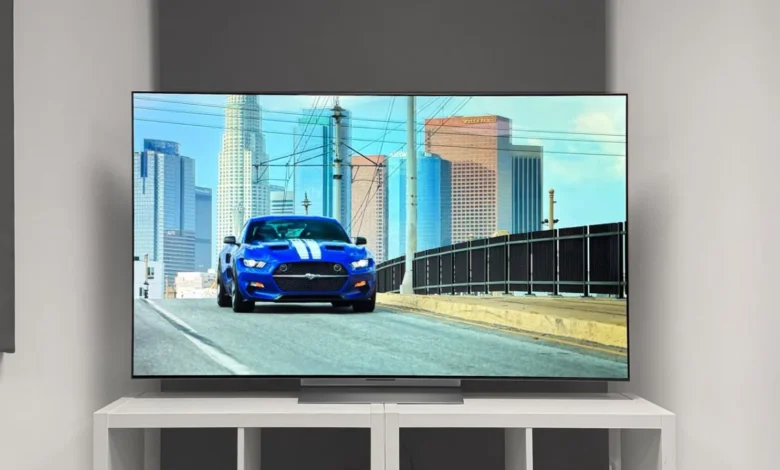
LG has officially announced the introduction of a groundbreaking new picture mode for its televisions, dubbed "Creator Original Picture Mode." This innovative feature is being heralded as an industry-first picture setting specifically engineered for the streaming era, granting content creators unprecedented control over the precise visual presentation of their films and shows. This development represents a significant evolution beyond existing technologies like Filmmaker Mode, offering a more granular and director-centric approach to television image calibration.
While Filmmaker Mode’s primary function is to disable excessive post-processing enhancements that can alter a filmmaker’s intended aesthetic, Creator Original Picture Mode takes this concept a substantial leap forward. Instead of merely stripping away artificial adjustments, this new mode empowers directors and cinematographers to meticulously define and implement specific parameters that dictate how their content should appear on screen. This includes nuanced control over crucial visual elements such as shadow detail, color balance, noise reduction algorithms, and motion handling. The implications are profound: each film or series could possess a unique visual signature, tailored precisely to the artist’s vision, ensuring that audiences experience content exactly as it was conceived.
However, the precise operational mechanics and full scope of this new technology are still being elucidated. While the initial announcement has generated considerable excitement within the AV enthusiast community and among film industry professionals, several key questions remain unanswered. The extent of content compatibility, the specific technical infrastructure required for implementation, and the long-term rollout strategy are all areas where further clarification is eagerly awaited. In response to these queries, representatives from LG have been contacted for detailed explanations, and this article will be updated as soon as their feedback is received, providing a more comprehensive understanding of this revolutionary feature.
The exclusivity of this initial rollout is also noteworthy. Creator Original Picture Mode is currently available exclusively through the Prime Video streaming platform. Furthermore, the initial content supporting this mode appears to be limited, with the Masters Of The Universe reboot cited as a prime example. This raises further questions about the breadth of content that will eventually leverage this technology and the timeline for broader adoption across different streaming services and genres.
LG’s commitment to pushing the boundaries of home viewing experience is evident in the premium hardware this feature is initially being deployed on. Creator Original Picture Mode is exclusive to LG’s 2026 OLED evo TV lineup, specifically the W6, G6, and C6 series. These flagship models are renowned for their exceptional picture quality, deep blacks, vibrant colors, and advanced processing capabilities, making them the ideal platform for showcasing the nuanced visual control offered by Creator Original Picture Mode. This strategic hardware pairing underscores LG’s focus on delivering an uncompromised viewing experience for discerning consumers.
For owners of compatible LG televisions running webOS 23 or later, there’s an additional, somewhat whimsical, method to access the Masters Of The Universe content with the Creator Original Picture Mode enabled. By simply uttering the iconic phrase "I have the power" into their LG Magic Remote, users can initiate playback of the film, further integrating the viewing experience with the beloved franchise. This playful integration highlights LG’s effort to create a more engaging and immersive connection between the viewer and the content.
The Masters Of The Universe reboot, while serving as the initial showcase for this advanced picture mode, has garnered a 67 percent rating on Rotten Tomatoes. This critical reception suggests a generally positive, though not universally acclaimed, response to the film itself, which may influence initial consumer adoption of the Creator Original Picture Mode feature. The success of this mode will ultimately be tied to both the quality of the content it supports and the perceived value of the enhanced visual fidelity it offers.
The Genesis of Creator Original Picture Mode: A Leap from Filmmaker Mode
The introduction of Creator Original Picture Mode is not an isolated event but rather a logical progression in the ongoing quest to deliver a more authentic and artistically faithful viewing experience. Its predecessor, Filmmaker Mode, which debuted in 2020, represented a significant step forward by offering a standardized setting designed to preserve the original aspect ratio, color, contrast, and frame rates of content, while disabling motion smoothing and other forms of image processing that often introduce visual artifacts.
Filmmaker Mode was born out of a desire from Hollywood directors and studios to combat the pervasive "soap opera effect" – the unnatural fluidity introduced by motion interpolation – and other image alterations that detract from the intended cinematic look. Major television manufacturers, including LG, Samsung, Sony, and Panasonic, collaborated with content creators and industry bodies like UHD Alliance to establish this standard. The goal was to provide consumers with a simple way to switch their TV to a mode that closely approximated the director’s vision, without requiring complex manual adjustments.
However, Filmmaker Mode, by its nature, is a generalized approach. It aims to undo unwanted processing rather than implement specific creative choices. While it provides a cleaner, more natural image, it doesn’t allow for the fine-tuning of elements that are integral to a director’s artistic expression. For instance, a director might intentionally choose to embrace a certain level of film grain for texture, or precisely control the subtle nuances of shadow detail to evoke a particular mood. Filmmaker Mode, by disabling all post-processing, might remove these intentional artistic choices along with the unwanted ones.
Creator Original Picture Mode, therefore, addresses this limitation. It shifts the paradigm from "disabling unwanted processing" to "enabling controlled artistic expression." This means that instead of a TV automatically applying a generic "true-to-source" setting, the actual creators of the content can pre-define a specific set of picture parameters that are embedded within or associated with the video stream. When the compatible TV detects this signal, it activates a picture mode that precisely matches these creator-defined settings.
This has significant implications for how content is produced and consumed. It suggests a future where the visual language of a film or series is not solely dictated by the capabilities of the display device and the generic presets available, but by the direct input of the creative team. This could lead to a richer, more diverse visual landscape on our screens, with each piece of content offering a distinct and intentional aesthetic experience.
Technical Underpinnings and Future Potential
The technical implementation of Creator Original Picture Mode likely involves a sophisticated interplay between the streaming service, the content itself, and the television’s processing hardware and software. For Prime Video, this could mean embedding metadata within the video stream that communicates the desired picture settings to the LG TV. The TV then interprets this metadata and adjusts its internal picture processing accordingly, ensuring that elements like contrast ratios, color gamut mapping, black level optimization, and even dynamic metadata for HDR content are precisely aligned with the creator’s intent.
The fact that this is being launched on LG’s premium OLED evo TVs is crucial. These displays are already at the forefront of image reproduction, offering unparalleled black levels, pixel-level control, and wide color gamuts. This advanced hardware provides the necessary foundation for accurately rendering the nuanced settings that creators might specify. Without such capable displays, the detailed calibration offered by Creator Original Picture Mode would be less impactful.
The potential for this technology to expand beyond its current limited scope is vast. As it gains traction, one can envision other streaming services adopting similar frameworks. This could lead to a new era of "curated viewing experiences," where viewers can choose not only the content they want to watch but also the specific artistic interpretation of that content. Imagine being able to select between a "director’s intended look" and a more vibrant, consumer-friendly interpretation, all within the same streaming app.
However, the challenges ahead are not insignificant. Ensuring broad compatibility across different hardware manufacturers and streaming platforms will require industry-wide standardization and collaboration. The development of user-friendly tools for creators to define and implement these picture settings will also be essential. Furthermore, educating consumers about the benefits and nuances of such advanced picture modes will be key to their widespread adoption and appreciation.
Broader Industry Impact and Consumer Implications
The introduction of Creator Original Picture Mode by LG, in partnership with Prime Video, signals a potential shift in the power dynamic within the home entertainment ecosystem. Traditionally, the television manufacturer has been the primary arbiter of picture quality, offering a range of preset modes and manual controls for users to adjust. Filmmaker Mode represented a step towards deferring to the content creator’s intent. Creator Original Picture Mode, however, takes this a significant step further by allowing creators to actively prescribe the visual experience, rather than simply having their work interpreted through a standardized, less processed lens.
This could have several implications for the industry:
- Enhanced Artistic Control: Filmmakers gain a direct channel to ensure their visual storytelling is preserved across a wider range of home viewing environments. This could lead to more consistent artistic visions reaching audiences.
- New Revenue Streams and Partnerships: Streaming services and content studios might see this as an opportunity to offer premium viewing experiences, potentially differentiating their content or platforms.
- Evolving TV Technology: The demand for displays capable of accurately rendering these precise creator-defined settings will likely drive further innovation in TV panel technology, processing power, and calibration software.
- Consumer Education and Engagement: While exciting for cinephiles, educating the average consumer about the subtle differences and benefits of Creator Original Picture Mode will be crucial for its success. It moves beyond simple brightness and contrast adjustments to a more sophisticated understanding of image science and artistic intent.
- Potential for Fragmentation: If not managed with industry-wide standards, the proliferation of proprietary "creator modes" could lead to a fragmented landscape where content looks significantly different depending on the streaming service and the TV brand.
For consumers, the immediate implication is the promise of a more authentic and immersive viewing experience, especially for those who are passionate about cinema and appreciate the finer details of visual artistry. By allowing filmmakers to dictate specific picture parameters, LG and Prime Video are aiming to bridge the gap between the director’s studio and the living room.
The long-term success of Creator Original Picture Mode will depend on several factors: the willingness of other content creators and streaming platforms to adopt the technology, the continued refinement of the underlying technology by LG, and the reception from consumers who are increasingly seeking not just entertainment, but a true cinematic experience in their homes. As more information becomes available and the technology rolls out more broadly, its true impact on the future of home viewing will become clearer.
Related posts: