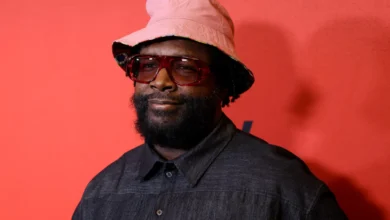
Maluma opens up about mental health vulnerability and life in the spotlight in this episode of Like Minded in partnership with BetterHelp


The intersection of global superstardom and personal mental well-being has long been a subject of intense public fascination, particularly in the high-pressure environment of the Latin music industry. During the most recent iteration of Billboard Latin Music Week, Colombian reggaeton icon Maluma—born Juan Luis Londoño Arias—sat down for a candid discussion as part of the Like Minded series. This initiative, developed in collaboration with the digital therapy platform BetterHelp, aims to demystify the psychological challenges faced by cultural figures who operate under the constant scrutiny of a global audience.
The conversation, moderated by Billboard’s Chief Content Officer for Latin/Español, Leila Cobo, and featuring bilingual therapist Patricia Artieda, provided a rare window into the internal life of a performer who has spent over a decade at the pinnacle of the music charts. The discussion shifted focus away from professional accolades and commercial success, centering instead on the necessity of psychological maintenance, the evolution of masculinity in the public eye, and the personal transformation brought about by recent life changes, including the birth of his daughter, Paris (referred to as Orion in early transcripts).
The Evolution of the Public Persona
Maluma’s career trajectory serves as a primary case study in the rapid ascent to international fame. Emerging from Medellín, Colombia, his transition from a local artist to a global ambassador for Latin music involved years of non-stop touring, media cycles, and intense brand management. Throughout this period, the expectation for artists of his stature has traditionally been one of perpetual strength and accessibility.
During the panel, Maluma acknowledged that his previous resistance to seeking professional psychological support was a byproduct of both his upbringing and the industry’s culture. "With the help of therapists and different professionals, I was finally able to understand—not understand the dimension, but feel it and make it mine more than anything else," Maluma remarked. This shift from viewing therapy as a sign of weakness to recognizing it as an essential tool for personal ownership marks a significant maturation in his public narrative.
Defining the Therapeutic Process
The dialogue was grounded by the presence of Patricia Artieda, a licensed therapist specializing in family dynamics. Artieda provided a clinical perspective on the stigma surrounding mental health, particularly for individuals in high-performance environments. She articulated a definition of therapy that challenges common misconceptions: "Actually, therapy is being uncomfortable. It’s being able to have a space for oneself, and at the same time, it’s having someone in your corner."
This "uncomfortable" space is often the primary barrier for public figures. The fear of vulnerability—and the potential for that vulnerability to be weaponized by the media or fans—frequently prevents artists from seeking help until they reach a breaking point. By engaging in this public conversation, Maluma and BetterHelp are attempting to normalize the process of seeking therapy as a proactive, rather than reactive, measure.
The Role of Billboard Latin Music Week
Billboard Latin Music Week has historically served as the definitive platform for the industry to address the intersection of music and culture. Since its inception decades ago, the event has evolved from a simple trade conference to a cultural summit that addresses the socio-economic and psychological realities of its participants.
The inclusion of the Like Minded series within this framework reflects a broader shift in the music industry. Following the global pandemic, which exacerbated mental health issues across all demographics, artists have increasingly utilized their platforms to discuss burnout, depression, and the pressures of constant connectivity. Data from the World Health Organization (WHO) has repeatedly highlighted that those in creative and high-pressure sectors are statistically more likely to experience anxiety and mood disorders, yet they are often the least likely to seek formal intervention due to perceived career risks.
Statistical Context: Mental Health in the Music Industry
While specific psychological data on Maluma is private, industry-wide reports offer context for why such conversations are critical. A 2021 study by the Music Industry Research Association (MIRA) found that approximately 50% of musicians report symptoms of depression, compared to roughly 25% of the general population. Furthermore, the "spotlight effect"—a psychological phenomenon where individuals feel they are being watched and judged more than they actually are—is significantly amplified for celebrities.
The partnership with BetterHelp addresses this by providing accessible, remote clinical support. The initiative seeks to bridge the gap between the need for therapy and the logistical constraints of an artist’s touring schedule. By normalizing the "tele-therapy" model, figures like Maluma are signaling to their fanbase—particularly younger generations—that seeking help is a standard component of a high-functioning life.
The Impact of Fatherhood and Personal Growth
A central theme of the conversation was the transition Maluma is currently undergoing as a new parent. The birth of his daughter has served as a catalyst for a re-evaluation of his priorities. Leila Cobo steered the conversation toward how these life milestones necessitate a more stable mental foundation.
Maluma’s reflection on his desire for his audience to "fall in love with the person behind the art" indicates a strategic pivot in his public image. He is moving away from the untouchable "superstar" archetype and toward a more humanized, relatable figure. This transition is not merely a branding exercise but a necessary step to reconcile the person (Juan Luis) with the icon (Maluma).
Implications for the Industry
The implications of this conversation extend far beyond the individual artist. When a figure of Maluma’s magnitude speaks openly about the necessity of therapy, it dismantles the toxic "macho" culture that has historically permeated much of the Latin music genre. In many Latin American cultures, the expectation for men to project unshakeable stoicism is deeply ingrained. By demonstrating that emotional awareness is a sign of strength, Maluma is shifting the cultural dial for millions of listeners.
Moreover, the normalization of therapy in these high-profile spaces creates a ripple effect. It encourages industry executives, managers, and labels to prioritize the mental health of their talent, potentially leading to more sustainable touring schedules and more robust support systems within entertainment companies.
Conclusion and Future Outlook
As the Like Minded series continues, it remains a critical touchstone for the intersection of celebrity and mental health. The collaboration between Billboard and BetterHelp serves as a pragmatic solution to a complex problem. By providing access to professional resources while simultaneously fostering an environment where it is safe to speak about the struggle, the initiative provides a blueprint for future industry advocacy.
For Maluma, the journey is ongoing. As he balances the demands of an international music career with the responsibilities of new parenthood, his commitment to his own mental health will likely serve as his most effective tool for long-term longevity. As he noted during the event, the goal is not to reach a final destination of "fixedness," but to build a consistent, professional support system that allows for growth, reflection, and, ultimately, a more authentic connection with his audience.
The conversation at Billboard Latin Music Week was not merely an interview; it was a testament to the fact that even those at the pinnacle of global success are subject to the universal need for support. As more artists follow suit, the music industry may see a fundamental shift toward a culture that values the person as much as the product.
Related posts: