Kanye West, French Montana, and Gamma Face Lawsuit Over Uncleared Paparazzi Audio Sample in "Where They At"

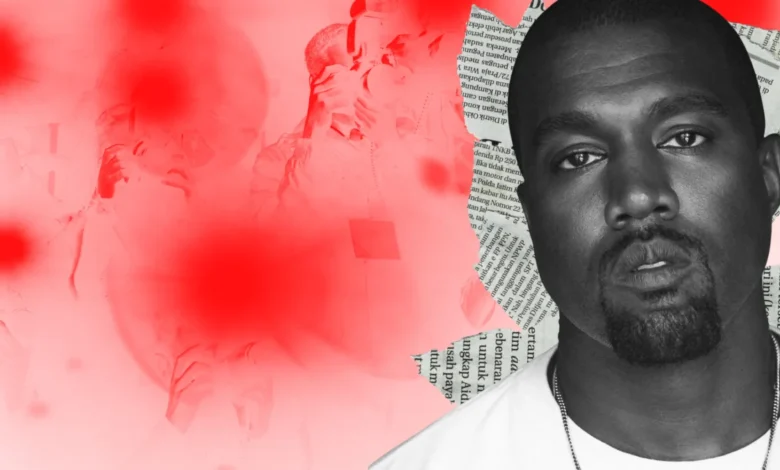
Hip-hop mogul Kanye West, alongside collaborator French Montana (Karim Kharbouch) and distributor Gamma, is facing a significant copyright infringement lawsuit filed by celebrity photo agency Bauer-Griffin. The legal action centers on the 2024 track "Where They At," a collaboration featured on French Montana’s "Mac & Cheese 5" mixtape, which prominently samples an audio clip of West confronting a paparazzo in 2013. This particular case diverges from West’s more common sampling disputes, as it involves a paparazzi agency asserting intellectual property rights over an audio-visual recording rather than a musical composition, highlighting the intricate and often contentious relationship between celebrities, media, and copyright law in the digital era.
The Genesis of the Dispute: A Decade-Old Confrontation
The core of the lawsuit traces back to a highly publicized incident on May 10, 2013, when Kanye West was captured on video in a volatile confrontation with a paparazzo at Los Angeles International Airport (LAX). The recording, owned by Bauer-Griffin, features West lashing out, shouting, "Don’t take a f***ing another photo, man!" This particular outburst became emblematic of West’s long-standing public struggle with perceived invasions of his privacy and his vocal demands to be left alone by the relentless celebrity media.
West’s tumultuous relationship with the paparazzi has been well-documented over the years. His public statements and actions have frequently underscored his frustration with the constant surveillance that accompanies his celebrity status. In a 2013 interview on Jimmy Kimmel Live, following another highly publicized confrontation, West articulated his perspective on the paparazzi as "aggressors" and spoke about his desire to protect his family from constant media intrusion. He described paparazzi as "the lowest form of human life" in one instance, and his interactions have often escalated into verbal altercations, and in some cases, physical ones, leading to legal repercussions such as assault charges. The LAX incident, specifically, garnered extensive media attention across news and entertainment outlets, further cementing its place in the public consciousness as a significant moment in the ongoing narrative of West’s celebrity persona. The video clip, therefore, holds considerable commercial and historical value for Bauer-Griffin, not just as a piece of footage, but as a widely recognized document of a high-profile celebrity interaction.
The Alleged Infringement: "Where They At"
Fast forward to January 2024, when French Montana released his mixtape "Mac & Cheese 5," featuring the track "Where They At" with Kanye West. The song opens with an unmistakable audio clip from the 2013 LAX confrontation, featuring West’s distinctive voice delivering the aforementioned expletive-laden command. According to Bauer-Griffin’s legal filing, West, French Montana, and their distributor Gamma "purposefully copied the audio sample and used it prominently as the infringing record’s intro" without any form of permission, license, or credit to the video’s author or rightsholder.
The decision to sample this specific audio clip is arguably a deliberate artistic choice, intended to add a layer of authenticity or commentary to the track, possibly reflecting on the pressures of fame or West’s public image. However, from a legal standpoint, such artistic intent does not automatically negate copyright obligations. The commercial release of the song, distributed through Gamma, amplifies the potential for damages, as it directly monetizes the copyrighted material.
Bauer-Griffin’s Stance and Copyright Principles
Bauer-Griffin, a prominent agency specializing in celebrity photography and videography, operates within an industry where intellectual property is the fundamental asset. Like many photo and video agencies, their business model relies on capturing and licensing images and footage of public figures. The copyright in any photograph or video taken by a paparazzo generally belongs to the photographer or the agency they work for, not the subject of the image. This principle is a cornerstone of intellectual property law, protecting the creative effort and investment of content creators.
This fundamental distinction often creates friction in the celebrity ecosystem. While celebrities may feel a sense of ownership over their likeness or image, their legal recourse to control the distribution of paparazzi-generated content typically relies on privacy laws or personality rights, rather than copyright law, as they are not the copyright holders. Conversely, if a celebrity wishes to use an image of themselves taken by a paparazzo – for example, to post on their social media channels – they are legally required to obtain a license from the copyright owner. This has led to numerous lawsuits in recent years, with celebrities like Gigi Hadid, Dua Lipa, and Jennifer Lopez being sued for posting paparazzi photos of themselves without permission, underscoring the strict application of copyright in this domain. Bauer-Griffin’s lawsuit against West and Montana aligns perfectly with this established legal precedent, asserting their right to control how their copyrighted work is used, regardless of the subject’s identity or the nature of the sampled content.
Legal Ramifications and the Role of Copyright Registration
A critical aspect of Bauer-Griffin’s lawsuit revolves around the timing of their copyright registration. Although the video documenting the 2013 confrontation was publicly available for years, Bauer-Griffin only certified the copyright with the U.S. Copyright Office in January 2024. This timing is highly significant in U.S. copyright law. Generally, a work must be registered with the U.S. Copyright Office before an infringement lawsuit can be filed. This ensures a public record of the claim and provides clear legal standing.
However, the timing of registration also impacts the type of damages a plaintiff can seek. When copyright registration occurs after an alleged infringement, as is the case here (the song was released in January 2024, and registration followed shortly thereafter), the copyright holder is typically precluded from seeking statutory damages or attorney’s fees. Statutory damages, defined by law, can range from $750 to $30,000 per infringement, or up to $150,000 for willful infringement, without the need to prove actual financial loss. Attorney’s fees, if awarded, can be substantial.
Despite this limitation, Bauer-Griffin is still able to claim "actual damages." Actual damages refer to the demonstrable financial losses incurred by the copyright holder due to the infringement, or the profits made by the infringer that are attributable to the unauthorized use of the copyrighted material. In this context, Bauer-Griffin would seek to demonstrate the profits West, French Montana, and Gamma derived from "Where They At" that are directly linked to the inclusion of the uncleared audio sample. This could involve complex financial analysis of streaming revenue, sales, and any other commercial benefits accruing from the track. The agency’s strategic registration in January 2024, despite being after the infringement, strongly suggests a deliberate move to establish legal standing specifically for this litigation.
The "Fair Use" Defense: A Potential Avenue for the Defendants
Kanye West and French Montana, through their legal representation, may attempt to construct a "fair use" defense under U.S. copyright law. Fair use is a legal doctrine that permits limited use of copyrighted material without acquiring permission from the rights holders, for purposes such as criticism, comment, news reporting, teaching, scholarship, or research. The determination of fair use involves a four-factor test:
- The purpose and character of the use: Is it for commercial purposes or for non-profit educational purposes? While "Where They At" is a commercial song, the defendants might argue the sample serves a transformative purpose, commenting on West’s relationship with media or his public persona.
- The nature of the copyrighted work: Is it factual or creative? The paparazzi video is factual news reporting, which sometimes favors fair use, but it also captures a distinct, emotionally charged moment.
- The amount and substantiality of the portion used in relation to the copyrighted work as a whole: How much of the original work was used, and was it the "heart" of the work? The sampled clip is brief but arguably the most iconic and recognizable portion of the 2013 confrontation video.
- The effect of the use upon the potential market for or value of the copyrighted work: Does the new use diminish the market for or value of the original? Bauer-Griffin could argue that unauthorized commercial use directly undermines their ability to license the clip, devaluing their intellectual property.
While artists often successfully employ fair use for musical samples, especially when transforming the original work, a direct, untransformed audio clip used for commercial gain faces a higher bar. The commercial nature of "Where They At" and the clear identifiability of the sampled audio could make a fair use defense challenging, particularly given the direct impact on Bauer-Griffin’s licensing market for the specific incident.
Broader Implications for Music, Media, and Celebrity Culture
This lawsuit carries significant implications that extend beyond the immediate parties. For the music industry, it serves as a stark reminder of the rigorous clearance processes required for all sampled material, whether musical, spoken word, or ambient sound. The legal landscape for sampling has become increasingly complex since the landmark 1991 Grand Upright Music, Ltd. v. Warner Bros. Records Inc. ruling, which famously declared, "Thou shalt not steal." While this case dealt with a musical sample, the principle extends to any copyrighted audio. Artists and labels are increasingly diligent about obtaining proper licenses to avoid costly litigation and potential injunctions.
For the paparazzi and celebrity news industry, this case reinforces the value and legal protection afforded to their work. It sends a clear message that their intellectual property, even if derived from controversial or intrusive practices, is legally protected and cannot be used without authorization. This could embolden other agencies to pursue similar actions, further solidifying their position as legitimate content creators with enforceable rights.
Moreover, the lawsuit highlights the ongoing tension between a celebrity’s right to privacy and the public’s interest in their lives, as mediated by the press. While West has consistently advocated for his privacy, his use of a recording from a paparazzi confrontation in his music ironically legitimizes the very content he often condemns, while simultaneously infringing upon the rights of its creator. The case underscores the intricate web of rights and responsibilities that govern interactions in the public sphere, especially when fame and commerce intersect with creative expression and intellectual property. The outcome of Bauer-Griffin v. West, Montana, and Gamma will undoubtedly contribute to the evolving jurisprudence surrounding sampling, fair use, and the enduring battle over who controls the narrative and imagery of celebrity in the digital age.