The Unfolding Sonic Tapestry: Exploring the Psychedelic Synthesizer Landscape

The quest for sounds that transcend the ordinary, that warp perception and transport listeners to uncharted sonic territories, has long been a driving force in music. While early psychedelic music of the 1960s leaned heavily on organs, Mellotrons, and orchestral elements, the advent of synthesizers in the late 1960s and their subsequent evolution have irrevocably shaped the landscape of "out-there" music. This exploration delves into the history and characteristics of synthesizers that have lent themselves to the psychedelic experience, examining how these instruments, through their unique sonic palettes and innovative features, have become synonymous with mind-bending musical journeys.
The question of what truly makes a synthesizer "trippy" is more nuanced than simply applying a layer of tremolo. It involves a deeper understanding of sonic textures, modulation capabilities, and the very nature of electronic sound generation. From the groundbreaking modular systems of the late 1960s to the more accessible digital instruments of later decades, certain synthesizers have consistently offered a gateway to sonic exploration and altered states of consciousness.
The Dawn of Electronic Exploration: Moog Modular and Early Psychedelia
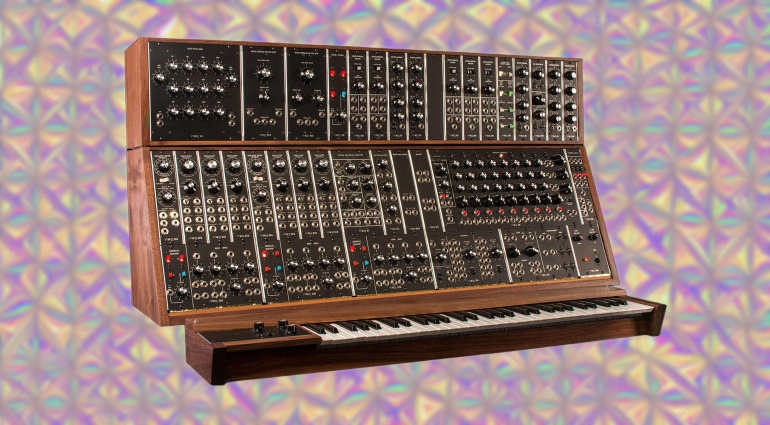
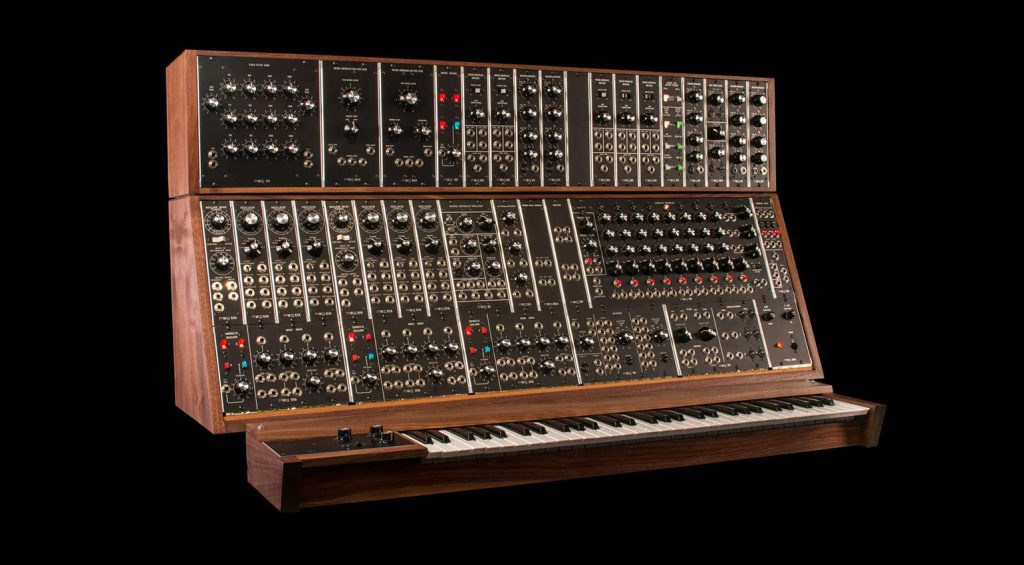
The late 1960s marked a pivotal moment for synthesizers, with Robert Moog’s modular systems emerging as pioneers. These complex, patch-bay driven instruments, while initially expensive and requiring significant technical expertise, offered unprecedented control over sound design. Their novelty alone was enough to imbue early recordings with a sense of the extraordinary.

One of the earliest documented appearances of a Moog synthesizer in popular music was on The Monkees’ 1967 track "Daily Nightly." While The Beatles later incorporated a Moog into their iconic album Abbey Road, their usage was arguably more restrained compared to the avant-garde explorations that were beginning to emerge. The sheer newness of the synthesizer, its ability to conjure sounds previously unimagined, was inherently psychedelic. Producers didn’t always need extensive effects; the raw, often raw, output of the Moog was often sufficient to create a sense of sonic disorientation.
This period also saw the rise of "Moog exploitation," a trend characterized by albums featuring Moog synthesizers on popular songs, often in a somewhat kitschy fashion. However, amidst these covers, gems emerged that showcased the instrument’s true potential. Albums like Jean-Jacques Perrey’s Moog Indigo, Bruce Haack’s The Electric Lucifer, and Dick Hyman’s Moog: The Electric Eclectics of Dick Hyman demonstrated the synthesizer’s capacity for inventive, boundary-pushing soundscapes. These works, often characterized by their playful yet experimental nature, laid the groundwork for future electronic music genres.

The Moog Modular’s appeal lay in its modular design, allowing users to connect various modules—oscillators, filters, amplifiers, and envelope generators—in an almost infinite number of configurations. This hands-on approach to sound creation fostered a sense of deep sonic immersion, akin to a painter mixing colors on a palette. The resulting sounds could range from ethereal pads to jarring, abstract textures, making it a natural fit for the experimental spirit of the era.

Pushing the Boundaries: EMS VCS3 and the AKS Synthi
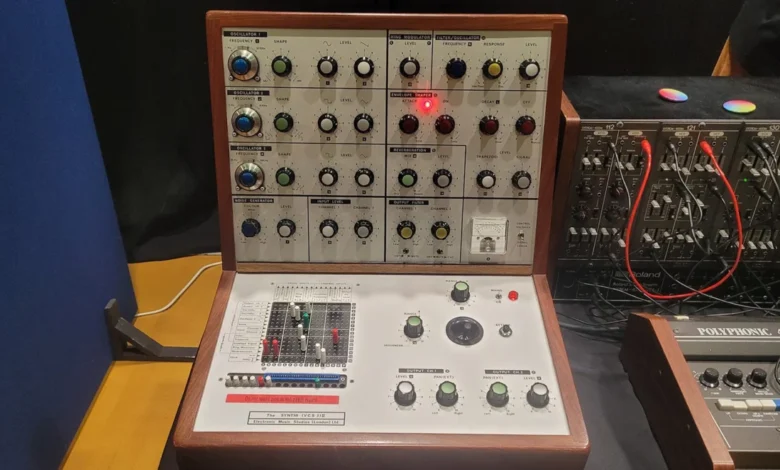
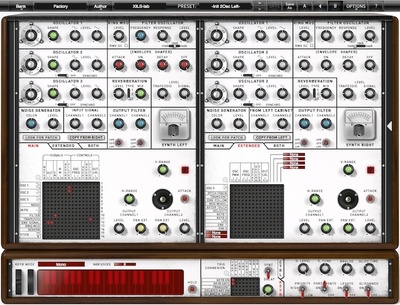
Following Moog’s lead, EMS (Electronic Music Studios) introduced instruments that further defined the sonic vocabulary of psychedelic and experimental music. The EMS VCS3, released in 1969, was a self-contained analog synthesizer known for its distinctive sound and unique pin-matrix patch system. It offered a more integrated and studio-friendly approach compared to the sprawling Moog modular systems.
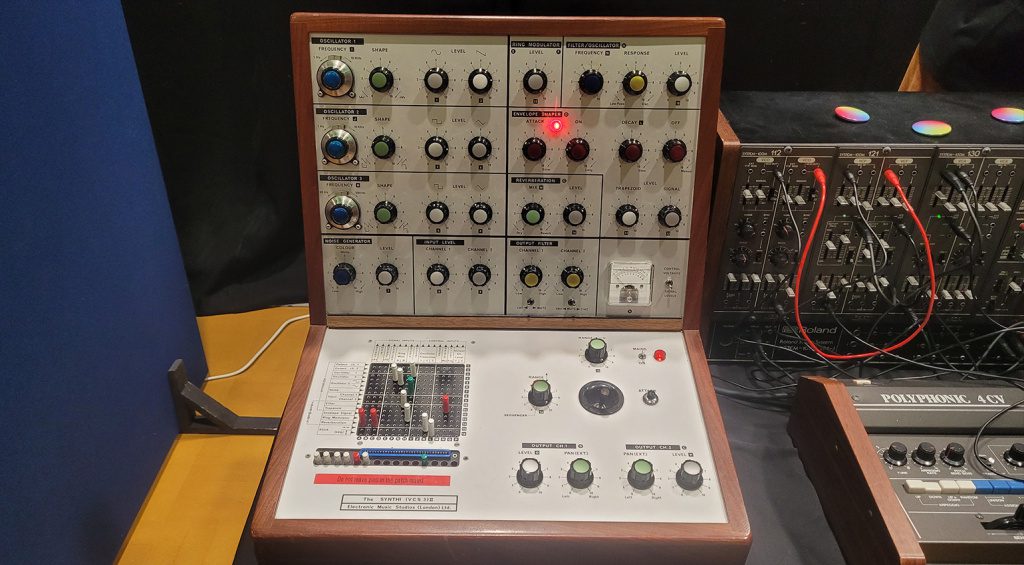
The VCS3, and its more portable sibling, the Synthi AKS (released in 1971), found their way into the hands of influential musicians who would harness their peculiar sonic capabilities for groundbreaking work. Pink Floyd’s iconic track "On the Run" from The Dark Side of the Moon famously features a searing sequence generated by the Synthi AKS’s sequencer, a sound that has become synonymous with progressive and psychedelic rock.
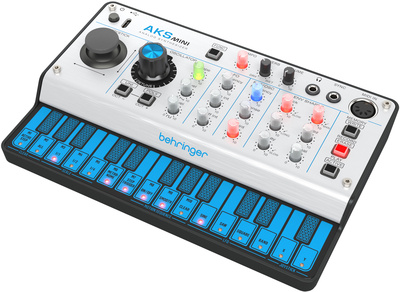
Brian Eno, a key figure in ambient and experimental music, utilized the AKS during his tenure with Roxy Music, employing its unique filtering and modulation capabilities to sculpt vocal and instrumental textures. However, it was bands like Hawkwind, pioneers of space rock, who truly pushed the EMS instruments to their psychedelic limits. The VCS3 and AKS Synthi were integral to their sound, contributing to the swirling, cosmic soundscapes of tracks like "Silver Machine." The VCS3, in particular, was known for its capacity to generate intense feedback and otherworldly noises, sounds that could be both exhilarating and unsettling, perfectly embodying the "bad trip" potential of experimental electronics.

The EMS instruments offered a different flavor of psychedelia compared to Moog. While Moog often provided a sense of wonder and discovery, EMS leaned towards the raw, the untamed, and the potentially chaotic. Their feedback loops, resonant filters, and ability to create dissonant textures opened up a darker, more visceral side of electronic sound.
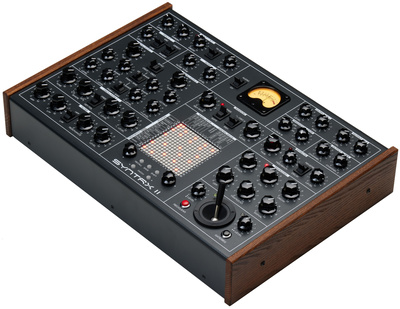
Unexpected Journeys: The Roland Juno-60 and 80s Polysynths
The 1980s saw the rise of polyphonic synthesizers, instruments capable of playing multiple notes simultaneously. These machines, often characterized by their glossy, polished sound, were not typically associated with the raw, analog grit of earlier psychedelic music. However, artists began to discover their potential for creating expansive and mind-altering textures, often by employing them in unconventional ways.

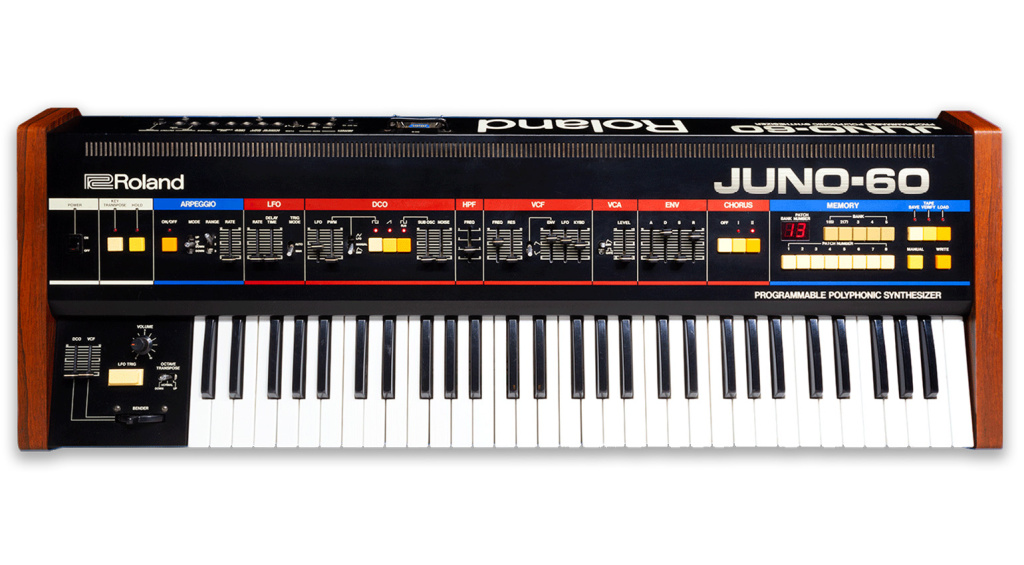
The Roland Juno-60, a beloved polysynth from the early 1980s, found its way into the hands of experimental and modern psychedelic artists. Animal Collective, a prominent force in 21st-century psychedelic pop, famously used the Juno-60 as a foundational element in their sound. On tracks like "My Girls," they utilized its capabilities not just for lush pads but also for rhythmic and percussive elements, blurring the lines between traditional synthesis and dance music production.
The Juno-60’s appeal lies in its warm analog sound, its intuitive interface, and its built-in chorus effect, which adds a distinctive shimmer and width to its tones. While its default sounds might seem clean, when pushed through effects or used in creative sequencing patterns, it can produce deeply hypnotic and immersive textures.
Beyond Animal Collective, the Juno-60 has a legacy in electronic dance music, particularly in Chicago house. Fingers Inc.’s "Can You Feel It?" features the synth’s characteristic sound, contributing to its enduring appeal. Furthermore, artists like Rabbit in the Moon, known for their trance-influenced electronic music, also incorporated the Juno-60 into their live setups, further solidifying its association with expansive and evolving sonic experiences. The Juno-60 demonstrates that psychedelia in synthesis is not solely about analog warmth or extreme distortion; it can also arise from the thoughtful application of a versatile instrument within a specific musical context.
The Enduring Allure: KORG microKORG and Modern Psychedelic Rigs
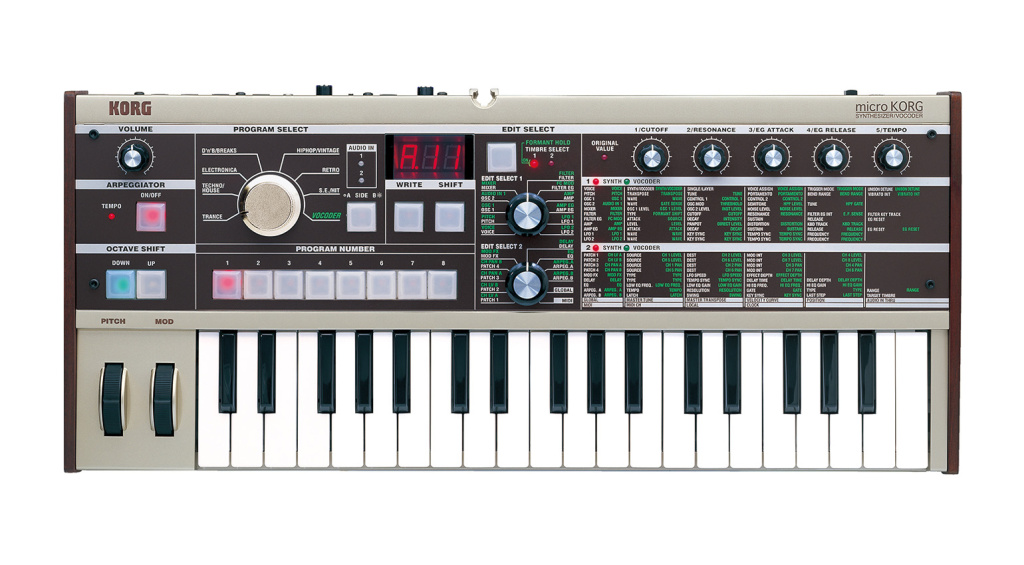
The KORG microKORG, a compact and affordable virtual analog synthesizer, has defied expectations since its release. Remaining popular for over two decades, it has become a staple in the live rigs of countless bands exploring psychedelic and experimental genres. Its inclusion on this list might surprise some, given its relatively simple interface and digital sound engine.

The microKORG’s success stems from its ability to convincingly emulate a wide range of analog synthesizer sounds, making it a practical and roadworthy alternative to more delicate vintage gear. However, its sonic character is not merely imitative. The microKORG possesses a distinct "plasticky," somewhat unreal sheen that, when paired with its built-in effects, can create wonderfully bizarre and captivating textures.

Bands like Tame Impala, LCD Soundsystem, and GIFT have all incorporated the microKORG into their sonic arsenals. Its versatility allows it to function as a lead synth, a textural element, or a rhythmic driver, making it an invaluable tool for contemporary musicians seeking to inject a dose of the psychedelic into their music. The microKORG’s enduring popularity underscores the idea that even modern, accessible instruments can contribute to the psychedelic soundscape when wielded with creative intent and a willingness to experiment. Its affordability and ease of use have democratized access to unique sonic manipulation, allowing a new generation of artists to explore unconventional sound design.

The Unmistakable "Acid" Sound: Roland TB-303 and its Genre-Defining Impact
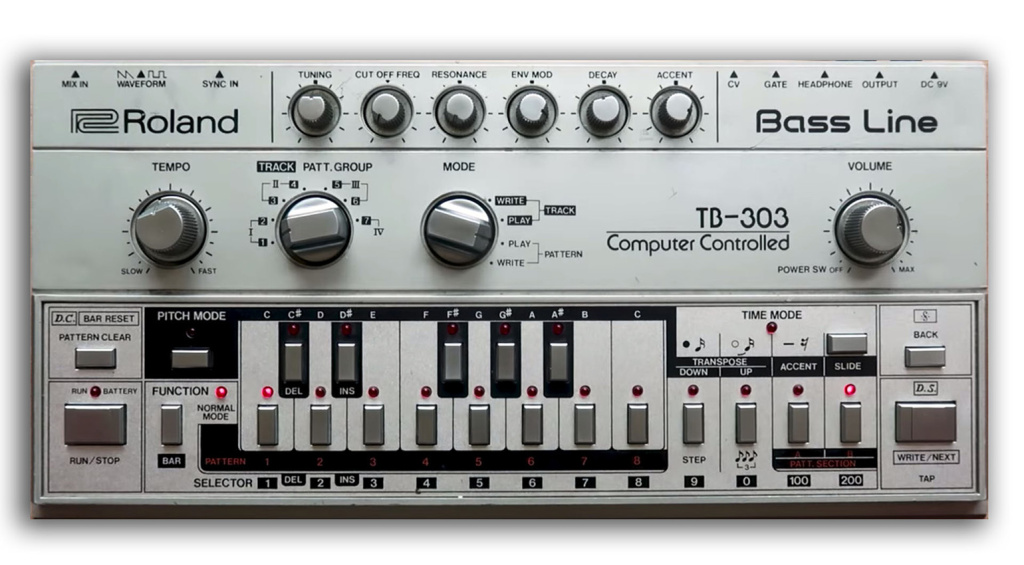
Perhaps no synthesizer is as intrinsically linked to a specific psychedelic subgenre as Roland’s TB-303 Bass Line machine. Originally conceived as a bass accompaniment tool for guitarists, the TB-303’s peculiar sonic characteristics, when pushed and manipulated, led to the birth of acid house and fundamentally altered the course of electronic music.
Released in the early 1980s, the TB-303 was initially a commercial failure. However, its distinctive, squelching, and resonant filter sound, particularly when subjected to extreme resonance and envelope modulation, proved to be a perfect fit for the emerging rave scene. Chicago house producers began experimenting with the machine, discovering its potential for creating hypnotic, acid-tinged basslines.
The sound of the TB-303, often described as "acidic" or "alien," became the defining element of acid house. As the genre spread globally, particularly to the UK and Ibiza, producers in Germany and Belgium further pushed its sonic boundaries, creating increasingly complex and trance-like tracks. The early acid house tracks are characterized by their kaleidoscopic sonic textures and often dark, introspective moods, evoking a sense of both euphoria and introspection.
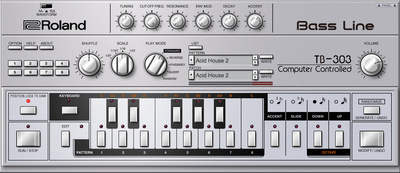
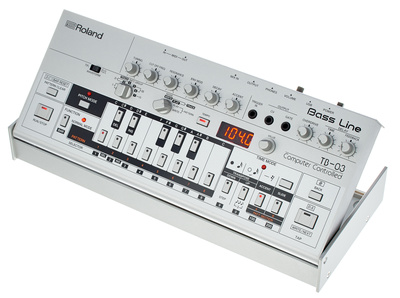
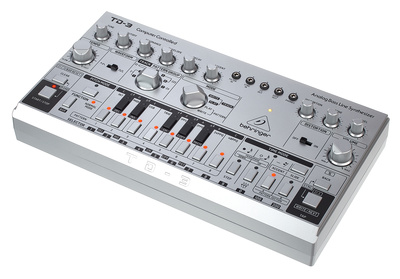
The TB-303’s inherent sonic properties are what make it so psychedelic. Its aggressive filter, resonant character, and the distinctive "slide" function allow for fluid, glissando-like pitch shifts that can create a disorienting and captivating effect. While modern iterations and emulations exist, the original TB-303’s raw, unpredictable nature remains legendary. Its legacy continues to influence electronic music, proving that a synthesizer’s intrinsic sonic DNA can be the most potent catalyst for a psychedelic experience. The machine’s ability to produce sounds that are both alien and deeply groovy has cemented its status as an icon of electronic music’s exploratory frontiers.
The Essence of Psychedelia in Synthesis
Ultimately, what makes a synthesizer "psychedelic" is not a single feature but a confluence of factors. It’s the instrument’s ability to generate novel, unexpected, and emotionally resonant sounds. It’s the capacity for deep sonic manipulation, allowing users to sculpt textures that evoke altered states of consciousness. And it’s the historical context, the artists who have embraced these instruments to push the boundaries of musical expression.
From the expansive modular systems of the 1960s that unveiled the very concept of electronic sound to the genre-defining squelch of the TB-303, synthesizers have been indispensable tools in the pursuit of sonic transcendence. Whether through raw analog power, the intricate control of modular systems, the warm embrace of polysynths, or the accessible innovation of modern digital instruments, the psychedelic synthesizer remains a vital force in contemporary music, continually inviting listeners to embark on new sonic journeys. The ongoing evolution of synthesizer technology ensures that this exploration of the mind through sound will continue to yield fascinating and mind-expanding results for years to come.