The Synergy of Sound: Why Component Matching is Paramount in Home Cinema Excellence

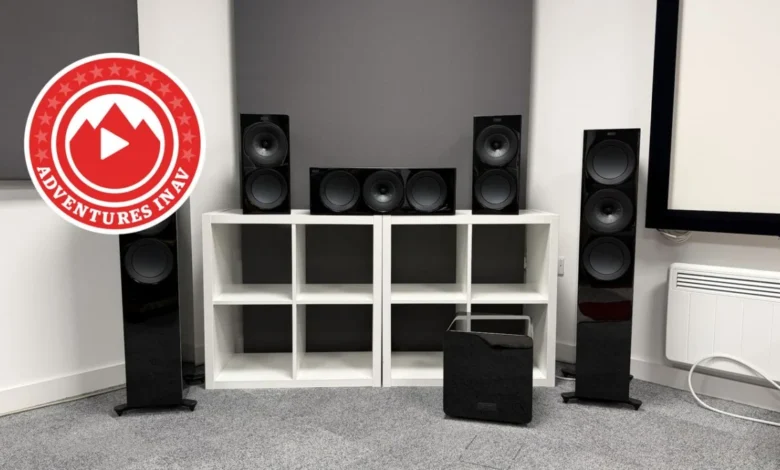
The pursuit of an immersive home cinema experience is akin to chasing a cinematic holy grail, a quest that transforms the act of watching a film into a truly magical and deeply personal affair. For enthusiasts and professionals alike, the allure lies not just in the spectacle of a giant screen within the sanctuary of one’s own home, but in the meticulous recreation of soundscapes that transport the viewer directly into the heart of the narrative. This is the passion that drives the team at What Hi-Fi?, dedicating themselves to rigorously testing the latest audio-visual hardware, with the ultimate aim of guiding consumers toward achieving their own slice of cinematic heaven. However, as the team recently discovered during the evaluation of a high-end KEF R Meta speaker package and a Denon AVC-A1H AV receiver, the path to this auditory nirvana is paved with intricate technical considerations, chief among them being the crucial art of component matching.
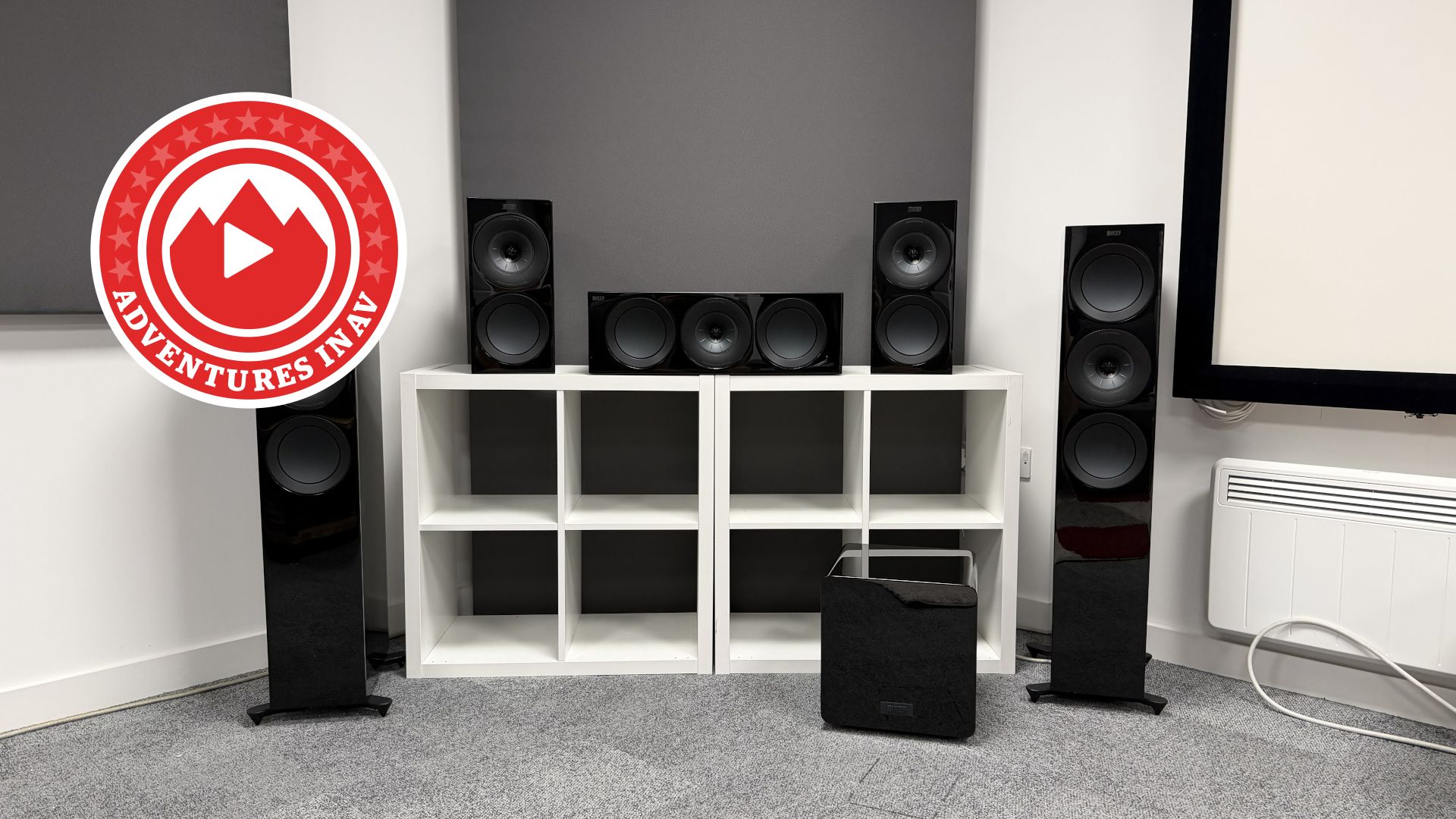
The common misconception that a home cinema setup can be built by simply assembling individually acclaimed components – the ‘five-star’ approach – is a fallacy that can lead to suboptimal sonic performance. Despite the distinct nature of surround sound compared to stereo hi-fi, the fundamental principles of acoustic synergy remain paramount. This was starkly illuminated during a recent testing session involving the KEF R Meta speaker package, renowned for its sophisticated Uni-Q driver technology and meticulous acoustic engineering, paired initially with a Marantz Cinema 30 AV receiver, a component lauded for its refined audio output.
The Initial Setup: A Harmonious, Yet Ultimately Nuanced, Performance
The evaluation began with the KEF R Meta speakers, a system designed to deliver a broad and engaging soundstage, connected to the Marantz Cinema 30 AV receiver. This pairing, on paper and in initial listening, promised a seamless integration of high-fidelity audio and immersive home cinema capabilities. The Marantz Cinema 30, a flagship AV receiver, is celebrated for its exceptional build quality, extensive feature set, and a sonic signature characterized by clarity, precision, and a smooth, unforced delivery. Its technical specifications boast a powerful amplification stage, comprehensive support for the latest immersive audio formats like Dolby Atmos and DTS:X, and advanced room correction capabilities, all designed to create a truly enveloping audio environment.
The initial listening impressions were overwhelmingly positive. When presented with challenging test scenes from the 4K Blu-ray of Dune: Part One, a film celebrated for its dynamic range and intricate sound design, the combined system demonstrated a remarkable command over the entire audio spectrum. The subtle nuances of the score, the low-frequency rumble of seismic events, and the precise spatial positioning of sound effects – such as the swooping flight of ornithopters moving from the front to the rear of the listening space – were reproduced with impressive fidelity. The soundstage was expansive, the overall presentation cohesive, and the sense of immersion was palpable. This performance was a testament to the individual prowess of both the KEF speakers and the Marantz receiver, showcasing their ability to work together to create a sophisticated and engaging audio experience.
However, as the testing progressed and the team delved into more diverse audio material, including stereo music playback and scenes from an F1 test disc, a subtle but persistent observation began to emerge. Senior staff writer Lewis Empson, a seasoned audio critic known for his discerning ear, was the first to vocalize a collective sentiment: the sound, while undeniably refined and meticulously controlled, felt perhaps "a touch too smooth." This observation, while seemingly a minor critique in the face of an otherwise excellent performance, highlighted a delicate balance that had been tipped ever so slightly.
The Quest for "Bite": Identifying the Sonic Imbalance
The KEF R Meta speakers, with their characteristic emphasis on clarity and a smooth, natural tonal balance, are designed to offer an unblemished sonic presentation. Their Uni-Q driver array, a cornerstone of KEF’s acoustic philosophy, places the tweeter within the acoustic center of the midrange cone, aiming for a single, coherent sound source. This design contributes significantly to the speakers’ ability to produce a wide, even dispersion of sound and a remarkably smooth frequency response, particularly in the mid-range and treble. Reviews of these speakers often highlight their sophistication, their ability to resolve fine detail, and their capacity to create a spacious and involving soundfield without resorting to aggressive or fatiguing treble.
The Marantz Cinema 30, as noted in its own extensive reviews, shares a similar sonic ethos. Its amplification is designed for transparency and musicality, avoiding any hint of harshness or coloration. The receiver’s room correction software, while highly effective at taming acoustic anomalies, also tends to preserve the inherent character of the connected speakers. This confluence of sonic philosophies, while leading to a beautifully integrated and seamless presentation, inadvertently pushed the overall balance a fraction too far towards refinement, potentially at the expense of dynamic impact and immediate sonic attack.
During the playback of energetic music tracks, the system excelled at conveying the overall texture and ambiance. However, there were moments where the desired sense of urgency and visceral impact seemed slightly muted. The sharp transients of a drum hit, the aggressive edge of an electric guitar riff, or the raw power of a Formula 1 engine felt somewhat softened, lacking the immediate "bite" that can elevate a listening experience from merely enjoyable to truly thrilling. This wasn’t a deficiency in sound quality, but rather a subtle shift in the sonic signature, a consequence of two components with very similar inherent sound characteristics amplifying each other’s tendencies.
Introducing the Denon AVC-A1H: A Dynamic Counterpoint
The introduction of the Denon AVC-A1H AV receiver into the testing protocol provided a stark and illuminating contrast. The Denon AVC-A1H is a behemoth in the AV receiver market, designed for the ultimate home cinema enthusiast. It boasts an extensive array of features, including a substantial number of amplifier channels, support for the latest immersive audio formats at high channel counts, and robust connectivity options. Crucially, its sonic character is often described as more dynamic, assertive, and impactful compared to some of its more laid-back competitors. This characteristic makes it a compelling partner for speakers that might benefit from an added injection of energy and excitement.
The moment the Denon AVC-A1H was integrated into the KEF R Meta system, the sonic landscape shifted dramatically. Playing Led Zeppelin’s iconic "Whole Lotta Love," the system immediately felt more alive, more electric. The assertive nature of the Denon’s amplification injected a newfound vitality into Jimmy Page’s guitar work, adding a palpable grit and presence to the riffs. The impact was immediate and undeniable.
When John Bonham’s legendary drum solo kicked in, the effect was even more pronounced. The visceral impact of each snare hit and bass drum thud was delivered with a gut-churning force that was more akin to experiencing a live performance. The perceived weight and punch of the drums were significantly enhanced, providing a level of visceral excitement that had been subtly understated in the previous pairing. Similarly, during the F1 test scenes, the roar of the engines and the intense acceleration felt more immediate and thrilling, with the Denon adding a layer of raw power that amplified the sense of speed and dynamism.
The Art of Complementary Pairing: A Culinary Analogy
This experience underscored a fundamental principle of audio system design: the importance of complementary pairing. Just as a chef carefully balances sweet, salty, sour, bitter, and umami flavors to create a harmonious dish, an audiophile must consider how the sonic characteristics of each component will interact. The Marantz Cinema 30 and KEF R Meta speakers, while both exceptional in their own right, shared a sonic DNA that leaned heavily towards refinement. This resulted in a system that was technically brilliant, exceptionally smooth, and deeply immersive, but which, in this specific configuration, felt like a dish with too much of one dominant flavor – in this case, smoothness.
Lewis Empson’s analogy of cooking proved particularly apt: "Even if you like salty food, if you add several salty ingredients, it’s not going to taste good." This perfectly encapsulates the situation. Both the Marantz and the KEFs offered a refined, smooth sonic signature. While this is desirable in isolation, combining two such components meant that the inherent refinement was amplified, leading to a slight attenuation of dynamic punch and urgency.
The Denon AVC-A1H, with its more assertive and dynamic character, acted as the perfect counterpoint. It provided the necessary energy and attack to bring out the full potential of the KEF speakers, without overwhelming their inherent qualities. The system, now with the Denon at its heart, offered the best of both worlds: the expansive and detailed soundstage of the KEFs, combined with the dynamic prowess and visceral impact of the Denon. The result was a home cinema experience that was not only immersive and detailed but also thrilling and emotionally engaging.
Broader Implications for Home Cinema Enthusiasts
This detailed examination of component synergy has significant implications for anyone looking to build or upgrade a home cinema system. It moves beyond the simplistic notion of selecting the highest-rated individual components and emphasizes the critical role of system integration.
- Understanding Sonic Signatures: Enthusiasts are encouraged to familiarize themselves with the general sonic characteristics of different brands and models. While manufacturers strive for neutrality, subtle differences in tonal balance, dynamics, and transient response can significantly impact the overall sound of a system. For instance, some brands are known for a brighter, more forward sound, while others lean towards a warmer, more laid-back presentation.
- The Role of the AV Receiver: The AV receiver often serves as the central nervous system of a home cinema. Its amplification stage, processing capabilities, and inherent sonic character play a pivotal role in shaping the final audio output. Choosing an AV receiver that complements, rather than replicates, the sonic signature of the speakers is key to achieving a balanced and dynamic sound.
- Speaker and Amplifier Matching: While modern AV receivers are more forgiving than their predecessors, matching speakers with an appropriate amplifier is still crucial. High-sensitivity speakers might perform well with lower-powered receivers, while demanding, low-impedance speakers will benefit from more robust amplification. Furthermore, considering the tonal balance of both is vital to avoid either an overly bright or excessively dull sound.
- The Importance of Room Acoustics: While not the primary focus of this specific test, it’s essential to remember that room acoustics play a significant role. Even the best-matched system can be undermined by a poorly treated listening environment. Room correction software, as found in both the Marantz and Denon receivers, is a valuable tool, but it cannot entirely compensate for fundamental acoustic issues.
- Personal Preference and Context: Ultimately, the "best" system is subjective and depends on individual preferences and the specific content being consumed. A system optimized for critical listening of classical music might differ from one designed for high-octane action movies. The key is to understand how components interact and to strive for a balance that best suits the user’s needs and listening habits.
A Team Effort in Pursuit of Sonic Perfection
The experience with the KEF R Meta speakers and the Marantz Cinema 30 and Denon AVC-A1H receivers serves as a potent reminder that building a truly exceptional home cinema is a collaborative effort – not just among the components, but also in understanding their interplay. It’s about creating a cohesive whole where each element contributes to a greater sonic picture, much like a well-rehearsed orchestra where every instrument plays its part to create a harmonious symphony.
As Alastair, editor-in-chief of What Hi-Fi?, eloquently put it, "Even if you’re watching at home alone (outside of the aforementioned cat), when it comes to hardware, home cinema is a team game." This sentiment encapsulates the nuanced and collaborative approach required to achieve the ultimate home cinema experience, transforming passive viewing into an active, engaging, and truly magical journey. The quest for the perfect soundstage is an ongoing exploration, one where understanding the synergy between individual components is the key to unlocking unparalleled auditory immersion.