Cassandra Wilson, Genre-Defying Jazz Vocalist and Two-Time Grammy Winner, Dies at 70 – JAZZIZ Discovery

The world of music is mourning the loss of Cassandra Wilson, the Grammy Award-winning vocalist and NEA Jazz Master, who passed away at her home in Jackson, Mississippi, at the age of 70. Her death, confirmed on September 2 by her longtime manager Robert Torre and local officials, marks the end of a transformative career that fundamentally altered the trajectory of modern jazz vocal performance. While no official cause of death has been disclosed, the industry has responded with an outpouring of tributes reflecting on a legacy that spanned over four decades.
A Life Defined by Musical Evolution
Born Cassandra Fowlkes on December 4, 1955, in Jackson, Mississippi, Wilson was raised in an environment saturated with artistic influence. Her father, Herman B. Fowlkes, was a professional guitarist and bassist, providing a foundational exposure to the mechanics of rhythm and harmony. Her mother, Mary Fowlkes, a schoolteacher, nurtured a love for the Motown sound that would later infiltrate Wilson’s own expansive musical palette.
Her formal education saw her transition from early piano lessons at age six to the study of guitar and clarinet. After attending Millsaps College, she completed a degree in mass communications at Jackson State University. These formative years in Mississippi provided the bedrock for the "earthy" vocal quality that would eventually define her signature style—a dark, resonant contralto that seemed to emanate from a place deeper than mere technique.
The Chronology of an Artistic Journey
Wilson’s career can be categorized by her bold movement between avant-garde experimentation and soulful, acoustic-led reinterpretation:
- Early 1980s: Relocation to New Orleans followed by a move to New York City. She joined the M-Base Collective, working alongside saxophonist Steve Coleman. This period was characterized by rhythmic complexity and experimental jazz structures.
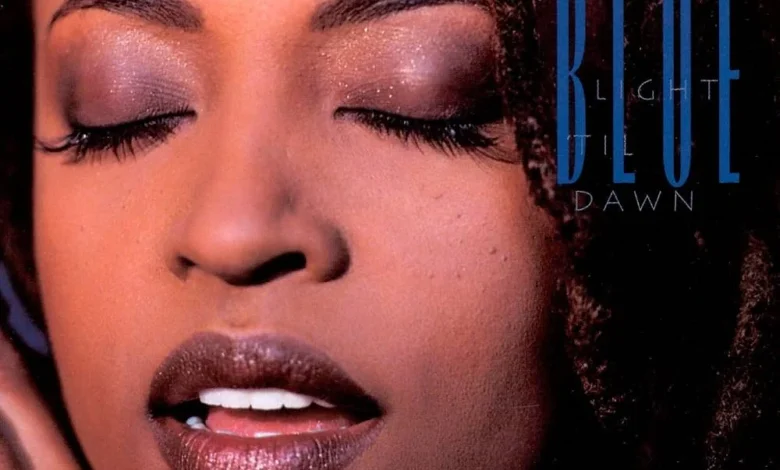
- 1993: The release of Blue Light ’Til Dawn on Blue Note Records. This album served as a watershed moment, signaling her departure from standard jazz arrangements toward a blend of Delta blues, folk, and acoustic textures.
- 1996: Release of New Moon Daughter, which secured her first Grammy Award for Best Jazz Vocal Album.
- 2001: Named "America’s Best Singer" by Time magazine, cementing her status as a mainstream cultural icon.
- 2009: Awarded her second Grammy for the album Loverly.
- 2015: Released Coming Forth by Day, a tribute to Billie Holiday that prioritized atmospheric reinterpretation over traditional homage.
- 2022: Recognized as an NEA Jazz Master, the highest honor in the field of jazz in the United States.
Data and Artistic Impact
Wilson’s commercial and critical success was built upon a radical philosophy: that the interpreter of a song holds as much creative authority as the songwriter. By dismantling the rhythmic and harmonic expectations of tracks by artists as diverse as Bob Dylan, Neil Young, and Robert Johnson, she forced listeners to engage with the lyrics and emotional core of music in a new light.
Her influence is statistically reflected in her consistent recognition by major industry institutions. Beyond her two Grammy wins, she earned four nominations and was a fixture on the DownBeat critics’ and readers’ polls for years. Her participation in Wynton Marsalis’s Blood on the Fields—the first jazz composition to win a Pulitzer Prize—further solidified her role as a collaborator of the highest caliber.
Industry Reactions and Official Responses
The passing of Wilson has triggered a wide-reaching response from the musical community. Jackson Mayor John Horhn described her as an "extraordinary native daughter," emphasizing the pride Mississippi feels for her global reach.
Prominent figures such as pianist and composer Jon Batiste have highlighted the "permission" Wilson granted to younger generations. In professional circles, the consensus is that Wilson broke the glass ceiling for what was considered "acceptable" in the jazz canon. By weaving R&B, diasporic influences, and pop into the jazz framework, she created a bridge between historical preservation and modern innovation.
The Legacy of "Permission"
Perhaps the most significant aspect of Wilson’s career was the pedagogical shift she inspired. For decades, the Great American Songbook was considered the mandatory curriculum for jazz vocalists. Wilson effectively dismantled this gatekeeping. Her career provided a blueprint for how to:
- Integrate Genre: Seamlessly blend country, blues, and jazz without losing a distinct identity.
- Prioritize Atmosphere: Use space and silence as musical instruments, rather than relying solely on vocal gymnastics.
- Honor History while Evolving: Respect the traditions of Billie Holiday or Miles Davis while refusing to mimic them.
Broader Implications for Modern Jazz
The death of Cassandra Wilson serves as a moment of reflection for the music industry regarding the definition of jazz. In the latter half of her career, the distinction between "jazz artist" and "genre-bending musician" became increasingly blurred because of her work. Her ability to command a stage with little more than a whisper, a guitar, and a singular, mournful note created a sense of gravity that few contemporaries could replicate.
Her approach to the Billie Holiday centennial project, Coming Forth by Day, stands as a definitive case study in modern interpretation. Rather than performing a "covers" album, Wilson filtered Holiday’s legacy through her own vocabulary of texture and memory, ensuring that the music remained a living, breathing entity rather than a museum piece.
A Final Reflection
In her final years, Wilson remained reflective about the path she had taken. During her 2022 NEA Jazz Master interview, she spoke not of her accolades, but of the connections she had forged with fellow musicians and her audience. Her final assessment of her life—that it had been a "wonderful life"—mirrors the grace she brought to her performances.
As the industry processes this loss, the focus remains on the vast catalog of recordings she leaves behind. For jazz, the void is significant; Wilson was one of the few artists whose sound was instantly recognizable within a single bar of music. She leaves behind a world of sound that is less categorized and more liberated than the one she entered, having successfully proven that the boundaries of music are as flexible as the imagination of the artist.
Her death marks the conclusion of a singular chapter in American music history. However, the "permission" she gave to future vocalists to explore the intersections of blues, folk, and jazz ensures that her influence will continue to resonate for generations to come. Whether through her haunting renditions of blues classics or her experimental interpretations of rock standards, Cassandra Wilson defined a space in music that belonged to no one but her, yet invited everyone in.