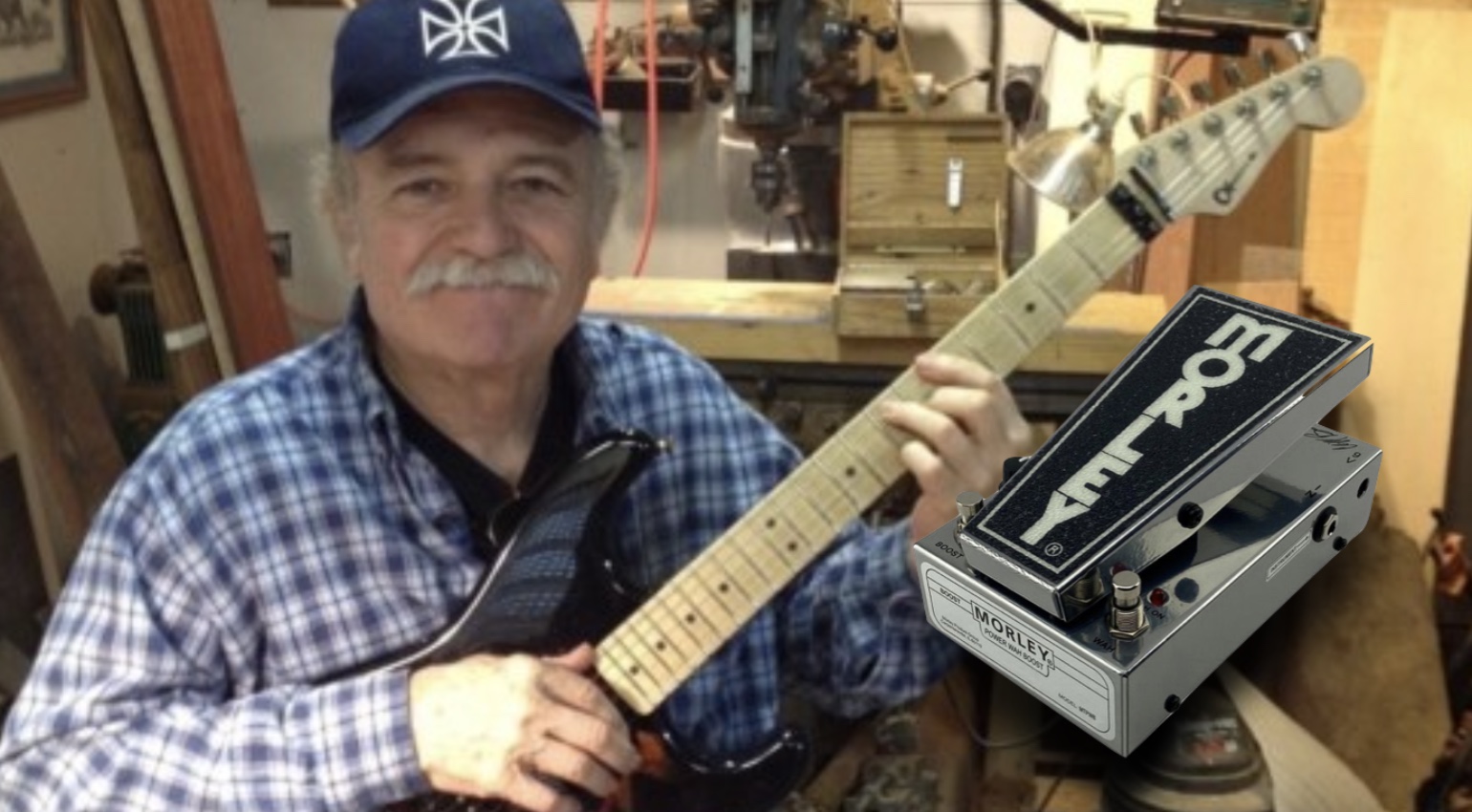
The music world mourns the loss of Wayne Charvel, a visionary luthier and the undisputed "godfather" of the Superstrat guitar, who passed away on July 12, 2026, at the age of 85. Born Wayne Richard Charvel on July 1, 1941, his innovative designs fundamentally shaped the sound and aesthetic of hard rock and heavy metal for generations. Charvel’s legacy is etched into the iconic instruments wielded by legendary guitarists such as Eddie Van Halen, Warren DeMartini, Jake E. Lee, Richie Sambora, and Paul Gilbert, whose music has resonated on stages and in recordings worldwide.
The Genesis of the Superstrat
Charvel’s journey in instrument craftsmanship began in the 1970s in Southern California, where he initially established himself as a skilled guitar repairman and builder. His reputation grew rapidly as he began modifying and enhancing Fender-style instruments for a discerning clientele of local musicians. These "hot-rodded" guitars, characterized by high-performance neck profiles, custom paint jobs, upgraded pickups, and improved hardware, were at the vanguard of what would soon be universally recognized as the "Superstrat." This genre-defining instrument combined the familiar feel of a Stratocaster with the aggressive capabilities demanded by the burgeoning rock and metal scenes.
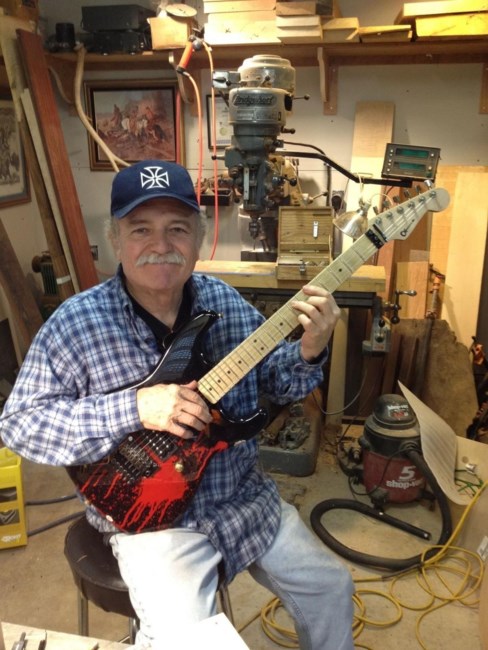
In 1978, Charvel sold his original Charvel Guitar Repair shop to Grover Jackson. However, his name remained inextricably linked to the creation of high-quality, high-performance instruments. He continued his passion for guitar building under various guises, including WRC Guitars and Wayne Guitars, often in collaboration with his son, Michael. The instruments bearing his influence became staples for countless guitarists throughout the 1980s rock boom and beyond, solidifying his status as a pivotal figure in guitar design.
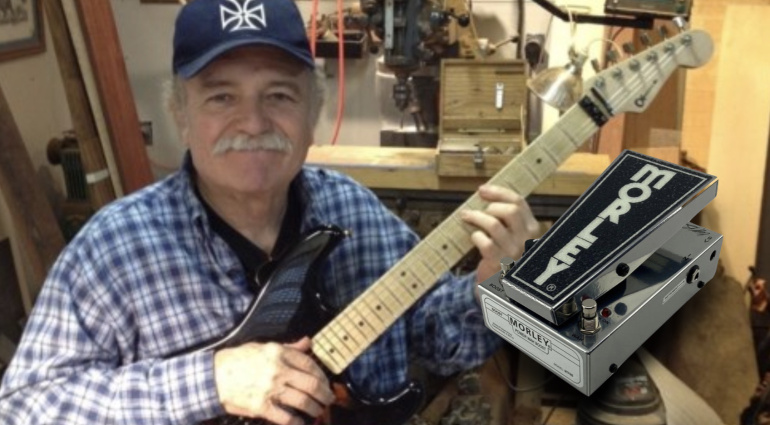
The impact of Charvel’s work is immeasurable. His distinct approach to guitar modification and construction has left an indelible mark on the instrument’s evolution. Today, Charvel guitars are produced under Fender Musical Instruments Corporation, continuing to offer players access to designs inspired by Wayne Charvel’s pioneering spirit. These instruments remain a popular choice for musicians seeking that signature blend of vintage inspiration and modern playability, available through major music retailers like Thomann.
Morley Revives a Thrash Metal Icon: The Cliff Burton Power Wah Boost
In a fitting tribute to a bass legend, Morley has reintroduced the iconic Morley Cliff Burton Power Wah Boost pedal. This meticulously recreated "Tel-Ray Revival" model is a faithful homage to the original 1970s unit that was a cornerstone of the late Metallica bassist Cliff Burton’s groundbreaking sound. Burton’s distinctive lead bass style, heavily influenced by his use of two original Morley Power Wah Boost pedals, was instrumental in defining the sonic landscape of thrash metal.
The pedal’s resurrection allows bassists and guitarists alike to tap into the tones that powered seminal tracks on Metallica’s early albums, including "Kill ‘Em All" and "Ride the Lightning." The distinctive wah sweeps heard on tracks like "Anesthesia (Pulling Teeth)" can now be more authentically replicated. While optimized for bass frequencies, the pedal’s versatile nature also makes it a compelling effect for electric guitars and keyboards.
Modern Enhancements to a Vintage Classic
While the new Morley Cliff Burton Power Wah Boost captures the authentic vintage voicing of its predecessor, it incorporates significant modern upgrades for contemporary musicians. The most notable enhancement is the integration of independent dual footswitches. Unlike the original 1970s pedal, this reissue allows players to engage the wah and boost circuits separately, or combine them for the full, rich Tel-Ray sound.
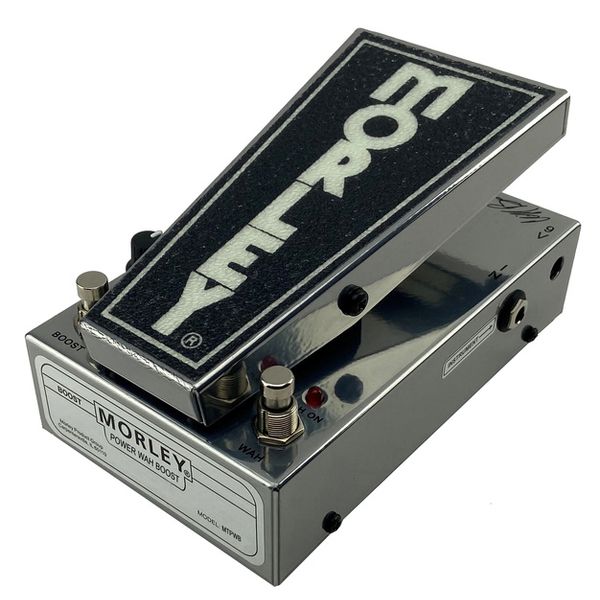
The switchable boost section delivers an impressive 40dB of clean boost. This powerful feature is ideal for driving tube amplifiers into natural overdrive, extending solo sustain, or ensuring a bass line cuts through a dense mix with clarity.
Morley’s renowned electro-optical technology significantly enhances the pedal’s reliability. By eschewing traditional potentiometers, the pedal eliminates common issues such as scratchy pot noise and mechanical wear, promising a smooth and consistent performance for years to come. Visually, the pedal remains true to its heritage, featuring a robust cold-rolled steel housing, a gleaming chrome treadle and base, vintage-style Tel-Ray graphics, and a glow-in-the-dark treadle grip for easy visibility.
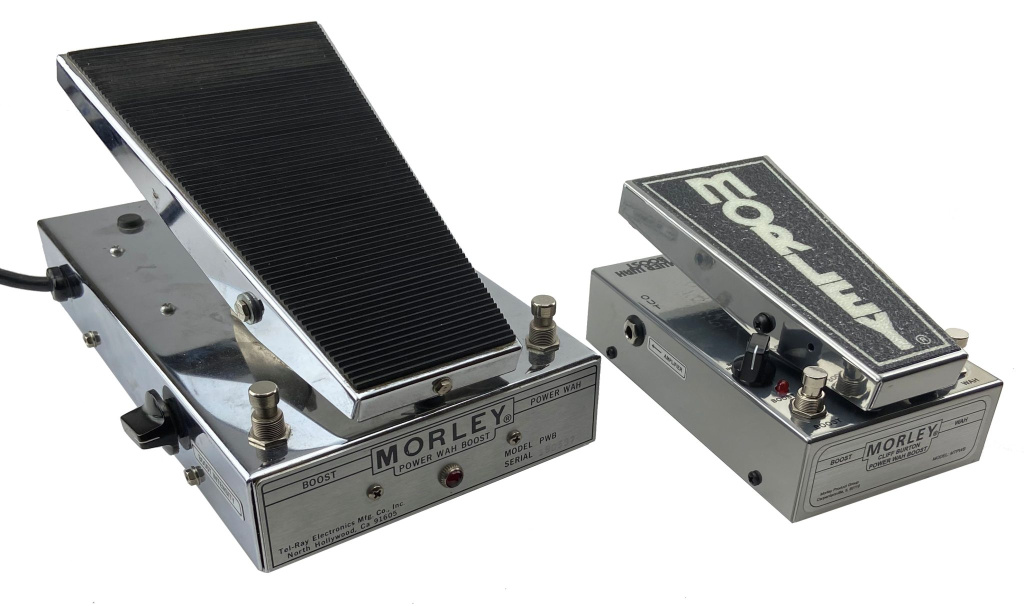
The Morley Cliff Burton Power Wah Boost is available for purchase at retailers like Thomann, with pricing around $309 USD, £282 GBP, or €325.
William Shatner’s Extravagant Riot Fest Demands
In a development that has captivated the music and entertainment world, William Shatner, forever immortalized as Captain Kirk, is set to headline Chicago’s Riot Fest this September with a backstage rider that redefines rock and roll excess. The legendary 95-year-old actor and performer, known for his eclectic career, has submitted a list of demands that make classic rock riders appear modest by comparison.

Shatner’s appearance at Riot Fest marks his transition into the heavy metal arena, performing with a backing band that includes members of Nuclear Messiah. His upcoming heavy metal album, set for release on Cleopatra Records, features collaborations with esteemed musicians such as Rob Halford of Judas Priest and Mikkey Dee, the drummer for Scorpions and formerly Motörhead. The debut of Shatner’s new band, provocatively named "The *uckers," is slated for the festival stage.
Riot Fest co-founder Mike Petryshyn expressed his astonishment at Shatner’s rider, stating, "After years of persistently – and perhaps annoyingly – writing letters to William Shatner about performing at Riot Fest, it appears that he was finally compelled. I, for one, cannot wait to see Shatner get heavy. But that Shatner Rider… wasn’t expecting that today."
Among the most extraordinary requests on Shatner’s rider are:
- Naval Authority: A demand for a boat to be renamed in his honor, allowing him to captain a vessel, coupled with an invitation to sing "Take Me Out to the Ballgame" at a Chicago Cubs game.
- Sci-Fi & Metal Upgrades: A request to be transported around the festival grounds in a DeLorean, rather than a conventional golf cart, and an exclusive stage introduction video produced by shock-rock pioneers GWAR.
- Backstage Hospitality: His dressing room is to be officially designated "Shatner’s Shag Shack." The rider specifies the provision of four feet of Polish sausage, eight pallets of Faygo soda (with a specific exclusion against sharing with Insane Clown Posse), a Montreal Canadiens hockey sweater autographed by John Stamos, and a selection of adoptable puppies.
Shatner’s foray into heavy metal, following his surprising rendition of "Lucy in the Sky with Diamonds," signals a bold new chapter in his multifaceted career, promising an unforgettable performance at Riot Fest.