Sony’s Latest Flagship RGB Mini LED TVs Headline a Week of Exceptional Tech Deals

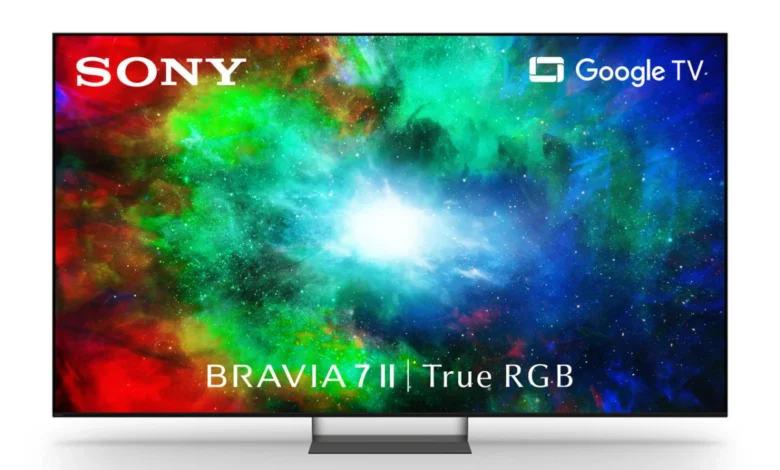
The world of home entertainment is buzzing with activity this week, marked by the highly anticipated arrival of Sony’s newest flagship RGB Mini LED televisions. These cutting-edge displays, which have just undergone rigorous testing by the expert reviewers at What Hi-Fi?, are already making waves not only for their technical prowess but also for significant price reductions. This surge in deals extends beyond Sony’s latest offerings, encompassing a curated selection of top-tier soundbars and speakers from esteemed brands like JBL and LG, all of which have earned the publication’s highest accolades.
The timing of these discounts is particularly noteworthy. Sony’s new Bravia 9 II and Bravia 7 II models, representing the pinnacle of the company’s visual innovation, have only recently been added to What Hi-Fi?’s review roster. Yet, even in these nascent stages of their market presence, substantial savings are being made available to consumers. This aggressive promotional strategy suggests a concerted effort by retailers and potentially Sony itself to drive early adoption and capitalize on the initial excitement surrounding these advanced display technologies.
This week’s deal highlights are a testament to What Hi-Fi?’s commitment to recommending only the best in consumer electronics. The publication’s stringent review process mandates that a product must achieve a minimum of four stars to warrant their endorsement. Consequently, the deals featured are not merely opportunistic price drops but are associated with products that have demonstrably met and exceeded the high standards set by a team of seasoned audio-visual professionals. This ensures that consumers are investing in quality and performance, backed by independent expert validation.
Sony Bravia 9 II: A New Benchmark in Luminosity and Color
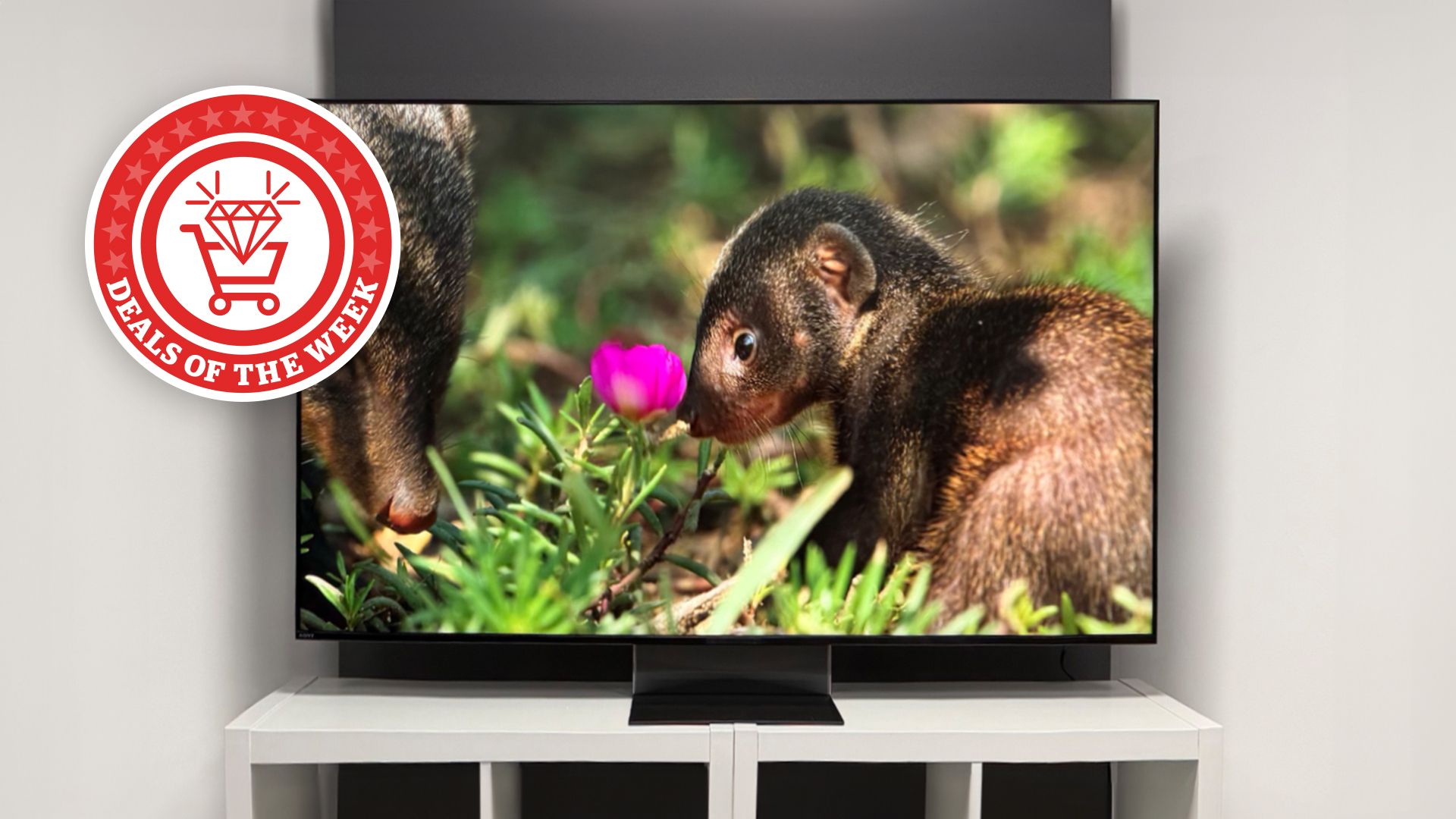
At the forefront of this week’s exceptional offers is the Sony Bravia 9 II, Sony’s latest flagship television. This groundbreaking display is among the first to integrate the revolutionary RGB Mini LED panel technology, a development that promises to redefine the capabilities of traditional LED backlighting. Early reviews have lauded the Bravia 9 II for its breathtaking visual performance, particularly its exceptional color reproduction that, according to What Hi-Fi?, "surpass[es] every other TV we’ve ever tested." This assertion is complemented by its remarkable brightness levels, which contribute to an incredibly vivid and impactful viewing experience, even in well-lit environments.
The sophisticated local dimming system employed by the Bravia 9 II has also drawn significant praise. This technology is crucial for enhancing contrast and black levels by precisely controlling the illumination of individual zones behind the screen. While the review notes that this system is "one of the best we’ve seen," it also subtly acknowledges the enduring advantage of OLED technology in achieving true pixel-level control, a distinction that highlights the nuanced landscape of premium display technologies. Despite this fine point, the Bravia 9 II’s overall performance positions it as a formidable contender in the premium TV market, and its current discounted price makes it an even more compelling proposition for discerning viewers.
Samsung S90F: Exceptional Value in the 50-Inch Segment
Adding to the week’s attractive deals is the Samsung S90F, an OLED television currently available at "better than half price." This significant discount positions the S90F as an "exceptional value" proposition, particularly within the competitive 50-inch television category. What Hi-Fi? has identified it as their "top pick" among best 50-inch TVs, a commendation that speaks volumes about its all-around excellence.
The S90F’s appeal lies in its multifaceted strengths. Its "punchy picture" is a hallmark of OLED technology, delivering vibrant colors, deep blacks, and infinite contrast. Furthermore, the television boasts "flawless gaming specifications," an increasingly critical factor for a significant segment of the consumer market. Features such as low input lag, high refresh rates, and support for advanced gaming technologies like Variable Refresh Rate (VRR) and Auto Low Latency Mode (ALLM) contribute to a smooth and responsive gaming experience. The practical design of its stand also adds to its user-friendliness, making it a well-rounded choice for a variety of entertainment needs.
Sony Bravia 7 II: A More Accessible RGB Mini LED Option
For consumers seeking the benefits of Sony’s advanced RGB Mini LED technology without the premium price tag of the flagship Bravia 9 II, the Sony Bravia 7 II presents an enticing alternative. This model, described as the "step-down RGB Mini LED offering," still delivers a remarkable viewing experience. It is lauded for its "vibrant, natural colours and excellent depth and solidity," characteristics that are particularly impressive for a backlit television.
A notable incentive for purchasing the Bravia 7 II this week is the availability of a substantial discount using a specific promotional code. By applying the code "SONY10PERCENT," customers can secure a £200 saving, effectively reducing the cost of what What Hi-Fi? considers "one of the best backlit TVs we have ever tested." This combination of advanced technology, strong performance, and a significant price reduction makes the Bravia 7 II a standout deal for those prioritizing picture quality in a more budget-conscious manner.
Samsung HW-Q990H: Immersive Audio at an Attractive Price
The allure of high-quality home cinema extends beyond visual displays, and this week’s deals certainly cater to audiophiles. The Samsung HW-Q990H soundbar system, the successor to a previous award-winning model, is currently available with attractive savings. This comprehensive Dolby Atmos soundbar system is designed to deliver an unparalleled auditory experience, transforming living rooms into immersive soundscapes.
The system’s configuration, which includes a main soundbar, two dedicated rear speakers, and a powerful subwoofer, is engineered to create a truly enveloping sound field. Reviewers have highlighted its prowess in delivering "immersive, spacious sound with excellent height effects," a crucial element for fully appreciating modern film and television soundtracks. The inclusion of Dolby Atmos technology allows for sound to be perceived not just horizontally but also vertically, creating a three-dimensional audio environment that draws the viewer deeper into the on-screen action. The HW-Q990H’s ability to replicate this sophisticated audio experience makes it a compelling choice for anyone looking to upgrade their home theater sound without the complexity and cost of a traditional multi-speaker setup.
JBL Authentics 300: A Stylish and Versatile Audio Solution
Complementing the high-fidelity soundbar offering, the JBL Authentics 300 speaker is also featured among this week’s deals, now available at its "new lowest price." While its aesthetic might evoke a sense of nostalgia with its "retro looks," the Authentics 300 is a thoroughly modern and versatile audio device. Its appeal lies in its seamless integration into various listening environments and its robust performance capabilities.
The speaker is recognized for its "forthright, confident sound," suggesting a clear and dynamic audio output that can fill a room. Beyond its sonic qualities, the Authentics 300 offers "seamless usability," implying an intuitive user interface and easy connectivity options. This combination of retro design, modern functionality, and impressive sound performance makes it an attractive option for those seeking a stylish and capable speaker that can handle a wide range of audio content, from music streaming to podcasts.
LG G6: A Re-Evaluated Flagship with Renewed Appeal
Adding a final flourish to this week’s selection of significant discounts is the LG G6 television. Following a recent re-evaluation with updated software, the LG G6 has been awarded a perfect five stars by What Hi-Fi? This reassessment underscores the company’s commitment to optimizing its products post-launch and highlights the G6’s inherent capabilities.
The LG G6 is praised for its "punchy picture quality," a characteristic that is synonymous with LG’s renowned OLED technology, offering deep blacks and vibrant colors. Its "flawless gaming specifications" further enhance its appeal to gamers, promising a smooth and responsive experience. Additionally, the television boasts "excellent app support," ensuring users have access to a wide array of streaming services and entertainment options. This combination of top-tier picture performance, gaming readiness, and comprehensive smart features solidifies the LG G6’s status as a "TV of serious ability," and its current discounted price makes it a highly attractive proposition for those seeking a premium OLED experience.
The Broader Impact of Strategic Pricing on Premium Technology
The convergence of new product launches and aggressive discounting across multiple high-profile brands signifies a dynamic period in the consumer electronics market. For manufacturers, such strategies can be crucial for several reasons. Firstly, it helps to rapidly build market share for new technologies like RGB Mini LED, educating consumers about their benefits and encouraging early adoption. Secondly, it allows for the timely clearance of previous generation models, making way for future innovations.
From a consumer perspective, this trend presents an opportune moment to acquire cutting-edge technology at more accessible price points. The expert endorsements from publications like What Hi-Fi? add a layer of confidence to these purchases, assuring buyers that they are investing in products that have been rigorously tested and validated for their performance and quality. This symbiotic relationship between manufacturers, retailers, and trusted review outlets ultimately benefits the end-user, democratizing access to premium entertainment experiences. As technology continues to advance at a rapid pace, the strategic availability of deals on highly-rated products will likely remain a key factor in consumer purchasing decisions.
Related posts: