Orange Delivers a Vibrant and Jangly Collection of Songs, Marking a Significant Return for White Fence


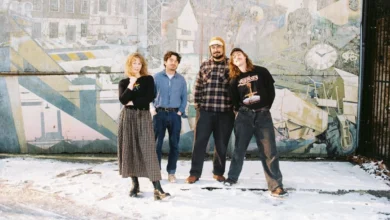
Orange, the latest offering from musician Tim Presley under the White Fence moniker, arrives as an unwavering sonic horizon, delivering a vibrant and jangly collection of songs that not only justifies the seven-year wait but also synthesizes the breadth of Presley’s prolific career to date. This marks the first full-length White Fence album since 2017’s Coping Machine, a period that has seen Presley engage in numerous other musical projects and collaborations, including his work with Ty Segall as Wobbly Wires and his solo endeavors. The record’s characteristic chiming guitars, coupled with the return of Ty Segall behind the drum kit and at the console, imbue Orange with a warbly, mysteriously optimistic guiding light. As the album’s title suggests, Orange offers a clear-eyed and bullish vibrancy, a notable contrast to the more introspective and at times, fog-bound sonic palettes of Presley’s earlier works. This sonic evolution is a key element in understanding the significance of Orange within the White Fence discography and Presley’s broader artistic output.
A Long-Awaited Return and Sonic Evolution
The anticipation for a new White Fence album has been palpable among fans and critics alike. Tim Presley, the sole constant member of White Fence, has cultivated a reputation for prolific output and a distinctive, often lo-fi, psychedelic folk-rock sound. His career, spanning over a decade, has been characterized by a restless creative spirit, leading to a substantial catalog of albums released through various labels, including Drag City, Burger Records, and his own independent ventures. This seven-year hiatus from the White Fence project, while not indicative of inactivity, has amplified the significance of Orange‘s release.
Orange represents a deliberate and refined distillation of Presley’s artistic journey. The instrumentation, particularly the prominent chiming guitars, evokes a sense of sun-drenched nostalgia while simultaneously pushing forward with a newfound clarity. The collaboration with Ty Segall, a frequent musical partner and producer for Presley, is a crucial element. Segall, himself a highly respected and prolific artist in the underground rock scene, brings his signature touch to the production and drumming, contributing to the album’s cohesive and dynamic sound. Segall’s involvement is not merely additive; it is integral to the album’s sonic architecture, shaping its texture and energy. This partnership has historically yielded some of White Fence’s most celebrated works, and Orange continues this successful trajectory.
Thematic and Sonic Contrasts: Embracing Vibrancy
The thematic shift evident in Orange is as significant as its sonic evolution. While earlier White Fence albums often explored themes of introspection, melancholy, and a certain cosmic wanderlust, Orange presents a more outward-looking and buoyant perspective. The "clear-eyed and bullish vibrancy" noted in initial descriptions stands in stark relief to the "foggy greys and blues" that characterized some of Presley’s previous explorations. This shift can be interpreted as a reflection of Presley’s personal growth or a conscious artistic decision to explore a different emotional and philosophical landscape.
The title Orange itself is evocative. Orange is a color associated with warmth, energy, creativity, and enthusiasm. It is a hue that suggests optimism and a connection to the natural world. This titular choice appears to be a deliberate signal of the album’s prevailing mood and thematic concerns. The music mirrors this, with melodies that are often bright and infectious, even when tinged with the characteristic psychedelic flourishes that have become a hallmark of White Fence. The jangly guitars, a constant throughout Presley’s work, are here more prominent and polished, cutting through the mix with a crystalline clarity.
Supporting Data and Context: The White Fence Discography
To fully appreciate the significance of Orange, it is helpful to consider the trajectory of the White Fence project. Tim Presley first emerged as White Fence in 2010 with the release of I Love You, White Fence. The album, largely recorded by Presley himself, quickly garnered attention for its raw, lo-fi aesthetic and its unique blend of 1960s psychedelic pop, folk, and garage rock. This initial release set the stage for a period of intense creative output.
Between 2010 and 2017, White Fence released a remarkable number of albums, including:
- 2010: I Love You, White Fence, And the 45s
- 2011: Is Growing Faith, Exciting New Sounds of White Fence
- 2012: White Fence, Family Perfume Vol. 1, Family Perfume Vol. 2
- 2013: Live in San Francisco, Red Telephone 666
- 2014: To the Recently Found and the Missing
- 2015: For the Recently Found and the Missing (reissue), Cyclical
- 2016: Mexico, Who Were You Think I Was
- 2017: Coping Machine
This prolific period established White Fence as a vital force in independent music, characterized by its DIY ethos and Presley’s distinctive songwriting. The long gap before Orange has allowed for a reassessment of this legacy and an opportunity for Presley to present a more curated and perhaps more mature iteration of the White Fence sound.
Collaboration and Influence: The Ty Segall Factor
The recurring collaboration with Ty Segall is a cornerstone of the White Fence narrative. Segall, a multi-instrumentalist and producer, has been involved in many of White Fence’s most pivotal releases. His own extensive discography and his work with bands like Thee Oh Sees (now Osees), FUZZ, and his solo projects have solidified his status as a key figure in contemporary garage rock and psychedelic music.
Segall’s influence on White Fence is multifaceted. As a drummer, he provides a propulsive and often nuanced rhythmic foundation. As a producer, he has helped Presley refine his sound, bringing a level of polish and sonic depth to the often-raw material of Presley’s compositions. The synergy between Presley and Segall is evident in the cohesive sound of Orange, where the guitars shimmer and the rhythm section locks in with a palpable energy. This partnership is not simply a matter of convenience; it is a creative dialogue that has consistently pushed both artists forward.
Analysis of Implications: A New Chapter for White Fence
The release of Orange signifies more than just a return to form; it suggests a new chapter for White Fence. The album’s confident and vibrant tone indicates a willingness to embrace new sonic territories and thematic preoccupations. This shift could attract a broader audience while still satisfying long-time devotees who appreciate Presley’s core artistic sensibilities.
The implications for the independent music scene are also noteworthy. In an era where attention spans can be fleeting, the successful return of a project after a significant hiatus, with a body of work that is both a summation and a step forward, demonstrates the enduring power of consistent artistic vision. It underscores the value of patience and thoughtful creative development.
Furthermore, the critical reception of Orange will likely provide valuable insights into how the contemporary music landscape perceives and values artists who operate outside the mainstream. The fact that a release from White Fence garners significant attention in publications and online platforms dedicated to independent music speaks to the cultural impact of Presley’s work.
Chronology of the Gap and Anticipation
The seven-year gap between Coping Machine and Orange was filled with a variety of artistic endeavors for Tim Presley. While not releasing under the White Fence name, he remained active:
- 2018-2019: Presley continued to release music under his own name and collaborated on various projects.
- 2020: The album Tim Presley’s White Fence was released, which was a re-recording of earlier White Fence material. This indicated a continued engagement with the White Fence sound and legacy, even if not a new collection of original material.
- 2021-2023: Continued solo work and collaborations, building momentum and potentially shaping the sonic direction for future White Fence releases.
This period of diverse activity likely allowed Presley to experiment and gather new creative energies, which have now been channeled into Orange. The anticipation built during this time, fueled by the consistent quality of his output across different projects, made the announcement of a new White Fence album a significant event for his fanbase.
Broader Impact and Industry Perspective
The success of Orange can also be viewed through the lens of the independent music industry. The reliance on patronage and dedicated fanbases, as hinted at by the "Aquarium Drunkard" snippet, is a crucial aspect of how artists like Tim Presley sustain their careers. The willingness of fans to support artists through membership or direct contributions allows for creative freedom and the production of albums that might not be viable within a traditional major label structure.
The fact that Orange is being discussed and analyzed in detail by music publications underscores the ongoing relevance of White Fence as an artistic entity. It demonstrates that a strong artistic identity, coupled with consistent creative output (even with breaks), can maintain and even grow an audience. The album’s success in capturing a "warbly and mysteriously optimistic guiding light" suggests a resonance with listeners seeking authenticity and emotional depth in their music.
In conclusion, Orange represents a triumphant return for White Fence and Tim Presley. It is an album that not only meets the high expectations of its devoted following but also offers a compelling evolution of Presley’s signature sound. The vibrant instrumentation, the optimistic thematic undercurrents, and the potent collaboration with Ty Segall combine to create a collection of songs that are both a reflection of Presley’s past achievements and a bold declaration of his future artistic direction. The album stands as a testament to the enduring power of creative vision and the vibrant landscape of independent music.