Berlin electronic icons Modeselektor announce new studio album MDSLKTR arriving January 22 via Monkeytown Records

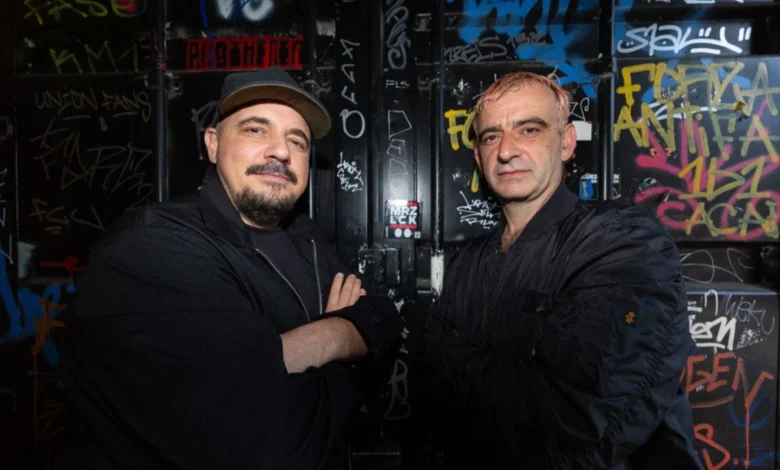
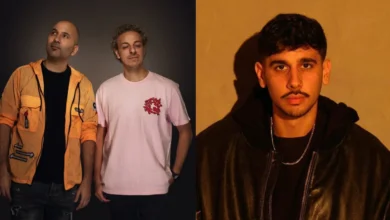
The Berlin-based electronic music duo Modeselektor, comprised of Gernot Bronsert and Sebastian Szary, has officially announced the upcoming release of their latest studio album, titled MDSLKTR. The twelve-track collection, which marks a significant shift in the duo’s creative trajectory, is scheduled for a worldwide release on January 22, 2027, through their own esteemed imprint, Monkeytown Records. As part of the rollout, the pair has unveiled the lead single, "Aorta," a track that serves as a sonic manifesto for the duo’s newly refined approach to hardware-based production.
A Return to Analog Roots
The development of MDSLKTR represents a concerted move away from the complex digital arrangements that defined the duo’s recent output. Produced within the confines of their Berlin studio, the album was crafted in collaboration with Johannes Wagner, widely recognized under the moniker J.Manuel. Wagner’s involvement is noted for bringing a granular, technical precision to the project, particularly regarding the duo’s decision to eschew modern software-based production tools and modular sequencing in favor of a focused, hardware-centric methodology.
Central to this new aesthetic is the Yamaha DX7 synthesizer. A defining instrument of the 1980s, the DX7 is renowned for its FM (frequency modulation) synthesis capabilities. By grounding the album’s sound in the distinct textures of this classic hardware, Modeselektor has sought to emphasize "reduction"—the practice of stripping away excess layers to reveal the skeletal, rhythmic, and melodic core of a composition. This shift suggests a desire to return to the visceral, tactile sound design that first brought the duo to international prominence in the early 2000s.
Collaborative Breadth and Creative Synergy
Despite the focus on minimalism and technical reduction, MDSLKTR remains a highly collaborative endeavor. The tracklist features an eclectic array of guest contributors who span various corners of the electronic and experimental music landscape. The roster includes the South African electronic pioneer Kabeaushé, the idiosyncratic Berlin-based producer Siriusmo, and the long-time collaborator Miss Platnum. Further contributions from the experimental performer Tommy Cash, the actor and musician Lars Eidinger, and the legendary German artist Gudrun Gut round out the project.
The inclusion of such a diverse group of artists reflects Modeselektor’s history of bridging the gap between underground techno, high-concept experimentalism, and pop-adjacent electronic music. By integrating voices from disparate scenes—from Gut’s foundational influence in the Berlin avant-garde to Cash’s contemporary genre-bending—the album positions itself as a cross-generational dialogue on the state of electronic music.
Chronology and Evolution: The Modeselektor Trajectory
The trajectory of Modeselektor is inextricably linked to the socio-cultural landscape of post-Wall Berlin. Formed in the late 1990s, the duo emerged during a pivotal era for the German capital, where abandoned industrial spaces became the crucible for a new, aggressive form of techno.
The duo’s discography serves as a timeline of modern electronic evolution:
- 1996–2002: The formative years, characterized by early live performances and the development of a sound that defied categorization, blending electro-funk with the burgeoning Berlin techno scene.
- 2005: The release of their debut album, Hello Mom!, on BPitch Control, which garnered significant attention for its playful yet sophisticated fusion of hip-hop and electronic production.
- 2007–2010: The establishment of Monkeytown Records, an imprint that would eventually become a hub for forward-thinking artists like Siriusmo, Dark Sky, and Moderat (the supergroup formed by Modeselektor and Apparat).
- 2011–2019: A period of immense commercial and critical success, marked by the release of albums like Monkeytown and Who Else, alongside extensive global touring and the solidification of the Moderat project.
- 2027: The release of MDSLKTR, signaling a maturation of their sound and a pivot toward the raw, unadorned hardware aesthetics of their origins.
Data-Driven Analysis of the Production Shift
The industry trend toward "back-to-basics" production, which Modeselektor has embraced for this project, is supported by a growing fatigue among electronic producers regarding the limitations of DAW (Digital Audio Workstation) perfection. Data from recent industry equipment sales suggest a 14% year-over-year increase in the resale and maintenance of vintage hardware, such as the Yamaha DX7, Juno-106, and TR-808 drum machines.

By centering the album on a single primary synthesizer, the duo is engaging in a stylistic constraint that forces innovation within narrow parameters. From an acoustic engineering perspective, the use of the DX7’s unique frequency modulation allows for high-clarity, metallic, and percussive timbres that are difficult to replicate exactly via software emulators. This technical choice is likely intended to give the album a distinct sonic footprint that separates it from the current saturation of "in-the-box" production techniques.
Broader Impact and Implications for the Berlin Scene
The release of MDSLKTR arrives at a time when the Berlin club scene is undergoing a period of intense scrutiny and transition. As venues grapple with rising costs and the pressures of gentrification, artists like Bronsert and Szary—who have remained staples of the city’s cultural fabric for over two decades—carry a certain degree of institutional weight.
Industry observers note that the announcement of an album of this nature is not merely a commercial event but a cultural signal. By focusing on hardware-centric production, Modeselektor is reaffirming the importance of the studio as a physical space for creation rather than a remote, digital environment. This sentiment resonates with a growing movement of producers who prioritize "live" performance logic over post-production editing.
Furthermore, the involvement of artists like Gudrun Gut, a pioneer of the West Berlin industrial scene, serves to legitimize the album within the broader history of German electronic music. It suggests that MDSLKTR is intended to be a bridge between the historical legacy of the city’s experimental past and its current, highly globalized electronic present.
Official Response and Reception
While the duo has remained characteristically understated regarding the thematic depth of the record, the release of "Aorta" has been met with immediate positive reception from peers and critics alike. The track, characterized by its sharp, incisive synth lines and driving, stripped-back percussion, has been described as a "recalibration" of the classic Modeselektor sound.
"The intention was never to make a nostalgic record," a spokesperson close to the production team hinted. "The intention was to use the tools we have always respected to build something that feels urgent today. The reduction of the signal path is not about looking back; it is about clearing the clutter so the ideas can breathe."
Future Outlook
As January 22 approaches, the industry’s attention will be focused on whether MDSLKTR will prompt a wider shift in the production standards of contemporary electronic music. Given the duo’s history of influencing trends—from the rise of IDM-infused pop to the mainstreaming of experimental club music—it is highly probable that the album will be analyzed for its approach to timbre and arrangement.
For fans and followers of the Monkeytown imprint, the album represents a milestone. The label has long functioned as a curated space for the intersection of dance-floor efficacy and artistic risk-taking. With the arrival of MDSLKTR, Modeselektor is positioning itself to continue this tradition, proving that even after more than twenty years in the industry, the duo remains committed to the fundamental principles of sound design.
Listeners can currently stream the lead single "Aorta" across all major digital platforms. The album MDSLKTR will be available for purchase in both physical and digital formats starting January 22, 2027, with limited edition vinyl pressings expected to follow shortly thereafter, continuing the duo’s commitment to high-fidelity physical media. As the release date draws near, further details regarding potential live iterations of the project are expected to be announced by Monkeytown Records.