The Evolution of the Acoustic Instrumental Genre
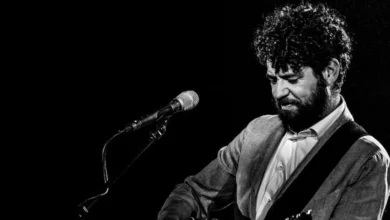
At the forefront of this movement is Kevin Coleman, whose recent album K.C. Blues has garnered critical acclaim for its ambitious scope and technical fluidity. Developed over a period of more than two years, the record serves as a testament to the meticulous nature of modern independent production. Unlike traditional blues or folk records that rely on established structures, Coleman’s work is characterized by a "sweeping" approach to style and mood. Musicologists often categorize this style under the umbrella of "American Primitive" guitar, a genre pioneered by John Fahey and Robbie Basho in the 1960s. However, Coleman, alongside peers such as Hayden Pedigo and Wendy Eisenberg, is pushing the genre toward a more avant-garde territory where the acoustic guitar is treated as a vessel for experimental discovery rather than just a rhythmic tool.
The technical proficiency required for such work is immense. In K.C. Blues, the collaboration between musicians is noted for its seamlessness, creating a coherent sound despite the wide-ranging stylistic shifts. This trend indicates a broader movement in the independent music scene where the "solo guitarist" is increasingly engaging in complex, multi-instrumental arrangements that maintain the intimacy of the acoustic medium while embracing the complexity of chamber music.
Poetic Narratives and Non-Linear Songwriting
The duo of Dan Haywood and Harvey Lord further illustrates the experimental tilt of the current folk landscape with their album Ten Signs. Reviewed by Alex Neilson, the work is noted for its "dizzyingly poetic lines" and a rhythmic structure that oscillates between being "languorous and uptight." A key element of this recording is the integration of environmental sounds—specifically spring birds—which situates the music within a specific ecological and temporal context.
This use of field recordings and unpredictable guitar work suggests a move away from the "studio-perfect" aesthetic toward a more organic, "lived-in" sound. The comparison to the impossible geometries of M.C. Escher highlights the complexity of the instrumental breaks, which serve as bridges between thematic sections rather than mere interludes. This approach to songwriting treats the album as a singular, evolving organism rather than a collection of discrete tracks, a hallmark of the current experimental folk zeitgeist.
Folk as a Vehicle for Social and Historical Commentary
One of the most profound shifts in modern folk is the explicit integration of political activism and historical revisionism. Creekbed Carter Hogan’s Peasants Revolt is a primary example of this evolution. The album draws parallels between historical upheavals—such as medieval uprisings and the Haitian Revolution—and contemporary struggles, specifically twenty-first-century trans activism.
By grounding these themes in the tradition of Americana and "pastoral" imagery, Hogan creates a unique intersection where the personal and the political collide. This thematic depth is a response to a global climate of uncertainty, acknowledging the "possibility of an imminent apocalypse" while finding exuberance in difference. The scholarly consensus on Hogan’s work suggests that folk music is returning to its roots as the "music of the people," but with a modern lens that includes marginalized voices that were historically excluded from the genre’s canon.
Similarly, Nick Granata’s debut solo album, My Heart is Running Backwards! A Martial Artist! With a Closed Fist! Woof!, explores the "joyously queer heart" of experimental music. As a member of the Shovel Dance Collective—a group known for re-examining traditional British folk through a queer and decolonial lens—Granata uses genuine sonic experimentation to challenge the listeners’ expectations. The ambitious breadth of the album reflects a growing trend where artists utilize long, eccentric titles and complex arrangements to signal a departure from the commercial folk-pop of the early 2010s.
The Importance of Creative Autonomy: Cinder Well
The release of Cinder Well’s A Blooming Body marks a pivotal moment for artist Amelia Baker. For the first time in her career, Baker took full control of the production and creative processes behind the album. This shift toward total creative autonomy is a recurring theme in the independent music industry, as digital workstations and home recording technology allow artists to bypass traditional gatekeepers.
The result is a record described as "raw" and "richly detailed," possessing hidden musical depths that might have been polished away in a more commercial setting. Baker’s vision for Cinder Well has always been unique, blending the dark folk traditions of the West of Ireland with the heavy, atmospheric influences of the Pacific Northwest. By handling the production herself, she has managed to capture a more authentic representation of her artistic identity, setting a precedent for other independent folk artists.
Archival Preservation and the Legacy of Martin Carthy
While the mixtape focuses heavily on new talent, it also pays homage to the foundations of the genre. The inclusion of a track from Martin Carthy’s new archival boxset, Along The Road Forever: Live at the BBC (1965-2022), provides essential context. Released via the Madfish label, the boxset chronicles nearly sixty years of Carthy’s career, including a 1978 live recording from the Sidmouth Folk Festival.
The preservation of these recordings is vital for the historical record of British music. Martin Carthy is widely considered one of the most influential figures in the English folk revival, having influenced everyone from Bob Dylan to Paul Simon. The availability of these live BBC recordings allows a new generation of listeners to understand the evolution of folk performance—from the strict traditionalism of the mid-20th century to the more open, collaborative spirit of the present day.
Late-Career Masterpieces and Collaborative Generosity
The mixtape also features Tucker Zimmerman’s Dance of Love, an album that challenges the traditional narrative of artistic decline. Recorded nearly sixty years into his career, the album is being hailed as one of his finest works. The collaboration with the modern indie-folk band Big Thief (alongside Iji and Twain) demonstrates a "spirit of collaborative generosity" that spans generations.
Zimmerman’s ability to "start anew" at an advanced age is a rarity in the music industry. The involvement of Big Thief, one of the most critically successful bands of the current era, serves as a bridge between the folk traditions of the 1960s and the contemporary indie scene. This cross-generational dialogue is essential for the health of the genre, ensuring that the wisdom of veteran songwriters is passed down to younger artists while providing the veterans with a fresh, modern platform.
The Resurgence of the Independent Artefact: Stella Kola
The re-release of Stella Kola’s debut album by Aguirre Records highlights the importance of the "independent artefact" in the digital age. Originally self-released in 2023, the collaboration between Beverly Ketch and Robert Thomas (of Sunburned Hand of the Man fame) was initially a quiet, underground success. The renewed edition aims to bring wider attention to a record that critics described as "quietly essential."
The "Sunburned" family of musicians has long been a cornerstone of the American underground, and the Stella Kola project continues that tradition of lo-fi, experimental folk. The trend of re-issuing self-released or obscure records via established independent labels is a crucial mechanism for the survival of niche music, ensuring that high-quality art does not disappear into the digital void of streaming platforms.
Broader Impact and Industry Implications
The curation of Mixtape No 91 by KLOF Mag reflects a broader shift in the music industry’s valuation of "folk." No longer confined to acoustic guitars and traditional ballads, the genre has become a broad tent for any music that prioritizes storytelling, historical consciousness, and acoustic experimentation.
The inclusion of artists like Andrew Weathers, whose work often blurs the lines between folk, ambient, and drone music, further emphasizes this point. Weathers’ albums Five Remote Duos and Littlefield represent the "experimental-ambient" wing of the folk world, where the focus is on texture and space rather than melody and lyrics.
The implications for the industry are clear: there is a growing market for music that is challenging, historically grounded, and politically engaged. As major labels continue to focus on algorithmic-friendly pop, independent outlets and labels are finding success by leaning into the "avant-garde" and the "archival." This mixtape is not just a collection of songs; it is a document of a vibrant, intellectual, and deeply creative community that is keeping the spirit of folk music alive by refusing to let it stand still.
Through the work of artists like Kevin Coleman, Creekbed Carter Hogan, and Cinder Well, the "folk" label continues to be a site of radical experimentation and profound personal expression. As these artists continue to push boundaries, the role of curators like KLOF Mag becomes even more vital in navigating the rich, complex landscape of modern sound.
Related posts: