Ardour 9.8 delivers a landmark update in DAW development with advanced session recovery and revolutionary tuning-aware scale support

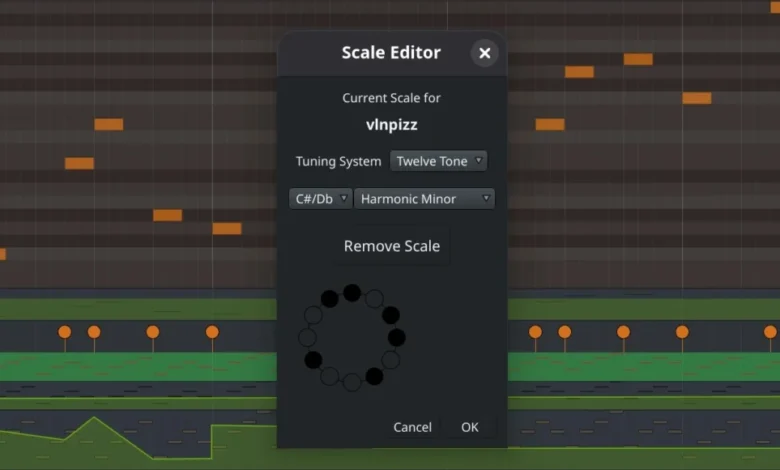
The release of Ardour 9.8 marks a significant evolution for the free and open-source Digital Audio Workstation (DAW), introducing a robust suite of tools that bridge the gap between traditional Western music production workflows and the broader, global landscape of microtonal and non-Western musical traditions. While the update includes practical enhancements such as improved session recovery, refined clip recording with a new two-bar countdown, and expanded hardware controller support, the most notable addition is a sophisticated scale and key implementation designed to be "tuning-aware." This development positions Ardour at the forefront of a movement to dismantle the technical hegemony of 12-tone equal temperament (12-TET) in digital music production.
Chronology of Development and Core Enhancements
The journey toward version 9.8 has been defined by a focus on workflow stability and hardware integration. Ardour, which has long been a staple for Linux, macOS, and Windows users seeking a transparent, community-driven alternative to proprietary software, has accelerated its development cycle significantly over the past two years.
In this latest iteration, the developers have focused on the following key areas:
- Clip Recording: Enhancements to the audio clip editor and the introduction of a dedicated two-bar countdown aim to lower the barrier for users migrating from loop-based DAWs like Ableton Live.
- MIDI Toolset: The MIDI environment now supports arpeggiation, allowing for more complex chord-based composition directly within the piano roll.
- Controller Integration: Ardour 9.8 expands its hardware mapping library to include the Novation Launchkey series and provides improved support for Ableton’s Push 2 controller, signaling an effort to make the DAW more accessible to performers who rely on physical tactile interfaces.
The Shift Toward Tuning-Aware Composition
The most profound shift in Ardour 9.8 is the move to decouple scales and keys from the rigid constraints of 12-TET. For decades, the digital audio industry has standardized pitch around A=440Hz and the 12-note equal temperament system. While this served the needs of 20th-century Western commercial music, it effectively marginalized centuries of global musical practice—from the specific melodic modes of Arabic music, known as maqamat (utilizing the jins as structural building blocks), to the unique, ensemble-specific tunings of the Indonesian Gamelan.
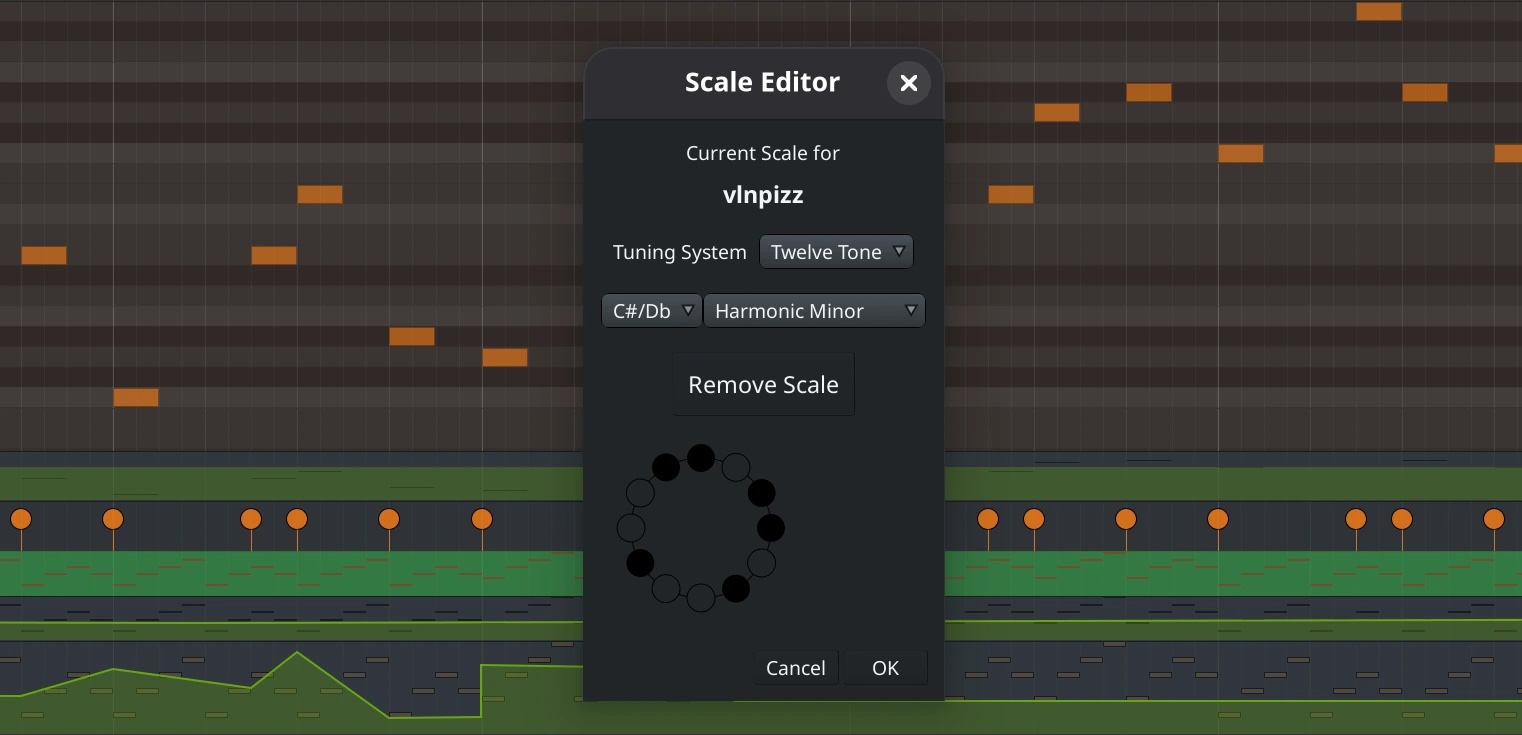
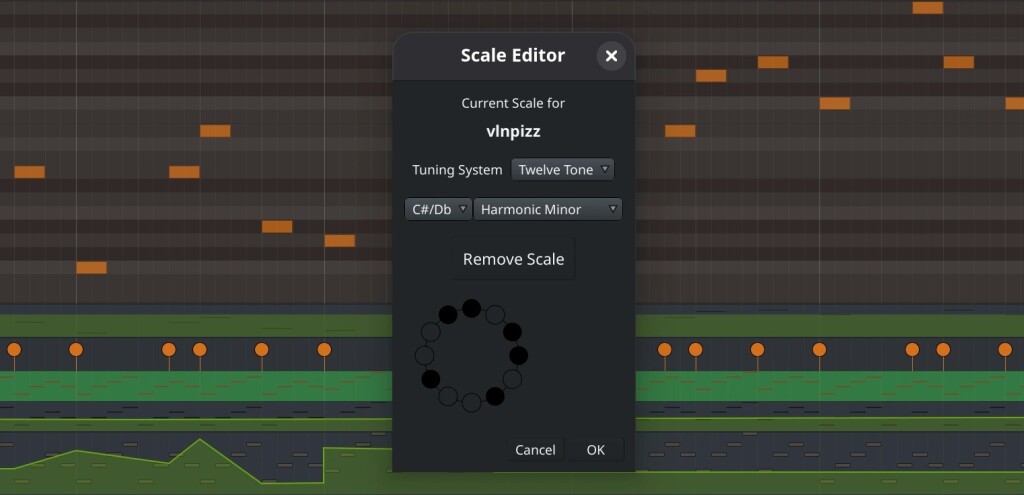
In most current DAWs, "scales" and "tuning systems" are treated as separate, often incompatible entities. When a user selects a tuning system in many popular applications, the DAW often disables scale-locking or chord-assistance tools, forcing the user to choose between accurate intonation and the convenience of smart composition tools. Ardour 9.8 attempts to solve this by integrating these features at the foundational level. The scale editor allows users to define custom pitch sets that persist across the session, enabling the DAW to intelligently guide MIDI input according to non-standard intervals.
Analytical Perspective on Musical Diversity
The assumption that 12-TET is a "universal" standard is a product of late-industrial, colonial-era musical theory. Historically, even within European classical music, the transition to equal temperament was a gradual process. Composers such as Beethoven did not utilize the modern A=440Hz standard, and the instruments of the 18th century were characterized by diverse tuning temperaments—such as Meantone or Well-Temperament—that provided each key with a distinct color and character.
By reintroducing these concepts into a modern DAW, Ardour is not merely adding a feature; it is reclaiming a historical diversity that was sacrificed for the sake of mass production. The technical challenge, however, remains significant. Implementation requires moving away from hard-coded frequency tables toward a system that can dynamically calculate interval relationships based on the user’s chosen root and mode.
Comparative Industry Landscape
Ardour’s approach stands in contrast to the current strategies employed by commercial giants. Ableton Live, for instance, maintains a rigid separation between its "Tuning Systems" and its "Scales" features. While this prevents technical conflicts, it restricts the user’s ability to manipulate non-Western scales with the same ease as a standard major scale.
The Ardour development team has opted for an early, transparent release strategy. By exposing the scale editor in its current, nascent state, they are soliciting feedback from composers who work in microtonal or traditional contexts. This collaborative development model is essential, as the nuances of different cultural tuning systems—such as the specific way a koto is tuned or the variable microtones inherent in various Middle Eastern scales—cannot be fully understood by a single development team without input from the practitioners themselves.
Future Implications for DAW Design
The inclusion of tuning-aware scales sets a precedent that will likely influence future versions of other DAWs. As the global music market continues to integrate non-Western structures, software developers are finding that their current "Western-centric" architecture is becoming a liability.
Future development cycles for Ardour will likely focus on:
- Non-repeating octaves: Accommodating systems where the octave is not divided into standard intervals.
- Extended notation: Updating the MIDI piano roll to visually represent microtonal deviations rather than hiding them behind standard keys.
- Cross-platform compatibility: Ensuring that these custom tuning files can be imported and exported between different software environments without data loss.
Official Stance and Community Feedback
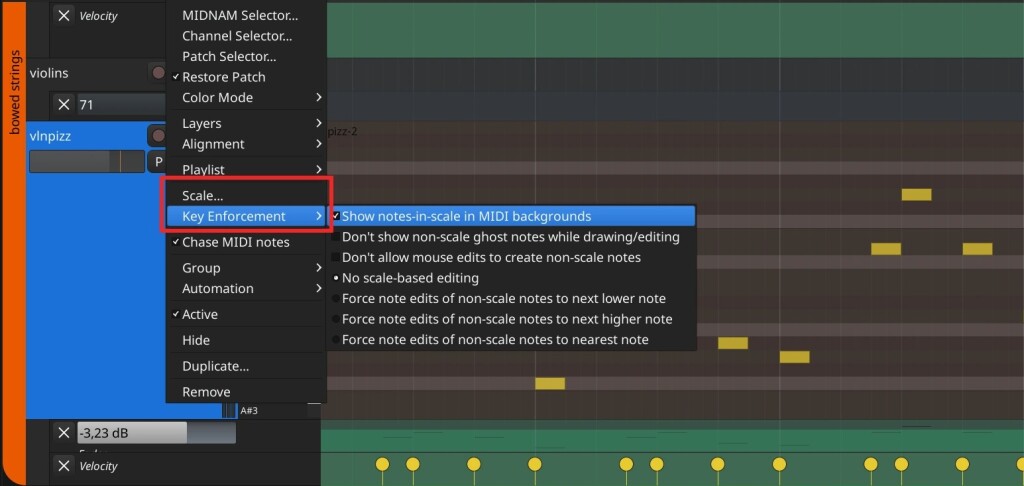
The development team behind Ardour has been clear that this is a "first-look" implementation. In their release notes, they emphasize that the feature is meant to evolve over multiple release cycles. "We are releasing this code with minimal useful features to get your feedback early on," the team noted in the 9.8 documentation. By allowing users to restrict MIDI input to specific, non-standard scales or automatically adjust out-of-scale notes to the nearest logical frequency, the developers have created a framework that is already more flexible than many industry-standard alternatives.
The reaction from the community, particularly from the microtonal and experimental music spheres, has been largely positive. Musicians who have previously relied on third-party VST plug-ins, such as the Tanghām project by Khyam Allami, now see a path toward integrating these workflows directly into the project’s core. While a plug-in handles the "instrument" side of the equation—retuning the oscillators—the DAW handles the "score" side. Having both environments aware of the same tuning system is a major step toward a seamless production process.
Broader Impact on Global Music Production
The significance of this update extends beyond mere feature lists. It represents an acknowledgement that digital audio software should reflect the reality of global music, rather than forcing global music into the constraints of the software. As digital production tools become the primary method for archiving and creating music, the importance of "decolonizing" the software interface—by moving away from the assumption that the 12-tone scale is the only "correct" way to organize pitch—becomes a matter of cultural preservation.
For the end-user, Ardour 9.8 offers a stable, powerful, and increasingly experimental environment. Whether one is a professional composer looking for a more precise way to handle historical temperaments or an experimental artist exploring non-Western tonal systems, the latest version of Ardour provides the necessary tools to break away from the limitations of the past. As the software continues to mature, it is likely to remain a vital tool for those who prioritize flexibility, open standards, and the democratization of musical technology.
The release of Ardour 9.8 is available now for download, with the developers encouraging users to document their experiences and report specific use cases for non-12-TET systems to help guide the next phase of development.