Pylobolus Alkove, Fractaos, and Analog Kick Drum Design: Synth Journal

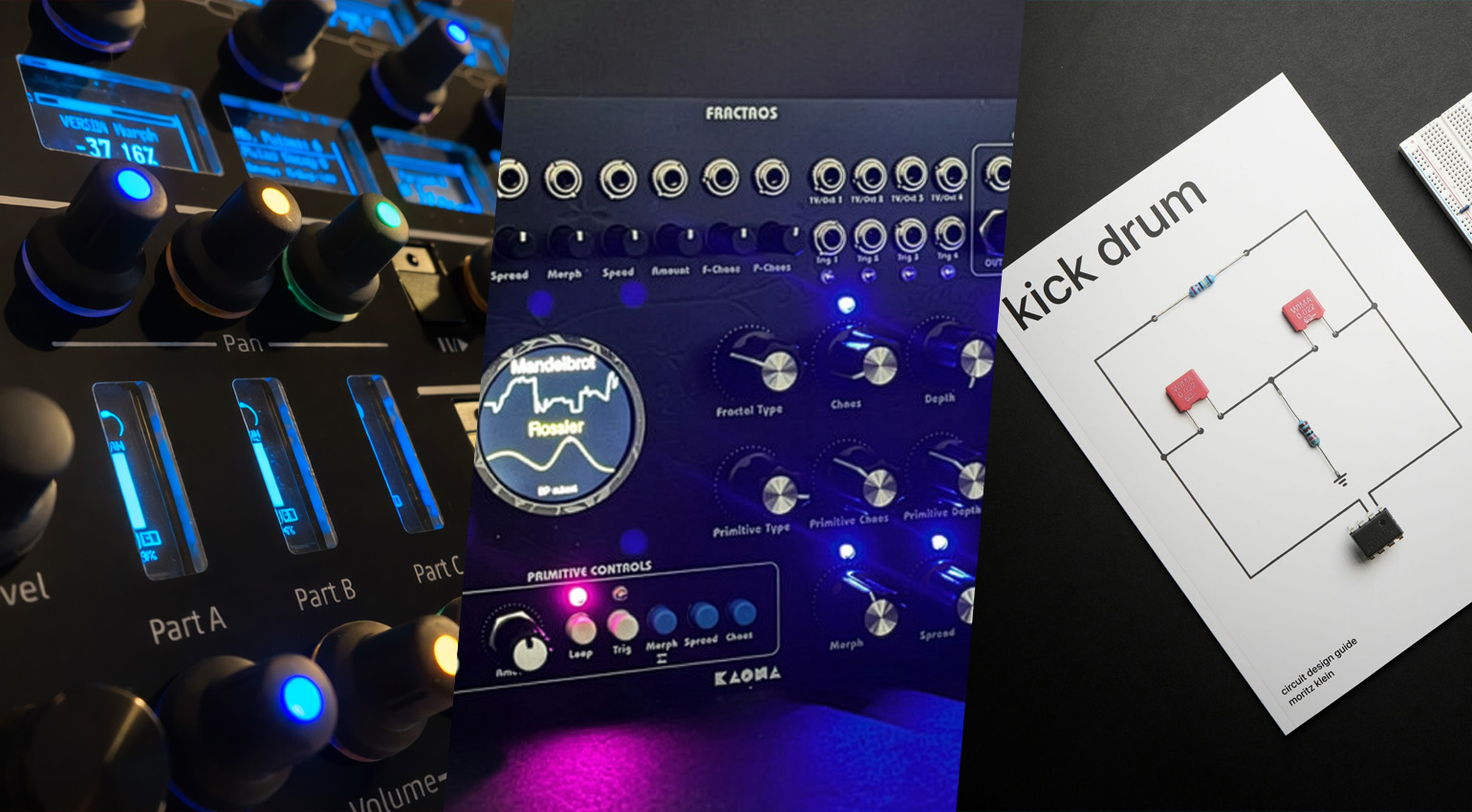
The vibrant landscape of synthesizer innovation continues to expand with exciting new hardware and educational resources, poised to capture the attention of musicians and sound designers alike. As the industry gears up for the highly anticipated SynthFest France, set to take place this weekend in Nantes, a trifecta of noteworthy developments has emerged: the visually striking Pylobolus Alkove hybrid synthesizer, the unique KAONA Fractaos polyphonic Eurorack oscillator, and an in-depth analog kick drum circuit design guide from Erica Synths and Moritz Klein. These announcements underscore a dynamic period for both cutting-edge electronic music creation tools and accessible DIY synthesis education.
Pylobolus Alkove: A New Benchmark in Display Integration
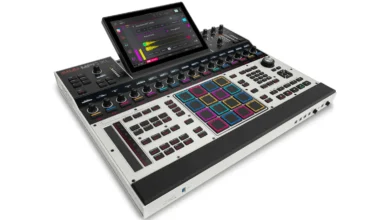
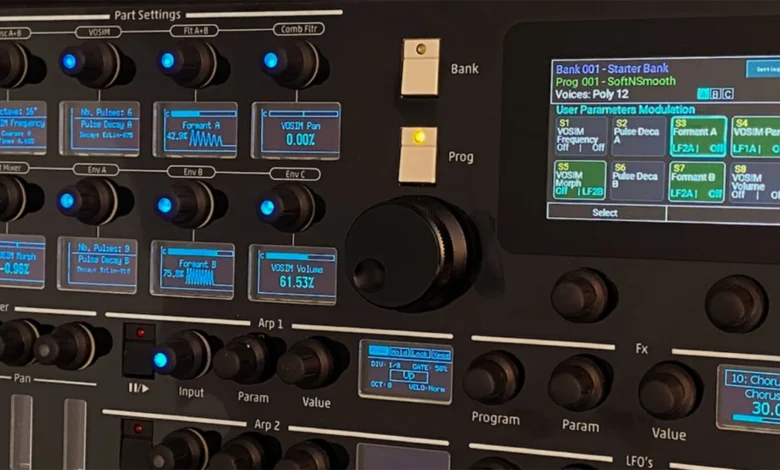
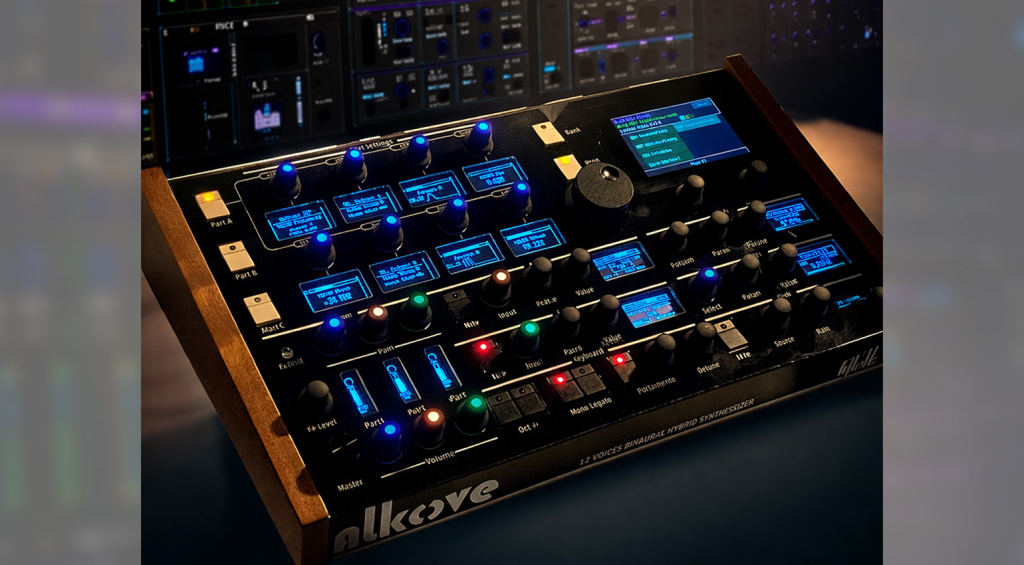
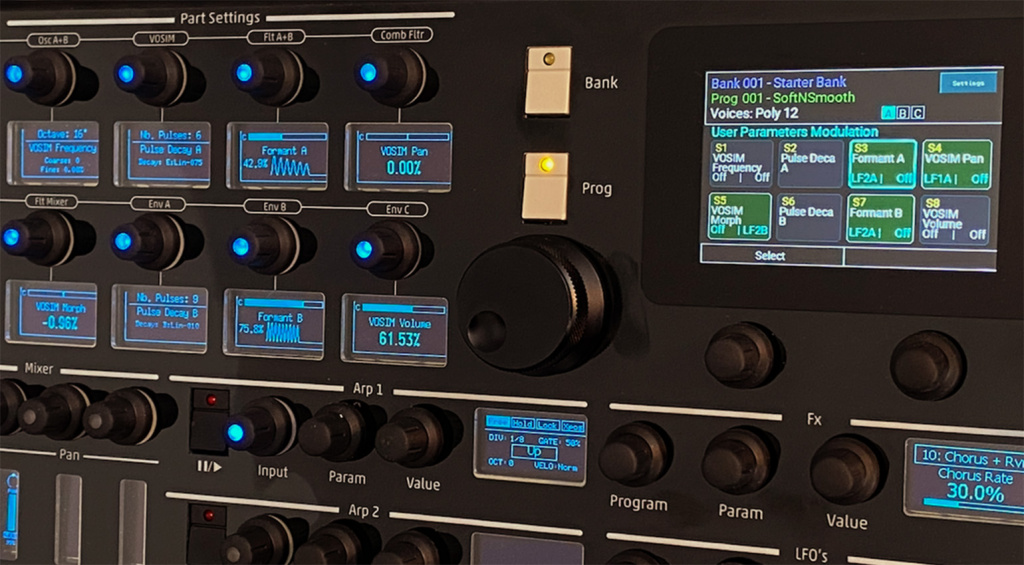
Leading the wave of new hardware is the Pylobolus Alkove, a hybrid synthesizer that immediately distinguishes itself with an unprecedented number of integrated displays. Evolving from an earlier prototype known as Alkohol, the Alkove represents a significant leap in hardware design, boasting no fewer than 17 screens. This ambitious approach to user interface design aims to provide unparalleled visual feedback and control, potentially setting a new standard for synth ergonomics.
The Alkove’s design philosophy centers around a seamless integration between hardware and software. A dedicated software editor allows for intricate patch design, with all modifications instantly reflected on the Alkove’s hardware. This bidirectional communication ensures that users can craft complex sounds in a digital environment and then transition to standalone hardware control for live performance, where the multitude of screens offers immediate visual confirmation of parameter settings.
Beneath its striking visual facade, the Alkove is a formidable sonic instrument. It features a 12-voice polyphonic, 3-part multitimbral architecture, built upon a binaural signal path that maintains stereo imaging from sound generation to output. This commitment to spatial audio processing suggests a focus on immersive soundscapes. The synthesizer’s hybrid nature is further defined by its combination of digital sound sources with analog Voltage Controlled Amplifiers (VCAs) for each voice, promising a blend of digital precision and analog warmth.
Each voice within the Alkove is equipped with three oscillators, capable of producing classic waveforms or sophisticated formant-based VOSIM sounds. The filter section is equally versatile, offering a range of "polymorphic" filter types including ladder, SEM, SVF, and comb filters. The ability to interconnect and combine these filters provides a deep well of sonic sculpting possibilities, allowing for complex timbral manipulation.
For dynamic sound shaping, the Alkove incorporates three DADSR envelopes per voice, alongside global and per-voice Low-Frequency Oscillators (LFOs). The developer highlights the LFOs’ capacity for phase shifting and spatial distribution across the stereo field, opening avenues for intricate and evolving sonic textures. Further enhancing its performance capabilities, the Alkove is MPE (MIDI Polyphonic Expression) compatible, features two synchronized arpeggiators, and includes an integrated effects engine.
The unveiling of the Alkove ahead of SynthFest France is strategically timed to generate significant buzz. Demonstrations at the festival are expected to fully showcase the instrument’s capabilities, with many anticipating that the initial sound demonstrations available on the developer’s website only hint at its full potential. The sheer visual impact of the Alkove, coupled with its advanced feature set, positions it as a compelling new entrant in the high-end synthesizer market.
KAONA Fractaos: Unlocking Fractal Sonic Territories in Eurorack
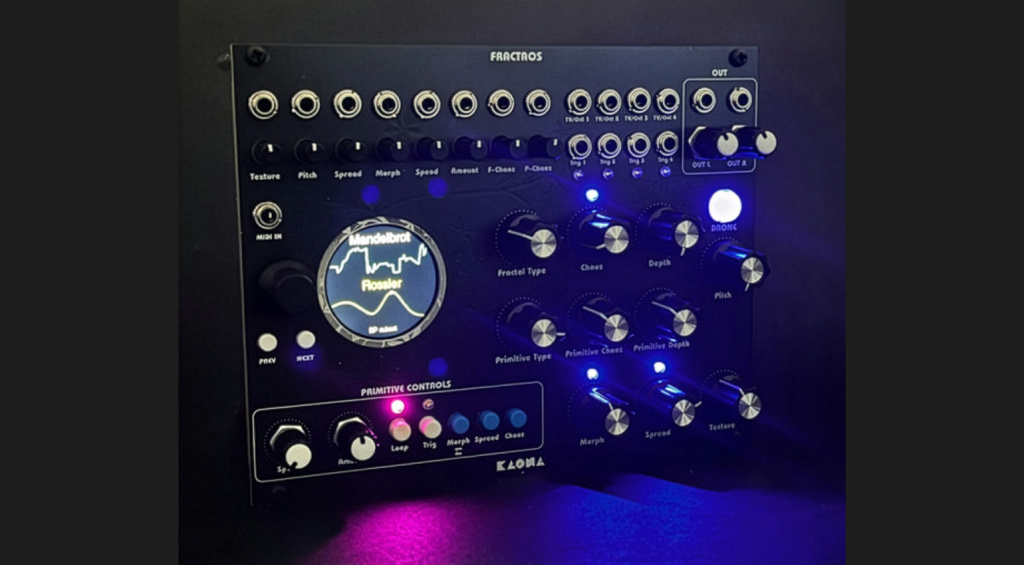
Complementing the Alkove’s multifaceted approach, the KAONA Fractaos emerges as a unique proposition for Eurorack modular enthusiasts. This polyphonic oscillator module ventures beyond conventional waveform generation, instead drawing its sonic palette from the intricate and often chaotic world of fractals.
The Fractaos allows users to select a primary fractal shape and a secondary "fractal primitive" that modulates it, creating a wide spectrum of unusual and evolving timbres. The module’s "Chaos" and "Depth" controls enable precise shaping of these fractal elements, while parameters such as morphing, detune, formant extraction, filtering, and FM dictate their interaction. This intricate control scheme invites experimental sound design, pushing the boundaries of what is typically achievable with a single oscillator module.
Beyond its core fractal synthesis capabilities, the Fractaos offers significant flexibility for integration into modular setups. It features a 4-voice polyphonic mode, controllable via Control Voltage (CV) or MIDI, making it suitable for harmonically rich textures and melodic lines. For sustained sonic environments, a drone mode activates all eight oscillators (four main fractal shapes and four fractal primitives) continuously. The inclusion of a polyphonic ADSR envelope further enhances its utility, enabling the module to function as a self-contained synth voice within a Eurorack system.
Ahead of SynthFest France, KAONA is offering an early bird discount of 15% on pre-orders for the Fractaos, reducing the price from its regular €558 to €474.30. This promotional offer aims to incentivize early adoption and gauge market interest in this novel approach to sound generation. The module’s distinct focus on fractal synthesis positions it as a niche but potentially highly influential tool for adventurous sound designers and electronic musicians.
Erica Synths and Moritz Klein: Demystifying Analog Kick Drum Circuit Design
In the realm of accessible music technology education, the collaborative efforts of Erica Synths and Moritz Klein continue to yield valuable resources for aspiring DIY enthusiasts. Their established EDU DIY module series has earned acclaim for its comprehensive kits and clear, educational approach to analog circuit design. Now, they have expanded this offering with a new "Kick Drum Circuit Design Guide."
This guide builds upon the foundational knowledge provided by the EDU DIY Kick Drum module’s build instructions, but extends significantly beyond a mere assembly manual. It delves into the underlying principles of analog kick drum circuit design, empowering users to understand not only how to build a functional circuit but also how to modify and extend it. The guide incorporates various design challenges, encouraging hands-on experimentation and fostering a deeper comprehension of analog synthesis principles.
A key feature of the Kick Drum Circuit Design Guide is its practical application. It includes detailed patch examples that enable users to emulate the iconic kick drum sounds of legendary drum machines such as the Roland TR-606, TR-808, and TR-909. This allows users to connect theoretical knowledge with practical sonic results, bridging the gap between circuit diagrams and tangible musical output. Furthermore, the guide offers insights into transitioning a breadboard prototype into a robust, production-ready module, providing a clear pathway for those aspiring to create their own hardware.
Erica Synths recommends using their LABOR prototyping board for the most streamlined experience, but emphasizes that the guide’s principles can be applied using a standard breadboard and battery power supply, making it accessible to a wide range of users. The publication of this guide suggests a potential future direction for Erica Synths and Moritz Klein, hinting at the possibility of further expanded DIY educational resources covering a broader array of analog synthesis topics.
The Kick Drum Circuit Design Guide is available for purchase directly from Erica Synths for €15 plus VAT. This affordable price point makes it an attractive entry point for anyone interested in understanding the inner workings of analog drum synthesis and exploring the rewarding world of electronics DIY. The availability of such resources is crucial for fostering a new generation of sound engineers, producers, and synthesizer builders who can contribute to the ongoing evolution of electronic music technology.
The convergence of these three distinct announcements – the visually arresting and technologically advanced Alkove, the conceptually unique Fractaos, and the educational Kick Drum Circuit Design Guide – highlights the multifaceted nature of the modern synthesizer industry. From high-end professional instruments to accessible DIY projects, the drive for innovation, sonic exploration, and knowledge dissemination continues to propel the world of electronic music forward. SynthFest France is set to be a key venue for these advancements to be showcased and experienced firsthand, promising an exciting weekend for the synthesizer community.