The Rise of Domestic Acoustics: How Noise-Dampening Wall Panels are Transforming Modern Living Spaces

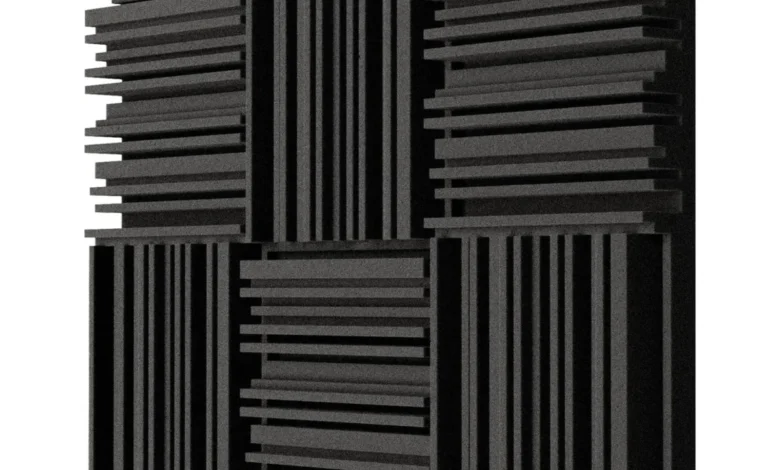
The utility of noise-dampening wall panels, once primarily confined to professional recording studios, broadcasting booths, and specialized sound engineering environments, has expanded dramatically, now offering surprisingly practical solutions for a diverse range of contemporary domestic and professional settings. From individuals working remotely to aspiring musicians, avid gamers, and those simply seeking refuge from disruptive external noise, these acoustic innovations are proving indispensable in crafting quieter, more productive, and more enjoyable personal spaces. The widespread adoption reflects a growing societal awareness of the profound impact of ambient sound on well-being, concentration, and overall quality of life.
The fundamental shift in the perception and application of acoustic panels can be traced to several converging trends over the past decade. Historically, acoustic treatment was a niche concern, vital for professionals who required precise sound control to prevent echo, reverberation, and external interference. Musicians, podcasters, and sound engineers understood the critical role these panels played in achieving pristine audio quality. However, the advent of remote work, accelerated by global events, transformed countless homes into makeshift offices, demanding environments conducive to focus and virtual collaboration. Simultaneously, the proliferation of sophisticated home entertainment systems, dedicated gaming setups, and high-fidelity music listening rooms has driven consumers to seek enhanced audio performance, free from the distortions caused by uncontrolled room acoustics. Even in densely populated urban areas, where noisy neighbors or persistent street sounds are a daily reality, acoustic panels have emerged as an accessible and effective solution for achieving peaceful quiet.

Understanding the Science of Sound Dampening: The Noise Reduction Coefficient (NRC)
At the heart of an acoustic panel’s effectiveness lies its Noise Reduction Coefficient (NRC). This standardized rating system quantifies a material’s ability to absorb sound, ranging from 0 to 1. An NRC of 0 signifies no sound absorption, meaning all sound waves are reflected, while an NRC of 1 indicates total sound absorption, where virtually all incident sound energy is absorbed rather than reflected. For practical understanding, this decimal can be interpreted as a percentage: an NRC of 0.3 means 30% of noise is absorbed, 0.6 means 60%, and so on.
The NRC value is determined through rigorous laboratory testing, measuring how much sound energy a material absorbs across a range of frequencies. Different materials and panel designs exhibit varying NRC values. Porous materials like foam or fibrous panels excel at absorbing mid-to-high frequencies, which are typically associated with speech, clatter, and general ambient noise. Thicker panels or those incorporating denser materials may also offer some absorption of lower frequencies, though dedicated bass traps are often required for comprehensive low-end control in critical listening environments. When selecting acoustic panels, considering the NRC is paramount, as it directly correlates with the degree of sound reduction and acoustic improvement one can expect. A higher NRC generally translates to a more effective panel for dampening unwanted sound and minimizing echo within a space.

The Evolution of Acoustic Solutions: From Studio Necessity to Home Essential
The journey of acoustic panels from specialized studio equipment to a mainstream home product reflects a broader democratization of technology and an increasing focus on personal comfort and productivity.
- Early 20th Century: Scientific Foundations: The principles of acoustics and sound absorption were formalized in the early 20th century, primarily by Wallace Clement Sabine, who laid the groundwork for architectural acoustics. His work was crucial for designing concert halls and auditoriums.
- Mid-20th Century: Recording Studio Emergence: With the rise of commercial radio, film, and then music recording, dedicated soundproofed and acoustically treated studios became essential. Large, custom-built panels, often made from mineral wool or fiberglass, were standard. Aesthetics were secondary to pure function.
- Late 20th Century: Home Studio Revolution: The 1980s and 90s saw a boom in home recording technology, making it possible for musicians to set up modest studios in their homes. This created a demand for more affordable, accessible acoustic treatment, though often still utilitarian in appearance (e.g., egg-crate foam).
- 21st Century: The Digital Age and Remote Work: The 2000s and 2010s brought widespread internet connectivity, enabling podcasting, streaming, and professional voice-over work from home. This necessitated better home acoustics. The true inflection point, however, arrived with the global shift to remote work in the early 2020s. Suddenly, millions found their living rooms or spare bedrooms doubling as offices, conference rooms, and content creation hubs. The need for quiet, focused environments, free from household distractions and external noise, became a critical concern for productivity and mental well-being. This surge in demand propelled acoustic panels into the mainstream consumer market.
Designing for Tranquility: Key Considerations for Home Application

When integrating acoustic panels into a home environment, several factors beyond just NRC come into play, reflecting the dual demands of functionality and aesthetic appeal.
- Size and Coverage: Panels come in various dimensions, from small 12×12-inch tiles to large 24×48-inch sheets or even custom sizes. Measuring the intended space accurately is crucial to ensure adequate coverage without over-treating the room, which can lead to an unnaturally dead sound. While foam panels can often be cut to fit, more rigid options like wood or fabric-wrapped panels require precise planning.
- Placement Strategy: Optimal placement maximizes effectiveness. For critical listening spaces like home theaters or music rooms, strategic placement opposite speakers to "catch" direct sound reflections, and near subwoofers to manage bass frequencies, is common. In home offices or gaming setups, panels might be prioritized on walls shared with noisy areas (e.g., a child’s bedroom or a street-facing wall). The goal is to break up parallel surfaces that cause flutter echoes and excessive reverberation. While covering every wall and the ceiling is ideal for professional studios, most home users can achieve significant improvement with targeted placement.
- Material and Aesthetics: The rise of acoustic panels in home settings has spurred innovation in design. Traditional black foam panels remain a cost-effective and highly functional choice, particularly for hidden applications or spaces where aesthetics are secondary. However, manufacturers now offer a vast array of materials, colors, and textures to seamlessly blend with existing decor. Options range from sleek fabric-wrapped panels in various hues to sophisticated wood-slat designs that mimic modern interior trends. Some even come as decorative art panels, providing sound absorption without appearing overtly technical. This focus on aesthetic integration is a testament to the panels’ transition into a lifestyle product.
- Installation Difficulty: Most consumer-grade acoustic panels are designed for relatively easy DIY installation. Many come with adhesive pads, peel-and-stick backing, or lightweight frames that can be mounted with basic tools. User reviews often highlight ease of installation as a significant factor, especially for those looking to quickly transform a space without professional help.
Broader Impact and Implications: Beyond Just Sound
The integration of acoustic panels into residential and diverse professional settings carries significant implications, extending beyond mere sound control.

- Enhanced Productivity and Focus: For remote workers and students, a quiet environment is directly linked to improved concentration and reduced stress. Eliminating distractions from household noise or external chatter allows for deeper engagement with tasks, leading to higher quality work and greater efficiency. Studies have consistently shown that prolonged exposure to noise negatively impacts cognitive performance and can lead to increased cortisol levels. Acoustic panels offer a tangible solution to mitigate these adverse effects.
- Improved Mental Well-being: The pursuit of "peaceful quiet" is not just about avoiding distraction; it’s about fostering a sense of calm and sanctuary. In an increasingly noisy world, a quiet space can be crucial for relaxation, meditation, or simply unwinding after a demanding day. Psychologists and environmental health experts increasingly highlight the importance of soundscapes in shaping emotional states.
- Superior Entertainment and Audio Experiences: For audiophiles, home theater enthusiasts, and gamers, controlling room acoustics elevates the immersion and clarity of sound. Eliminating echo and reverberation allows audio systems to perform as intended, revealing nuanced details in music, dialogue, and sound effects that would otherwise be muddled. This transforms a casual listening experience into a truly captivating one.
- Market Diversification and Innovation: The burgeoning demand has stimulated significant innovation in the acoustic panel market. Manufacturers are developing new materials, improving NRC ratings, and focusing heavily on aesthetic appeal and ease of installation. This has led to a wider variety of products at different price points, making acoustic solutions accessible to a broader consumer base. The market for sound-dampening materials is projected to continue its growth trajectory as more people prioritize their home environments for work, leisure, and well-being.
- Sustainable and Eco-friendly Options: As consumer awareness of environmental impact grows, so too does the demand for sustainable building materials. Manufacturers are responding by exploring eco-friendly options for acoustic panels, utilizing recycled content, natural fibers like jute, and materials with lower carbon footprints. This trend aligns with broader movements towards sustainable interior design and construction.
Expert Perspectives on Domestic Acoustic Treatment
Acousticians and interior design professionals increasingly advocate for thoughtful acoustic treatment in residential spaces. "The modern home is a multi-functional hub," notes Dr. Anya Sharma, a leading acoustical consultant. "It’s an office, a gym, a cinema, and a sanctuary. Ignoring acoustics is like investing in a high-end sound system but placing it in an empty, reverberant hall. The sound quality suffers, and the environment becomes fatiguing. Simple, well-placed panels can make a dramatic difference, not just for sound quality, but for the overall livability of a room."
Interior designers also emphasize the seamless integration of acoustic solutions. "The days of bulky, industrial-looking acoustic foam are largely behind us for residential applications," explains Sarah Chen, an interior design expert specializing in smart homes. "Clients now expect solutions that enhance their space visually while providing functional benefits. Wood slat panels, art-inspired designs, and fabric-wrapped options in sophisticated color palettes are transforming how we approach sound control, making it an integral part of the aesthetic rather than an afterthought."

Practical Examples of Acoustic Panel Solutions
The market offers a range of acoustic panels to suit various needs and budgets, demonstrating the breadth of innovation in this sector.
For those prioritizing maximum sound absorption with a touch of modern design, high-NRC fabric-wrapped panels, such as the Reverbeon Minimalist Acoustic Panels, offer an excellent blend. With an NRC typically around 0.95, these panels absorb nearly all incident sound, making them ideal for dedicated home theaters or recording spaces. Their availability in a wide array of colors and textures allows for significant customization, making them an attractive choice for contemporary interiors. Reviewers often praise their effectiveness in drastically reducing echo and reverberation, creating a noticeably quieter and acoustically balanced room.

Economical and highly functional options like the Geynnple Sound Proof Foam Panels provide a traditional, no-frills approach. These larger foam panels are often chosen for their affordability and the ability to be cut to custom sizes, offering flexibility for DIY enthusiasts. They are particularly effective at dampening common external noises such as traffic and rain, creating a more peaceful indoor environment. The absence of a strong synthetic odor, a common concern with some foam products, also contributes to their appeal.
For those seeking a more upscale aesthetic, wood acoustic panels have become increasingly popular. The Vriqor Acoustic Wall Panels, for instance, exemplify how sound absorption can be integrated with sophisticated design. Their diagonal slat design offers a contemporary look that can transform a wall into a stylish feature while providing effective sound dampening. Similarly, Art3d Wood Slat Acoustic Panels offer the popular modern wood slat appearance, with sound-absorbing foam discreetly integrated underneath. Available in various wood tones like walnut, teak, and cherry, these panels allow for cohesive integration with diverse interior design schemes, making them a favored choice for living rooms, dining areas, and upscale offices.
When extreme quiet is the goal, panels with an NRC of 1, such as the ATS Acoustics Panel, offer near-total sound absorption. Constructed with solid wood frames and natural jute fabric, these panels are robust and designed for longevity. Their ability to absorb virtually 100% of sound makes them suitable for demanding environments like professional recording studios or conference rooms, but also highly effective for bedrooms where maximum noise reduction is desired. Users often report significant reductions in ambient noise from various sources, noting that the black color option also helps to reduce light reflection from screens, further enhancing focus.

For those who wish to infuse personality and color into their acoustic treatment, options like the Ekkogo Acoustic Panels provide a vibrant solution. With an impressive selection of over 20 color choices, from subtle grays to bold turquoise and candy apple red, these panels allow users to make a design statement while benefiting from a high NRC of 0.95. This combination of strong performance and aesthetic versatility makes them suitable for creative spaces, children’s rooms, or any area where a pop of color is desired.
Value-conscious consumers often turn to bulk packages like the Audiosoul Acoustic Panels, which offer a large number of square-foot panels at an accessible price point. Despite their affordability, these panels are praised in customer reviews for their solid performance in reducing loud noise. Such options are ideal for those needing to cover significant wall areas on a budget, making acoustic treatment more attainable for a broader audience.
Finally, for spaces where acoustic treatment needs to be virtually invisible or integrated as genuine decor, specialized art acoustic panels like the Bubos Art Acoustic Panels provide an elegant solution. Designed to resemble framed wall art, these panels blend seamlessly into living rooms or home theater setups, offering an NRC of 0.9 without the typical "studio look." Each panel acts as a functional piece of art, absorbing sound while enhancing the room’s aesthetic appeal, making them perfect for environments where total wall coverage might be unnecessary or undesirable. For musicians dealing with particularly challenging sound sources, such as drums, specialized thick foam panels like the TroyStudio Thick Acoustic Foam Panels offer targeted, high-density absorption. While they may require purchasing multiple packs for full coverage, their 0.8 NRC effectively reduces loud percussive sounds and minimizes echo, allowing musicians to practice without disturbing others.

In conclusion, the proliferation of noise-dampening wall panels signifies a crucial evolution in how modern spaces are designed and utilized. No longer a niche product, these acoustic solutions are becoming fundamental tools for enhancing productivity, promoting well-being, and elevating entertainment experiences in an increasingly loud and connected world. As technology advances and design considerations become paramount, the acoustic panel market is set to continue its expansion, offering innovative and aesthetically pleasing ways to achieve tranquility and sonic excellence in every corner of our lives.